Space Symposium returns for 41st edition with focus on Artemis program, successful moon mission
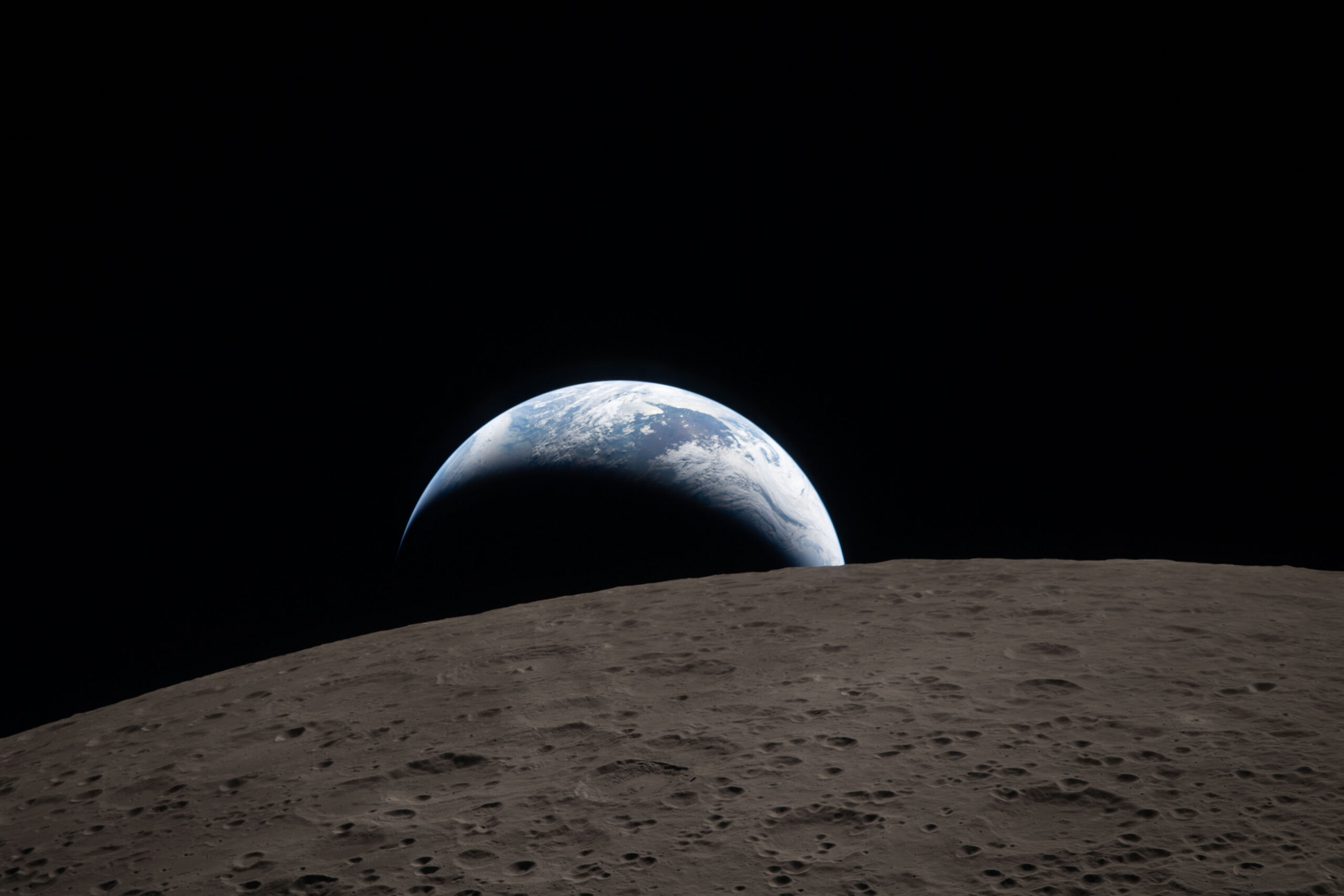
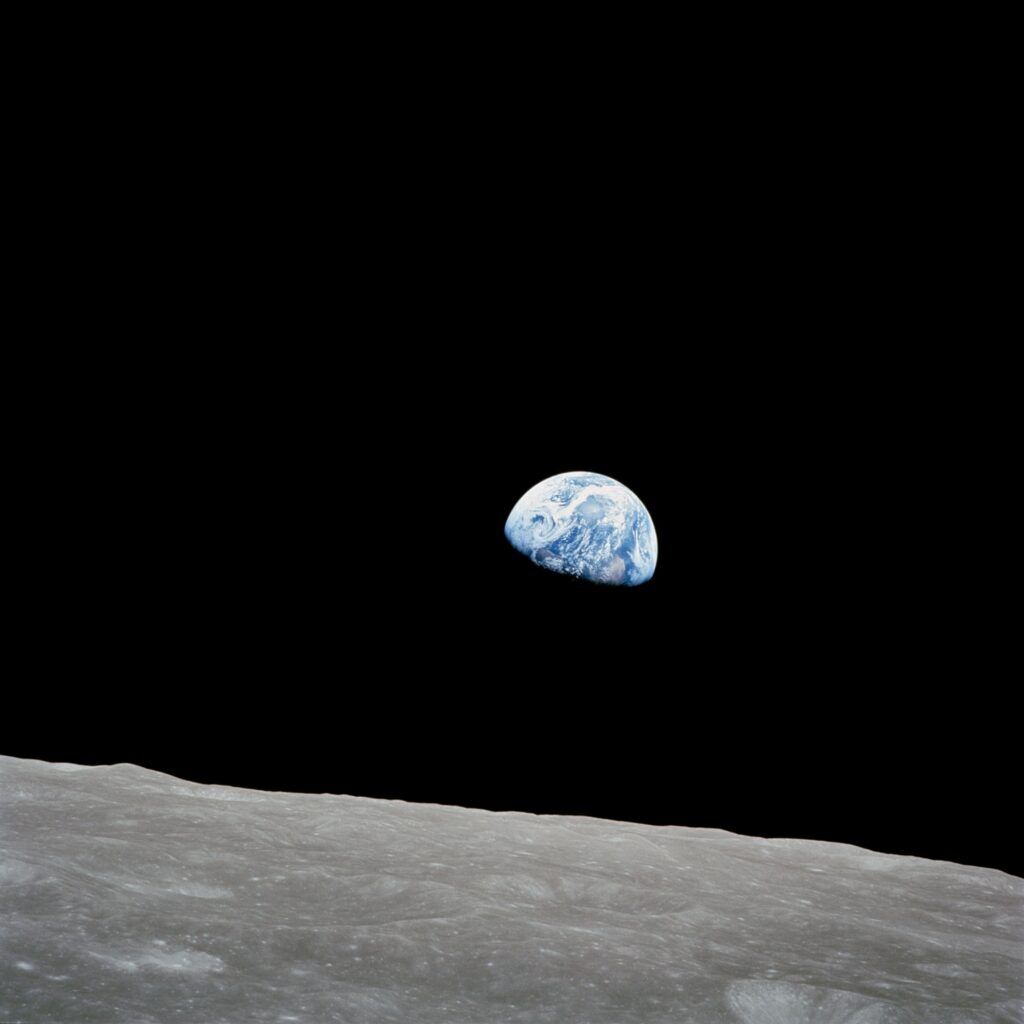
This week, leaders from around the globe are gathering in Colorado Springs for the annual Space Symposium with a renewed focus on moon missions following the return of the Artemis II astronauts.
The splashdown came as NASA and private industry focus on deep space exploration, thanks in no small part to NASA Administrator Jared Isaacman. The national space agency, as well as various partners signed on to the Artemis Accords, are planning to build a sustained human presence on the moon to support a manned mission to Mars.
Isaacman has bold goals for NASA and pictures a return to the agency that captivated him as a child. He will speak at the symposium Tuesday, according to staff at the Space Foundation, the organization responsible for hosting the event.
The Artemis program is in the early stages of honing capabilities NASA needs to land people back on the moon and ultimately, Mars. The moon contains important resources such as water, titanium and Helium-3, that NASA and other space agencies hope to exploit in a race to Mars.
“This is the agency that sent astronauts to and from the moon at a time when we knew so little but believed we could do the impossible,” Isaacman said, during an agencywide town hall after being confirmed as administrator.
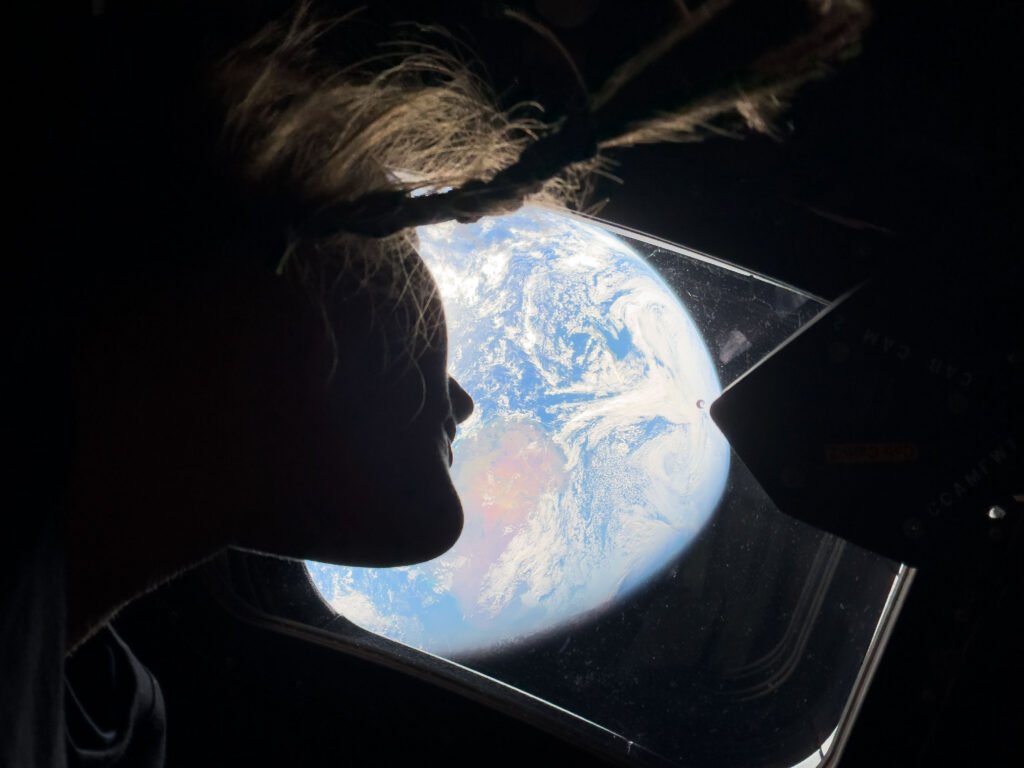
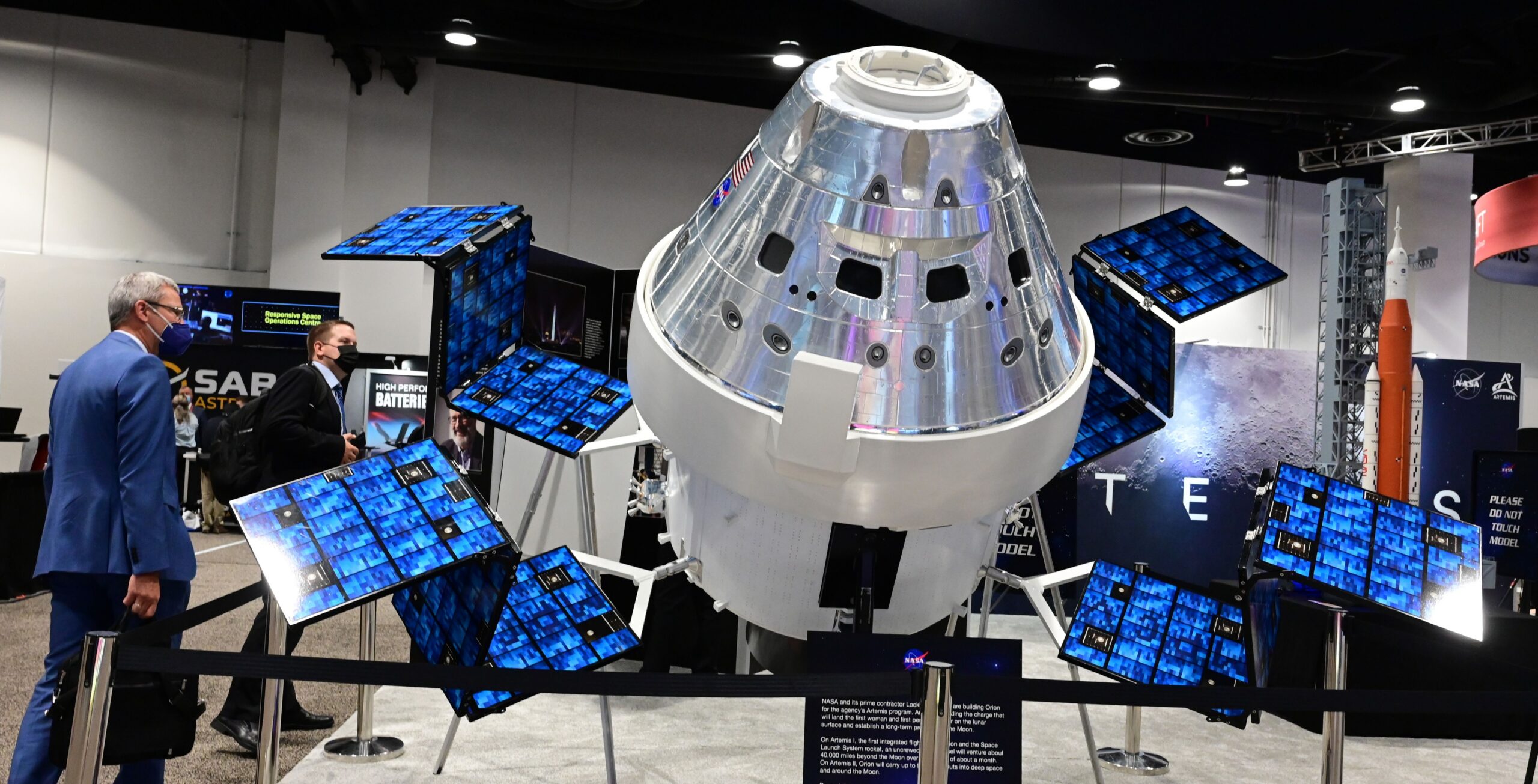
Recently, the space agency and Artemis II dominated headlines. The mission, thanks in part to roughly 14,000 Coloradans, sent four astronauts on a voyage around the moon. Companies in the state designed and built many pieces critical to the mission. This includes the crew capsule, the computers that run it, and many of the rocket components that propelled the three Americans and one Canadian around the moon.
During their mission, the astronauts found themselves more than 252,000 miles from Earth, farther than any humans in history. It broke Apollo 13’s record by more than 4,100 miles, according to Mission Control in Houston.
“Before they left, they said they hoped this mission would be forgotten, but it will be remembered as the moment people started to believe that America can once again do the near-impossible and change the world,” Isaacman said on X after the record-setting flight.
At the 41st Space Symposium, Artemis will be front and center, according to Rich Cooper, a spokesperson with the Space Foundation, the local nonprofit that puts on the event.
Last year, it drew roughly 11,000 people, and the foundation anticipates a similar number this year, Cooper said. As of April 6, there were 402 exhibitors listed at SpaceSymposium.org. This includes various national space agencies, such as the Japanese Space Agency, known as JAXA, and delegations from France, Italy, the United Arab Emirates and other nations.
Various state economic development groups, including Ohio and Alabama, will also have booths, emphasizing their national and worldwide connections to the space industry.
“Every state, like every country, has an interest in space,” Cooper said. “This is a global economy that is slated to cross the threshold of over a trillion dollars by the early 2030s.”
Colorado has one of the largest space economies in the nation per capita, with roughly 56,000 people directly employed by the 2,000 aerospace companies operating in the state.
On the Artemis mission, the state had the third-most companies contributing to its success, behind only Florida and California.
Lockheed Martin Space built the Orion capsule, where astronauts live and work. United Launch Alliance built an upper stage of the rocket, which pushed Orion into a high Earth orbit. Local company Frontgrade Technologies has multiple components attached to the computers onboard Orion, some of which were exposed to the hostile vacuum environment of space.
From Constellation to Artemis
One of the Coloradans working on the program, Lisa Akers, a deputy chief engineer with Lockheed Martin Space, has been working on the Orion Capsule since before it was part of Artemis.
In the early 2000s, then-President George W. Bush laid out plans to return to the moon. What emerged was the Constellation Program. Had it continued, Constellation would have seen see Orion launched to space aboard one rocket while cargo and other components for a moon shot would be launched aboard another.
Constellation was canceled in 2011 after being excluded from the budget by former President Barack Obama.
However, much of the work on the capsule was completed. In fact, Akers and her team could point to a completed Orion capsule on a rocket ready to go for testing at the White Sands Missile Range in New Mexico when the cancellation was announced.
“We were all down at White Sands doing the work, we were building the vehicle, and then we come into work one day, and ‘Oh, it’s canceled,’” she said. “We did actually fly it, and that was good, because I think the success of that test was really important to continuing to keep the program going.”
Orion’s orbital flight debut came in 2014, when it was launched on a Delta IV Heavy. The roughly 4.5-hour mission was deemed a success. This launch was followed by Artemis I, which launched eight years later.
The Orion team learned a lot during the Artemis I mission and implemented some changes to the spacecraft ahead of Artemis II. One major concern was the heat shield, a critical component for returning to Earth. Engineers saw some unexpected loss of the heat shield materials during the first mission.
They attributed it to Orion skipping across the atmosphere as part of its re-entry during Artemis I. While the loss of the heat shield material was concerning, it was never dangerous. However, to address it, Lockheed and NASA simply adjusted how Orion comes back to earth, taking a faster, hotter and more direct path.
With Artemis II, Orion was on its first crewed flight and only its third orbital flight. Lockheed engineers such as Akers are looking forward to its use as an interplanetary vessel.
“Every mission that we take is another steppingstone on our way to Mars,” she said. “It’s going to require a lot of steps to get there, and Orion is just one part of that whole infrastructure.”
A journey to and from Mars could take as long as 18 months, she said. That’s a long time to spend in a spacecraft the size of a minivan. But doing the missions to and from the moon, around the moon as with Artemis II and ultimately landing on the moon during Artemis IV are important steps in landing a human on another planet.
Driver of local economy
At the Space Symposium this year, visitors will be able to step into other aspects of the future space economy. VAST Space will be back with its full-scale mockup of a commercial space station concept it is pitching to NASA. The space agency plans to retire the International Space Station in the coming years, and industry partners are vying to fill the market hole that might be left.
Firefly Aerospace, one of two companies to attempt a moon landing last year, is back with a full-scale display of its Blue Ghost lander.
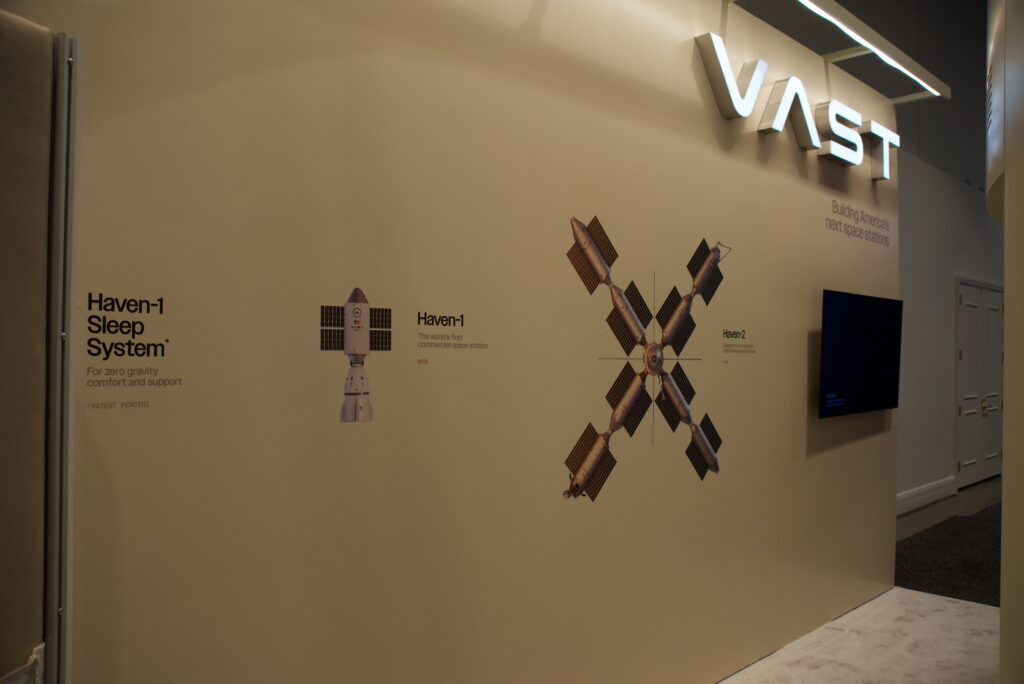
The Space Symposium is, at its core, a trade show. It’s a chance for companies large and small to show off their wares, ideas and innovations. The event can also serve as a platform to announce major economic development projects, which happened last year when SwissPod announced its expansion in Colorado Springs. The company will also use land in Pueblo for testing.
While space might not be in the orbit of Colorado Springs residents’ day-to-day lives, for one week, it will fill hotel rooms and restaurants, contributing roughly $16 million to the local economy, according to past coverage by The Gazette.
Doug Price, the CEO of Visit Colorado Springs, a marketing agency for the city, emphasized that it’s been happening for 41 years. There was a brief disruption due to the COVID-19 pandemic, but it continued.
It started in a meeting room at The Broadmoor, Price said, and has since evolved to dominate the iconic hotel, the Cheyenne Mountain Resort and other local landmarks including the U.S. Olympic & Paralympic Museum for one week in April. He said it’s really hard to compare with other major events.
“The U.S. Senior Open that was here last year had a very big impact, but it’s only here once every six years,” he said. “Spring is our second highest visitation season after summer, it accounts for 26% of overall visitors for the year; that can really be attributed to the symposium.”
Other annual events like the Pikes Peak or Bust Rodeo, Rocky Mountain State Games and Labor Day Lift-Off are a big draw. The Firefighters Memorial event in September is also huge for downtown.
But the Space Symposium “stands alone as a business meeting.” Price said. It puts Colorado Springs into the crosshairs of international media for a week, he added.
“It’s likely the largest international event that we host,” he said. “Hotel stays and visitor spending is good, but global media exposure puts us on the world stage.”