







Denver continues to explore moving to a biennial budget
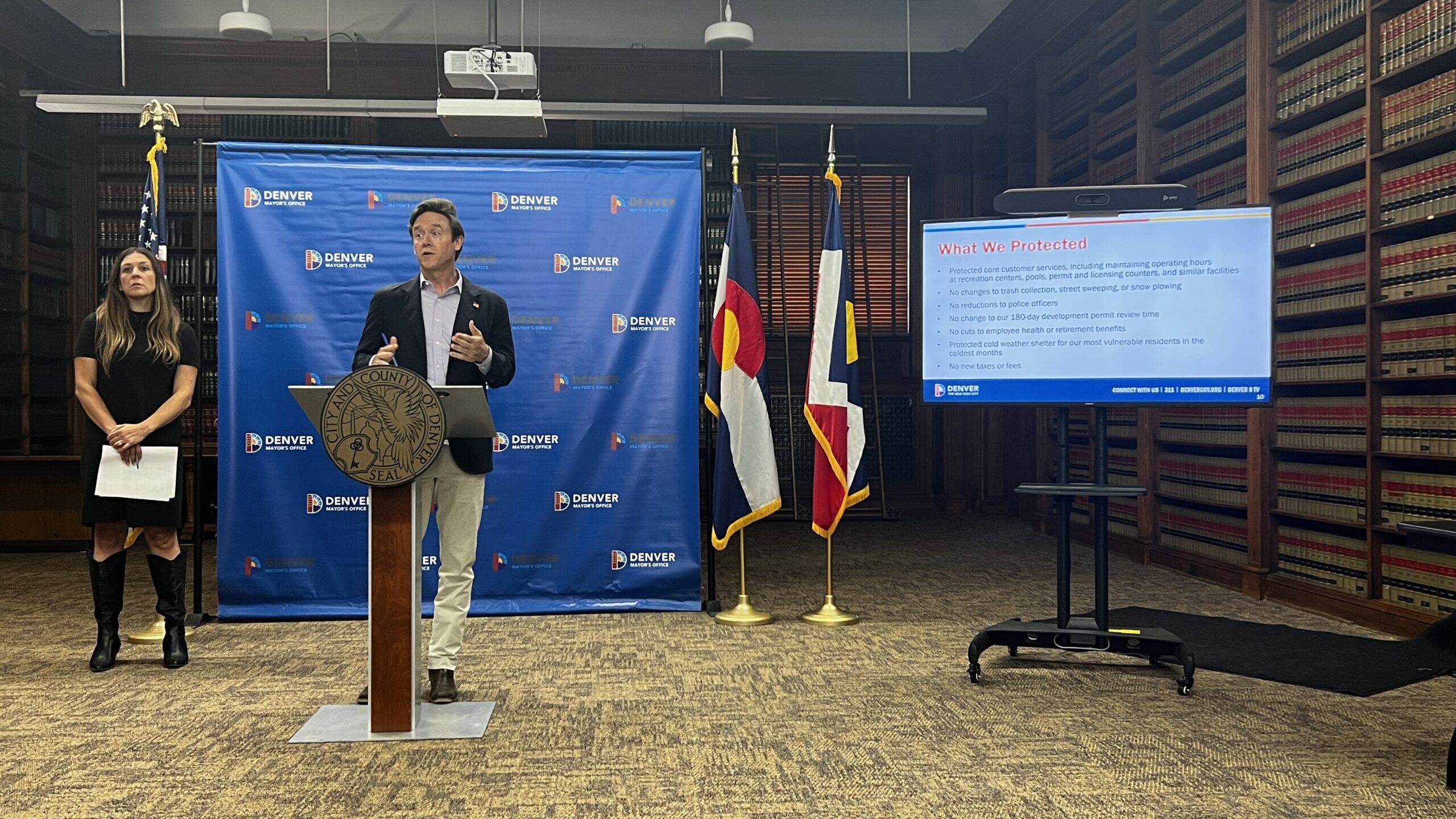
There’s continued momentum to shift the city of Denver to a biennial budget cycle, and if approved by the City Council, the measure would be sent to voters on the November 2026 ballot.
The idea, first put forth in December, returned Monday to the Budget and Policy Committee meeting for further discussion, with sponsors maintaining that the change would streamline the budget timeline and enable city officials to plan more effectively for long-term projects.
There would also be a provision for the mayor and the city’s director of finance to choose to revert to a one-year cycle during periods of “economic uncertainty.”
Along with freeing up financial staff, the “Budget Together Denver” initiative will require community input as the basis for developing the budget, according to sponsors of the proposed legislation, Councilmembers Amanda Sawyer, Shontel Lewis, and Stacie Gilmore.
The feedback would then be incorporated into a two-year strategic plan, which would then be used to develop the budget.
“The only opportunity that our residents truly have to have a conversation about the creation of the budget and their tax dollars comes when we at City Council open up a hearing for people to say something about it, and that hearing comes very late in the process,” Sawyer said. “If you look at the timeline, it’s one week before the budget is approved.”
Sawyer added that she’s heard “nothing but positive feedback from the community on being included in that conversation.”
In short, the shift would provide earlier and expanded opportunities for residents to directly influence how the city spends money.
The proposal is still very early in development, and legislative language has yet to be drafted, and no votes have been cast on the matter.
Adopting a biennial budget process would mean that the city would plan, present and approve a 24-month budget, rather than a 12-month budget, but would still be able to make necessary adjustments to the second year as needed.
In accordance with Colorado law, the council would still be required to pass a balanced budget each year.
The difference would be that during the “off” year, the council would pass the same budget with any approved changes.
But some council members are hesitant to warm up to the idea of a two-year budget.
“It seems to me that the challenges of the annual budget are magnified, are made worse by a biannual budget, and the benefits are diminished in a biennial budget,” Councilmember Kevin Flynn said. “We can’t even get a one-year budget, right, a two-year budget actually frightens me.”
Experts suggest that biennial budgets present challenges, particularly with forecasting.
City Budget Director Justin Sykes told the committee members at the December 2025 meeting that there are both pros and cons to the proposal.
“I do think it would be harder to project over two years,” he said at the time. “It may save some effort in that second small budget year, but I don’t know that the Department of Finance at this point has a strong opinion. I think we’re still evaluating, along with all of you.”
Officials from Denver Mayor Mike Johnston’s office are in agreement with sponsors that a “robust engagement plan for soliciting residents,” but questioned whether or not such language belongs in the Denver City Charter.
Locally, the city of Fort Collins adopted a two-year budget process in 2005, seeking to emphasize community engagement and transparency.
Sponsors anticipate additional stakeholder briefings sometime in May, with the proposed new legislation entering the legislative process and scheduled for a public hearing this summer.
If approved, the measure would go to the voters this fall.