







The Founder Behind a Denver-Based Barbecue Brand With Championship Roots
The Denver Gazette newsroom and editorial staff were not involved in the creation of this content.
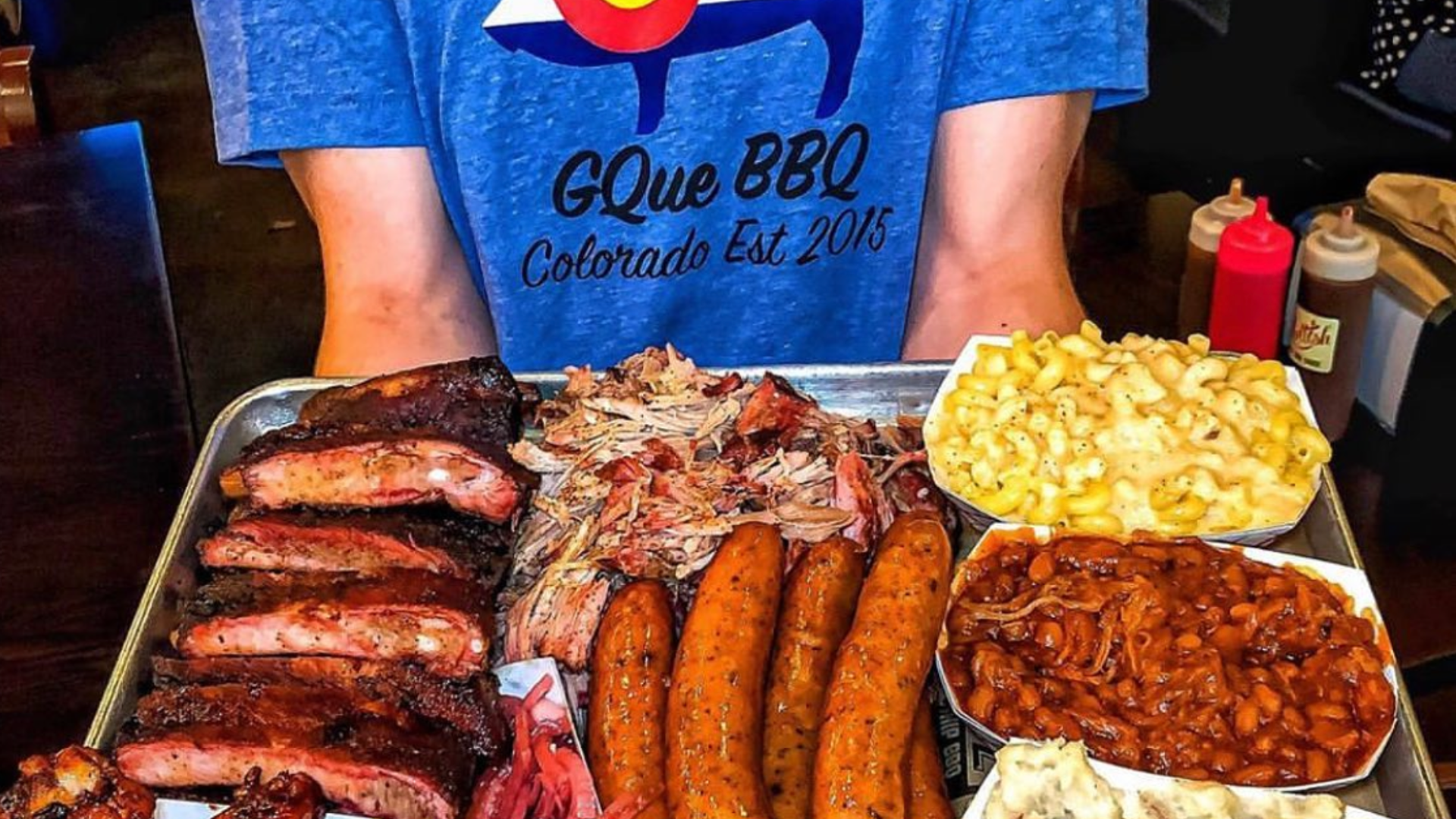
Jason Ganahl did not drift into barbecue. He fought his way into it, one contest box and one tray of brisket at a time. Years later, that hard road has turned into G-Que BBQ, a Colorado name that has moved from competition smoke to stadium crowds and, more recently, a downtown Denver opening at McGregor Square near Coors Field.
Where the Brand Stands Now
G-Que has reached a moment that looks bigger than a routine store opening. A March 2026 announcement said the McGregor Square restaurant gave the company its first brick-and-mortar spot in Denver and its fifth year-round location, while stadium outposts at Coors Field, Empower Field, and Folsom Field had already put the brand in front of huge crowds. Power sits in that kind of visibility. Plenty of barbecue places build loyal followings in one corner of a city, then stall. G-Que has kept moving, and downtown gives the name a firmer grip on the state’s busiest corridor.
Pressure comes with that rise. Denver diners can smell a weak story from the sidewalk, and barbecue may be the least forgiving food of all. Smoke tells the truth fast. Dry brisket, tired ribs, or a menu with no pulse can sink a place before the ice settles in a glass. Ganahl knows that risk is part of the trade, which may be why he sounds so plain when he talks about the next step. “Now we’re excited to serve fans, downtown residents, and visitors every day—whether they’re heading to a game, grabbing lunch, or looking for an easy dinner,” he said.
A statement like that works because it stays close to daily life. Lunch before a meeting, dinner after a Rockies game, a quick meal before heading home; those are the small rituals that turn a restaurant into a habit. G-Que is chasing that kind of place in people’s lives. Colorado has seen enough loud concepts come and go. Ganahl’s brand feels more stubborn than flashy, and stubborn brands often last longer.
Fire Before the Storefront
Ganahl’s story starts well before the downtown traffic and stadium crowds. He first entered barbecue as a judge, then moved into the contest circuit, where he won heavily in 2013 and 2014 before opening the first G-Que restaurant in Westminster in 2015. That path matters because contest barbecue is a brutal teacher. Judges do not care about excuses. Guests may forgive a rough night once, but a contest table will not.
Something useful happens when a cook comes out of that world. Discipline stops being a slogan and starts becoming muscle memory. Timing sharpens. Pride sharpens. Taste sharpens. Ganahl has carried that mood into the restaurants, giving G-Que a different sort of backbone. Chain barbecue can feel sleepy when it loses its pulse. G-Que still sounds like it was built by a man who knows that one weak tray can stain the whole day.
Ganahl said it best in an older interview, and the line still explains the brand better than any sales pitch could. “We smoke our meats fresh each day. We cook the amount we think we will need, and when we sell out, we are done for the day,” he said. Few restaurant owners talk that way unless they mean it. Fresh barbecue takes nerve. Sell too little, and guests leave unhappy. Cook too much, and the food loses its edge. Ganahl has chosen the harder road, and that choice gives the food a sense of urgency.
Roots matter in barbecue because people can taste when a place came from trial, error, and stubborn practice. Ganahl grew up in Missouri, where barbecue had already become part of his life long before G-Que had a logo or a dining room. That history does not confer automatic greatness on him, but it does help explain why the brand feels personal rather than assembled in a boardroom. Every strong food story needs tension. Ganahl’s tension came from proving he belonged, then proving he could turn contest wins into a living business.
A Colorado Brand With More Room to Run
Recent years have given G-Que more than local fame. The company says it has earned national notice through sanctioned Kansas City Barbeque Society contests, Team of the Year honors, and induction into the Rocky Mountain BBQ Association Hall of Fame. Recognition like that can become dead weight when a founder spends too much time polishing old trophies. Ganahl seems more interested in turning past wins into forward motion. That may be the sharpest part of the story. Memory matters, but motion matters more.
A book release adds another layer to that motion. Listings tied to Jason Ganahl’s cookbook, G-Que Barbeque: A Mile Above the Rest, point to an April 2026 release, placing his name on shelves at the same time his restaurant brand is pushing deeper into public view. Pages can do something a dining room cannot. A book lets a pitmaster travel into homes where the restaurant has not reached yet. Readers meet the voice, test the recipes, and start to see the brand as more than a local stop for ribs and brisket.
Digital reach helps, too, though smoke still sits at the center of the story. G-Que’s own materials say the company’s YouTube channel, which has earned a play button, has drawn more than 15 million views with barbecue lessons and cooking clips, which gives Ganahl a public face beyond the counter line. That audience matters because food brands now live in several places at once: in restaurants, on phones, on game days, and in home kitchens. Ganahl has managed to stir all of those spaces without losing the plain language that made G-Que feel real in the first place.
Colorado is crowded with restaurant dreams, and most of them cool off fast. Ganahl’s brand has stayed hot because it rests on something older and harder than hype. Contest smoke gave him discipline. Stadiums gave him reach. Downtown Denver gave him a louder stage. McGregor Square may look like the latest move, yet it feels more like proof. Jason Ganahl is no longer merely a man who can win a barbecue contest. He is building the kind of brand that asks a tougher question: how far can championship roots carry a Colorado name before the rest of the country starts paying close attention?