




Will Colorado’s wildflowers show up this year? Here’s how drought and low snowpack may impact the show
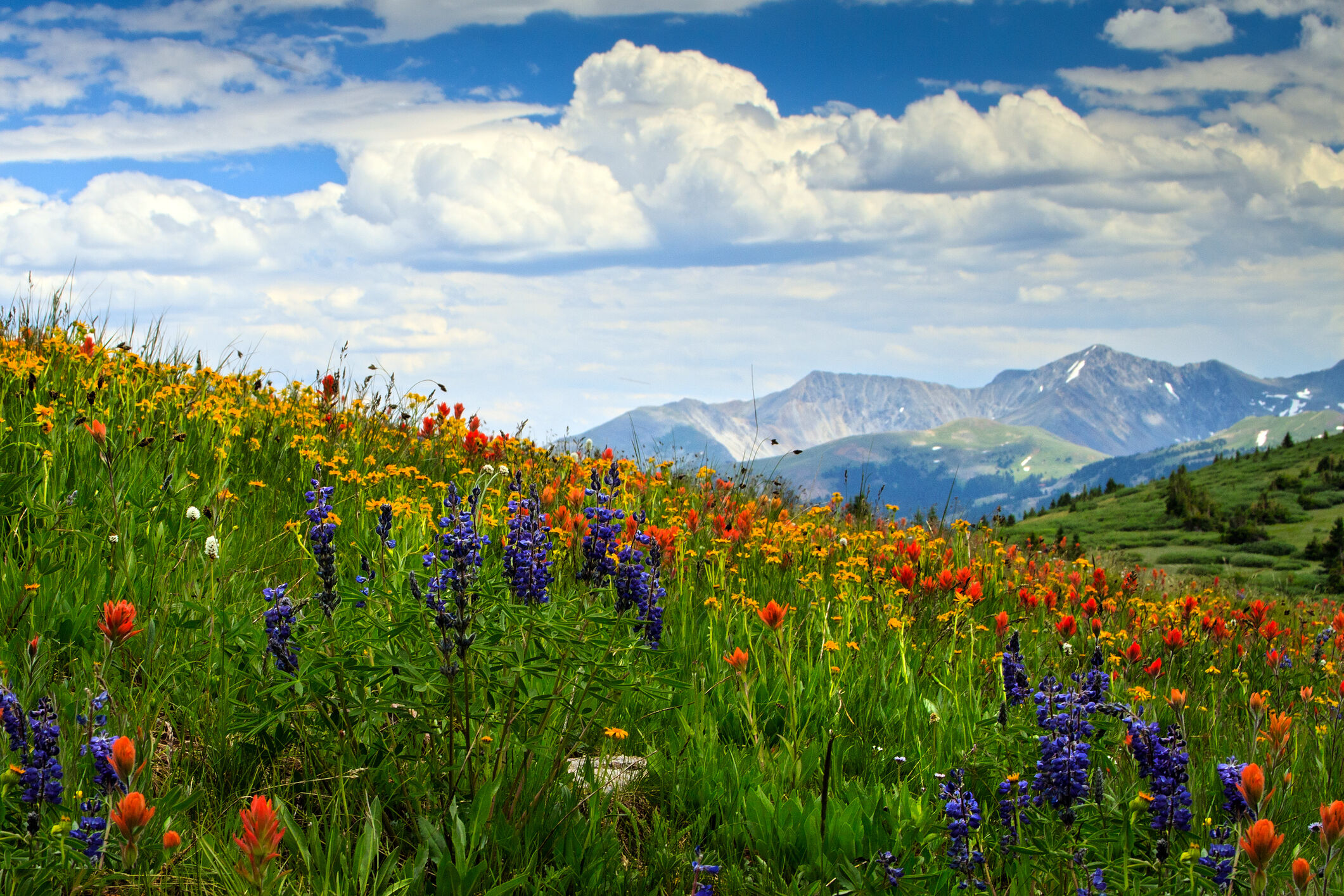
Colorado is known for a lot of things – mountains, fall colors, ski resorts –but one thing that should never be overlooked is the state’s many native wildflower species. Come summer, high-elevation terrain tends to be the best place to see the widest range of floral colors. While the Fourth of July tends to bring the biggest peak in the state’s mountainous terrain during the average year, that might not be the case in 2026.
The typical wildflower season in Colorado stretches from May to August, with flowers first appearing at lower elevations and then at higher elevations as snow melts away. That said, it’s no secret that drought in Colorado is severe and the lack of snowpack is unavoidable. Both of these realities will likely be major factors that impact the timing and scale of the state’s annual wildflower bloom.
Per the latest U.S. Drought Monitor report, 98 percent of the state is experiencing drought with much of the state’s mountainous terrain being hit the hardest. Meanwhile, statewide snowpack is at just 18 percent of the norm as of April 27 – on par with what’s seen around the start of June during a normal year.
As far as the drought goes, expect the wildflower show to be a little less spectacular this year. Flowers will likely show up in fewer numbers and will stick around for a shorter period of time. Drought is also something that can impact seed germination, which can harm reproduction for seasons to come depending on severity.
And then there’s the snowpack, or lack of it – while the start of July might typically be when wildflowers in the high country start to peak, a big part of this timing is related to when snowmelt occurs. As might be expected, the lack of snowpack – likely to leave the state mostly snow-free before June hits, will mean an earlier show.
During the normal year, snowpack drops off by about June 21 at the statewide level. This year, all models show snowpack being gone before the end of May, possibly around mid-month. This will likely push the peak for wildflower viewing up significantly, too.
This year is unprecedented in terms of the lack of snowpack, which makes timing a bit difficult to pin down. If the typical timing related to when mountain flowers peak after snowpack disappears continues, expect to see the best flowers in high-elevation terrain at some point in mid-June, maybe a little earlier. Expect flowers to appear at lower elevations before that, as well.
During the normal year, wildflowers aren’t hard to find in Colorado’s backcountry. That said, this is a year of drought and quick snowmelt. It’s hard to say what that ultimately means in terms of tracking down some of the state’s most popular species, but the best bet will be to hit the trail earlier in the season and to knock out some of those fourteener hikes in June.
STAY INFORMED: Get free Colorado news with our daily newsletter (Click here)
Get OutThere
Signup today for free and be the first to get notified on new updates.
PREV
PREVIOUS
Immobilized skier rescued from deep in rugged Colorado wilderness area
A backcountry skier was rescued from a Colorado wilderness area this weekend. According to the Gilpin County Sheriff’s Office, a 911 call was received at about 12:18 p.m. on April 25 related to a backcountry skier who had been injured and immobilized in the James Peak Wilderness Area. Search and rescue teams quickly deployed, with […]

Weekly Weather Outlook for Colorado: April 27 through May 3
This week will start out cool, with periodic showers and thunderstorms developing around the middle of the week. The weather will then start to dry and warm up towards the end of the week, with more sunshine and warmer temperatures heading into the weekend. Here’s a look at daily temperatures across Colorado this week, courtesy […]