







EDITORIAL: Next front in the war on cars? Colorado Blvd.
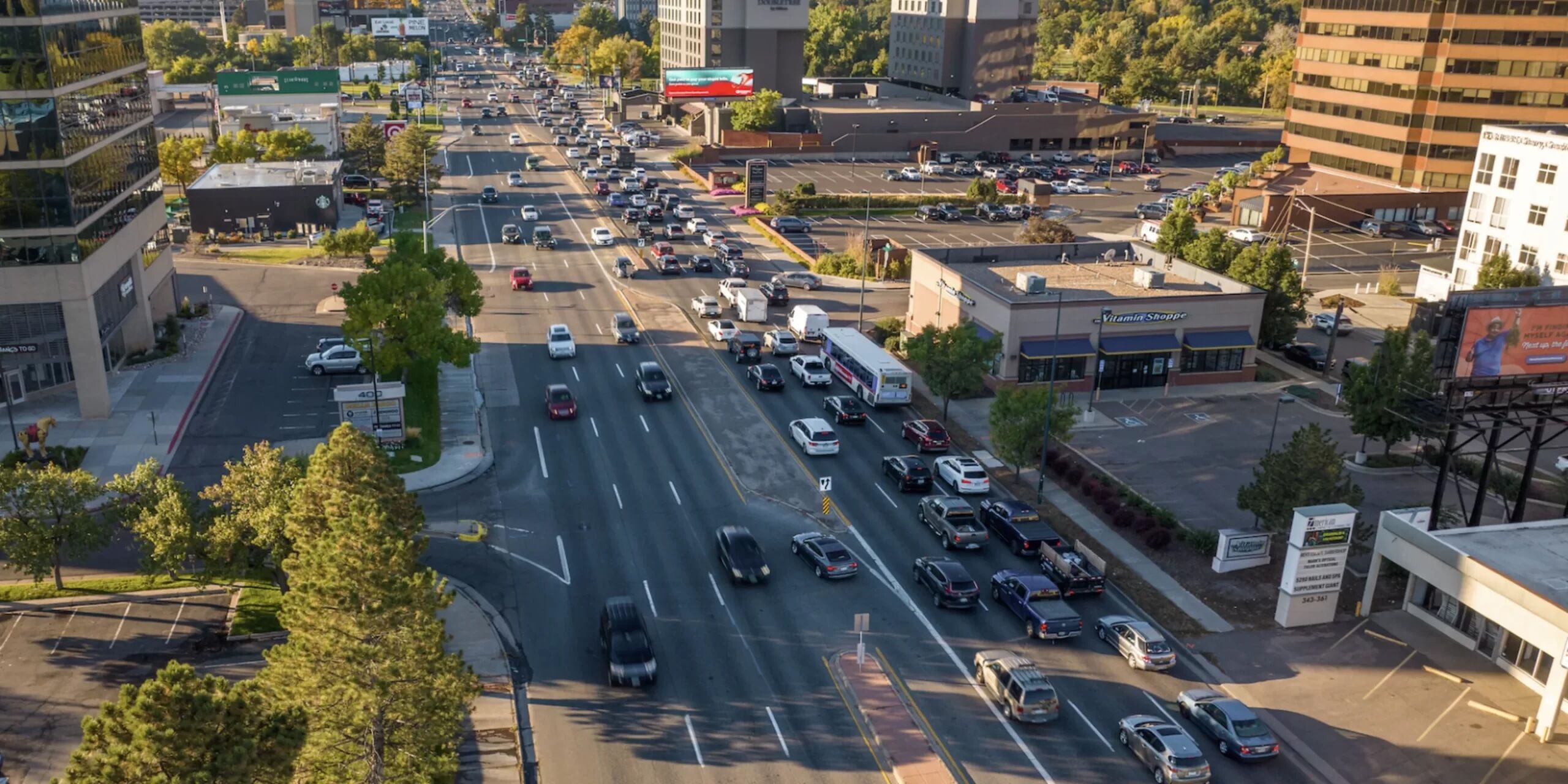
Colorado Boulevard is almost synonymous with traffic jams. If advocates succeed in putting the road on a diet, the major traffic artery will become curb-to-curb gridlock.
The Colorado Department of Transportation is eyeing a bus rapid transit project along the thoroughfare. It’s a model Denver’s own transportation department is pursuing in other parts of the city, and the Regional Transportation District began work on one such project this week along east Colfax extending into Aurora.
It’s all about making way for buses and bicycles — at the expense of the personal passenger vehicles almost all of us rely on daily. In other words, the project is another front in the war on cars.
Modeling for the Colfax project showed drivers on some trips could face several additional minutes of delay due to dedicated lanes.
CDOT held a second public meeting on Wednesday about possible “road dieting” along Colorado Boulevard. Road dieting is of course a cute way of saying they want to hijack traffic lanes for exclusive use by buses and/or bike/scooter lanes.
As The Denver Gazette reported, the bus rapid transit, or BRT, approach combines light rail features like dedicated lanes and signal priority with “the flexibility of buses to improve speed, reliability and safety.”
If you’re scratching your head wondering why the focus isn’t on steady traffic flow, reliability and safety for people in their cars — the vast majority of Coloradans seeking to get from point A to point B — you’re not alone.
Among the options being considered are side-running bus lanes, a hybrid with center-running lanes north of Alameda Avenue, and mixed-flow with no dedicated lanes.
Side-running bus lanes or a hybrid with center-running bus lanes means taking up precious road space from drivers already pressed on their way to work, events or home.
The inevitable result: traffic diverted onto nearby residential streets.
Colorado Boulevard is officially a state highway, which is why CDOT is responsible for the plan. The project is in its planning stages, and construction isn’t anticipated until 2030.
But whatever the state decides here will likely compound Denver’s own misguided priorities on city streets.
Colorado Boulevard is part of the “high-injury network” of several major roadways that account for 50% of Denver’s traffic deaths. It is certainly in dire need of improvements.
But is this the way to go about it?
Fundamentally, the project advances a transit agenda pushed by city and state officials who insist it will foster more transit ridership. Yet expanding bus lanes and light rail hasn’t produced the usage increases they already promised. Just the opposite, in fact.
For example, RTD’s share of Denver commuters plummeted from 4.8% before the pandemic to just 3% in 2025 while vehicle miles traveled went back to pre-pandemic levels.
It’s unrealistic to expect that transforming roadways with public transit will boost ridership — however much state or local government may wish it would.
Gov. Jared Polis, the legislature, Denver City Hall and other transportation policymakers are starving roads, highways and bridges of badly needed revenue. As a result, the resources for road improvements aren’t there because the money is steered toward mass transit.
As the nonpartisan Common Sense Institute found in its research last year, “Transportation fees are not going to roads” because “the statutes authorizing them have directed the bulk of the dollars collected toward environmental mitigation, mass transit, and demand-management efforts rather than roads, further exacerbating the state’s infrastructure problems.”
Looks like Colorado Boulevard will be another case in point.