







Hantavirus, Ebola and other pandemics yet to come | Pius Kamau
The first Colorado death from hantavirus since 2024 occurred in May 2026. It reminds us that we can never assume that viral, bacterial conditions only occur elsewhere, never in our or our neighbor’s homes. Because they will visit us when we least expect them it is imperative we are always on guard, prepared for what will be.
Saddened, fascinated, we watched as an outbreak of hantavirus infection unfolded over weeks on the Dutch flagged Hondius cruise ship as it sailed across the Atlantic Ocean. Three passengers died, and several others fell severely ill, and had to be evacuated to hospitals after the ship docked in Spain’s Canary Islands.
And somehow a drama unfolding so far away is replicated in our imaginations as we consider Gene Hackman’s wife’s death from hantavirus pulmonary syndrome. The couple’s tragic story was confounding, as death alone without help always is. At 95, Gene Hackman had Alzheimer’s and cardiac disease which killed him a few days after Betsy Arakawa, his 65-year-old wife and caretaker, died.
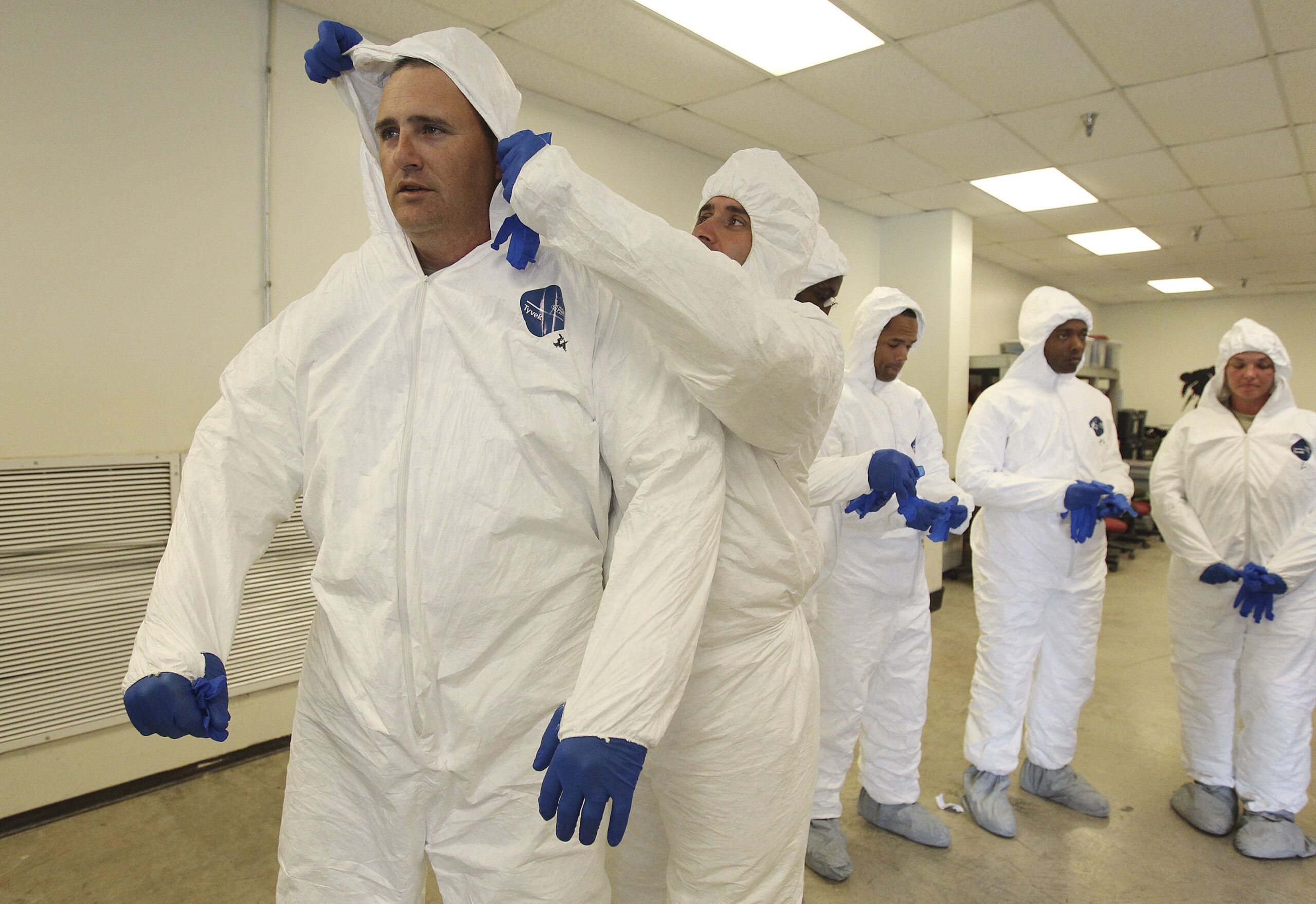
Hantavirus stories seem to have suddenly surfaced pointing to the reality of our times: viral infections, animal vectors and disease transmission are here to stay. In the hantavirus illness, the condition is primarily spread through contact with infected rodents: rats’, mice’s urine, droppings and saliva. The illness manifest as HPS and HFRS: hantavirus pulmonary syndrome and hemorrhagic fever with renal syndrome. With involvement of kidneys, heart and lungs, the disease becomes deadly.
According to the WHO, the cruise ship hantavirus infection was of a rare type — Andes virus — that’s responsible for the rare person-to-person spread. Much of the information about world hantavirus disease is coordinated and reported by the World Health Organization. It’s been helping in surveillance, technical guidance, coordination and outbreak support, training and capacity building. And information sharing.
WHO is involved in the current Bundibugyo ebolavirus outbreak and has no vaccine in East Congo. It’s rapidly spreading across Central Africa; WHO has declared it a public health emergency of international concern.
In previous outbreaks of ebola infection, our CDC and USAID played a pivotal role: providing support to local workers; isolation, protective equipment, transportation of therapeutics, and a large number of other assistance modalities. CDC with its virologists and infectious disease specialists developed outstanding ways of saving lives since its inception in 1946. USAID’s work in similar crises was priceless.
Unfortunately, since its demise, it’s been replaced by a yawning chasm. CDC’s staff — doctors, researchers, laboratory workers — were either fired, or they retired. The agency that once confidently hummed with a rich culture of knowledge and developing therapies, is an orphan of what it once was. It is painful to see such knowledge, such intellectual, scientific tradition uprooted for no good reason. Its replacement, a dark belief that America can stand alone.
Any thinking person will tell you that there’s no way to hermetically seal North America to isolate the U.S. from viral, bacterial ailments that affect the rest of the world. Alas, air pollution and ocean currents make ours an earth of shared air and ocean currents. I am confident that the majority of voters who voted for President Trump didn’t suspect he would remove America from the WHO again. Our past COVID pandemic should have served as a lesson for humanity — that that which ails Asia will most probably affect America. America First is a failing governance philosophy.
Shuttering of USAID and CDC was meant to demonstrate Trump’s power; to much of the world it pointed to his non-appreciation of America’s genuine soft power across the globe. “Politics without principle; knowledge without character and science without humanity,” is Gandhi’s pronouncement that I think describes Trump’s politics.
Among the developed nations of the world, none could match what the U.S. did through USAID. The nutrition, HIV therapy, disaster assistance, education and a plethora of other humane activities were without parallel. All that was extinguished with nary a thought by Musk’s DOGE.
Congo’s ailment right now is ebola. Right now, no one can divine the extent of its spread. We must be wary of future epidemics. Will the remnant of the CDC and secretary Kennedy’s anti-vax HHS be capable to rationally hold viral and bacterial onslaught at bay? Each individual American has an obligation: know the current administration’s limitations and protect each other.
Among American states we are fortunate; our state health authorities are aware of monumental federal shortcomings, serving to bolster local care and preparedness.
Pius Kamau, M.D., a retired general surgeon, is president of the Aurora-based Africa America Higher Education Partnerships; co-founder of the Africa Enterprise Group and an activist for minority students’ STEM education. He is a National Public Radio commentator, a Huffington Post blogger, a past columnist for Denver dailies and is featured on the podcast, “Never Again.”