







Aurora council votes to require periodic detention center inspections
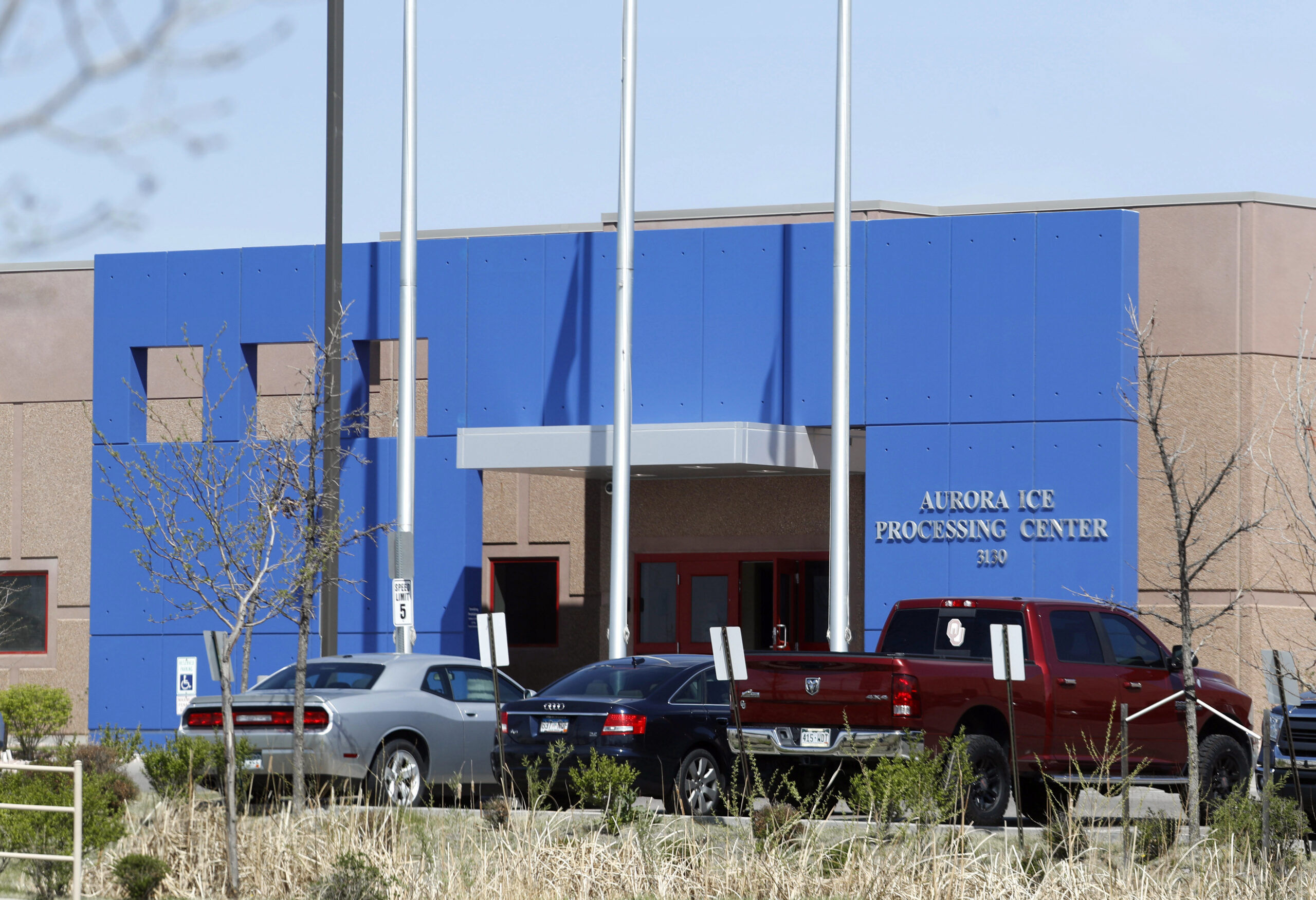
Aurora lawmakers moved forward with ordinances Monday requiring periodic inspections of and more regulated disease reporting from detention facilities in the city, notable the GEO Immigration and Customs Enforcement facility.
Both ordinances, sponsored by Councilmember Gianina Horton, passed Monday with three “no” votes from councilmembers Francoise Bergan, Angela Lawson and Stephanie Hancock.
The first of two requires periodic inspections of detention facilities. Inspections can be random and unannounced, the code language reads, and will include sanitation, lighting, noise and temperature.
“It has been brought to our attention numerous times … the GEO detention center continues to violate the conditions which those detained in the facility deserve,” Horton said Monday. “One of their core values is to maintain quality facilities and we’re just making sure as a municipality that we’re helping them do that.”
The second ordinance changes the city code to require all detention facilities to report health hazards to the local government. Whether the new mandate can be enforced remains unclear.
It also requires the city to request health and safety information from detention facilities monthly, and mandates facilities to grant police and fire personnel access to respond to calls for service and local criminal investigations.
The ordinance allows the city to take legal action against companies like GEO if city officials are not given the information or access.
Aurora has an existing ordinance requiring GEO and other detention facilities to report disease outbreaks to Aurora Fire Rescue to keep first responders safe. The additions clarify what information needs to be reported and the frequency of reports. The changes also outline a penalty for noncompliance.
Because the GEO’s ICE facility is a federal facility run by an independent contractor, it is unclear if the city will be able to legally enforce the new rules in court, City Attorney Pete Schulte said at a previous meeting.
However, Schulte said, it puts on paper what the city’s expectations are and gives GEO the opportunity to voluntarily comply with those rules.
“Until we’re not provided access, then we can regroup to see where we are and what the legalities are,” he said.
With the new language in place, the city can file a criminal charge against GEO. If that were to happen, there would likely be an argument about federal preemption, “but that’s not something we could currently do without this ordinance change,” Schulte said.
Horton, the Aurora councilmember, said the changes in her city were initiated by reports from organizations claiming potential health issues within the GEO facility that the latter did not report to the city.
A report released in March by a coalition of nonprofit organizations around the metro Denver area claimed a variety of inadequate living conditions and medical concerns at the GEO facility.
A U.S. Department of Homeland Security spokesperson called the claims of poor conditions “false,” saying all detainees are provided proper meals, medical treatment, hygiene products and opportunities to communicate with lawyers and family members.
The report was put together by Housekeys Action Network Denver, Casa de Paz, American Friends Service Committee and Aurora Unidos CSO.
The groups said they gathered complaint forms between September and February and conducted interviews with people formerly or currently detained in the facility. Top claims included poor or no treatment for medical conditions, insufficient nutrition, poor sleeping conditions and inhumane treatment.
The two ordinances will go to a final vote in the next regular council meeting.