




Hiker dead after experiencing heat-related symptoms in American canyon
Come summer in the American West, heat can be deadly. A recent case out of Grand Canyon National Park puts this risk on display, and while this situation didn’t unfold in Colorado, it highlights a hazard that Centennial State hikers will need to keep top of mind – especially in parts of the Eastern Plains region and Western Slope where lower-elevation temperatures have no problem climbing into the triple-digits amid a lack of shade and where terrain tends to be a bit less-trafficked and more remote.
Here’s a breakdown of what happened in the Grand Canyon, but keep scrolling for some important heat-related safety tips:
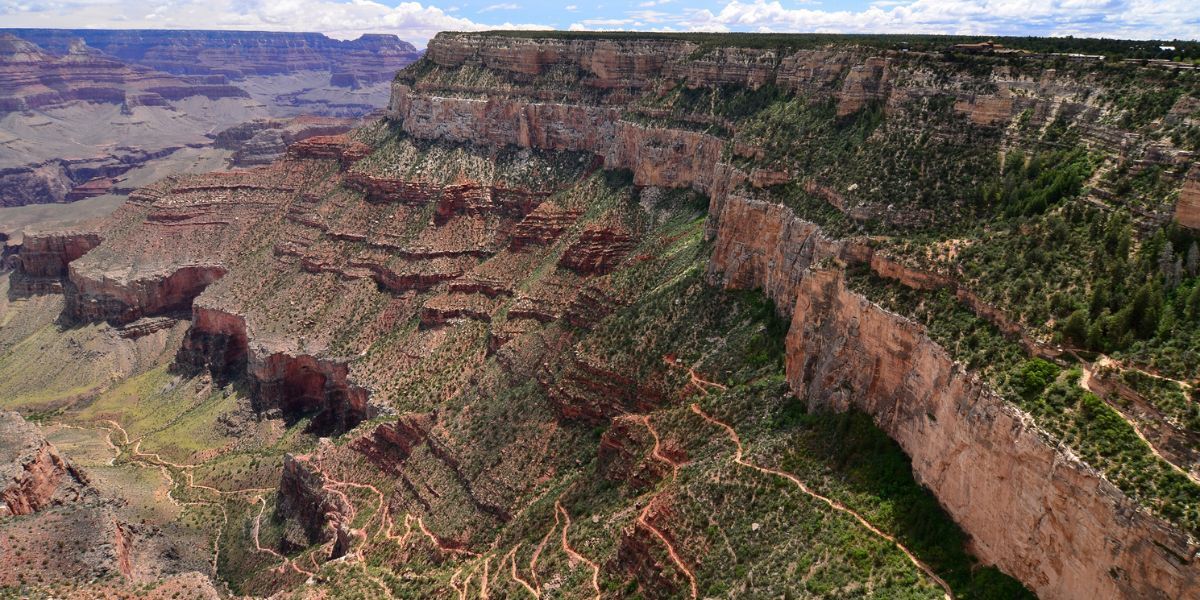
On June 3, at about 1:40 p.m., a rapid rescue response took place at Grand Canyon National Park after a call for help was received related to an 18-year-old male who was experiencing what were described as “heat-related symptoms.” The male was on a day-hike from the South Rim down to the Colorado River and back via the Bright Angel Trail. This trail is the park’s most popular hiking trail that travels into the Grand Canyon, known for its many switchbacks. Per AllTrails, reaching the Colorado River via the trail and returning back to the top of the canyon rim means about 16.4 miles of travel and an elevation gain of about 4,501 feet.
Per the initial call for help, the hiker in distress was located below the Havasupai Gardens area of the trail, which is about 4.5 miles down from the rim. He was ultimately found about 30 feet below the trail in a remote area near Garden Creek.
It’s important to note that while temperatures on the South Rim can be more moderate – around 80 degrees on the day of this incident – temperatures in the canyon itself can be significantly warmer amid a rapid elevation loss. During the period around June 3, the floor of the canyon was reportedly hitting temperatures around 100 degrees.
While a rapid response took place in save the hiker, along with a coordinated helicopter rescue operation, the male did not survive the incident. Condolences go out to those impacted by this hiker’s death.
Given that heat will undoubtedly pose a potentially deadly hazard to many hikers around the American West over coming months, including those in Colorado, it’s important to know how to mitigate this risk as best you can.
For starters, hydration is absolutely key – but not just water, you’ll need to replenish electrolytes, too (this writer’s favorite options come from the Tailwind Nutrition product line, with Nuun tablets being another great option for when you’re not looking for the calorie-boost that many Tailwind products provide). Stay hydrated in days leading up to a hike, drink water before your hike, and don’t forget to drink water while you’re hiking, too. Two key rules related to water consumption and water management include bringing about a liter of water per hiking hour and to turnaround once you’ve consumed half of your supply. It can also help to set a timer on your phone to remind yourself to take a drink every 20 to 30 minutes.
Another key safety consideration is related to what you wear. Think lightweight, but also protect yourself from the sun. Sun hoodies are a great option – it may sound odd to hike in sleeves on a hot day, but when its a layer that’s made for the heat, it can help to protect the skin. Avoiding cotton can also be important. Don’t forget a wide-brimmed hat, sunglasses, and sunblock, too.
A third thing to keep in mind is the timing of when you’ll be on the trail. Start early and plan to be back to the car early, avoiding the hottest times of the day. Assume you’ll be on the trail a bit longer than you’re planning for, too, as this can help provide a better buffer for getting back to the trailhead before warmer day-time temps appear. It can also be important to have a goal for where you want to be at what time. This can help when it comes to pacing – if you’re not at ‘x’ point by a certain time, have a plan to turn back so that you’re not getting stuck out in the extreme heat.
A fourth strategy for heat management involves having cold items with you. One strategy some hikers use involves freezing some of their water supply so that its melted and still cold when its ready to be consumed. This same water can be put on a neck gaiter, hat, or your hair to help you cool down, too.
Limiting excess gear is also important for managing pack weight. Bring the 10 essentials including plenty of water, but start to be picky after that. Extra weight means a more strenuous hike and once you’re tired or feeling a little dehydrated, that weight can really start to slow you down.
Be aware of how terrain can impact temperature. Is the hike shaded? Is it out in the sun? Or in the case of the Grand Canyon, will a rapid elevation loss mean that temperatures climb fast? Taking these factors into consideration can help you better set expectations. As it relates to Colorado, keep in mind that your return trip from a summit will likely mean climbing temperatures as you get closer to the trailhead.
And finally, don’t keep pushing if you’re feeling off. Your body will probably let you know if you’re struggling due to the heat – listen to it! Slow down, take a break in the shade, drink water, and call emergency services if need be – don’t hesitate, as heat-related symptoms tend to quickly get worse if there’s no solution to implement (and remember, you might need a satellite communication device to do so given the potential lack of cell phone connection).
STAY INFORMED: Get free Colorado news with our daily newsletter (Click here)
Get OutThere
Signup today for free and be the first to get notified on new updates.
PREV
PREVIOUS
5 deaths in 8 days: Park ranger dead after falling into crevasse on America's tallest peak
Colorado has some massive mountains, but none that match the scale of Alaska’s 20,310-foot Mount McKinley, found at Denali National Park and Preserve. With its size, scaling the North America’s highest peak poses an entirely different range of risks and hazards compared to peaks that top out about 6,000 feet closer to sea level in […]
Damage from severe storm results in significant road closures at popular Colorado park
Access into a hugely popular recreation spot in Colorado Springs has been largely cut off after severe Saturday storms resulted in wide-ranging impacts. According to Colorado Springs Parks, Recreation, & Culture Services, both North Cheyenne Canyon Road and Gold Camp Road have been closed in North Cheyenne Cañon Park. Images show major road washout and […]