




CPW stocks 18,000 members of state-endangered ‘canary in a coal mine’ fish species
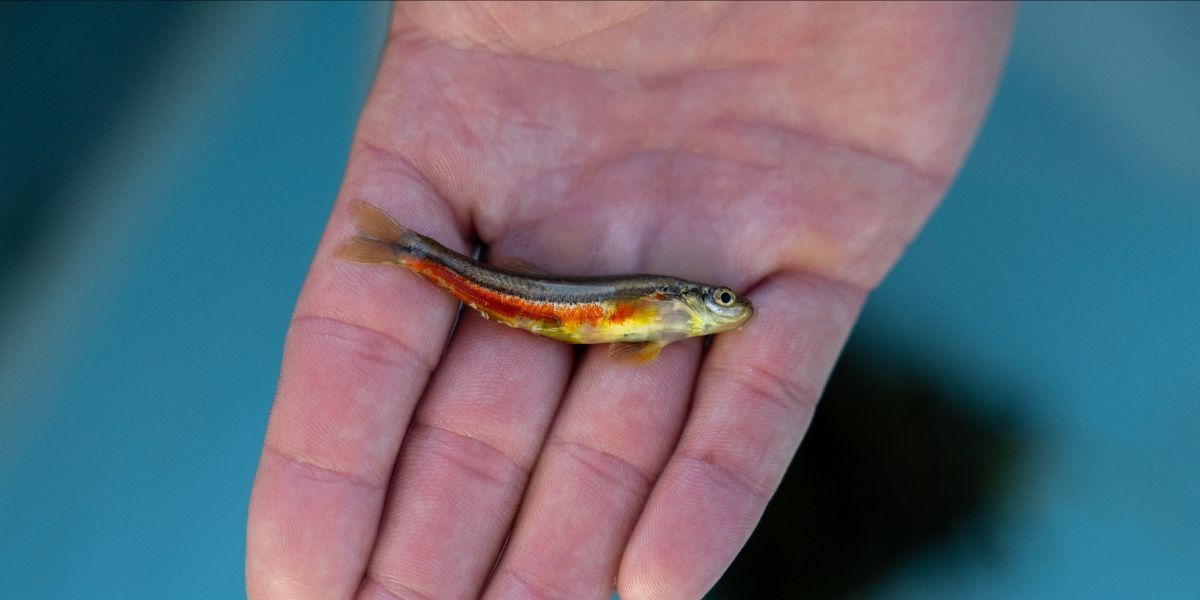
Colorado Parks and Wildlife has stocked a tiny, but important fish on USDA Forest Service land for the first time.
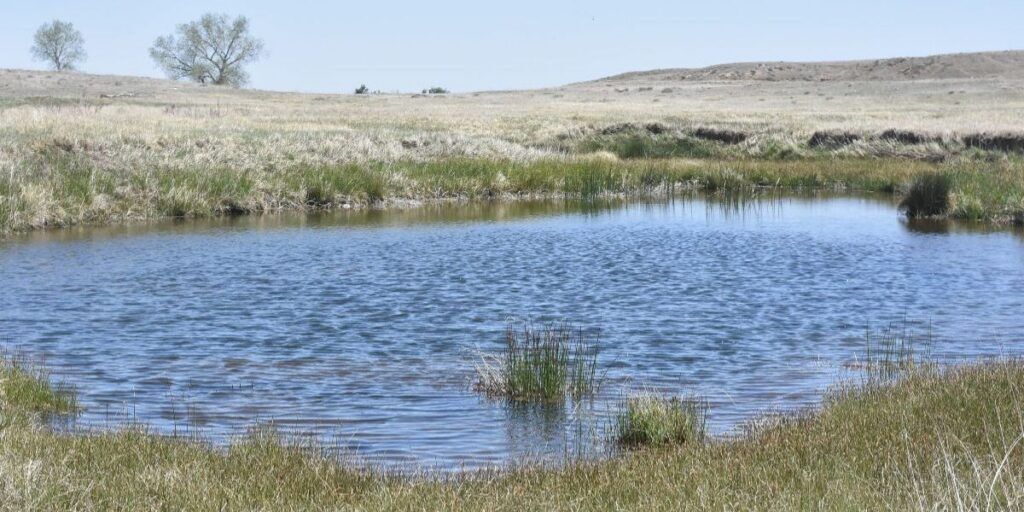
According to a June 9 press release, CPW aquatic biologists and USDA Forest Service rangers and biologists put more than 18,000 northern redbelly dace into a small groundwater-fed creek on Pawnee National Grassland last month. Not only was the first time the state-endangered fish species had been stocked on Forest Service land in Colorado, but it was the first time the species had been stocked on any federal land nationwide in two decades.
Considered to be state-endangered ‘Tier 1,’ the northern redbelly dace is designated to be at the highest level in terms of conservation need. Colorado is home to only approximately six self-sustaining populations of the species, all located in the South Platte River Basin. Wildlife officials describe the species as a sort of ‘canary in a coal mine,’ with a population’s welfare serving as an indicator for when an aquatic environment is becoming unstable. If the northern redbelly dace disappear, something is wrong.
In order to form a sustainable population, the species requires cool, vegetated, slow-moving perennial water in ponds and streams that are absent of non-native predatory fish and pollution. Because of how fragile a population can be when a habitat doesn’t meet those requirements, it’s rare to find a site where stocking would be feasible.
Only about two to three inches in length, the northern redbelly dace is classified as a true minnow, named for a red stripe that forms on the stomach of male fish during breeding season. While the species is widely found in the United States and Canada, that’s not the case in Colorado with the local population having been decimated by non-native species since the 1950s. Of the six known populations in Colorado, a single population is indigenous. The other five self-sustaining populations were stocked from this indigenous West Plum Creek drainage population – the result of 30 attempts.
The fish involved in the recent stocking were spawned and raised at the Native Aquatic Species Restoration Facility, which is located in Alamosa and rears 12 fish species with a focus on those that are considered at-risk.
“A cornerstone goal of CPW’s native aquatics team is to maintain biodiversity within our state,” said Matt Haworth, CPW Platte River Basin Native Aquatic Species Biologist. “By proactively restoring northern redbelly dace to more locations on the landscape, we are building species resiliency with a long-term target of successful reproduction in the wild that would no longer need the support of stocking.”
STAY INFORMED: Get free Colorado news with our daily newsletter (Click here)
Get OutThere
Signup today for free and be the first to get notified on new updates.
PREV
PREVIOUS
Trailhead parking will soon require $30-plus reservation for popular 14er hike
Come Saturday, June 13, a reservation will be required to park at the trailhead for the Quandary Peak East Ridge route in Summit County. The trailhead also serves the popular McCullough Gulch area, as well. With the policy set to be in place through September 13, it’s recommended that those wanting to park at the […]

Coloradans have 5th-highest interest in cocktails across U.S. – here are 6 great cocktail bars to visit
Colorado recently ranked as the fifth-highest state in the country when it comes to who loves cocktails the most, according to a study from Ace.com. According to the study, Colorado has 3,607 searches per 100,000 residents and 212,029 total monthly searches across the state’s population of 5,877,610. The Old Fashioned leads in terms of drink […]