


Outbreak of flesh-eating ‘New World Screwworm’ prompts emergency rule in Colorado
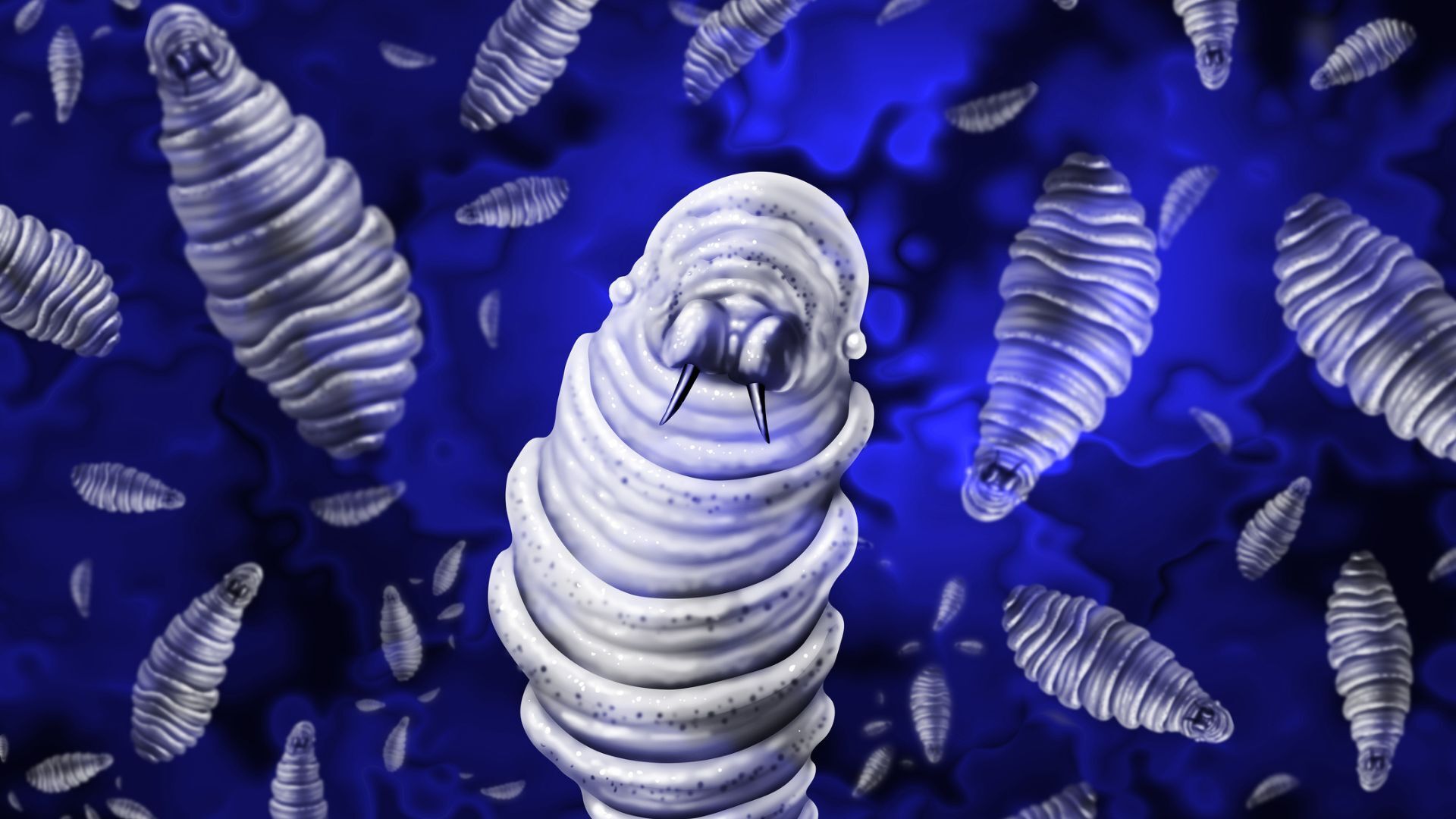
“If you see or feel maggots in or on a wound or other area of your body, contact your healthcare provider immediately,” reads the CDC website related to a flesh-eating parasite that’s been confirmed to be in Texas and New Mexico after decades of eradication. Yikes.
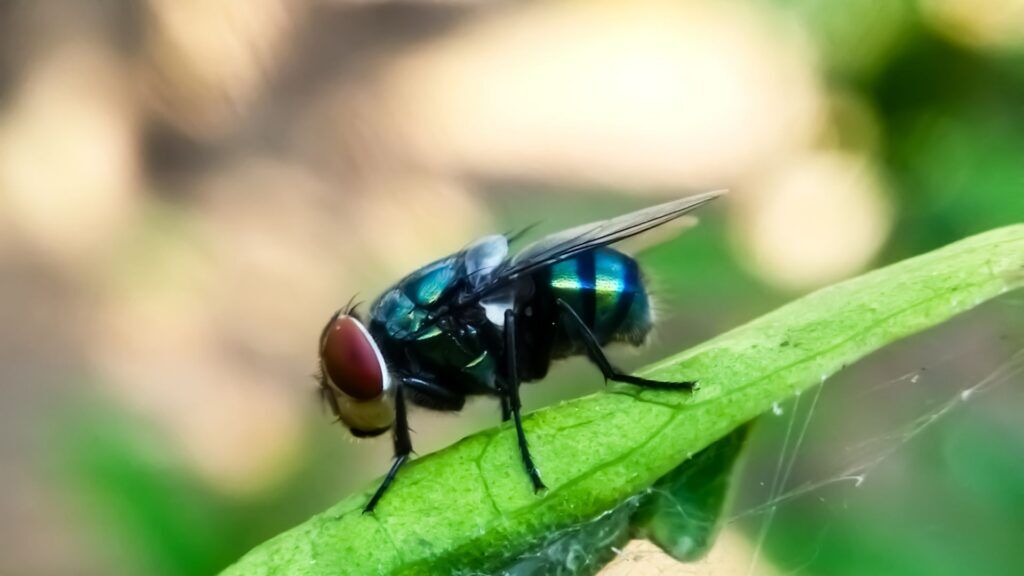
A new fear has been unlocked for many with the spread of the New World Screwworm, and while it’s mostly warm-blooded livestock, pets, and wildlife that’s at risk, this parasitic fly is occasionally a threat to humans, too.
On June 10, the Colorado Department of Agriculture implemented an emergency rule to help control the spread of the species following its detection in nearby states. The rule involves “proactive animal inspection requirements,” and it applies to livestock, as well as pets.
“Vigilance in monitoring for myiasis is critical, and early detection is key,” reads a press release about the emergency rule. “A [New World Screwworm] infestation can be treated, but early detection is important to ensure animals can recover. The New World Screwworm does not pose a food safety risk, and the US food supply continues to be safe.”
Per the new rule, no animal with New World Screwworm myiasis can enter Colorado with movement protocols being put in place for any warm-blooded animal, as well.
The emergency rule includes the following restrictions on all warm-blooded animals coming to Colorado from infested zones, with additional requirements for pet dogs and cats:
- Animals from an Infested Zone must enter Colorado only with approval and a Certificate for Movement from the state animal health official in the state of origin.
- Movement certificates must be submitted with a Certificate of Veterinary Inspection (CVI).
- Animals must be inspected by an authorized veterinarian/official within 5 days prior to movement.
- Animals with open wounds (without myiasis) must be treated with an authorized product within 14 days prior to movement (slaughter-bound animals are exempt from treatment but must be slaughtered within 72 hours).
- An entry permit must be requested from the Colorado State Veterinarian’s Office at 303-869-9130 within 48 hours of movement.
- Upon arrival in Colorado, animals must be inspected by an authorized veterinarian or official.
- Standard interstate movement requirements (as listed through CDA’s Animal Import Tool) must still be met.
As far as dogs and cats go, additional inspection protocols must be conducted within five days prior to their entry into Colorado if coming from a state with active New World Screwworm infected zones.
“Owners and facilities must ensure companion animals are examined for any signs of the screwworm, particularly open wounds, which must be treated according to authorized guidelines before movement,” reads the press release. “This preventative measure is essential to curbing the potential spread of this pest among household pets.”
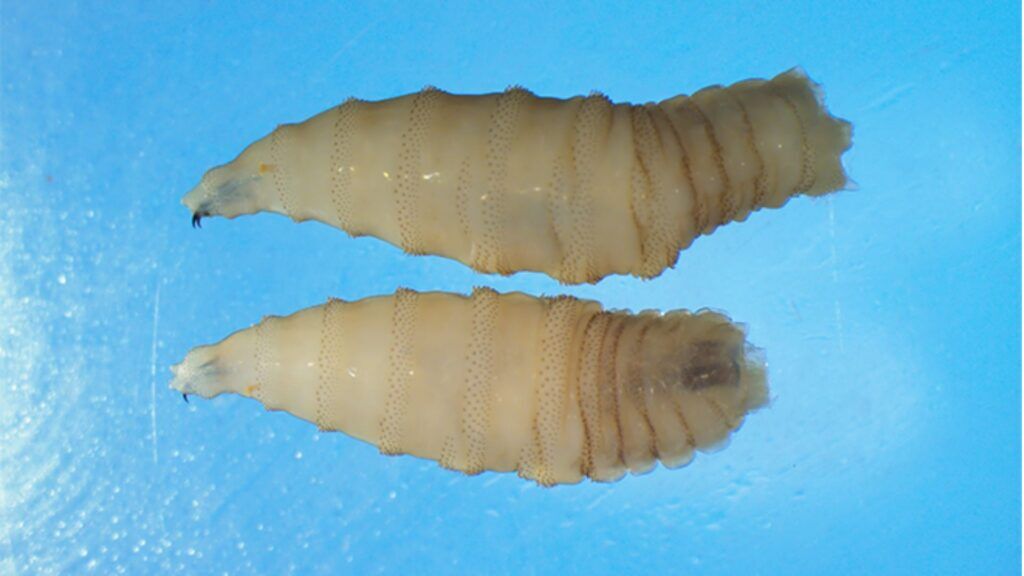
Per the CDC, New World Screwworm infestations start when a female fly lays eggs on an open wound or on other parts of the body, with the smell of a wound or body opening often being what attracts the mother fly. Even small wounds – the size of a tick bite, according to the CDC – can attract a fly in search of a place to lay eggs, with about 200 to 300 eggs laid at a time and up to 3,000 eggs laid during a 10-to-30 day lifespan. After these eggs hatch, maggots burrow into the wound to feed on flesh for about seven days before dropping off the body, burying into the soil, and later emerging as an adult.
New World Screwworm infestations can be deadly if left untreated, with initial symptoms in humans including feeling maggots move or seeing maggots within a skin wound or sore or in the eyes, ears, nose, and mouth, painful skin wounds or sores that worsen within a few days, a foul-smelling odor from the site of the infestation, and bleeding from open sores. Aside from tissue destruction, another key concern with infestation is secondary infection.
Risk factors include spending time around flies, spending time outdoors, having open wounds, and having a medical condition that causes bleeding or open sores. Key strategies for preventing an infestation include keeping wounds covered, sleeping indoors with windows closed or screened, utilizing a bed net or screened tent when sleeping outside, keeping skin covered with clothing, and utilizing EPA-registered insect repellent.
Anyone who becomes infested will need to contact their healthcare provider immediately for removal, sometimes via surgery. Do not attempt to remove maggots or egg masses by yourself. If maggots or eggs fall out of a wound, put them in a leak-proof container with rubbing alcohol to kill them. Never throw live maggots into the trash or outside, as this can help the species spread.
New World Screwworms were initially eradicated from the United States in 1966, though infestations have occasionally remerged. The most recent outbreak occurred between 2016 and 2017 in Florida, according to The Hill, though the government was successful in re-eradicating after that instance.
Currently, no cases of New World Screwworm infestations have been detected in Colorado, though Colorado does reportedly have a suitable environment.
The CDC has also activated an emergency response, which includes closely monitoring livestock and dispersing sterile flies to control screwworm spread.
Read more about the New World Screwworm here.
STAY INFORMED: Get free Colorado news with our daily newsletter (Click here)
Get OutThere
Signup today for free and be the first to get notified on new updates.