




Study utilizing Strava data indicates “human tolerance in mountain lions is not synonymous with conflict”
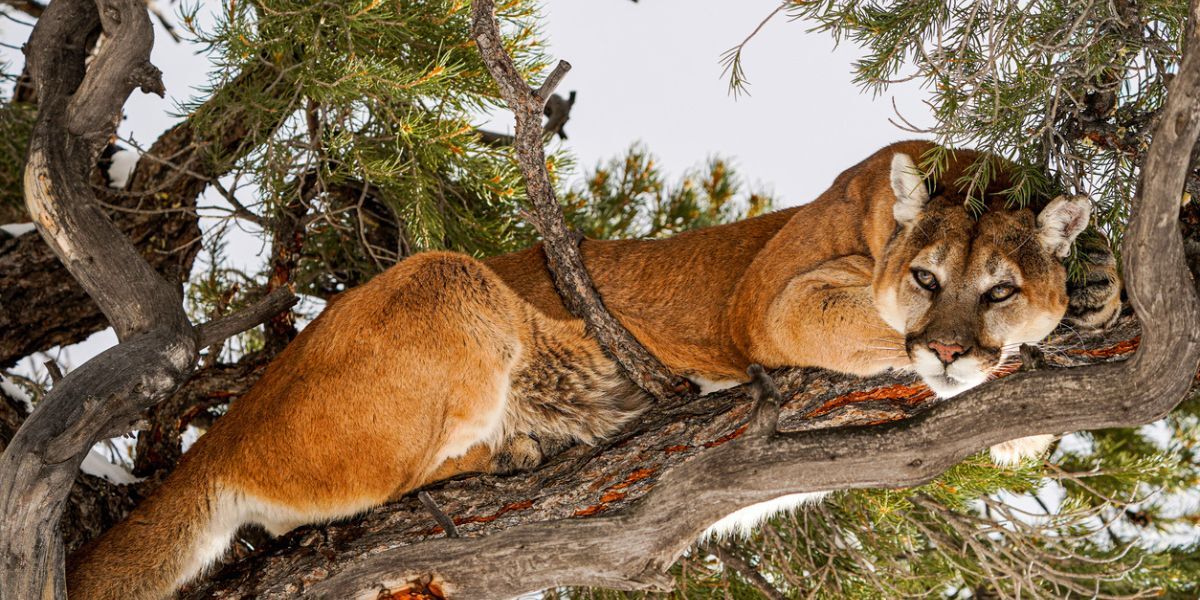
A study published on June 16 in a journal called Current Biology provides some interesting insight related to how mountain lions react to outdoor recreation being present in a space. This study is particularly relevant as it looks into how the presence of mountain lions among people relates to the likelihood of human-wildlife conflicts, with one local example being how a woman was killed by a mountain lion in Larimer County on New Year’s Day.
Obviously, the mountain lions were here first – but in recent decades, development in natural spaces for the sake of outdoor recreation has exploded across the United States. Infrastructure for human use of long-rugged areas is constantly being expanded and with this growth, more people are hitting the trails. This begs an important question – how does wildlife react?
This question may be especially important to consider when it comes to apex predators. After all, predators like grizzly bears, mountain lions, and alligators may pose a safety threat to humans entering a place their species has long called home. While these predator species may react to human presence differently, the study from John J. Morgan et al. titled ‘Habitat selection and outdoor recreation help explain human-mountain lion conflict‘ provides a look at how cougars may alter their behavior when recreationalists are present, utilizing six years of GPS data from 36 free-ranging mountain lions in California’s Santa Cruz Mountains, 678 human-cougar incidents (sightings, attacks on pets or livestock, aggressive or unusual behavior, and rare attacks) and activity logs from Strava, which is an app runners and bikers use to track their routes and performance.
The study had three key findings:
- Mountain lions were shown to avoid outdoor recreation, reacting the strongest when long-term average human use increases. Mountain lions responded the most strongly to human presence when humans were within 30 meters, with their level of their avoidance seeming to correlate with times that trails are being used the most.
- While mountain lions avoid outdoor recreation, the species was shown to progressively increase their tolerance of humans, maximizing their functional territory over time. Mountain lions most exposed to human presence grew more relaxed in their avoidance behavior over time.
- Conflicts between human and mountain lions tend to occur in areas that are generally avoided by the mountain lion species, with the regular presence of mountain lions in an area not necessarily being linked to an increasing likelihood of human-wildlife conflict. More human-tolerant cougars were “not more likely to be responsible for conflict, at least when it [came] to their habitat selection.”
There were also a few important takeaways:
- Findings of the study suggest that multi-use spaces might not provide high-quality habitats for mountain lions, thus when aiming for effective conservation, recreation-free areas need to be maintained that can provide mountain lions habitat without any human disturbance.
- Mountain lions seem to react predictively to human presence, thus having nighttime trail closures or camping bans may allow for a better chance of coexistence, as the species may be able to learn this consistent pattern and utilize spaces with daytime outdoor recreation accordingly.
- Mountain lions seem to grow more relaxed around human exposure over time. While this may increase risk of conflict, this still seems to be up for debate depending on what research is being considered. Some research shows that when an older more habituated mountain lion is lethally removed from an area, a younger, less-predictable and non-habituated cat may move into the territory with “an increasing body of research [suggesting] that younger, less-experienced animals not yet habituated to people may be the portions of carnivore populations most prone to conflict with people.”
- Mountain lion tolerance for humans did not consistently explain human-wildlife conflict incidents near trails, with this better explained “by a combination of population-level mountain lion space use and concentrated human presence.”
- Recreation intensity alone had the largest effect on odds of human conflict.
“Our results do suggest that relaxed human avoidance is typical of mountain lions exposed to high levels of human activity, and that such behavior alone is not cause for concern when it comes to mitigating the risk of conflict,” reads the conclusion of the research paper. “We conclude that human tolerance in mountain lions is not synonymous with conflict, and that when coupled with proactive avoidance strategies, tolerance may prove important to long-term coexistence between humans and mountain lions in increasingly human-dominated landscapes.”
“We are excited to be a part of this much-needed study that researches how preserve users and mountain lions share space in the Santa Cruz Mountains,” said Matthew Sharp Chaney, a wildlife biologist with Midpen and a coauthor on the study. “We are lucky in this region for our community to have access to biodiverse landscapes, and studies like this help us make science-based land management decisions that will preserve and protect the wildlife and people that love these open spaces for decades to come.”
Find the full report, titled ‘Habitat selection and outdoor recreation help explain human-mountain lion conflict,’ here.
STAY INFORMED: Get free Colorado news with our daily newsletter (Click here)
Get OutThere
Signup today for free and be the first to get notified on new updates.
PREV
PREVIOUS
Rugged scenic pass that hits 13,114-feet in southwest Colorado closed "until further notice" after crash
According to a 9:50 a.m. June 18 report from the San Miguel County Sheriff’s Office, the stunning Imogene Pass is closed from the Telluride side “until further notice” following a vehicular crash – that said, the route had not yet opened for the season from this San Miguel County side, but that didn’t stop the […]

Several popular campgrounds won't have water for guests amid dry summer in Colorado
Heads up – while your favorite Colorado campground might typically have water available, that might not be the case this summer. Another week has passed and for the second week in a row, drought severity has ticked upward in the Centennial State. After a few weeks of relief amid a wet start to spring, the […]