




Latest drought impacts at Colorado’s state parks include key water source running dry, major boating impacts
With roughly 98 percent of Colorado currently experiencing drought, additional related outdoor recreation impacts have been announced.
According to Colorado Parks and Wildlife, extreme drought conditions are set to limit recreation at Slyvan Lake and Rifle Gap state parks, respectively near the towns of Eagle and Rifle. Dryness in this part of the state has prompted emergency water conservation tactics and resulted in early-season boating restrictions.
At Slyvan Lake State Park, key concerns are centered around a well that’s gone completely dry after being a reliable water source for 25 years. With Zurcher Spring going dry and showing no signs of recovery for the time being, officials have transitioned to utilizing Cowboy Springs for water, which is typically reserved for winter use. Adding to the issue is that this secondary spring only produced 2,000 gallons of water a day, which is below the park’s need of 2,500 to 3,000 gallons.
Park staff at Slyvan Lake have been forced to adjust operations accordingly, shutting off all 17 public water spigots found around the park with the goal of keeping the shower building at the main campground operational. It’s also worth noting that there’s still water available, with the park allowing guests to fill containers and tanks at the visitor center. This is possible as the visitor center utilizes a separate well system.
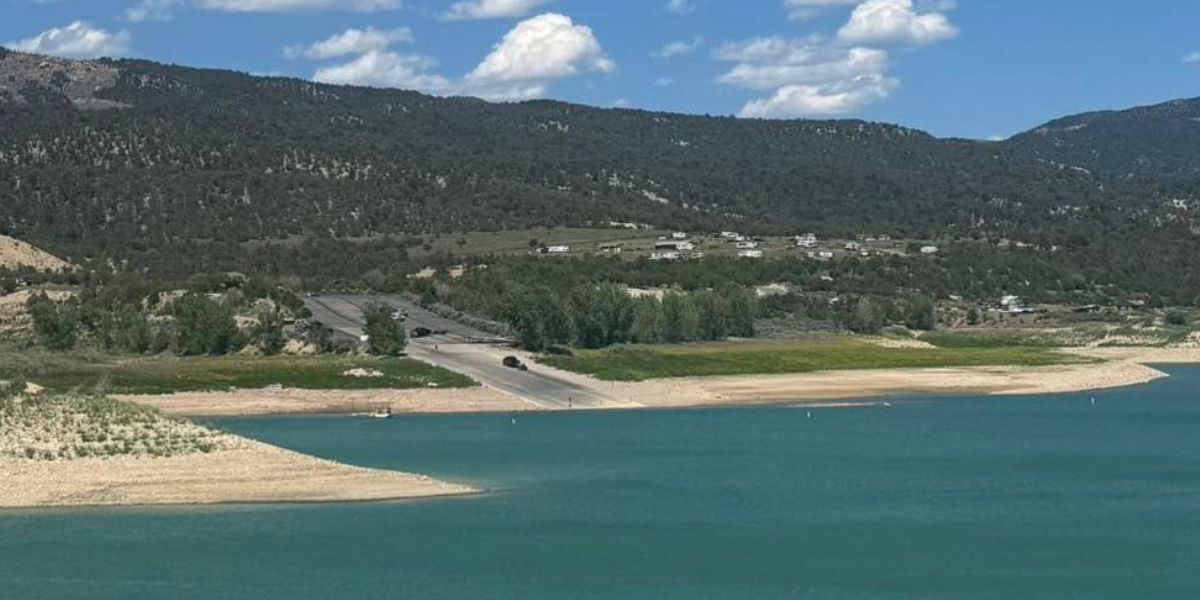
Meanwhile, at Rifle Gap State Park, boating operations are being most impacted. Low water has forced the reduction of the motorized boat ramp to a single lane with all courtesy docks removed from the water. This may mean delays in launching watercraft.
Additionally, the low water means more unmarked hazards may be encountered. Boaters have been instructed to slow down and exercise extreme caution.
Also concerning is that the water at Rifle Gap State Park continues to recede. If this continues at its current rate, it will drop below the concrete boat ramp and force a complete motorized boating closure for the remainder of the season at some point in early-July. The use of hand-launched vessels should remain unaffected.
Widespread impacts related to drought are likely to keep coming. Fire risk that’s likely to result in widespread fire bans, lack of water availability at campgrounds and along trails, and impacts to boating are among top concerns.
STAY INFORMED: Get free Colorado news with our daily newsletter (Click here)
Get OutThere
Signup today for free and be the first to get notified on new updates.
PREV
PREVIOUS

Statewide film festival marks Colorado's 150th birthday, showcasing movies with local ties
To celebrate Colorado’s 150th birthday, Denver Film is hosting a statewide film festival designed to celebrate this beautiful place we call home. The best part? The Colorado 150 Film Festival isn’t just happening in Denver. The film fest includes events around the state, set to run through late November. While screenings will take place in […]
Apple-size hail a possible threat with severe storms expected in part of Colorado
The National Weather Service is monitoring a situation that could mean severe storms in northeast Colorado and along the Eastern Plains on June 22. A 12:31 p.m. report from the National Weather Service Storm Prediction Center indicated that hazards related to the thunderstorms could include hail ranging from 2 to 3.5 inches (lime-size to the […]