







Player empowerment is taking over the NHL — for better or worse | Evan’s take
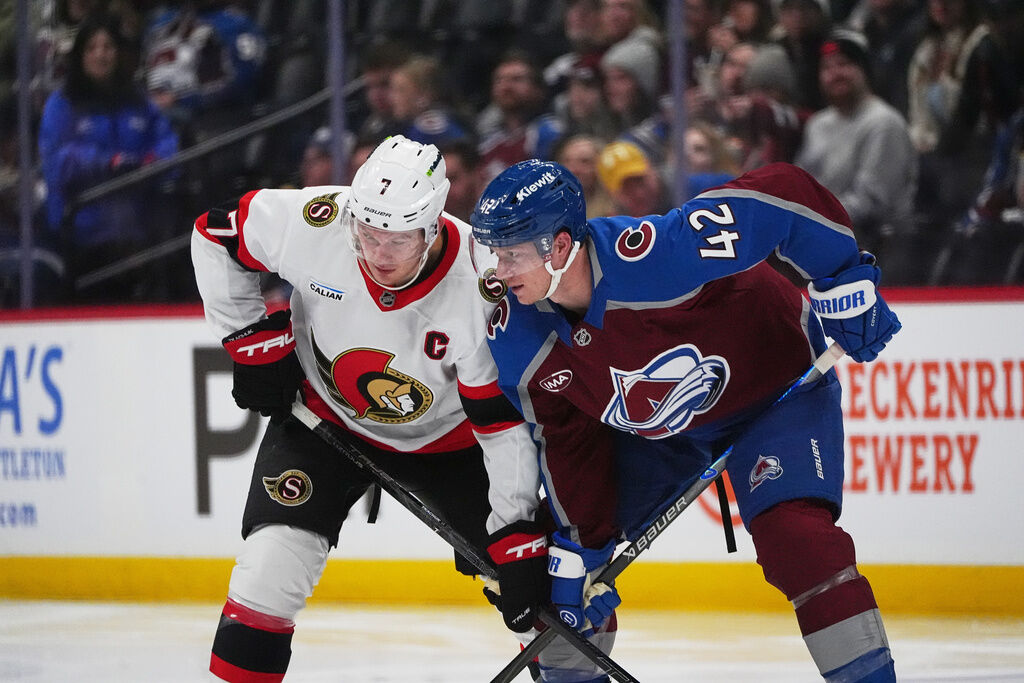
We are entering a brave new world in the NHL where the players have the power. It may take a hot minute for fans to adjust.
Over the weekend, the Ottawa Senators were left with no choice but to trade captain Brady Tkachuk to the Florida Panthers. Tkachuk, who will join his brother and podcast partner Matthew in South Florida, was the captain of the Senators. There had been speculation this was what he always wanted, which prompted Brady Tkachuk to respond after his Senators were eliminated from the playoffs.
“Quite honestly, it’s just getting frustrating,” he told reporters in late April. “It’s becoming a distraction and I have been fully committed to this team, this city, and it’s just becoming a distraction. Frustrating to deal with.”
Tkachuk didn’t like the chatter, but perhaps that was him projecting because deep down, he knew.
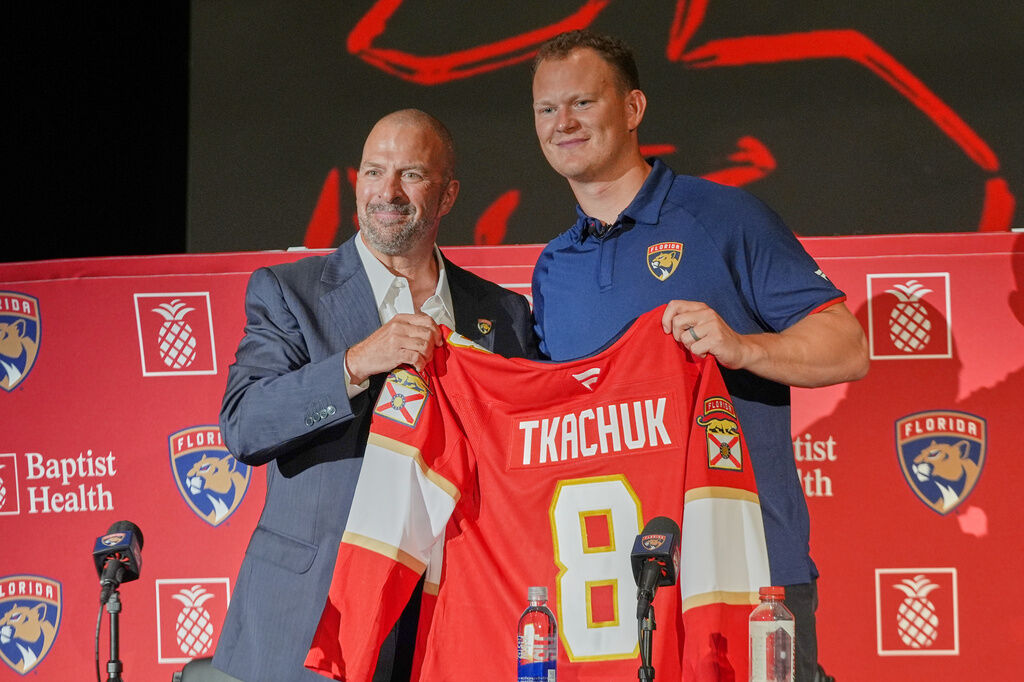
Senators general manager Steve Staios reportedly met with Tkachuk soon after. The player, armed with a full no-movement clause, asked for a trade. It doesn’t appear he was as committed to the city and team as he let on.
He gave the Senators a list of four teams where he would accept a trade. Florida was his preferred choice, according to reports. An Ottawa franchise that had made the playoffs two years in a row and built much of their team around their captain has been flipped on its head.
Tkachuk isn’t the first and won’t be the last player to determine his next destination. His brother did the same a few years back, telling the Calgary Flames he would only go to a few spots in a trade. Dylan Larkin, Detroit’s captain, has requested a trade and, according to reports, given Steve Yzerman a list of three teams. There are rumblings other Olympians like Zach Werenski and Connor Hellebuyck may do the same at some point.
The players are taking control of their careers, and there’s nothing wrong with player empowerment. Teams have had the power for years and often have taken a cutthroat approach when it comes to player movement. If the teams have a huge say in where someone plays, why shouldn’t the players?
It’s a slippery slope, however.
There are a few constants in these requests to date. For one, all these players have no-movement or no-trade clauses, so they’re able to block a trade if it’s to a team they don’t want to play for. That’s their right. After all, the teams agreed to those clauses. The second constant is that players are identifying most of the same teams: Florida, Tampa Bay, Vegas, Dallas, Carolina and, more recently, Minnesota.
There are plenty of reasons why players prefer those teams. The first four are teams that play in states where the tax situation is favorable to the player. It appears over the last handful of years that NHL players have discovered the value of having a good accountant and started taking their advice. Going somewhere where you get to keep more of your money isn’t a bad idea.
While not all of those teams have the same tax advantage, they have all proven to be well-run organizations. Surprise! Players want to play for well-run organizations. Beyond that, outside of the Wild, they’re all located in cities where the weather is good year-round with very little media pressure. So the players can leave the rink and be anonymous.
Player empowerment is not a bad thing, but the similarity of all these requests is starting to raise concerns among fans and management groups around the league. Free agency is essentially dead, as high-end players just don’t make it to the market anymore. The trade requests won’t improve that situation. That eliminates one way to really improve your team.
So how close are we to a super team in the NHL? We haven’t gotten there yet, but the Tkachuk trade feels like the reality of a super team isn’t too far away. The Panthers are loaded with talent and, with all their top players signed for the foreseeable future, it’s hard not to look at a group that already has two Stanley Cups in the last three years as the team to beat moving forward.
The betting favorites for the Stanley Cup next year? They are the teams drawing the most interest from players in terms of trades — plus the Avalanche. That probably won’t change over the next few years.
We may not love the impact of player empowerment in the NHL, but we have to accept it. You can’t put the toothpaste back in the tube.
If anything, this summer is just the beginning.
The NHL wanted parity with the salary cap. If all these players want to play in the same five cities, that parity may disappear for good. Getting a notification of a big trade? There’s nothing better. Seeing the same teams on one end of those blockbusters every time? It won’t be as much fun.