







Colorado’s haze lawsuit tests coal plant closure | Analysis
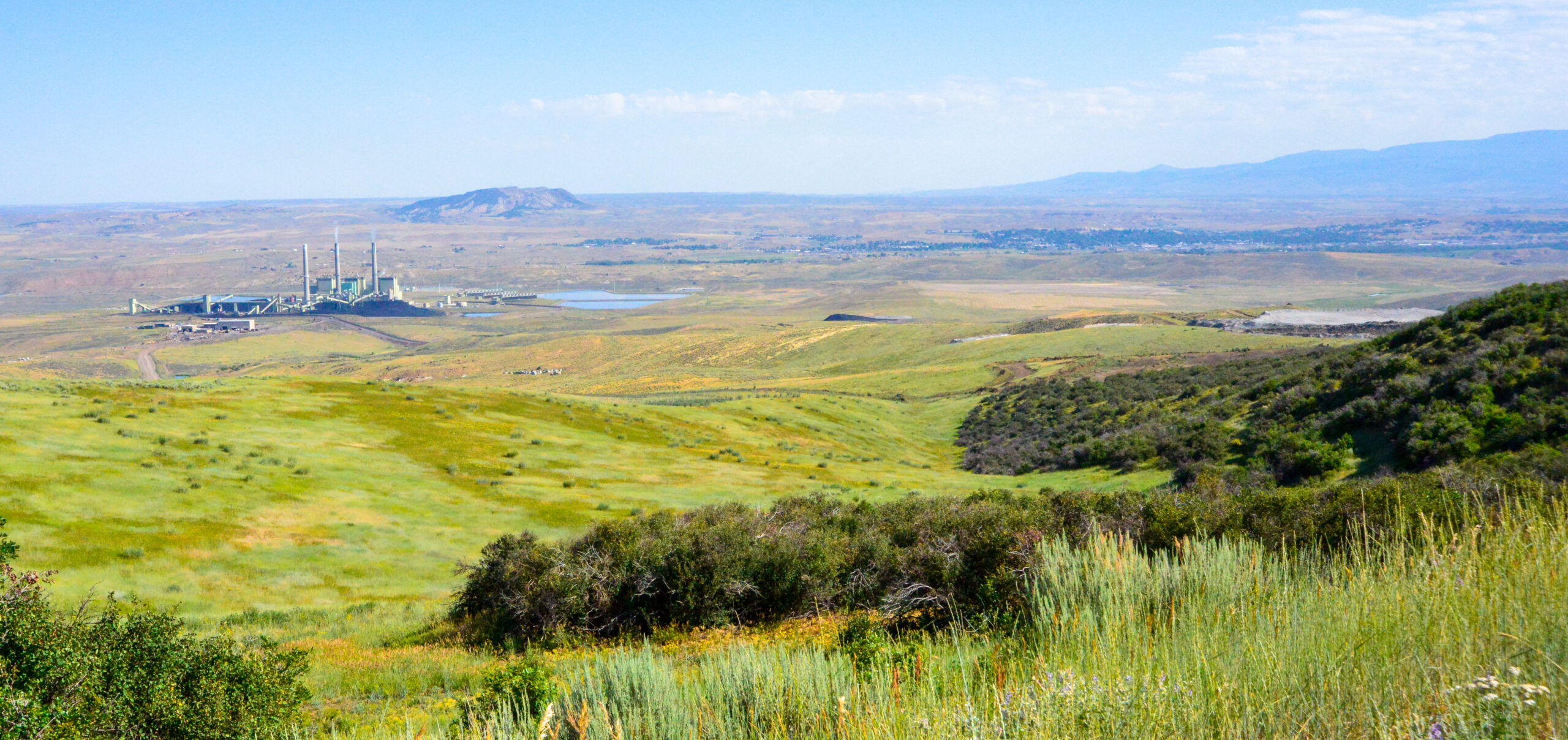
Colorado is asking a federal appeals court to overturn the Environmental Protection Agency’s decision to reject the state’s plan to reduce haze at national parks and wilderness areas. At the center of the fight is a basic but difficult question: Can the federal government use air quality rules to force a power plant to shut down against the owner’s wishes?
In a brief filed earlier this month, Colorado argues that the EPA went too far when it threw out the entire plan.
The agency’s main objection was that the plan included the planned retirement of Colorado Springs Utilities’ Nixon coal plant by the end of 2029. After the utility later said it could no longer meet that date, the EPA concluded that forcing the closure through a federally approved plan could violate the Fifth Amendment of the Constitution by taking the utility’s property without just compensation.
Colorado says this was a stretch, according to court filings. The retirement date was originally proposed by the utility itself, and the state argues the EPA created a new legal barrier that doesn’t exist in the Clean Air Act.
Why This Matters
The dispute highlights a growing tension between state climate goals and keeping the lights on.
By leveraging the power of the EPA, Colorado used its haze plan — formally known as a State Implementation Plan, or SIP — to help enforce the retirement of coal plants as part of its broader push to cut greenhouse gas emissions. The SIP gave the state a way to turn some of those retirements into federally enforceable requirements.
But once Colorado Springs Utilities pushed back — citing high costs for replacement power and concerns about reliability — the agency said it could not approve a plan that risked forcing a plant to close against the owner’s current wishes without addressing potential constitutional problems.
Travas Deal, CEO of Colorado Springs Utilities, told The Denver Gazette in an August 2025 interview that he views the state’s deadlines as arbitrary. He said forcing an early shutdown of Nixon would lead to rushed, expensive decisions rather than a smart long-term plan.
“What they did with Nixon is they pulled the end of life up eight to 10 years and just said transition now,” Deal said. He has argued that utilities should be allowed to retire plants when they reach the end of their useful life, not on politically set timelines.
A Bigger Test for State Climate Policy
Colorado was already on track to meet the required improvements in visibility at its national parks and wilderness areas even without the additional coal retirements, according to state officials and the EPA’s own analysis. That has raised questions about whether the haze rules were being used to help enforce the state’s broader push away from coal. Deal has said the state was using the federal haze requirements as a “crutch” to support its climate policies.
Environmental groups, including the National Parks Conservation Association and Sierra Club, which also filed briefs challenging the EPA’s decision, argue that the full disapproval weakens long-term efforts to reduce haze in protected areas.
“The EPA’s action undermines progress toward cleaner air in some of America’s most iconic landscapes,” a spokesperson for the National Parks Conservation Association said.
The EPA moved to a full rejection of the plan, citing concerns that forcing the closure could violate the Constitution’s Fifth Amendment Takings Clause. That clause generally requires the government to pay just compensation when it takes private property for public use. A full taking usually involves the government physically occupying or taking ownership of land. A regulatory taking, by contrast, can occur when government rules are so restrictive that they effectively strip the owner of most or all of the property’s value or use, even if the owner still holds title.
This case is being watched closely because it could affect how much power states have to use federal air quality rules to accelerate coal plant retirements. If the courts side with the EPA, states may find it harder to lock in retirement dates when utilities object. If Colorado wins, states could have more flexibility to use these plans to meet their own climate targets.
What Comes Next
The Tenth Circuit Court of Appeals will now review the EPA’s decision.
The agency’s response is due in August.
For Colorado and other states trying to manage the shift away from coal, the ruling could help clarify how much leverage they have when utilities push back on the timing.