







EDITORIAL: Will feds spare Colorado from its own electrification agenda?
The war on affordable energy in Colorado has taken many forms — from attempts to strangle our vital oil and gas industry to edicts that impose costly and unattainable emissions standards.
Along those same lines, Colorado as well as Denver have mandated hyper-stringent energy efficiency requirements for existing buildings, pushing an electrification agenda that ramps up costs on industry, renters and would-be homeowners alike. Some of the affected stakeholders have pushed back in a lawsuit.
Now, The Gazette reports, the U.S. Justice Department has notified Denver’s U.S. District Court that it might file a Statement of Interest in the stakeholders’ lawsuit challenging Colorado’s and Denver’s building energy performance standards. The department cites the federal Energy Policy and Conservation Act (EPCA).
The lawsuit, Colorado Apartment Association v. Ryan, argues state and local energy standards can’t supersede federal law on such matters. It appears federal officials agree.
“As the United States has explained in other recent cases, ensuring the utility of nationally applicable standards adopted by the Department and preempting state and local regulations that would undermine those standards both upholds EPCA’s broad preemption provision and advances the Department’s administration of the statutory scheme,” the department’s notice said.
A statement of interest signals how the federal government views the statute. For now, the Justice Department is “considering” filing one. If it follows through, it will save Colorado consumers a lot of money.
Passed by Congress in 1975, EPCA sets nationwide efficiency standards for appliances such as water heaters, furnaces, air conditioners and stoves. The law generally forbids states and cities from writing conflicting rules for covered products, preventing a patchwork of state regulations that would hamper manufacturers and disrupt the supply chain to consumers.
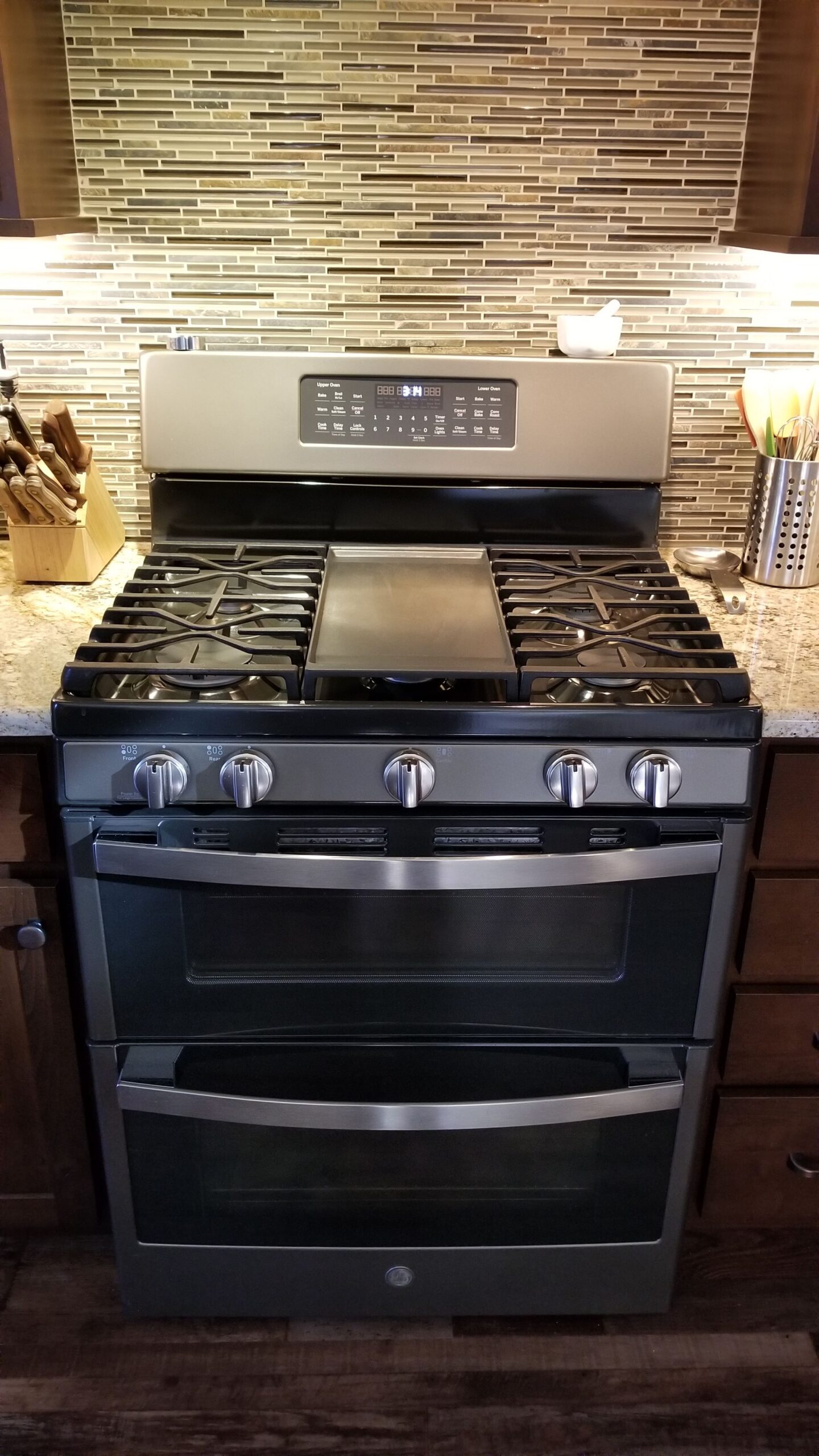
Rules imposed in the past few years under the local Energize Denver initiative and Colorado’s statewide Regulation 28 establish energy targets — capping a building’s energy use or emissions at a ceiling many owners of older buildings can’t hit without ripping out gas appliances for electric ones. Ever-popular gas stoves are among the intended targets.
The Justice Department’s key legal concern is whether EPCA preempts such caps when it effectively forces expensive appliance swaps.
Congress’ authority over interstate commerce is clear, and EPCA establishes supremacy over efficiency standards for covered appliances. City and state caps are attempting to achieve indirectly what federal law forbids directly.
States can’t nullify federal energy standards any more than they can federal immigration law.
A Common Sense Institute analysis showed shelter and utility costs shot up 40% between 2019 and 2025 — the nation’s 13th-largest increase.
Mandated coal-plant closures and renewable standards have helped push electricity prices up to 50% above the national average, said U.S. Energy Secretary Chris Wright.
Xcel Energy’s state-mandated Clean Energy Plan will cost an estimated $12 billion. Xcel is already seeking approval for an 11.4% natural gas rate increase and a nearly 10% electricity hike.
Further hikes are inevitable amid state-mandated emission cuts and premature coal plant closures — pricing out businesses (including data centers driving AI and tech) and raising housing costs.
Colorado already ranks 48th for housing affordability, per the Colorado Chamber of Commerce. A Gazette analysis found the median single-family home in February topped $600,000 in Boulder, Broomfield, Douglas, Elbert and Jefferson counties.
With federal officials now agreeing our state’s overreaching electrification standards are unlawful as well as unaffordable, let’s hope the feds step all the way into the Colorado lawsuit. It could mean real relief for utility ratepayers and ultimately all consumers.