







Cherry Creek school board executive sessions raise open meetings questions
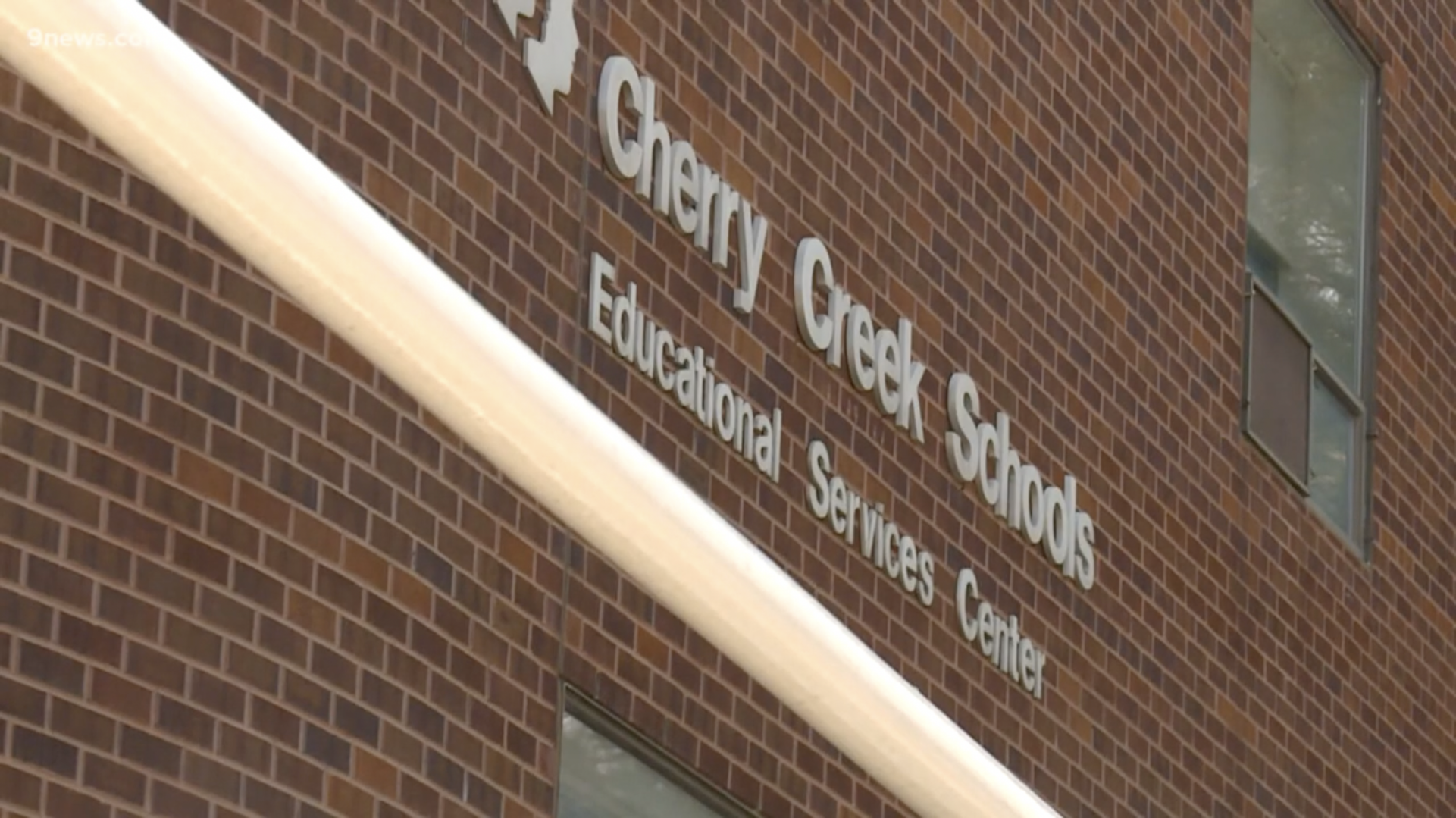
A key executive session preceding former Superintendent Chris Smith’s abrupt January resignation is raising questions about how Cherry Creek School District conducts its closed-door meetings under the Colorado Open Meetings Law.
The Jan. 27 executive session was convened to discuss Smith’s mid-year evaluation.
The closed-door meeting came as the board confronted allegations involving district contracts, travel spending and potential conflicts of interest involving Smith and his wife, former Chief Human Resources Officer Brenda Smith, who was later fired. Before the meeting ended, Smith resigned as superintendent.
According to the meeting minutes, the board met for about three hours in executive session. But only one hour of that was with Smith, the publicly stated reason for the closed-door meeting.
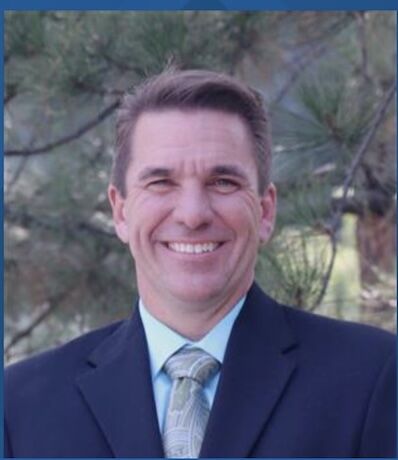
Eight minutes after Smith left the meeting, Steve Welchert entered.
Welchert is a Democratic political consultant who specializes in strategic planning, political lobbying and crisis management. According to Welchert’s website, his clients include former Denver Mayor Federico Peña, former Colorado Gov. Roy Romer and former President Barack Obama.
After initially speaking off the record, Welchert confirmed on the record that board President Anne Egan had invited him to the executive session to learn what he might be able to do to help the district with its messaging.
Welchert’s account differs from the purpose publicly announced before the board entered executive session. The meeting was noticed only as Smith’s midyear evaluation.
The communications discussion Welchert described was not identified on the agenda or in the board’s public motion to enter executive session.
Steve Zansberg, a First Amendment attorney who represents The Denver Gazette and several other media organizations, said in an email that communication strategy “is not a topic authorized for discussion in executive session.”
‘Claim of privilege’
Zansberg’s interpretation is consistent with the Colorado Freedom of Information Coalition’s guide to the state’s Open Meetings Law, which does not identify communications strategy among the subjects authorized for executive session discussions.
Abbe Smith, a district spokesperson, said Welchert attended the Jan. 27 executive session as a representative of Jane Waterman-Joyce, a Fisher Phillips attorney. However, the engagement letter documenting the board’s retention of Fisher Phillips is dated Jan. 29 — two days after the meeting.
The engagement letter, which The Denver Gazette obtained in a Colorado Open Records Act request, does not describe why Fisher Phillips was retained beyond stating the firm would provide “legal advice.”

Egan did not respond to an email and phone call seeking comment and Waterman-Joyce declined an interview.
The timing has become a point of contention because the district has cited Welchert’s role as a representative of outside counsel to explain his attendance at the closed-door meeting.
Zansberg is among those raising concerns.
“For an attorney’s agent to attend an executive session prior to the attorney being retained by the public body does raise questions about any claim of privilege with respect to that conversation,” Zansberg said.
The Colorado Open Meetings Law requires public business and the creation of public policy to be conducted in open, publicly noticed meetings.
The statute does have carve-outs for specific topics such as property transactions, security arrangements or investigations, specific legal questions or personnel matters. Each topic discussed in executive session must be placed on the agenda with enough information so the public can know what is being discussed behind closed doors.
Executive sessions are for discussions and deliberations on authorized topics, not for decision-making.
Public entities are required to record the executive session meeting and keep the recording for 90 days.
The Denver Gazette reviewed executive session minutes posted on the district’s website from August 2025 through June 2026. Earlier minutes are not posted online and require a CORA request, Abbe Smith said.
‘Overreach and misuse’
Cherry Creek has relied heavily on executive sessions this year.
The Denver Gazette also reviewed executive session notices for the past five years, finding the board met behind closed doors to discuss topics that included personnel investigations, the district budget, board policies, contract negotiations, the superintendent search and legal advice.
The district’s use of executive sessions also appears unusually frequent, with two dozen executive sessions since January, compared with three during the same period by Denver Public Schools, the state’s largest district.
In every executive session reviewed, the minutes reflect that the recorder was turned off for the duration of the executive session under the attorney-client privilege exception. The only exception was an Oct. 29 expulsion appeal, during which the recorder remained on.
Jeff Roberts, executive director of the Colorado Freedom of Information Coalition, said that state statute permits the recorder to be shut off when a public agency’s attorney is providing legal advice to a “specific question.”
Formed in 1987, the coalition promotes freedom of the press and open access to government.
Cherry Creek School District General Counsel Sonja McKenzie typically attends board meetings, including executive sessions. But her presence alone does not satisfy the requirements of the Colorado Open Meetings Law, according to Roberts’ organization.
“The mere presence or participation of an attorney at an executive session is not sufficient to satisfy the requirements of the statute,” a guide on the Colorado Open Meetings Law states.
“Our interpretation of state statute is that if there is a part of the conversation that’s attorney-client privilege, then the recorder is off for that,” Abbe Smith, the district spokesperson, said.
However, the executive session minutes reviewed by The Denver Gazette do not reflect recordings being stopped only for discrete portions of meetings in which McKenzie is providing legal advice. Instead, the minutes consistently show the recorder was turned off near the beginning of executive sessions and turned back on near their conclusion.
The district’s executive session practices have also drawn criticism from some community members.
Bill Leach, who unsuccessfully ran for the school board in 2021, questioned whether the confidentiality of the Jan. 27 executive session was necessary or created “unnecessary secrecy.”
“Public interest in the CC School District shortcomings is at an all-time high,” Leach said. “Inviting their election consultant to the closed-door meeting is a ridiculous overreach and misuse of executive session.”
The Denver Gazette also reached out to several former board members. None responded.