







Was Washington a Westerner at heart?
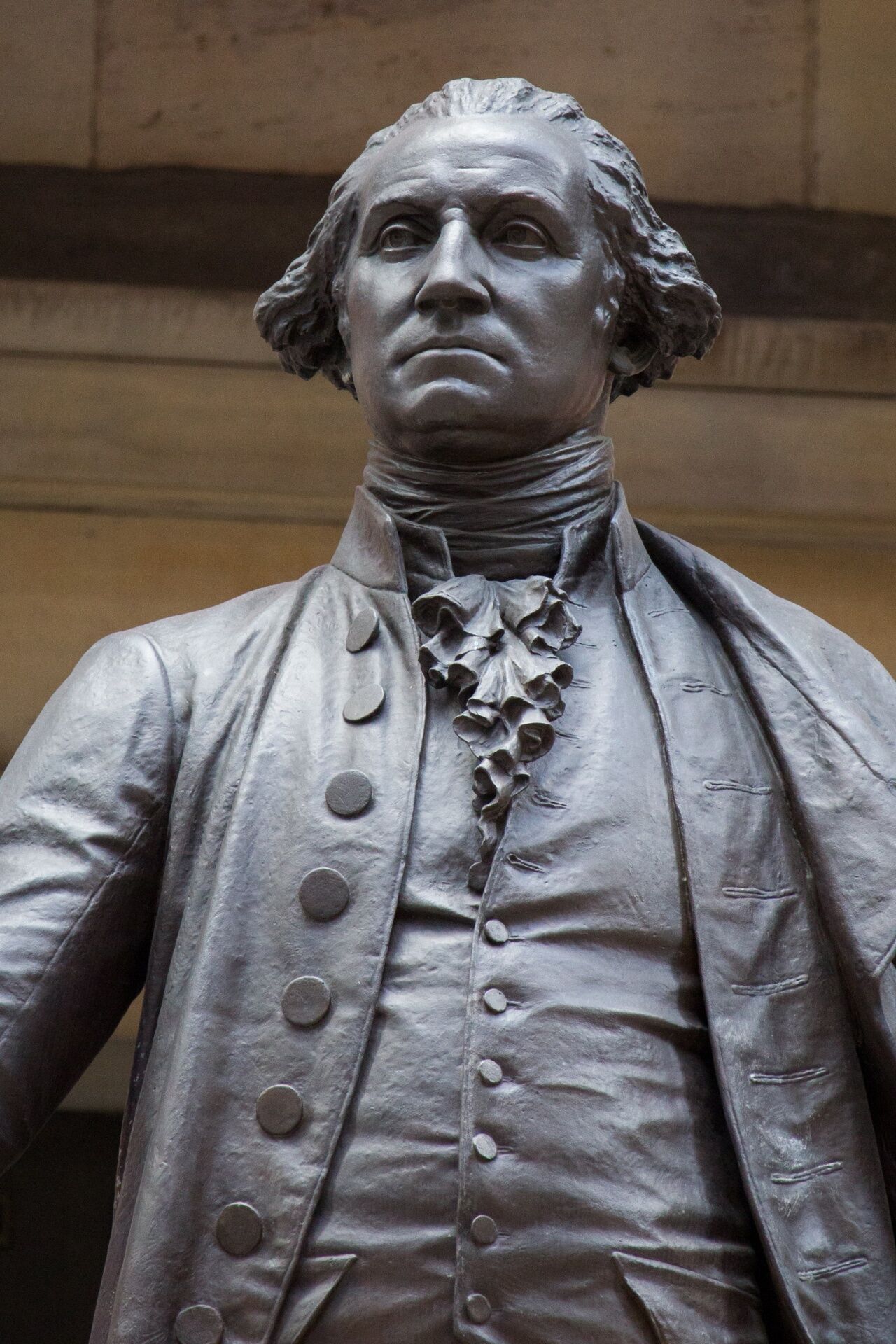
As we gear up to celebrate the 250th anniversary of the country this week, I’ve been eager to learn more about our foundational founder, George Washington. If a country, like an organization, directly reflects its principal leader and his or her values, we are all in many ways descendants of President George Washington’s vision and beliefs. To understand the American Revolution, you need to understand Washington.
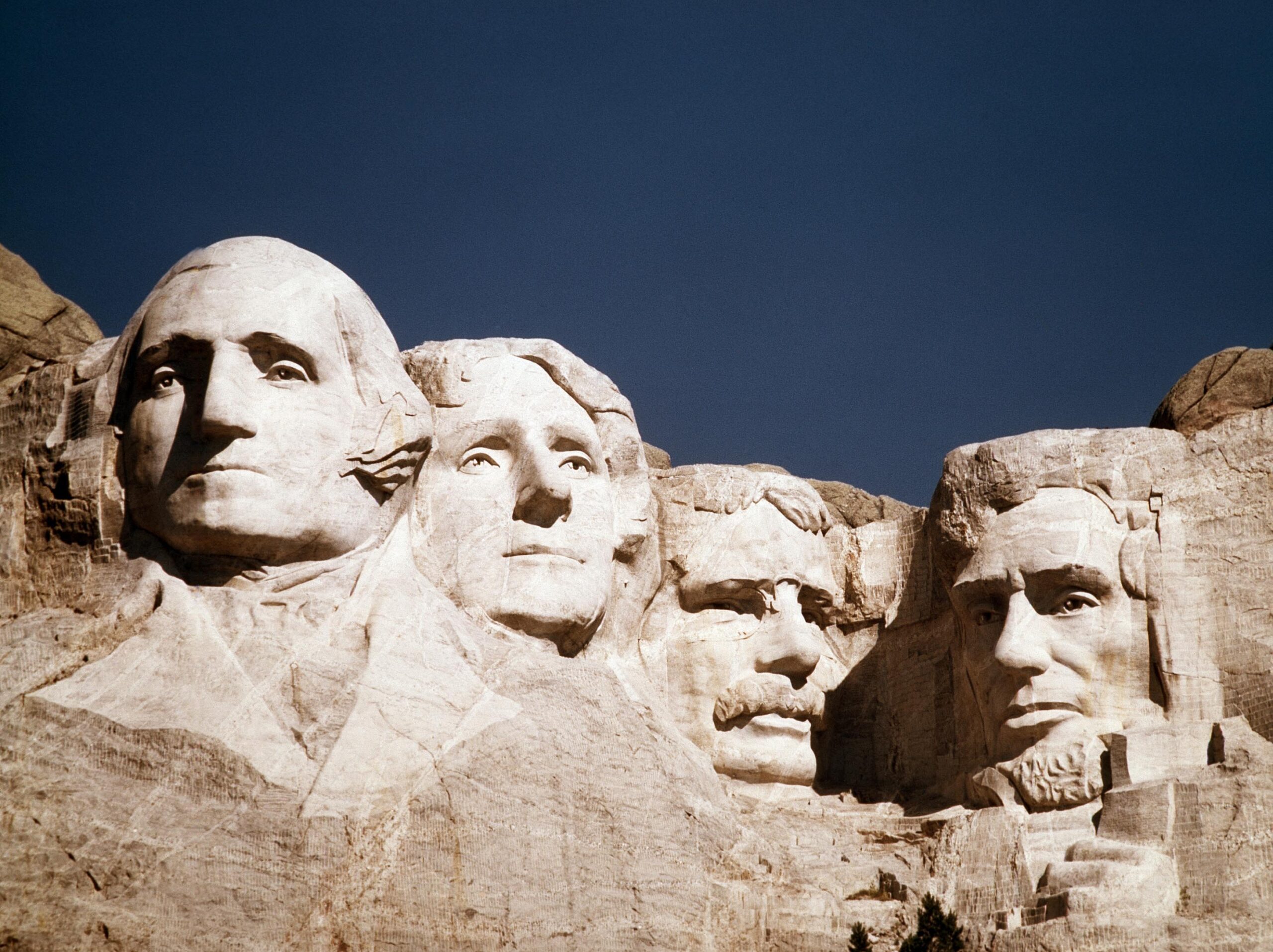
But he’s been so marbled over the years, it’s hard to know the real Washington 250 years hence, what his precise hopes and dreams for all of us were. Most of us only know Washington as an icon now, the face on Mount Rushmore or the dollar bill. “He is in our wallets but not in our hearts,” said Richard Brookhiser.
But the 250th is a great excuse to know him better, if nothing else than to remind ourselves how his ideas and actions define who we really are as a country, what we once were and still ought to be. He is our origin story.
Fortunately, for the first time in history, someone has made a full-length feature film about him, “Young Washington,” which opens July 2. How is it possible, you ask, that no one has made a movie about the father of the country until now? That speaks, I think, to how remote and abstract he has become to us as a symbol of the American experiment, but also maybe how removed we ourselves are from the sacred beating heart of our own country.
Early reviews of the movie and two new books about Washington reveal a much more human, blood-and-guts Washington: brash, ambitious to a fault, defiant, his placid surface masking volcanic emotions.
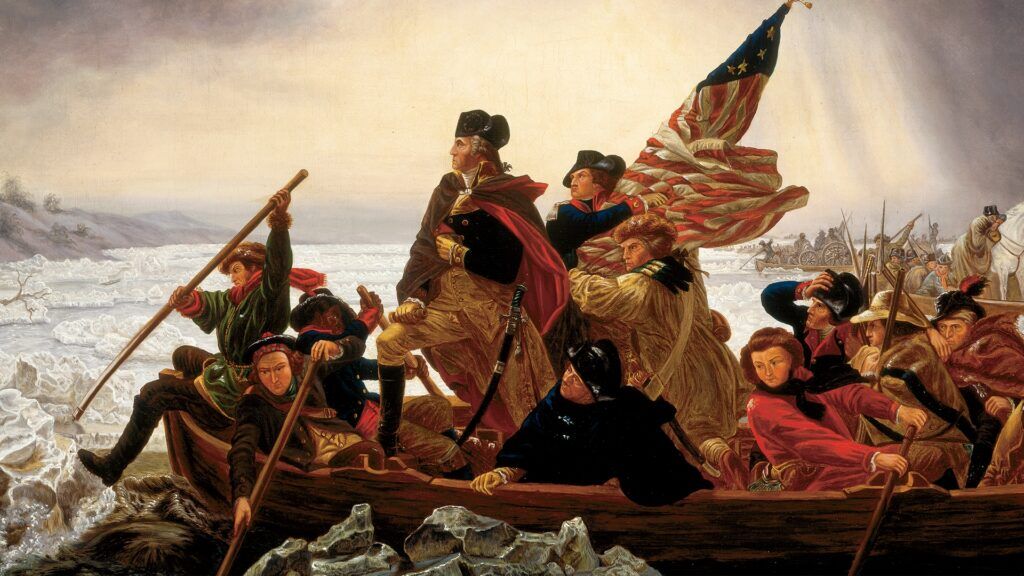
The new biopic “gives us pre-Revolutionary George, early-20s George, pale, petulant, virginal, ramrod-straight, and bristling with awkwardness and ambition. He is callow, unformed. Imperfect, in a word. And when he starts soldiering, he makes some rather large mistakes,” writes The Atlantic’s James Parker.
I would argue that this young Washington, in his formative years, was a Westerner at heart.
By Westerner, I mean someone forged on the frontier. Washington was a scrappy, self-made man in his youth, someone who had to test himself against adversity and the elements themselves.
The Western frontier of revolutionary days, the Ohio and Shenandoah valleys, was his proving ground, a place where you are what you do, not where you came from.
Riding across the untamed West of his day as settlers sprawled into the wilderness, he got an early taste of the physical idea of freedom itself.
“Washington navigated canoes down whitewater streams in driving rain, shot wild turkey, and slept on bearskins under the stars or in smoky tents. This was a raw, violent world …” writes Ron Chernow in “Washington.” “A rugged side of his nature gloried in the unruly world.”
“This is not a man to the manner born,” writes Joseph Ellis in “His Excellency,” “but a recently arrived aristocrat who, before he married a fortune, was accustomed to scrambling. Literally dodging bullets.”
He spent his teens as a surveyor on the Virginia frontier — the Shenandoah Valley and the Allegheny backcountry — which gave him an early, physical relationship with land, distance and risk that no Tidewater gentleman’s son typically had.
His formative military experience wasn’t in a regiment in Williamsburg; it was the Ohio Country in 1754, building (and losing) Fort Necessity, then surviving Gen. Edward Braddock’s catastrophic defeat at the Monongahela in 1755 — a frontier disaster that taught him about the limits of European-style command in the forests of America and the incompetence of distant authority.
He spent the rest of his life acquiring and obsessing over Western land. That land hunger — and his belief that the Ohio Valley was the key to the continent’s future — shaped his strategic thinking as a general and as president.
He later moved the main entrance of Mount Vernon from the east face to the west, in the belief that the country’s future lay west.
“Even while ensconced on the Eastern edge of the continent at Mount Vernon, Washington spent a good deal of his time and energy dreaming and scheming about virgin land over the Western horizon,“ writes Ellis.
Those Western days provided the keys to his later success, I would argue. First of all, he learned a whole different way to fight wars, relying more on the guerrilla tactics of Native Americans than the marching columns of the British.
He developed real courage under fire and an enormous capacity to learn from his mistakes. His early lessons in the cruelty of war keep him from wasting his army on grand symbolic battles, instead mastering the art of retreat when retreat was the better part of valor. The famous phrase we learned in eighth grade that marked his winning strategy in the long Revolutionary War: If you fight and run away, you live to fight another day.
His early mistakes led directly to later greatness, in other words, maturing him into a man of humility and judgment rather than incubating a headstrong warrior out to prove his own worth.
But for our future country, the most important trait he developed out in the wilds, I would argue, is a Western egalitarianism, the idea that nobody was better than him or anyone else. Young Washington is dismissed by the French for his callowness, condescended to by the British, and later insulted by the early Virginia elite as he tried to make his way in high society.
When he found himself in debt early in his career, he came to believe the system was rigged against him. Rather than blame himself, he began to blame his debt on British agents for the trading terms they imposed on colonists.
“The mercantile system itself was a conspiracy designed to assure his dependence … when Washington thought of that abstract thing called the British Empire, he did not think politically. He thought economically,” Ellis writes.
He started to greatly resent his dependence on “invisible men in faraway places,” and that sense of grievance, that self-evident belief that he was just as good as the British, made him ready and willing to fight to the death when the British attacked at Lexington and Concord.
His own revolt against the British did not come from things he read, or conversations he had with other Founding Fathers, it came from inside himself. He put it this way: “An Innate Spirit of freedom first told me that the measures which (the) Administration hath for sometime been, and now are most violently pursuing, are repugnant to every principle of natural justice.”
That feeling of defiance against people who thought they were better than others may be the very core of the man, the very core of the American Revolution, and the essential ingredient of the American personality still today.
“Can I not break through on my own merits?” he asks his half brother at one point in the movie.
“That is not the way the world works!” an exasperated Lawrence tells him.
Washington explodes in response: “Then someone should remake it!”
Vince Bzdek, executive editor of The Gazette, Denver Gazette and Colorado Politics, writes a weekly news column that appears on Sunday.