







Controversial recreation development, management proposed for Sweetwater Lake in western Colorado
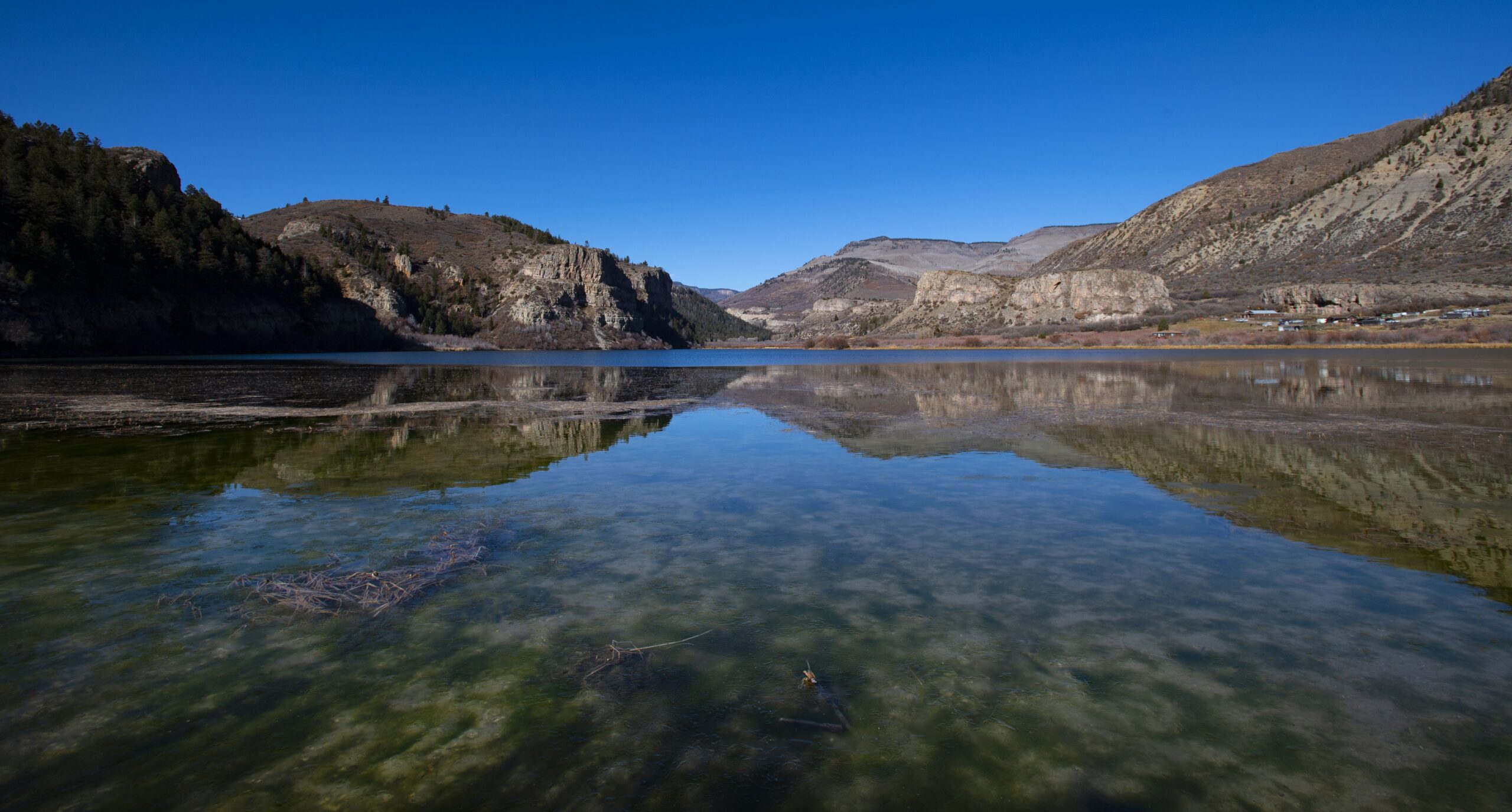
It’s not being called a state park, as it was declared in 2021 upon formerly private land becoming public in western Colorado.
But recreation development and management for Sweetwater Lake could be similar to a state park under proposals recently released by the U.S. Forest Service.
While detailing three other options, the agency is recommending one that would authorize a 20-year permit for Colorado Parks and Wildlife to charge fees and oversee 844 acres in Garfield County, backdropped by Flat Tops Wilderness. Sweetwater Lake is at the center of the mosaic that had been privately owned for generations prior to a local, grassroots fundraising effort and federal money that added it to White River National Forest in 2020.
Not long after the acquisition, Gov. Jared Polis announced Colorado’s 43rd state park. Locals swiftly pushed back, fearing the designation would invite crowds and change the lakeside lodge and surrounding scene they had long known.
Officials are no longer referring to Sweetwater Lake as a state park. But the Forest Service has continued to seek a partnership with CPW ー “because they have the expertise to effectively manage this long-cherished area,” Eagle-Holy Cross District Ranger Leanne Veldhuis said in a news release. “We could achieve more working together.”
The goal of the proposal, as explained in the 292-page draft environmental impact statement: “to maintain or improve the recreational opportunities that have previously existed at Sweetwater Lake, minimize user conflict and impacts on natural resources, and maximize the experience of multiple user groups.”

The draft plan calls for a new lodge to serve as “a central, primary location for information and guest services.” The stated aim is for the lodge “to match the ‘rustic’ character” of the area, where an equestrian outfitter would operate as it historically has.
An “equestrian zone” for horse-trailer parking and camping would be established, along with another campground with 20 sites for tents and smaller trailers. Under the proposal, CPW would also improve and build new boat docks; close several “social” trails and construct others; remove structures deemed outdated and hazardous; and address invasive species and fire mitigation.
The environmental impact statement details several restoration and protection needs across the land that was always “a patchwork” of private and public parcels: “There is a need, therefore, for enhanced and sustainable management of the public lands around Sweetwater Lake that considers the site as a whole, provides timely support and enforcement for resource protection and site management, and plans for long-term maintenance and staffing of the site.”
But in response to the proposal, early comments prefer another management option, one described as “a primitive recreation experience with limited facilities and limited staffing.” This would not involve CPW management.
Reads one comment to the Forest Service: “I strongly believe this was the intention of the many local people who raised funds towards this park. It was intended to preserve the rustic beauty of the area … NOT to create a large, developed State Park that would draw thousands of people thus changing the entire experience of Sweetwater.”
Under the proposed CPW management, visitation would be capped to 250 people at any given time ー among concepts the Forest Service presented in 2024 while seeking public feedback.
“This is way too big and will cause many new problems relating to environmental decline, road degradation, water and lake quality issues, negative community impact, as well as increased safety issues for all,” wrote a commenter representing locals with Sweetwater Lake Action Team.
Comments to the recent draft plan continue to echo a sentiment expressed in another 2024 letter: “LEAVE IT ALONE.”
But without CPW oversight, Forest Service officials have sounded worried about safety and environmental degradation. And some locals have sounded in support of management that could create a destination for tourism. The draft plan estimates an annual economic output of $5.2 million, with Sweetwater Lake drawing between 51,999 to 103,997 visitors a year.
Of the four listed management options, another is listed as “the No Action Alternative, meaning there would be no change to the current Forest Service management direction or level of management.” In Alternative 4, CPW would create “more facilities and infrastructure to accommodate a greater number of day and overnight visitors than the Proposed Action.”
The Forest Service is collecting comments online until Sept. 23. More information is posted on the project webpage: tinyurl.com/93phdhfy
