







Relaunch of Pac-12 a ‘once-in-a-lifetime opportunity’ for like-minded football programs with high expectations
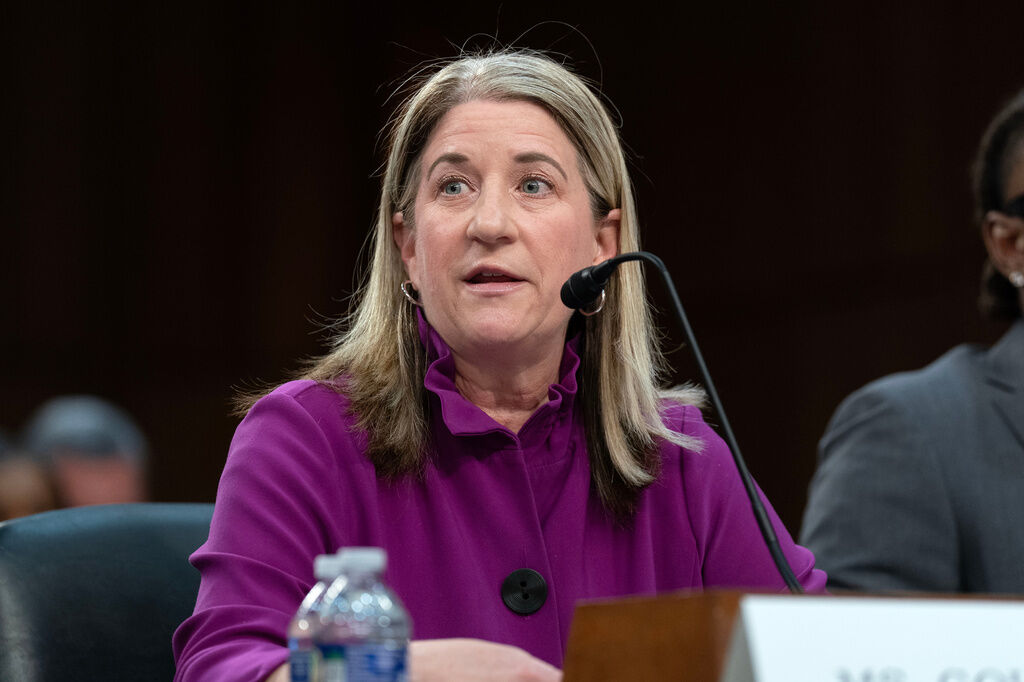
Just a few weeks from the Pac-12’s big reintroduction as a player in college athletics, commissioner Teresa Gould sat on Capitol Hill in Washington D.C.
She was just a few feet from Hall of Fame coach Nick Saban with Notre Dame athletic director Pete Bevacqua and longtime academic administrator E. Gordon Gee in between. She was the only conference commissioner in attendance for a U.S. Senate hearing on the future of college sports.
“The window for meaningful reform is short and the cost of inaction is real,” Gould said as part of her testimony to the Senate Commerce, Science and Transportation Committee. “Congress has an opportunity to modernize college athletics in ways that protect its traditions, strengthen its institutions and recognize the rights and protections that student-athletes have always deserved. The Pac-12 is committed to being part of that work.”
Roughly three years after many thought the conference was gone for good, it’s back and ready to once again be a part of an ever-changing world of college athletics with Gould, part of the Pac-12 since 2018, leading the way through the 2020s.
No, it’s not going to look remotely like its heyday with brands like Colorado, UCLA, USC and Oregon not likely to come back anytime soon, but it’s also not just another conference.
Trying to strike a balance between competing in a space above the rest of the conferences not a part of current Power Four while also being ready for whatever comes in the next round of conference realignment is delicate but something the new-look Pac-12 feels it’s uniquely positioned to do.
“A lot of things are aligning for us to just have a once-in-a-lifetime opportunity to do something really special, and the way that I think about this new Pac-12 is I often talk about where tradition meets transformation,” Gould told The Denver Gazette. “We have this 110-year-old legacy historic conference that was more successful competitively than any conference in the country. More national championships, more Olympians, all those things and now we have an opportunity to take that historic league and that nationally relevant brand and reimagine it with new members at a time when everything around us is changing.
“I think in a lot of other conferences, there’s legacy thinking and traditional ways of doing things and we have this blank slate to be able to start over and build it in a new and different way, based on all of the current changes in our business.”
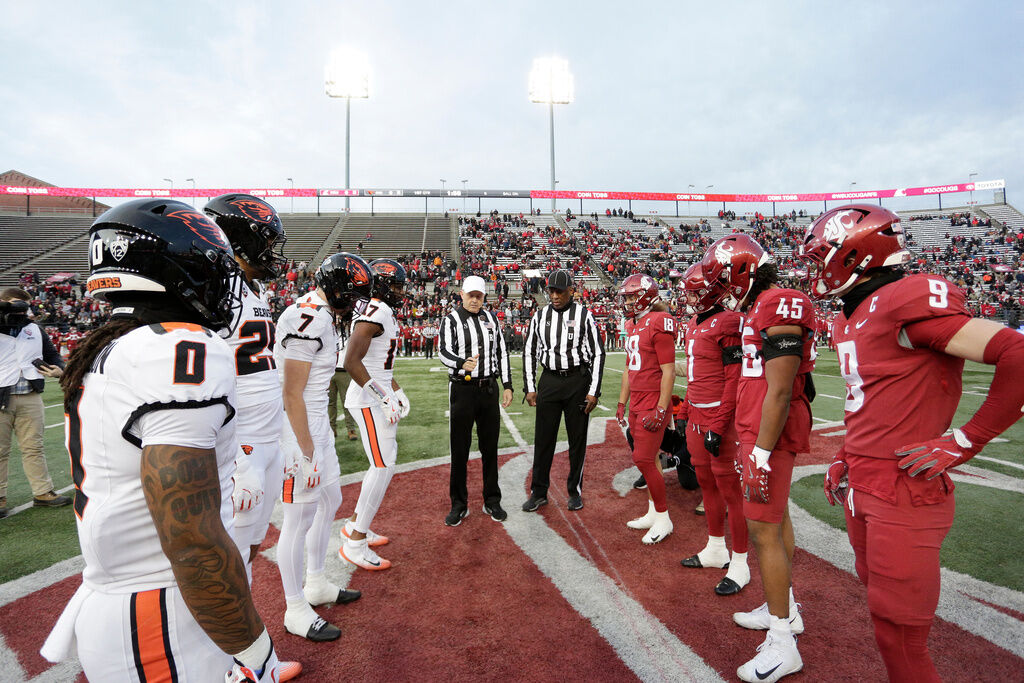
For the nine schools, particularly the eight football-playing members, there is a lot in common and it’s on the gridiron where the new-look league will likely be defined. Whether it’s Oregon State and Washington State, the five making the jump from the Mountain West led by Boise State or a school on the rise like Texas State, there are shared levels of spending (likely between $20 million to $30 million each annually) that correspond with similarly high expectations in every sport.
“In this day and age where roster development and roster retention is so critical, you just have to have the players to be able to compete and there’s direct economic expectations around that now,” Gould said. “All of these schools, I think a big part of why they’re together is they wanted to be aligned in a conference with schools, top to bottom, that want the same things and are willing to invest to get there.”

Never say never, and Gould will always be open to potential expansion if a good fit arises. But for now they believe a lack of bloat in terms of conference membership is a good thing, especially in terms of access to the College Football Playoff.
“I really think top to bottom, the strength of our league, the level of investment in our league, the history of competitive excellence in our league places us in a position where we should have our team in that fifth (CFP) spot year in and year out, and I think that’s why these schools are together, right?” Gould said. “They were looking for a league where they were aligned with like-minded institutions, like-minded programs that all have shared aspirations and then are willing to invest to be able to realize those aspirations.
“A lot of these larger leagues across the country right now, there’s always that, what I call, ‘bottom feeder’ group of schools. There’s always schools at the bottom of the league that are holding everybody back, either because they’re not investing, they’re not competitive, and with the way that being in a conference works, the people in the league next to you, the schools that are in your league are impacting your ability to be competitive. I think we’re well positioned from a CFP perspective just given the strength of our league.”