







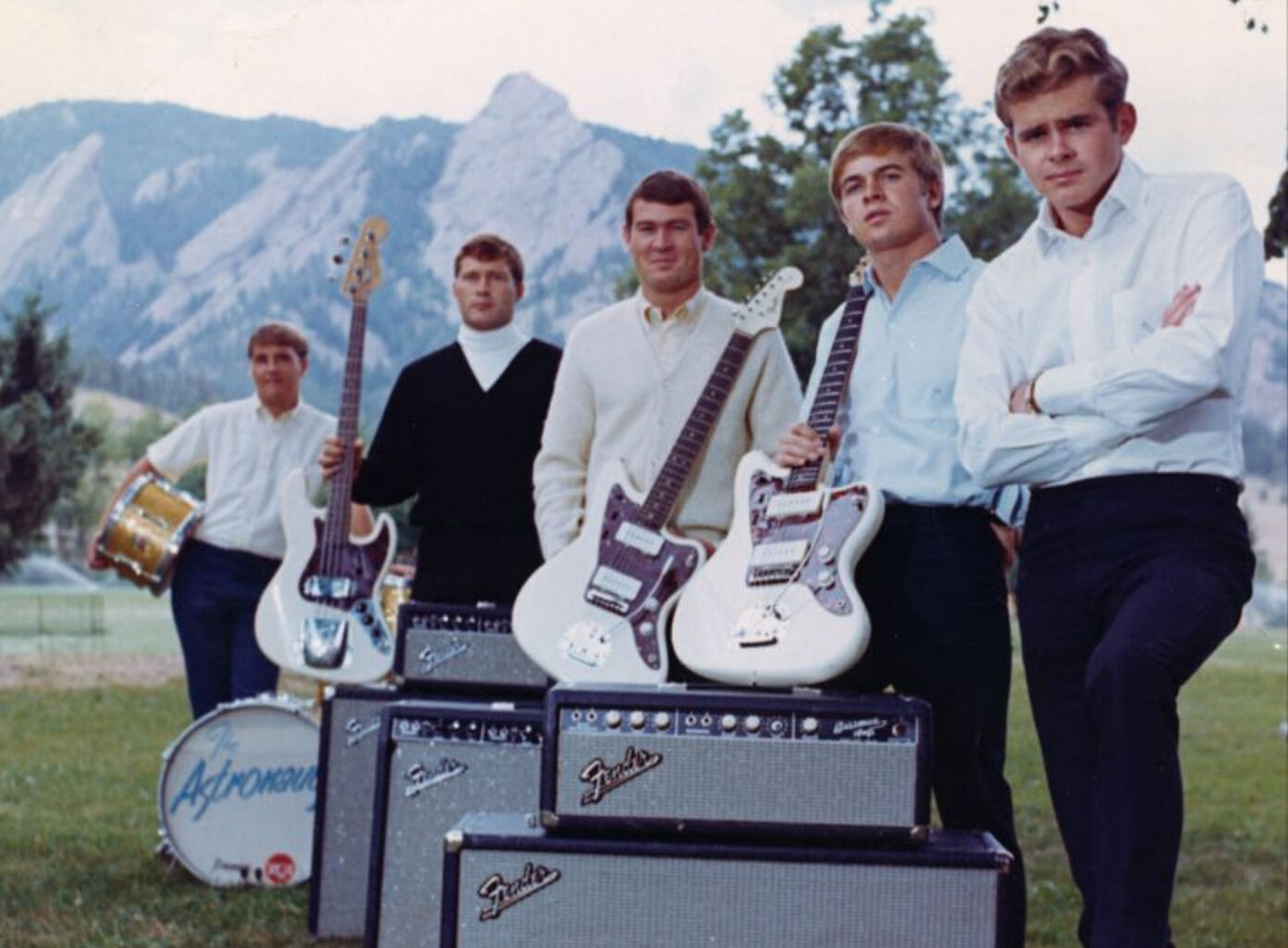
Surf’s up, Colorado: Hey, hey, we’re the Astronauts!
The Colorado 150, Part 3 of 6: Meet everyone from Woody Paige to Frank Welker to Bill Murray to India.Arie as our countdown moves into the top 100 leading up to Colorado’s 150th birthday

“Who the hell ever heard of a surf band in Boulder, Colorado?”
So says the late, legendary producer Al Schmitt on a video immortalizing Colorado’s first global breakout band of the rock ‘n’ roll era: The Astronauts.
“They’re one of the great stories in Colorado music history,” said G. Brown, the state’s premier music historian and curator of the definitive Colorado Music Experience website. “They were the Beatles of Denver.”
Of … landlocked Denver?
“Despite being 1,000 miles from the nearest ocean” (and none of them having actually ever surfed), “they landed a major RCA Records deal and achieved massive international success,” Brown said.
How?
“They started out as a great, tough little rock ‘n roll combo out of Boulder,” Brown said. They were Rich Fifield on vocals and lead guitar; Jon “Storm” Patterson on vocals and bass, Bob Demmon on rhythm guitar; Dennis Lindsey on guitar; and Jim Gallagher on drums. Fifield and Gallagher, Brown said, “were as good as any players on the planet, in my opinion.”
The Astronauts have moonwalked their way to a No. 95 finish on The Denver Gazette’s new Colorado 150 — a sesquicentennial list of cultural pathmakers who have shaped how the world sees Colorado — and how we see ourselves. This is the third of six parts counting “up” the 150 in blocks of 25. Each week, we choose one honoree for a larger profile, and this week, that is The Astronauts.
The band started playing out at clubs like Tulagi and at school dances around town. Then they got the urge to go out to Los Angeles, just to stir the pot. And it was right out of a movie.
“They walk into RCA Records,” Brown said. “A guy is sitting behind his desk on the phone and he’s saying to someone, ‘We’re getting killed by the Beach Boys on Capitol Records!’”
“And so he puts his hand over the receiver and says, ‘You kids play surf music?’”
They did not. But they said that they did. And with that … they did.
With hits like “Movin’” and the Lee Hazlewood instrumental earworm “Baja,” the Astronauts took off from 1960-68. ”But the really great part of the story is that they became bigger than the Beach Boys in Japan,” Brown said. “It’s really wild. They went over there for two tours and got the Beatlemania treatment: Huge billboards with their faces on them. Screaming kids packed at the airport. And then they would come home and play a Friday Afternoon Club set at the Harvest House.”
The Astronauts infused the largely instrumental surf genre with vocals on some tracks. But they mostly relied on twangy reverb and rhythm guitars to crank out hit albums like “Surfin’ with the Astronauts” and “Everything Is A-OK!” Perhaps most lastingly: The Astronauts made more appearances in teen beach-party movies than any other surf band, including titles like “Surf Party,” “Wild on the Beach,” “Wild Wild Winter” and “Out of Sight.”
Their run in the sun was ended, Brown said, by the popularity of the aforementioned Beatles and the draft that sent Gallagher and Lindsey to Vietnam. With Patterson’s death in 2022, all of the band’s core members are now gone.
But the Astronauts will be forever remembered, Brown writes on his website, as the definitive non-California surf band of the 1960s.
This week’s 25 Colorado pathmakers:
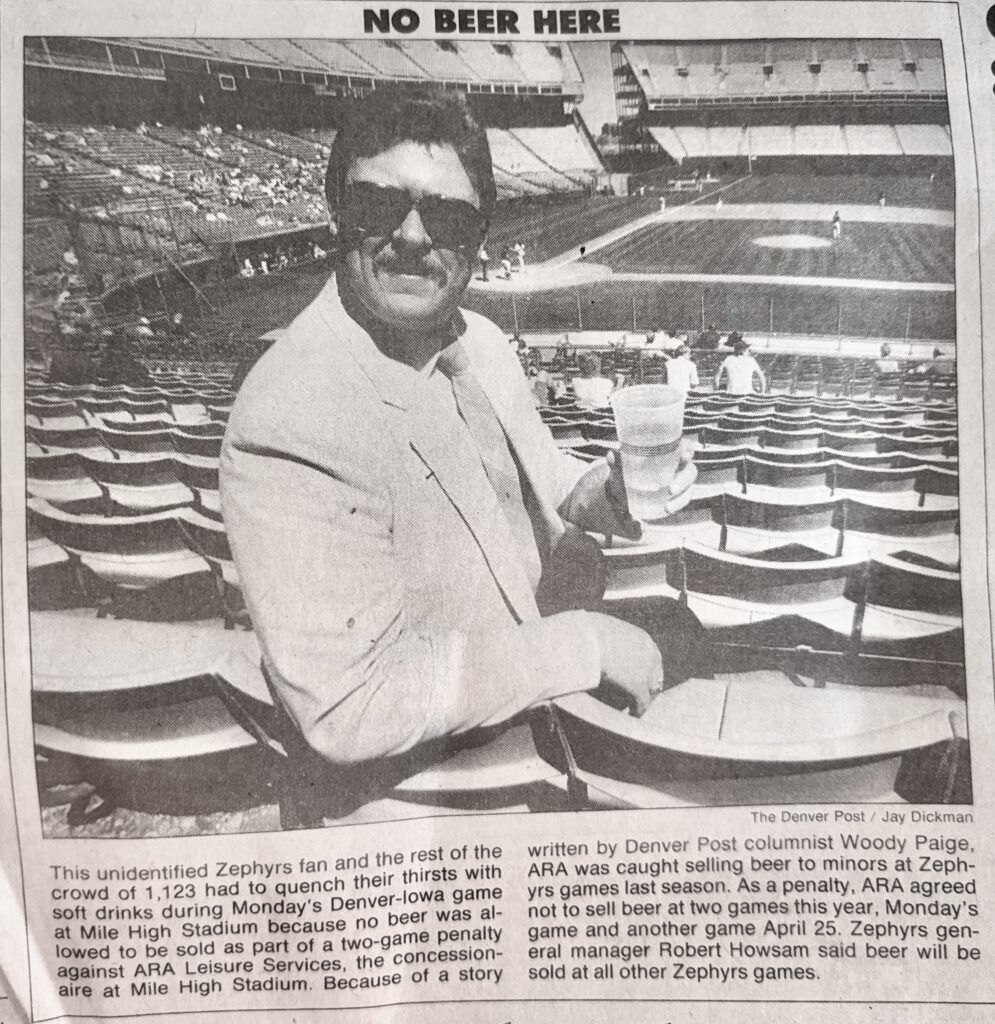
76. Woody Paige (b. 1946): In 2024, I penned a (hilarious) look back at the wild life and wilder times of the legendary (and now Colorado Sports Hall of Fame) rabble-rouser who forever changed journalism in Denver – and ESPN. You can read that opus here, but suffice to say, Woody was pretty much the first sports columnist to care not one bit whether readers loved him (as long as they read him). For our purposes, I’ll just share a Denver Post clip I randomly came across this past week: I was the green beat writer covering the 1988 minor-league Denver Zephyrs baseball team. Next to my game story (a 6-2 loss to Iowa) is a big photo of some grumpy rando holding a beer cup filled with water. Why? No beer was allowed to be sold at Mile High Stadium for two games after Woody exposed the lackadaisical concessionaire for selling beer to minors. (Woody gave the children of concert promoter Barry Fey some cash just to see what would happen.) What happened was a two-game prohibition. No wonder only 1,123 came out that day to sit beerless in the stadium’s 75,000 available seats. Vintage Woody.
76. William Henry Jackson (1843-1942) and Robert Adams (b. 1937) were the alpha and the omega when it comes to photographing the Western landscape over the century spanning the 1870s to the 1970s. Jackson has been credited (or blamed!) for inventing the pristine mythos of the untamed American West. He used a large-format “mammoth-plate camera” to capture Colorado’s untamed and romantic wilderness. Adams adopted a similar aesthetic in the 1970s but inverted it by capturing the gritty intersection of the Old West and rapid suburban sprawl – the tract housing and asphalt highways now eating into the pristine valleys that Jackson had immortalized. Together, their contrasting lenses provided the ultimate visual diary of a changing state.

78. Jenna Bainbridge (b. 1991), Sierra Boggess (b. 1982) and Beth Malone (b. 1969): Are we cheating to get more names on this list? Absolutely! But there is something simpatico about honoring these powerhouse Broadway stars together. Bainbridge (Castle View High School and the University of Denver) was both the first wheelchair user to originate a role in a new Broadway musical (“Suffs”), and the first authentically disabled actress to play Nessarose in “Wicked.” Boggess (George Washington High School) and her soaring soprano starred in the Denver-born stage adaptation of Disney’s “The Little Mermaid” and went on to become Andrew Lloyd Webber’s definitive Christine Daaé across Broadway, the West End and televised specials. Malone (Douglas County High School, and a voracious Broncos fan) made history (and earned a Tony Award nomination) for her performance in the 2015 Best Musical “Fun Home.” It was the first time a lead lesbian character was featured on Broadway. This after coming home to originate the title role in the 2014 revival of “The Unsinkable Molly Brown” with the Denver Center Theatre Company.
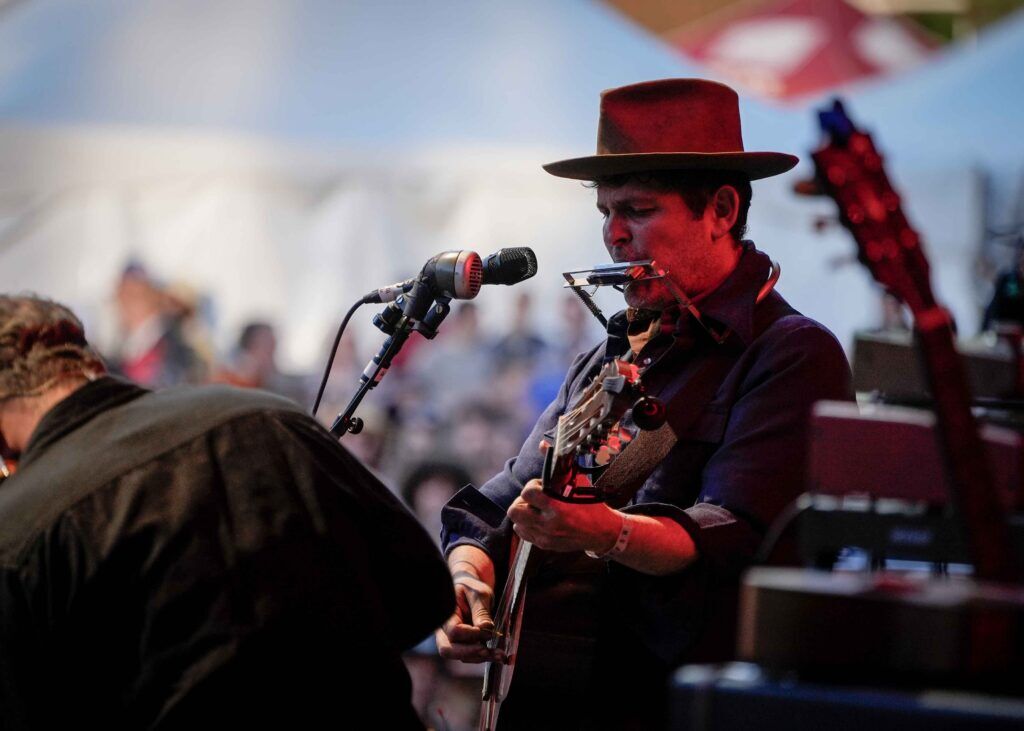
79. Grammy-nominated folk troubadour Gregory Alan Isakov (b. 1979) was called “the musical heartbeat of the Centennial State” by 303 Magazine. He’s a poet on par with Leonard Cohen; a farmer on par with Johnny Appleseed. Boulder’s adopted South African, who immigrated to the U.S. at age 7 and moved to Colorado in 2020, is a central figure in the booming local food movement. His Starling Farm cultivates naturally pollinated crops for local restaurants and food-share services. It’s also a recording studio that captures his gentle but rugged and somehow quintessentially Colorado sound. Isakov even intentionally schedules his tours around the food-growing seasons. See him Sept. 6-7 at Red Rocks.
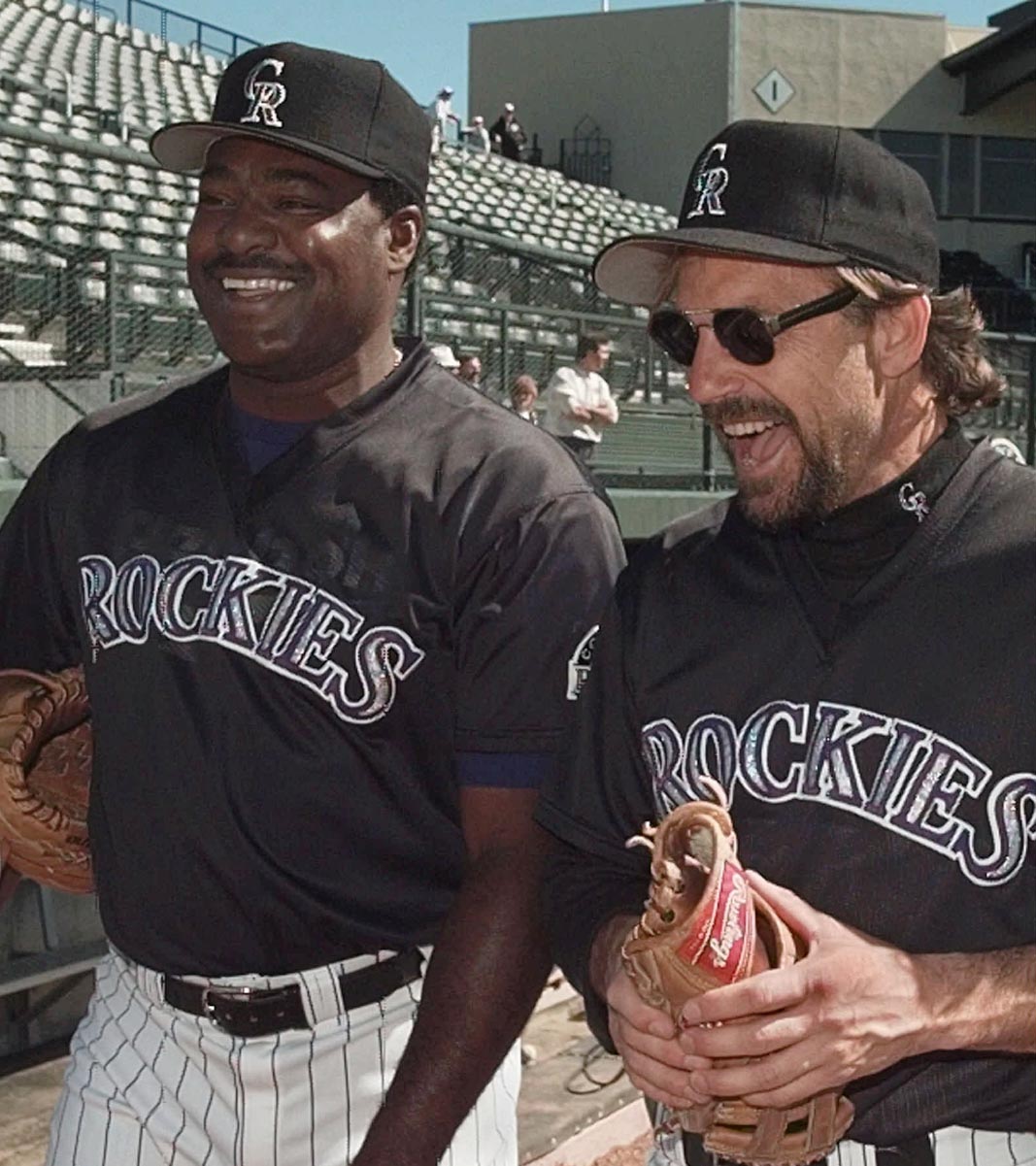
80. Kevin Costner (b. 1955): For the most part, part-time Colorado celebrity tourists will not appear on this list. But Costner is an exception, because his Colorado footprint extends well beyond his legendary, 160-acre Dunbar Ranch in Aspen. (It’s named after his “Dances with Wolves” character.) Instead of developing his lucrative land for profit, Costner has spent two decades turning it into a massive conservation project. He’s also used Colorado as a backdrop for films like “American Flyers” (which follows two brothers in a grueling bicycle race through the Rocky Mountains), and one key sequence in “Horizon (Chapter 2),” creating employment opportunities that have benefited Western Slope artists, residents and businesses. He also has a band: Kevin Costner & Modern West, and they have performed at the Belly Up in Aspen. Hollywood titan? You bet. But one who actively and emotionally pours his creative energy back into the local scene through philanthropy, land stewardship, influence and community impact.
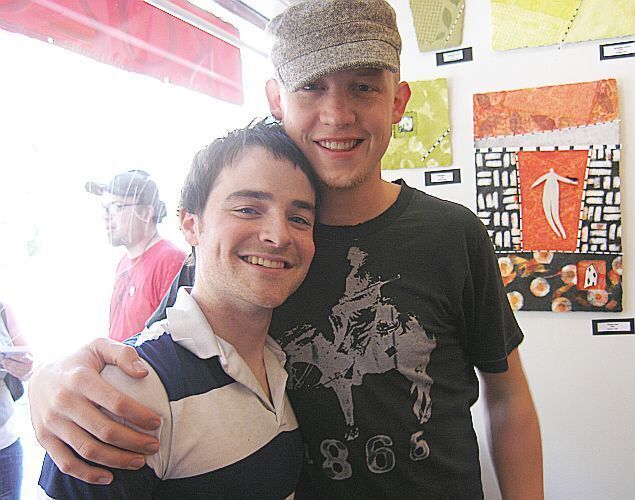
81. Isaac Slade’s multiplatinum band The Fray (2002-) is the rare faith-based band to achieve global success (and four Grammy Award nominations) behind hits like “How to Save a Life.” Slade (b. 1981), a graduate of Faith Christian Academy and the University of Colorado Denver, also co-founded (with now-U.S. Sen. John Hickenlooper) Take Note Colorado, a statewide initiative that provides musical instruments and instruction to K-12 students throughout the state. Slade works to boost arts funding, destigmatize mental health and frequently lends his name and voice during times of crisis. He left the band in 2022 and moved to a tiny cabin in the Pacific Northwest to escape burnout, open a record shop and focus on his health and family.
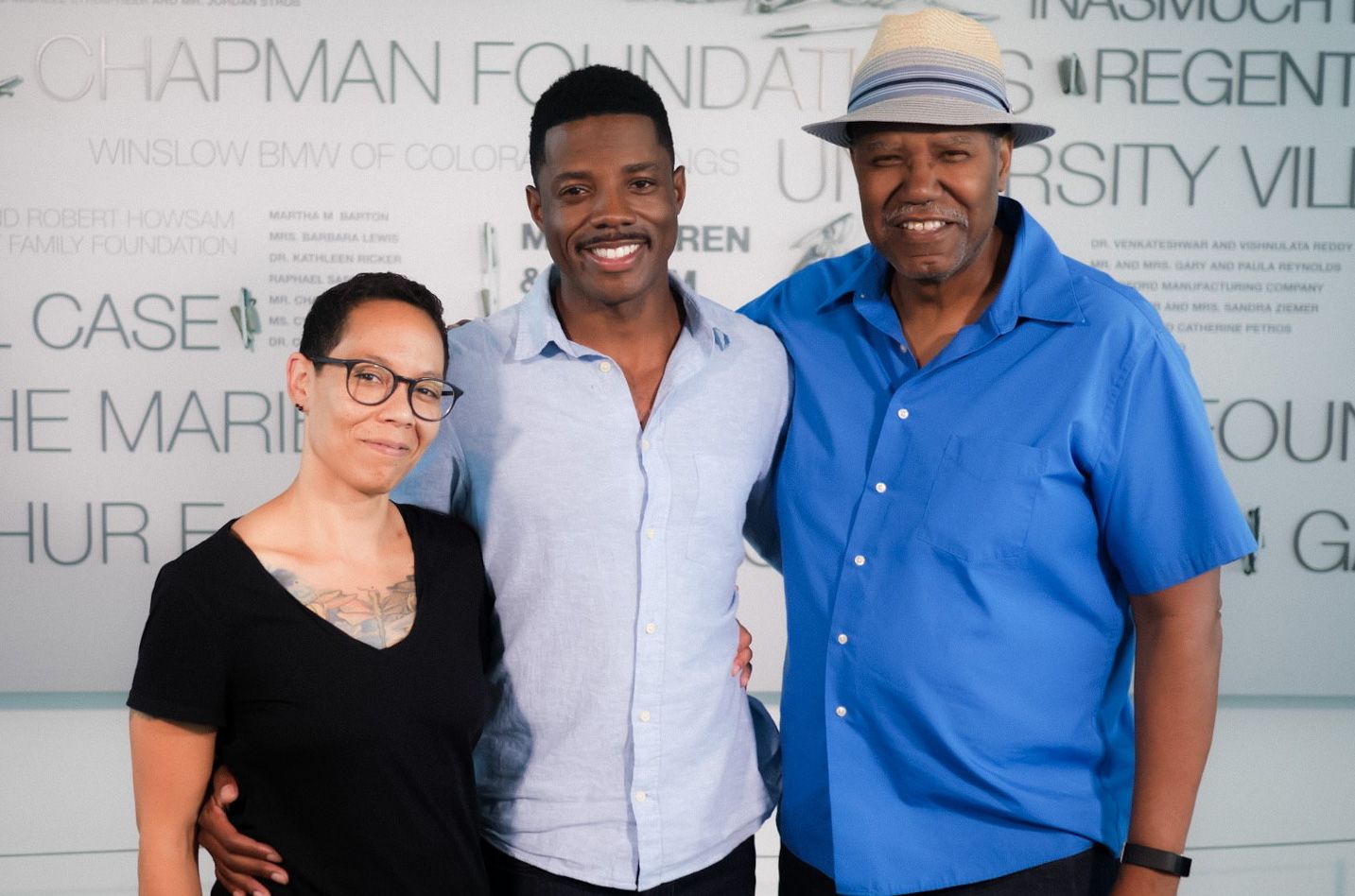
82. donnie l. betts (b. 1952) is a towering cultural pillar who has spent decades using art as a powerful tool for social change in Colorado. He is an archivist, filmmaker, actor, culture-shifting director and podcaster (“Destination Freedom Black Radio Days”). He is a Yale grad and was an original member of the Denver Center Theatre Company’s very first repertory acting company back in 1980. The lowercasing of the name is betts’ deliberate, lifelong personal statement about the historic marginalization of Black Americans.
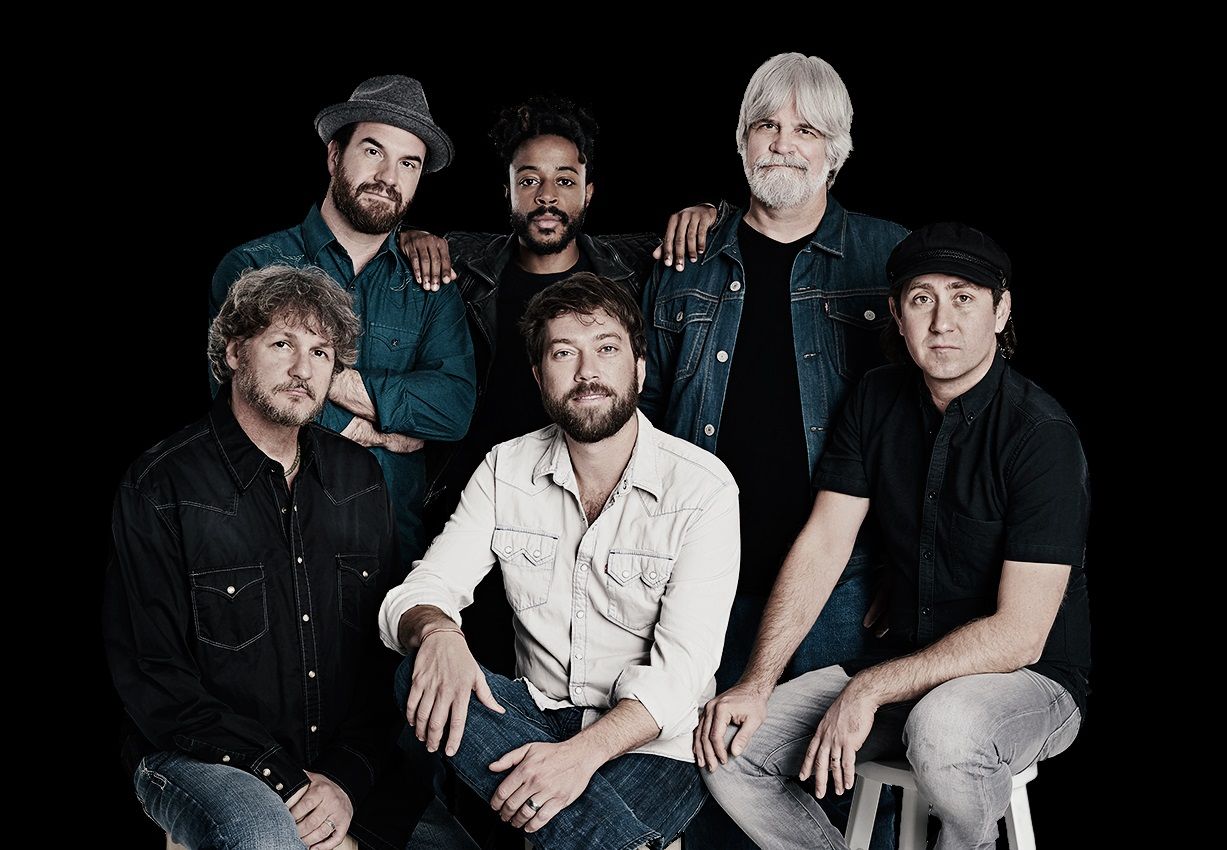
83. Leftover Salmon (1989-) has been called “the ultimate architectural blueprint for modern Colorado bluegrass fusion.” Put another way: “the architects of jamgrass” and “polyethnic slamgrass.” Whoa, I’m tripping. I just know these beloved Excess Fish are a chill time, every time. Founders Vince Herman and Drew Emmitt hold a prominent place in Colorado music history for paving the way for modern progressive roots music across the Rocky Mountain region. Catch them Aug. 1 at the Rhythms on the Rio Festival in Del Norte, or Aug. 7-8 at the Dillon Amphitheater.
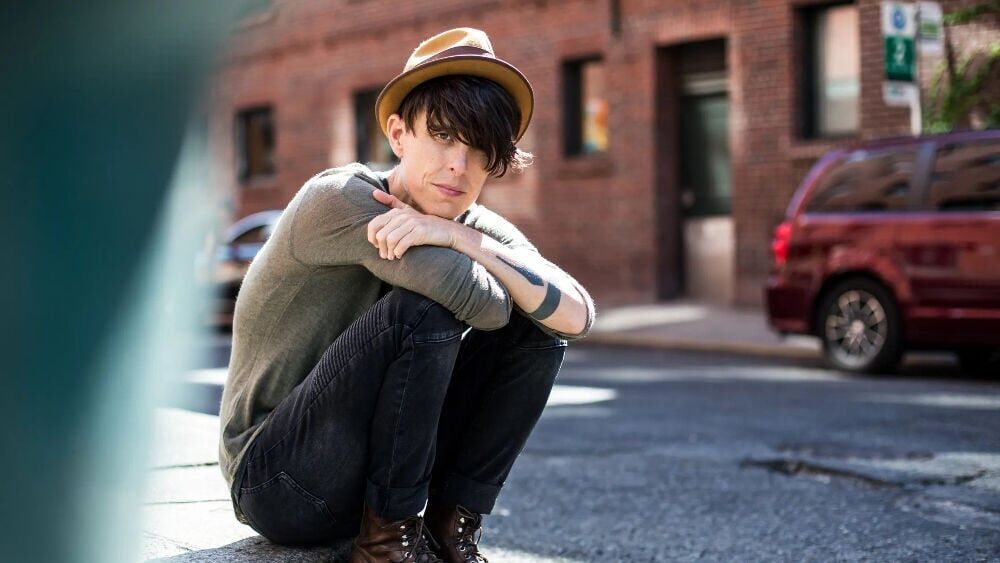
84. Historic Colorado Poet Laureate Andrea Gibson (1975-2025) was a legit rock-star poet who transcended the traditional boundaries of spoken word and could effortlessly annihilate any room, evoking everything out of audiences from deep sobbing to deep laughter. The oddly ebullient documentary “Come See Me in the Good Light” chronicled Gibson’s final months after a terminal ovarian cancer diagnosis and their profound love story with fellow poet Megan Falley. “When your heart is broken, you plant seeds in the cracks and pray for rain.”
85. TV pioneer Ralph Edwards (1913-2005): The legendary host of both “Truth or Consequences” and “This Is Your Life” was born in Merino (just southwest of Sterling along Interstate 76) to parents who were original Colorado homesteaders. As a journalist, he pioneered the unscripted, impromptu interview format. During World War II, his cross-country radio tours raised more than $500 million in war bonds for the U.S. Treasury. In 1948, he used his considerable national media influence to help launch the American Heart Association.
86. While Michael Martin Murphey (b. 1945) is a proud son of Texas, Colorado has served as the creative birthplace of his biggest hits, namely the Colorado-inspired “Wildfire” (recorded at the legendary Caribou Ranch studio outside of Nederland). In 1974, he moved into an isolated, phone-free cabin in Bailey to escape the music industry. According to the Colorado Music Experience, Murphey would drive down to a local gas station anytime he needed to use a payphone. He also operated the Singing Cowboy Ranch just south of Buena Vista and has since worked on cattle ranches in Beulah, Walden and Durango. He also brought his popular “WestFest” music festival to Steamboat Springs and Copper Mountain.
87. Cowboy Poet Baxter Black (1945-2022): The “Will Rogers of the High Plains” not only helped put cowboy poetry on the map in the 1980s, “he might be the only poet in the United States who is making an actual living at it,” Westminster poet Doc Mehl told The Denver Post in 2013. The folksy philosopher and popular radio commentator graduated from Colorado State University’s veterinary school in 1969 and moved his family to Denver in 1980, later settling in Brighton. Black, it has been said, “completely defined the modern ethos of Western folk art and cowboy poetry with a unique blend of rural humor and a deep respect for the agricultural lifestyle.” In his final essay, he wrote: “I like living a life where horses matter.”
88. The multi-instrumental gypsy-rock ensemble DeVotchKa (1997-) remains the pinnacle example of a Denver band that successfully crawled out from the underground to attain global acclaim without ever losing their raw, “acousti-punk” identity. The band’s score for the 2006 indie megahit “Little Miss Sunshine” transformed frontman Nick Urata – I call him the physical impersonation of perpetual heartbreak – into a Grammy Award-nominated film composer. Catch DeVotchKa on July 13 opening for a Film on the Rocks screening of “Little Miss Sunshine.”
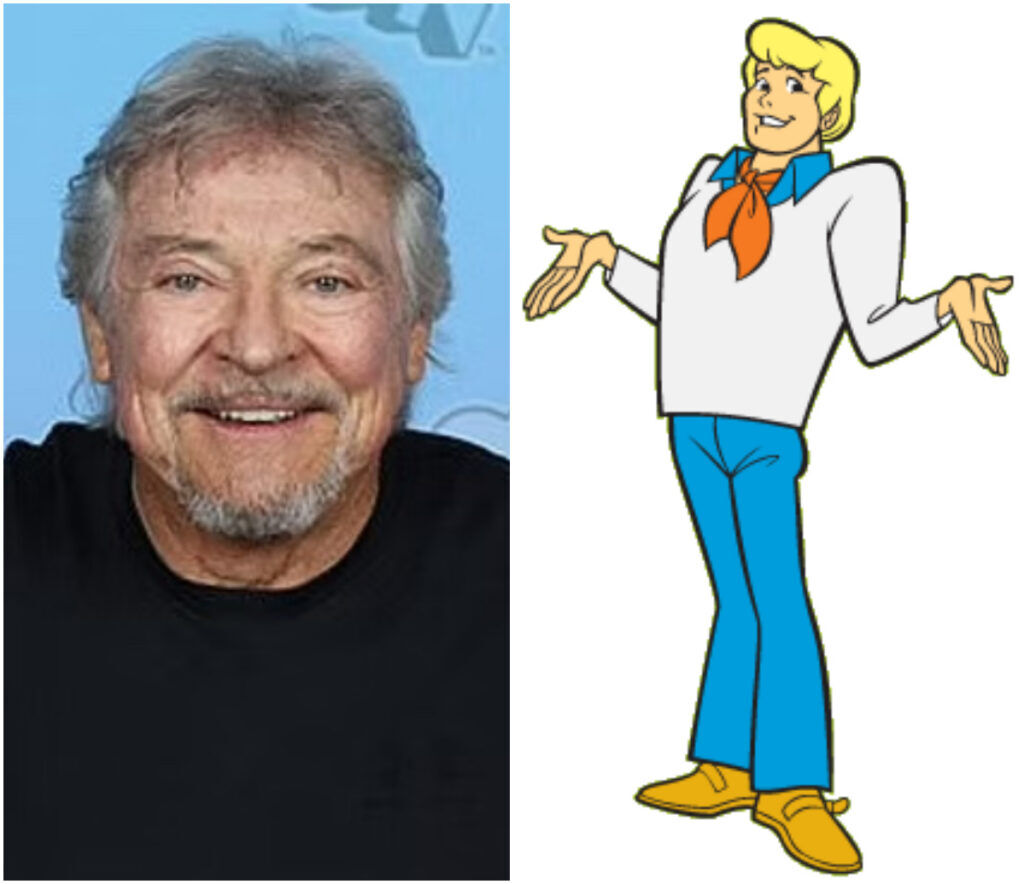
89. You might not recognize the face, but Frank Welker (b. 1946) is one of the most prolific and influential actors in Hollywood history – and secret Colorado royalty. He has been the continuous voice of Fred Jones in “Scooby-Doo” since 1969 (and took over voicing Scooby himself in 2002). He’s been the voice of Curious George since 2006. Also: Megatron in “Transformers,” Nibbler in “Futurama” and Abu in “Aladdin.” He is a 1964 graduate of Thomas Jefferson High School, where his classmates voted him “Most Likely to Recede.”
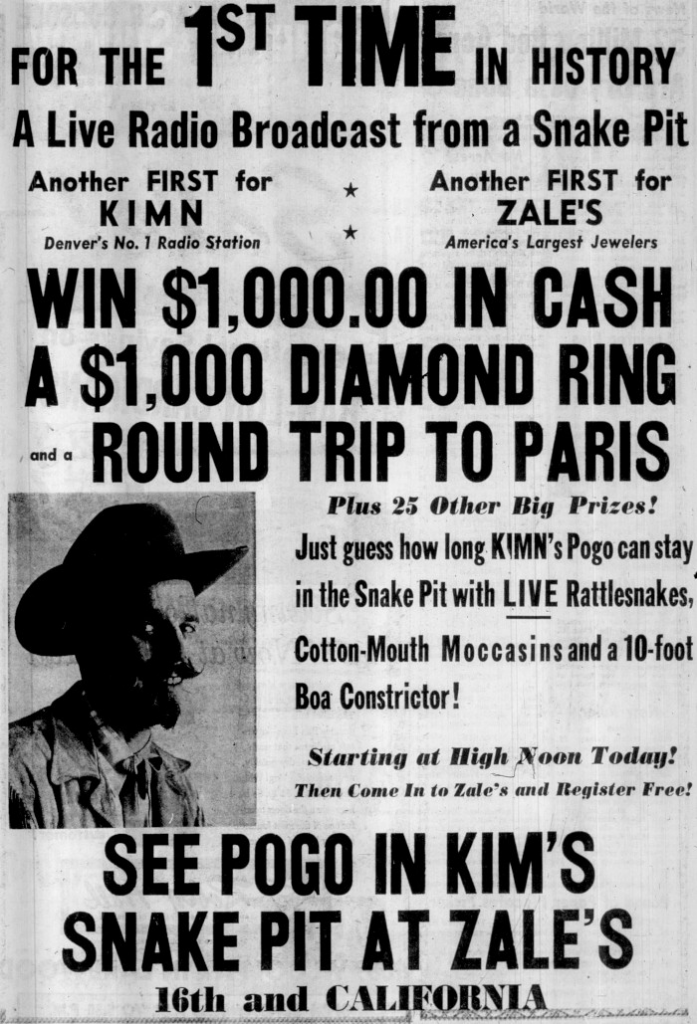
90. Hall of Fame radio and TV entertainer Morgan Branch White (1924-2010) was known throughout Denver as “Pogo Poge” after hopping on a pogo stick for more than 40 miles in a grueling competition against a rival Utah DJ. Poge ruled rock ‘n’ roll radio at KIMN from 1957-64 through outrageous and often absurd promotional stunts, including spending 13 days with 100 snakes (some venomous) in the display window of Zale’s Jewelers in downtown Denver. (He got bit and was rushed to a hospital for treatment.) He once played the Kingston Trio’s “Tom Dooley” on a continuous loop for 18 hours. He was both Denver’s own Johnny Knoxville and Dick Clark, hosting huge teen dances at what is now the Fillmore Auditorium. Teens were known to ride their bikes to the radio station just to watch Poge broadcast through the studio windows. Once, a group of University of Wyoming students broke into the studio during a live broadcast, abducted Poge, stuffed him into the trunk of his own car, drove him out of town and shaved his head. After leaving Denver for an even more legendary radio and TV career in Hawaii, he appeared on six episodes of “Hawaii Five-O” as the state’s attorney general.
91. Like so many other music superstars, folk god Dan Fogelberg (1951-2007) fled the commercial pressures of the 1970s pop-rock scene for a more isolated life in the Rocky Mountains. Fogelberg moved to the 9,000-foot solace of Nederland in 1974, where he wrote his biggest hits (“Longer,” “Leader of the Band” and “Hard to Say,” with the Eagles’ Glenn Frey on backing vocals). He later moved to a ranch in Pagosa Springs, where he built a recording studio. According to the Colorado Music Experience, the reclusive Fogelberg cherished his anonymity, often playing incognito in small-town bars with “a good-time rock ‘n’ roll band” called Frankie & the Aliens.
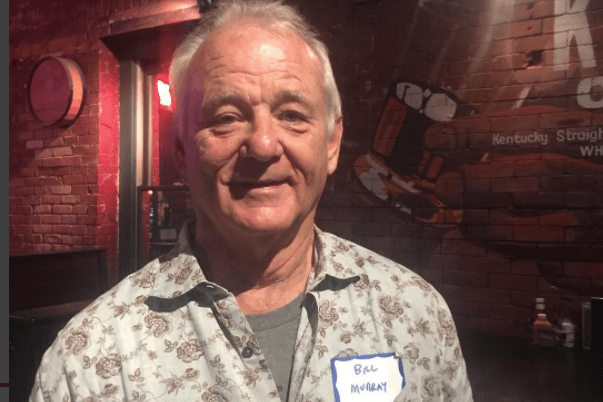
92. Is it a stretch to claim quintessential Chicagoan Bill Murray (b. 1950) as one of our own? Sure. But for a year, Murray attended college in the very same building I later attended high school – so, yeah, we’re going there. The story (Is it fact? Fiction? Urban legend? You decide.) goes like this: On Sept. 21, 1970 (his 20th birthday), Murray is flying back to Denver from Chicago to start his sophomore year at Regis College (now University), where, hand to God, he is studying pre-med. While waiting to board, he jokingly tells another passenger he has two bombs in his luggage. Federal marshals don’t find explosives: They find 10 pounds of marijuana. (And let me just tell you from personal experience: The Jesuits tend to frown on this sort of thing.) Anyway: Murray gets five years of probation. To avoid expulsion, he dropped out, returned to Illinois and pivoted to comedy. Ergo: No Colorado, no “Caddyshack.” Decades later, Regis forgave him, awarding him an honorary degree in 2007. He even crashed a 2017 class reunion at LoDo’s Jackson’s sports bar and has been spotted playing a round at public golf courses like Willis Case and City Park.
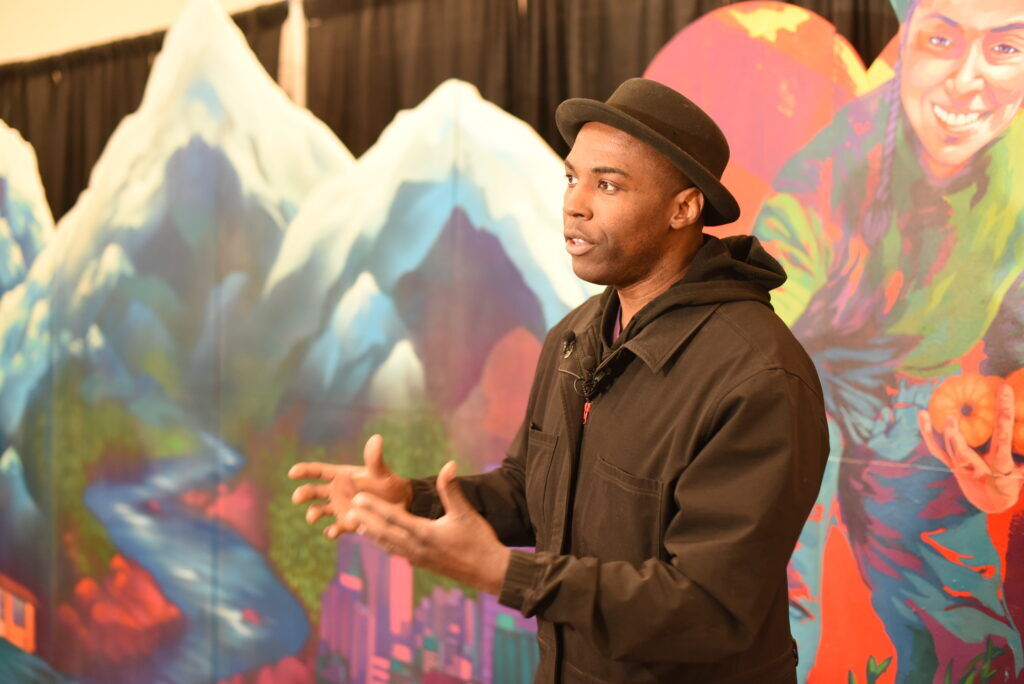
93. Thomas “Detour” Evans (b. 1984): Over the past decade, the groundbreaking mixed-media artist has infused Denver with an experimental vibe where street culture meets technology, democratizing high art in gentrifying neighborhoods. Detour’s massive murals celebrate Colorado trailblazers like Tuskegee Airman John Mosley, entrepreneur Madam C.J. Walker and classical musician Charles Burrell. He also fundamentally changed how Denver processes collective trauma through his flower-framed portraits of Elijah McClain, George Floyd and Breonna Taylor. His Denver International Airport installation — an infinity loop of 183 upcycled pieces of luggage — is the first thing millions of global travelers see of Denver. He remains a living example of how one visual artist can reshape a city’s public landscape and collective conscience.
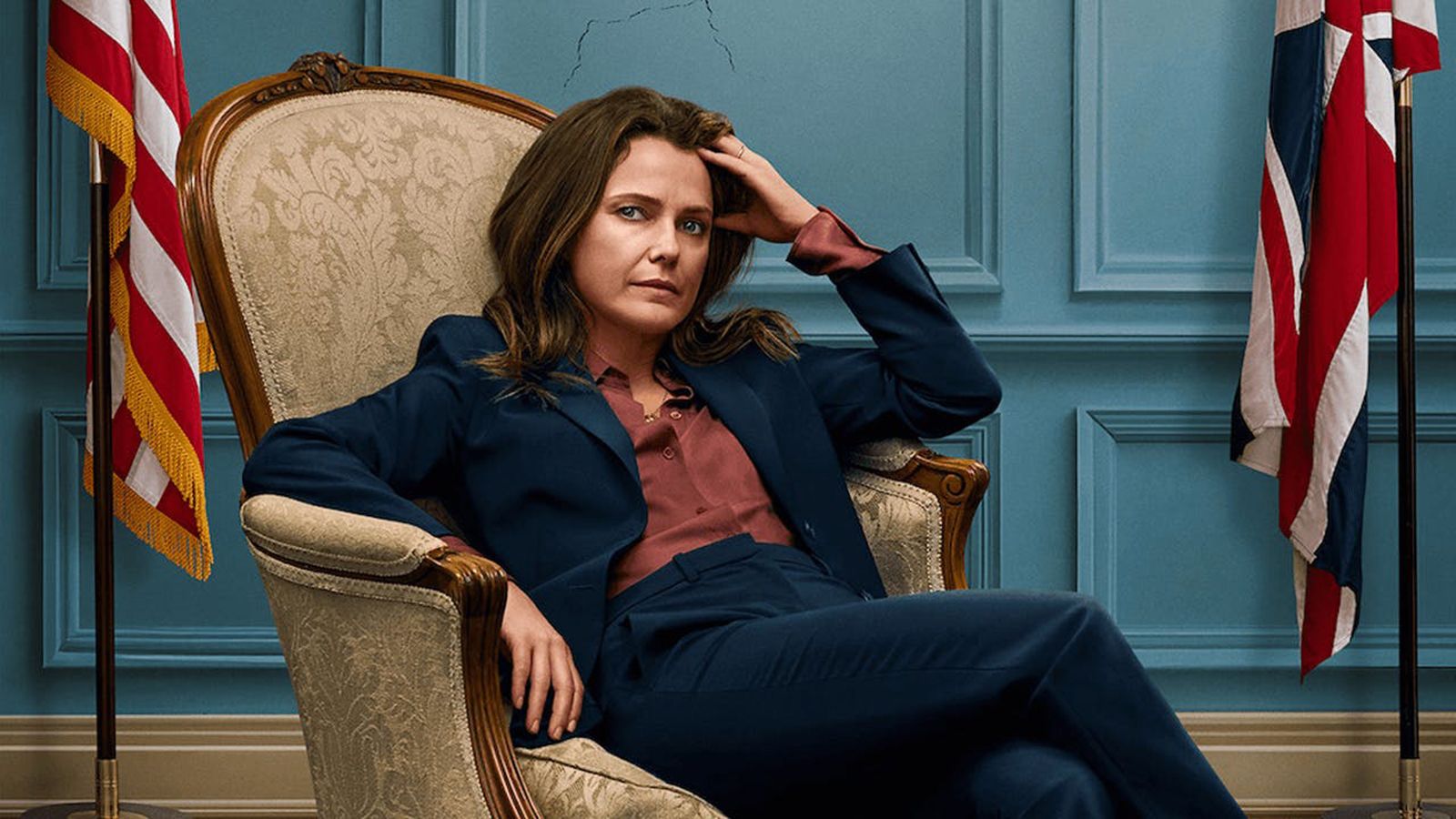
94. “Felicity” star Keri Russell (b. 1976) moved to Colorado at age 13 to train 40 hours a week at Centennial’s Starstruck Academy of Dance, later graduating from Highlands Ranch High School. Her life forever changed in 1991 when she attended a Disney open call at the Colorado Convention Center just to support friends. Instead, a scout plucked her from the crowd, casting her in “The All New Mickey Mouse Club” alongside Britney Spears, Justin Timberlake and Ryan Gosling. Russell credits that rigorous Denver dance training with preparing her for show business. Decades later, she highlighted the state by starring in the 2005 World War II drama “The Magic of Ordinary Days” — which was set in rural Colorado but filmed in Alberta.
95. The Astronauts, Surf Band (1960-68): See above.
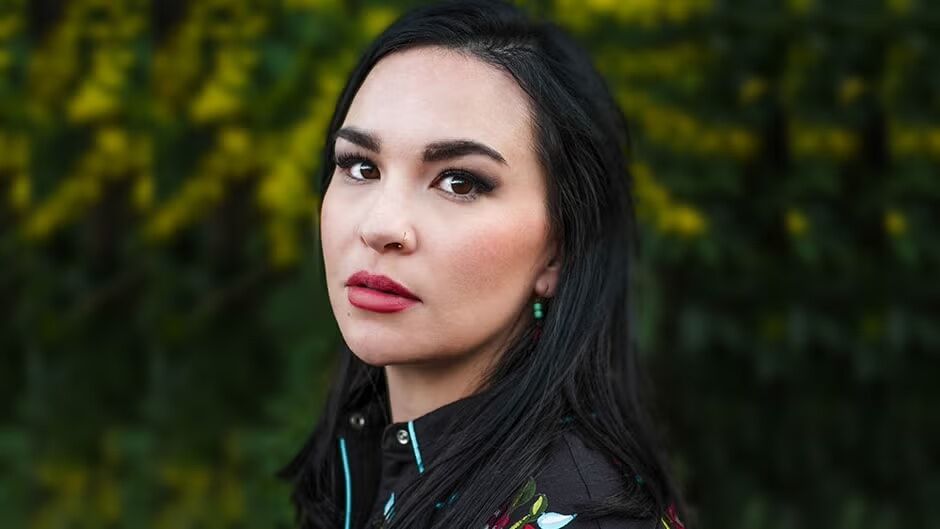
96. Author Kali Fajardo-Anstine (b. 1986) has emerged as a monumental figure in Colorado literature. Born in Denver and raised in Arvada, she is celebrated for debunking the myth of the American West as a singularly White space, centering her award-winning fiction instead on Indigenous, Chicana and Latina women. Her debut story collection, “Sabrina & Corina,” is a love letter to Denver and southern Colorado and was a National Book Award Finalist. Fajardo-Anstine dropped out of Pomona High School because of mental-health struggles and earned her GED before graduating from Metropolitan State University of Denver and earning a master’s degree from the University of Wyoming. She worked for more than a decade as an independent bookseller at the iconic West Side Books in North Denver.
97. Tim Allen, actor (b. 1953): The “Home Improvement” star was born in Denver, attended Dora Moore Elementary School and experienced trauma far too young. Allen was 11 when his father was killed by a drunk driver on the way home from a 1964 CU football game in Boulder. While the family moved to Michigan a few years later, Allen has often cited his time running amok with brothers and cousins in Denver as the foundational blueprint for his “man’s-man” comedy style. He has long maintained his Colorado roots by owning a home in Grand Lake, where he married his wife, Jane Hajduk, in 2006.
98. India.Arie (b. 1975): The four-time Grammy-winning soul singer is the daughter of Ralph Simpson, one of the greatest players in Denver Nuggets history. Named after Mahatma Gandhi’s native country, she moved to Atlanta at age 13 following her parents’ divorce. Finding the school environment difficult there, she returned to Colorado and graduated from Aurora’s Rangeview High School in 1994. The singer calls her Colorado youth foundational; it was here that her mother introduced her to music and taught her to play multiple instruments. According to the Colorado Music Experience, she remains an influential creative voice for self-acceptance, healing and Black empowerment.
99. Hollywood Walk of Famer Tom Tully (1908-82) was born in Durango, served in the U.S. Navy and worked as a junior reporter for The Denver Post before pivoting to acting because “the pay was better.” He earned a 1954 Academy Award nomination for playing the first commander in “The Caine Mutiny” alongside Humphrey Bogart and co-starred as Inspector Matt Grebb on the CBS detective series “The Lineup” from 1954-60. Just before his death, Tully completed a historical manuscript honoring his journalist grandfather, David F. Day — a Civil War Medal of Honor recipient at Vicksburg and the fearless, crusading publisher of the newspaper that became The Durango Herald.
100. Kristin Schaal (b. 1978) was born and raised on her family’s small cattle farm in rural Longmont, where she graduated from Skyline High School in 1996. She shot to global fame for her breakout role as the delightfully unhinged stalker-fan Mel in the HBO cult hit “Flight of the Conchords,” and is now considered animation royalty for her work as the voice of Louise Belcher on “Bob’s Burgers,” Mabel Pines on “Gravity Falls” and Carol Pilbasian on “The Last Man on Earth.” She credits Longmont’s “Break the Cycle” community outreach program and Curious Theatre’s touring youth productions for her start as a stage performer, and the Aspen Comedy Arts Festival for her start in stand-up. She landed her dream job as a writing consultant for “South Park,” but she was (now) famously fired after a month for talking too much and pitching too many “incompatible” ideas.
Next week: Nos. 75-99
John Moore is The Gazette’s senior arts journalist. Email him at [email protected].
YOUR TWO CENTS: The Colorado 150 is a curated compilation of 150 seminal Colorado entertainers, writers, performers, artists, architects, creators, builders and cultural tastemakers — people who have left fingerprints on our culture in ways large and small over the past 150 years. We encourage you to send us comments, complaints and your own personal top 10 Colorado names to [email protected].
EDITOR’S NOTE: The Denver Gazette used a variety of research tools to determine, compile and compress the Colorado 150 into these capsule summaries, including newspaper databases, news services, the Denver Public Library, History Colorado and Google, which now integrates AI into its basic functionality.
The list so far:
- READ PART 1: Nos. 126-150
- READ PART 2: Nos. 101-125
- 101. Ed Dwight
- 102. Bob Martin
- 103. Firefall, band
- 104. Cassandra Peterson, Elvira, Mistress of the Dark
- 105. Melissa Benoist, actor
- 106. Freddi-Henchi Band, band
- 107. Carlos Lando, radio
- 108. Jill Sobule. Music
- 109. Flobots
- 110. Dave Logan
- 111. Donovan Marley
- 112. Mandy Patinkin
- 113. Hazel Miller
- 114. Yonder Mountain String Band
- 115. Nick and Helen Forster
- 116. Mandy Moore
- 117. Bret Saunders
- 118. AnnaSophia Robb
- 119. The Grawlix: Adam Cayton-Holland, Andrew Orvedahl and Ben Roy
- 120. John Edward Williams
- 121. 3OH!,
- 122. Sheryl Lee
- 123. Peter Heller
- 124. Ken Curtis
- 125. Kalyn Rose Heffernan
- 126. Blinky the Clown
- 127. Lowell Thomas
- 128. Maya Lin
- 129. Gene Amole
- 130. String Cheese Incident
- 131.. Philip K. Dick
- 132. Tony Garcia
- 133. Irv Brown
- 134. Nitty Gritty Dirt Band
- 135. Luis Alfonso Jiménez Jr.
- 136. Otis Taylor
- 137. Pete Smythe
- 138. Garrett Ammon and Dawn Fay
- 139. Illenium
- 140. Reynelda Muse
- 141. Andrew Novick
- 142. Lynne Taylor-Corbett
- 143. Lonnie Hanzon
- 144. Thomas Hornsby Ferril
- 145. Tig Notaro
- 146. Ji-young Yoo
- 147. Pat Milbery
- 148. Lannie Garrett
- 149. Sandra Dallas
- 150. Rich Moore and Mollie O’Brien