







CSU expert shares air awareness strategies amid rising smoke, ozone risks
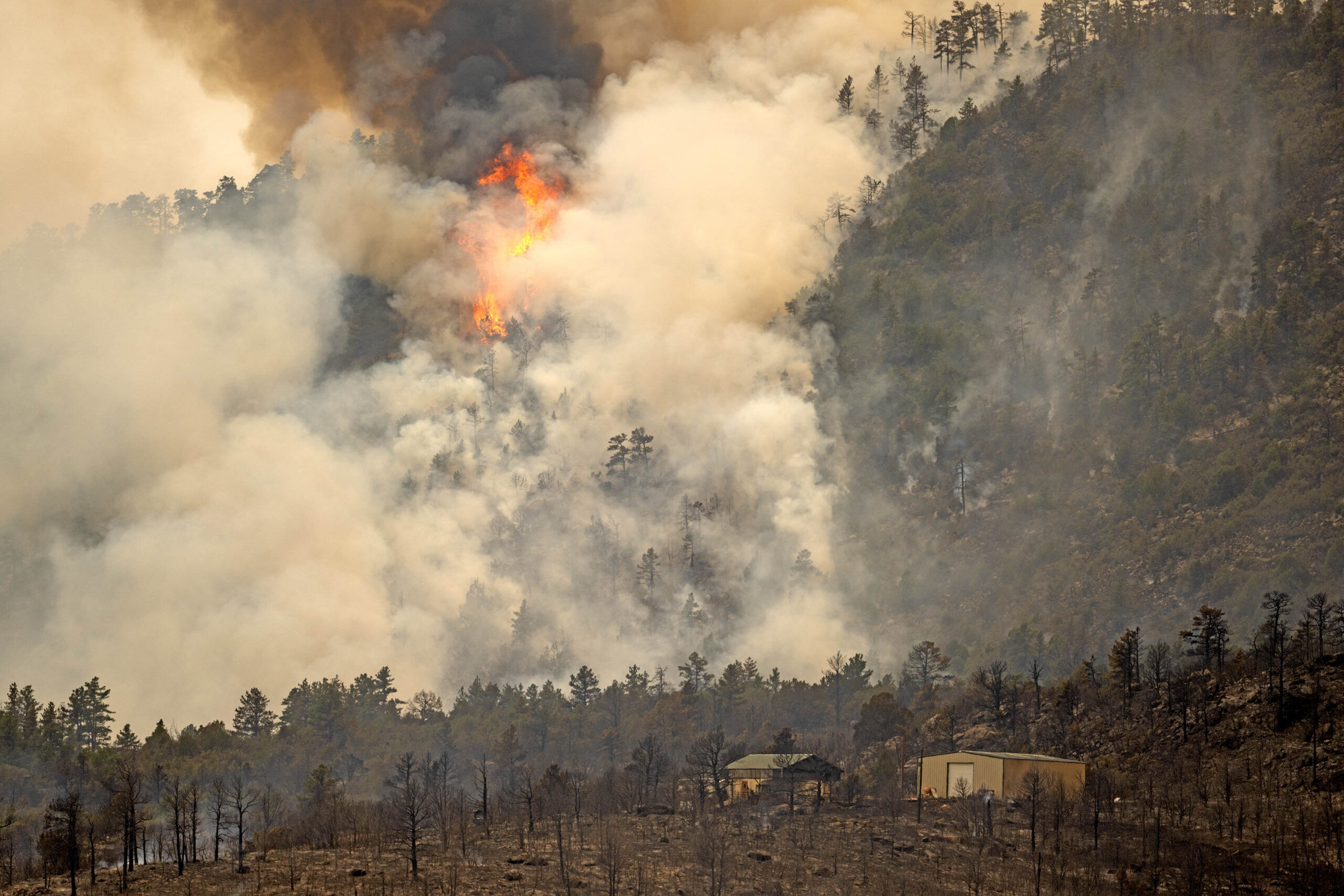
Wildfire smoke is blanketing parts of Colorado this summer following a dry winter, with large fires such as the Aspen Acres fire burning tens of thousands of acres and sending plumes across the state.
Combined with frequent high-ozone days on the Front Range, poor air quality is threatening public health.
The metro Denver area and north Front Range is a severe nonattainment area for federal ozone standards. Ground-level ozone forms when nitrogen oxides and volatile organic compounds react in heat and sunlight. Wildfire smoke adds precursors that can amplify this process, leading to more Ozone Action Days.
Colorado State University public health researcher Sheryl Magzamen tracks the impacts of smoke and urges residents to stay air aware. Her work includes studies on cardiopulmonary effects from local and transported wildfire smoke in the Front Range, according to a CSU news release.
Magzamen leads a NASA-funded project with the U.S. Department of Veterans Affairs examining how smoke affects veterans with chronic obstructive pulmonary disease and explores long-term and chronic exposure risks.
“We have two goals for this study, which is asking questions that we haven’t been able to look at extensively before,” Magzamen said in the release. “First, what happens to a person’s health over the long term after a wildfire smoke event? And second, what happens to people’s health when we now have chronic exposure to smoke – when we may be exposed to wildfire smoke season after season? Can we start to put a number on that?”
She and colleagues call smoke a “silent epidemic.” Particles from distant fires can travel far and infiltrate indoors.
Magzamen recommends these steps:
Prepare an evacuation plan for fires, including pets and livestock, when authorities issue orders.
Monitor air quality at Airnow.gov or CDPHE resources. The Air Quality Index ranges from 0 to 500. Readings above 100 are unhealthy for sensitive groups. Readings above 150 are unhealthy for everyone. On Monday, Denver’s Current Air Quality stood at 129, according to Airnow.gov
Protect vulnerable populations. Smoke and ozone hit hardest among the elderly, young children, pregnant women and those with asthma, COPD, heart disease or diabetes. Avoid intense outdoor activity on high AQI days.
Maintain indoor systems. Change air filters every six months. Swamp coolers do not filter air and can pull smoke inside.
Check on neighbors. Offer help to those without cooling or in at-risk groups. Public spaces such as recreation centers or libraries provide relief.