Aspen Acres fire destroys historic, beloved lodge; fate of surrounding Pueblo Mountain Park uncertain
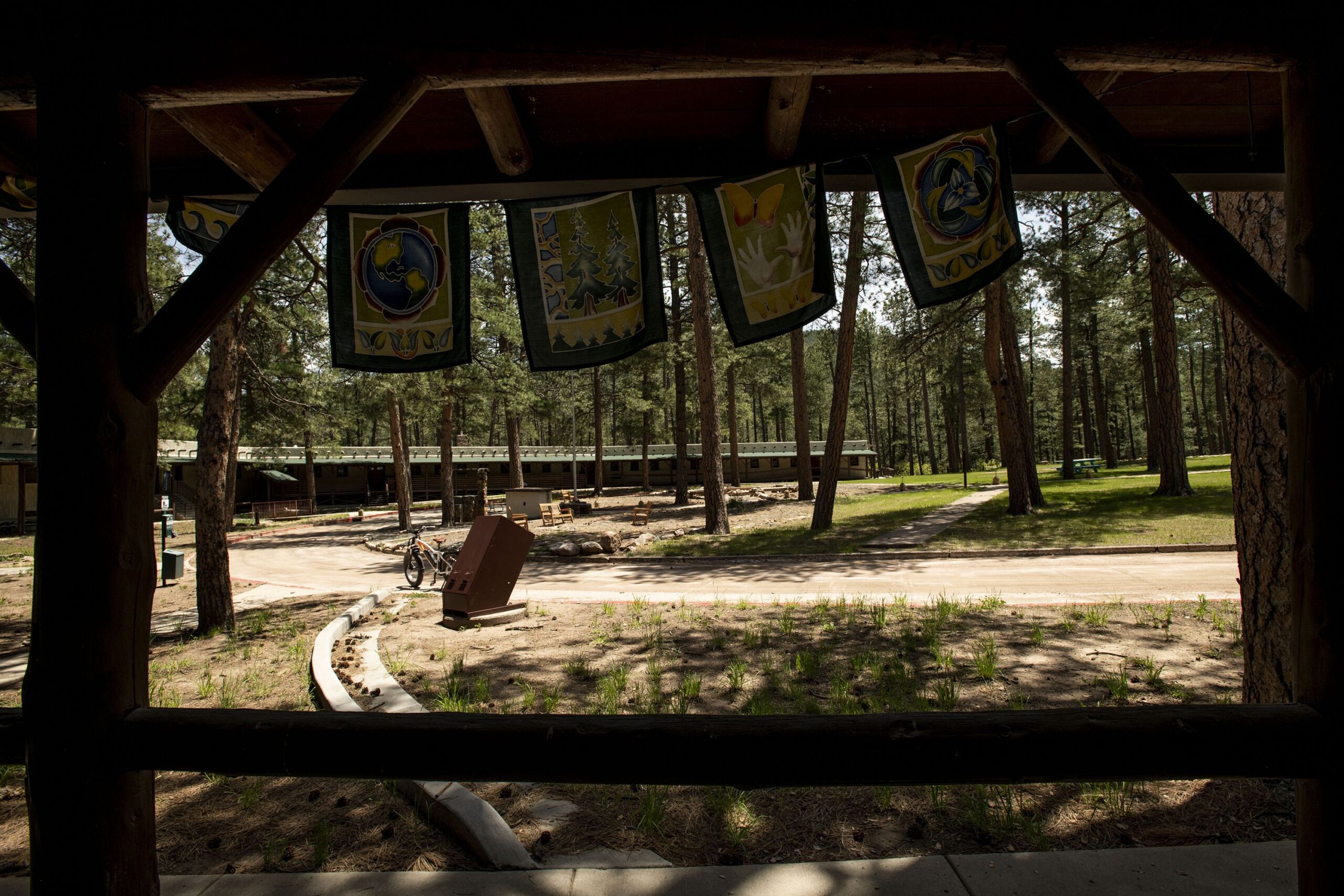
Inspirational quotes graced the walls of a historic lodge between the pines of a mountainous pocket of Southern Colorado, perched above the pastoral town of Beulah.
These were the words painted on one wall: “In the end we will conserve only what we love; we will love only what we understand; and we will understand only what we have been taught.”
So went the decades-long mission of Horseshoe Lodge ー to host kids for classes and camps and deepen their appreciation for the natural world on trails through the surrounding Pueblo Mountain Park.
Caren Ermel recently heard from one of those kids, who is now in college studying forestry. Ermel is the board chair of Nature and Wildlife Discovery Center, the nonprofit that has led programming and managed the 611-acre park.
That college student’s story was one of many such stories Ermel has heard over the years. “Her feeling was it changed her life, it changed her career path,” she said. “And she felt like, if our programming doesn’t continue, it will have a generational effect.”
Amid the ruins of the Aspen Acres fire, the future is uncertain.
Horseshoe Lodge was an early victim of the wildfire that has grown to one of the largest in Colorado’s history, claiming more than 250 homes in Pueblo and Custer counties. A lifelong resident of Beulah, Ermel believed her home to be spared early this week.
But seeing the photos of Horseshoe Lodge ー a black and hollow space between cement walls and a plaque for the National Register of Historic Places ー left Ermel feeling empty.
“I would’ve rather lost my home,” she said.
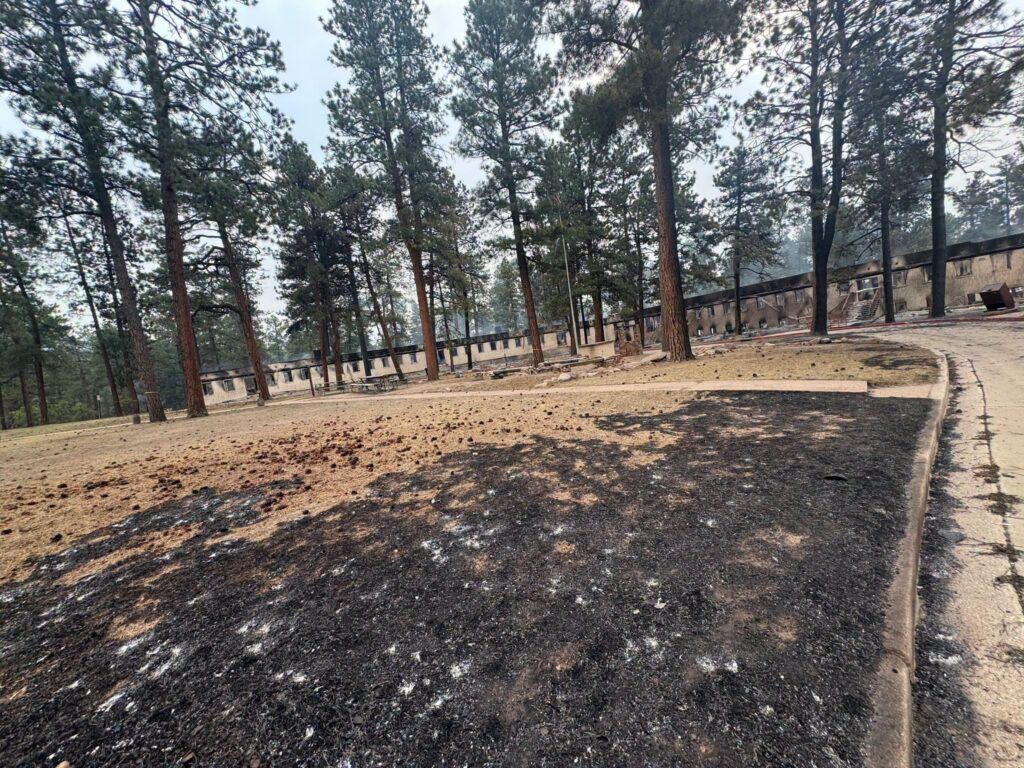
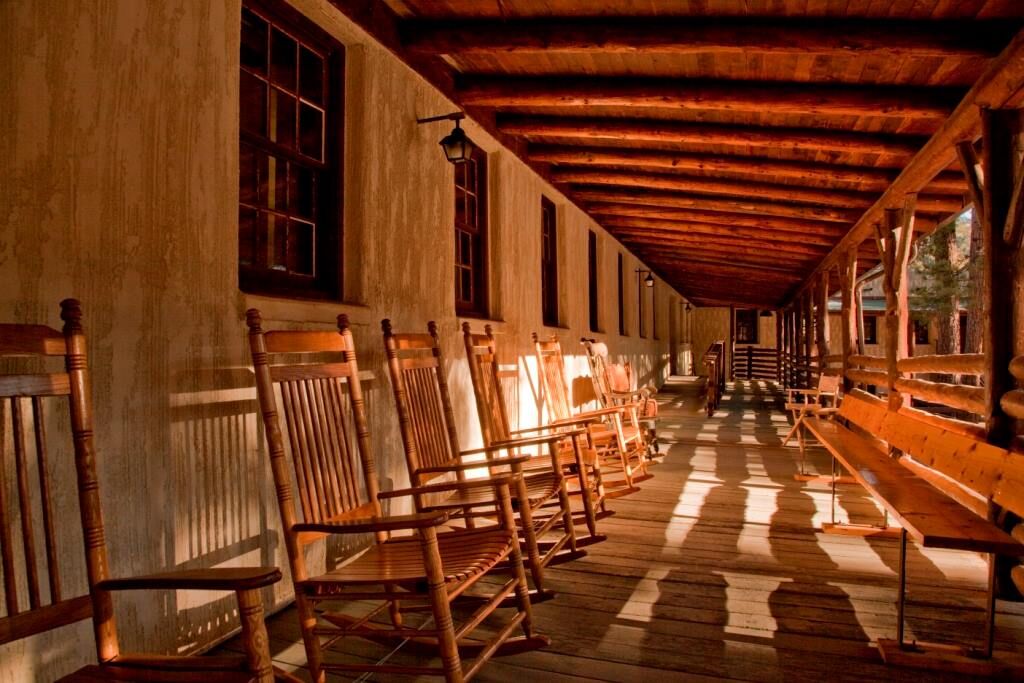
The 14,000-square-foot Horseshoe Lodge was like home to generations of locals and visitors going back to the 1930s, when it was built by the Works Progress Administration. Along with classes and camps for school kids in Pueblo, the lodge hosted church groups, 4-H clubs, family reunions, weddings and other overnighters who would cook in the kitchen, sing by a campfire and sleep in the dorm rooms.
The lodge was the base for the nonprofit Dave Van Manen established in the ’90s. He later oversaw its renovation thanks to nearly $2 million from grassroots fundraising.
“My heart is broken,” Van Manen wrote atop a recent blog post.
He continued: “One thing that drove me to take on the challenge of renovating the Lodge was the vision that long after I retired, long after I was gone, the Lodge and the Park would continue to be a center for learning about and experiencing the natural world. That vision is, sadly, no more.”
Van Manen moved to Colorado Springs last year after almost 50 years in Beulah.
“The main reason I left,” he said, “was because I knew the big one was going to be coming.”
But he never imagined losing Horseshoe Lodge. “We mitigated really heavily,” he said.
He assumed similar mitigation was done around the historic Grand Canyon Lodge before it was destroyed by a wildfire last year.
“That was just horrible what happened there,” Van Manen said, echoing grief heard around the country. “On a more localized scale, this is the same kind of loss.”
He worried about the loss extending to beloved trails across Pueblo Mountain Park.
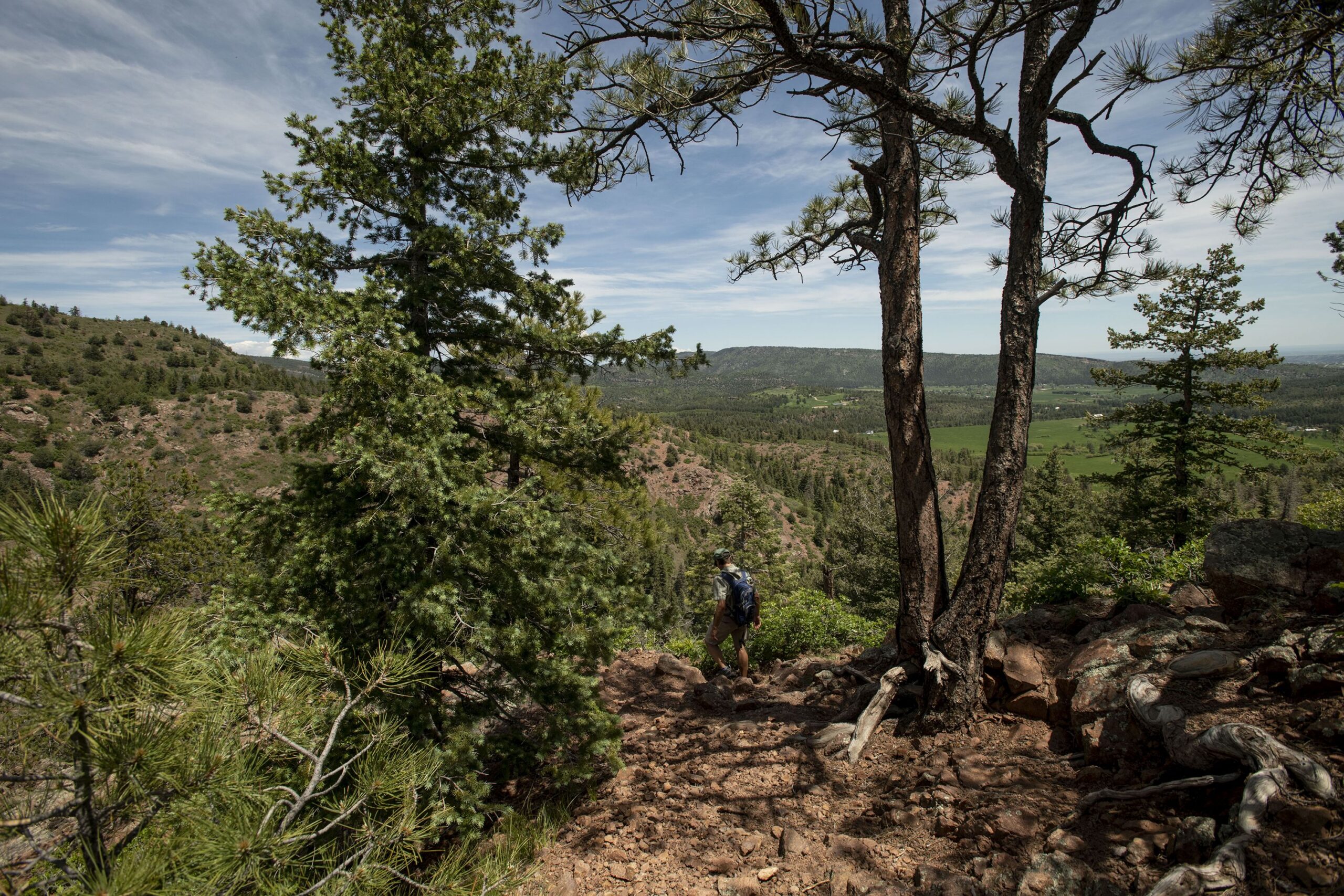
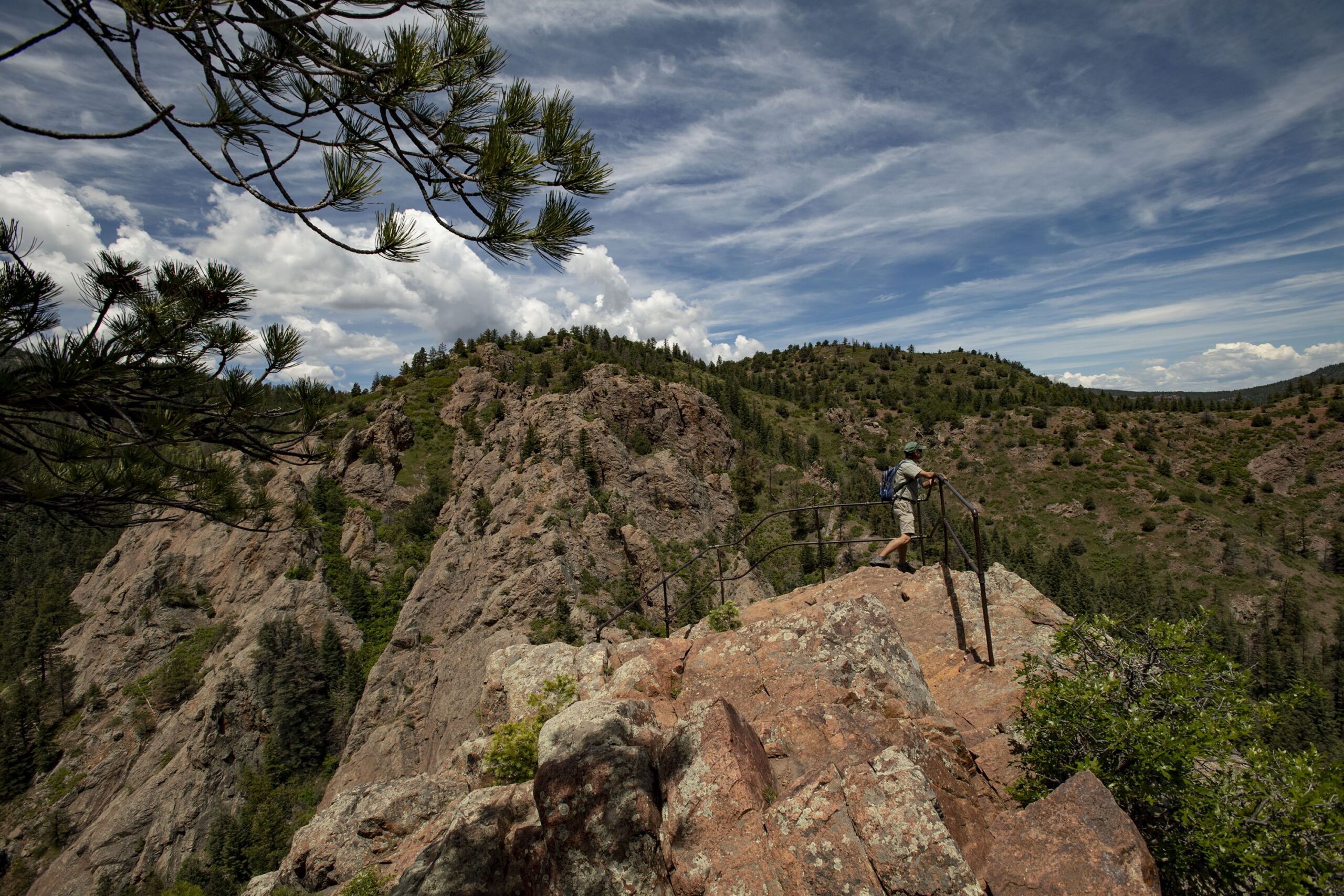
The forests, meadows, rock outcrops and sweeping vistas have recalled the more well-known North Cheyenne Cañon Park in Colorado Springs. Meanwhile, the picnic grounds, rodeo arena and baseball field have recalled Civilian Conservation Corps work in the park that grew with Pueblo’s steel mill and population.
These were years following a pandemic and world war that seemed to inspire radical thinking in a young landscape architect with the U.S. Forest Service. At a time when logging and grazing, not recreation, were priorities for national forests such as San Isabel bordering Pueblo Mountain Park, Arthur Carhart suggested: “Perhaps the rebuilding of the body and spirit is the greatest service derivable from our forests.”
He made this area his proving ground. His 1920 recreation plan for San Isabel National Forest is known to be the first of its kind, including a campground design of looping roads that inspired sites built across the country. Davenport Campground has been reached via trails from Pueblo Mountain Park.
Thanks to gentle roads widened for Model Ts and those amenities built by the Civilian Conservation Corps, the park “was one of the first gateways into the national forest, a model nationally,” Ermel said.
It has remained that gateway for her fellow people of Beulah and Pueblo fewer than 30 miles away. “It’s like you’re in Pueblo, and then you’re suddenly in a different country,” Ermel said.
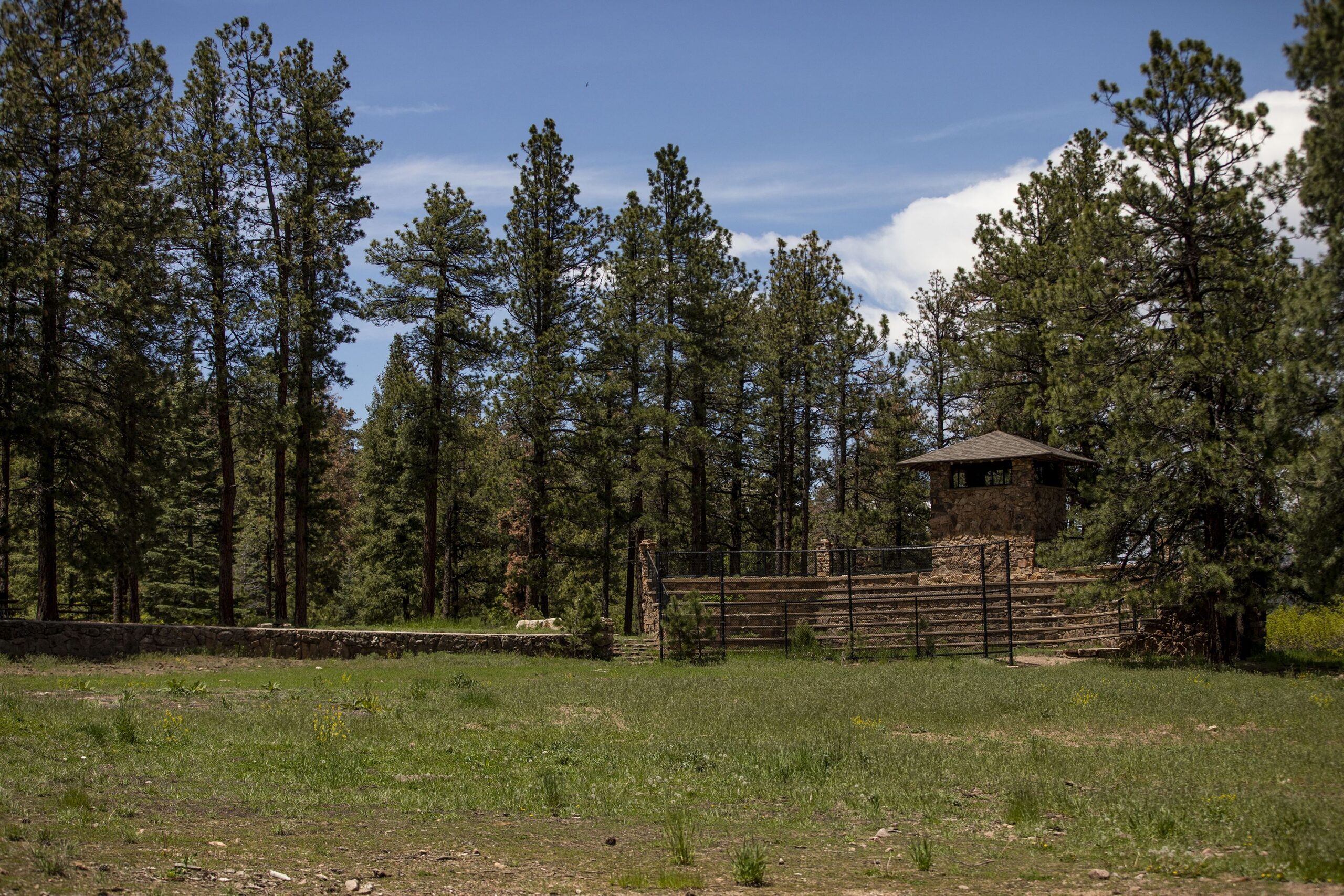
How different would it be after the fire? Ermel and the managing Nature and Wildlife Discovery Center had yet to know at the start of this week, as the fire continued to take its toll.
She sounded hopeful, as did Van Manen ー at least when it came to the park’s eastern woods where mitigation has been focused.
“But the western two-thirds of the park, or maybe more than two-thirds, my hunch is that probably burned pretty heavily,” he said. “My hunch is a good chunk of the park burned hot, and that’s where all the trails are.”
For decades he hiked those trails, leading kids and pointing out plants and animals and the geology that told millions of years of Earth history. Pueblo Mountain Park was an ideal classroom for Van Manen, just up the road from his house.
“For one thing, it was very easily accessible” for kids, he said. “No. 2, it was located right at where the plains ecosystem meets the montane ecosystem. So ecologically, it’s really rich.”
Locals have come to know the wildlife and newborns year after year. Perhaps not this year, Ermel said, speaking to the risks of treefall and flash flooding in the wake of barren hillsides.
Nature and Wildlife Discovery Center, which also oversees the Raptor Center in Pueblo, has called off programming at the park for the year.
“That’s revenue for the rest of the year. It’s a significant amount,” Ermel said. “And when funding is already a challenge … it’s a big hurt.”
Nature and Wildlife Discovery Center is taking donations on its website, hikeandlearn.org, “to ensure that future generations will still have a place to learn, explore and fall in love with the outdoors.”
On Facebook, the nonprofit made another request:
“Please continue to share pictures and stories to honor the lodge and land. Memories shared are just as important as donations made. And join us on our journey to heal.”