







Aspen Acres fire may burn through the summer
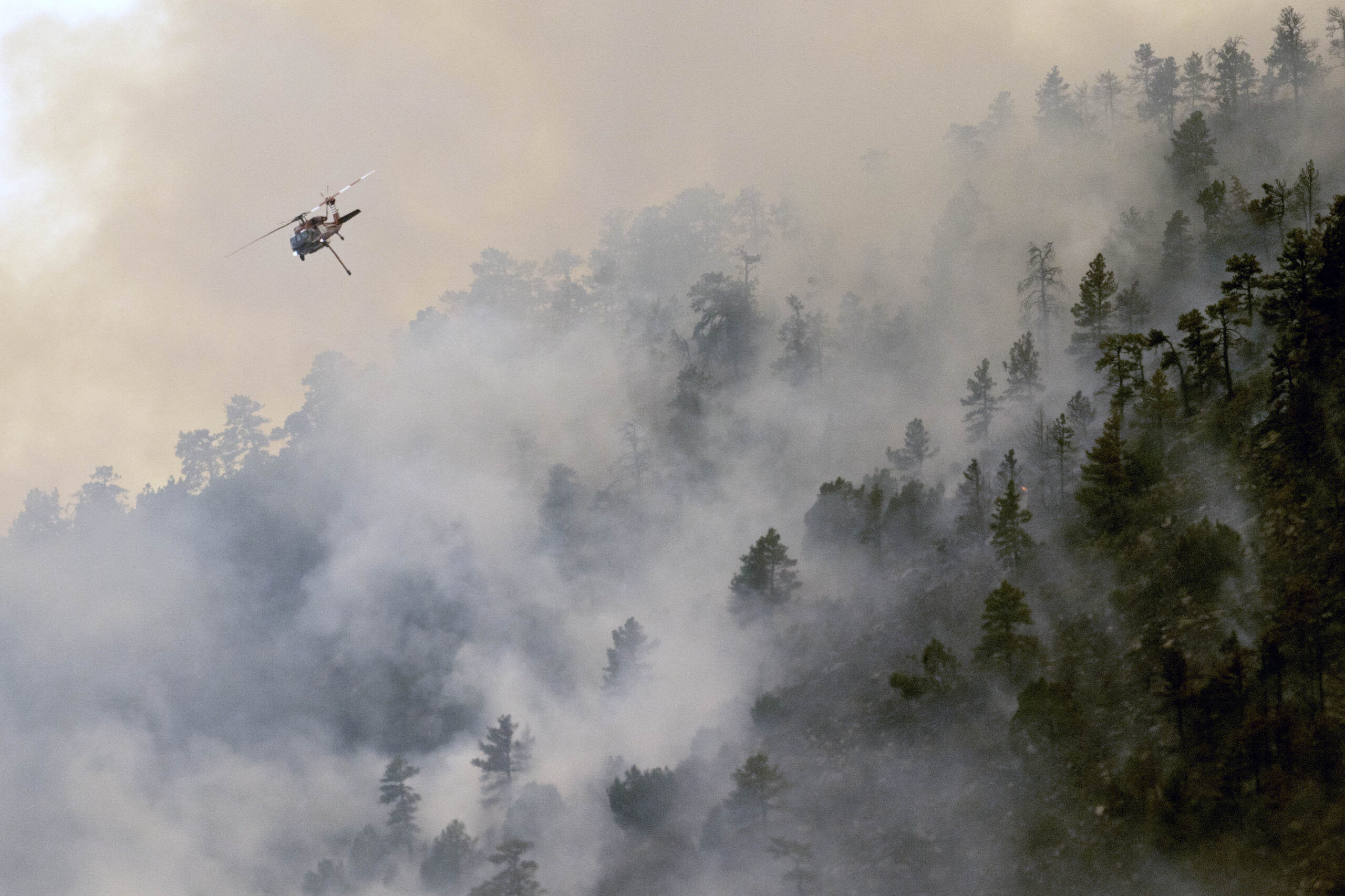
The Aspen Acres fire could burn until heavy fall snows or rains arrive.
“It could be burning the rest of the summer,” explained Amanda Wheelock, a spokeswoman with the Alaska Complex Incident Management Team 1.
But likely not in the highest-priority areas for firefighting near homes and towns, she explained, where teams are focused on structure protection and working to ensure residents can return home.
“Our goal is that it starts to feel like less of an emergency,” she said.
In high-priority areas where firefighters are focused on containment, they are working to achieve cold dirt, so the fire won’t pop back up.
But given the fire’s immense size, more than 90,000 acres, and the rugged terrain it’s burning through in some areas, it is likely to persist until significant moisture arrives in the fall, Wheelock said.
It’s similar to a campfire in that the grasses and twigs will burn fast and go out, while the large logs will smolder, she said.
The fire is particularly tough to battle where there are significant numbers of dead and down trees and not many access roads, like areas on the southern end of the fire near Highway 165, explained Brad Washa, incident commander for the team.
The Pike-San Isabel National Forest has seen beetle infestations in the trees, contributing to high fire danger.
In those areas, particularly wilderness areas, it can be unsafe to send in firefighters because if they are injured, it could take hours to get them to a hospital, he said.
So the team is considering where to set up safe firelines, along the edge of forested areas, he said. In this case, bulldozers would clear vegetation to prevent fire spread. The team is also looking for opportunities to use older burn scars and firelines.
The conditions are also more extreme than in years past, with Rye seeing about half the snow that would fall in an average year, said Trent Smith, incident meteorologist. The region has also seen higher than average temperatures through the winter and spring.
It’s possible extremely dry, hot, windy conditions could persist through July and August, Wheelock said.
The conditions dried out the trees like lumber in a kiln, explained Eric Trimble, the fire behavior analyst, so when the embers started flying, 90% of them started spot fires.
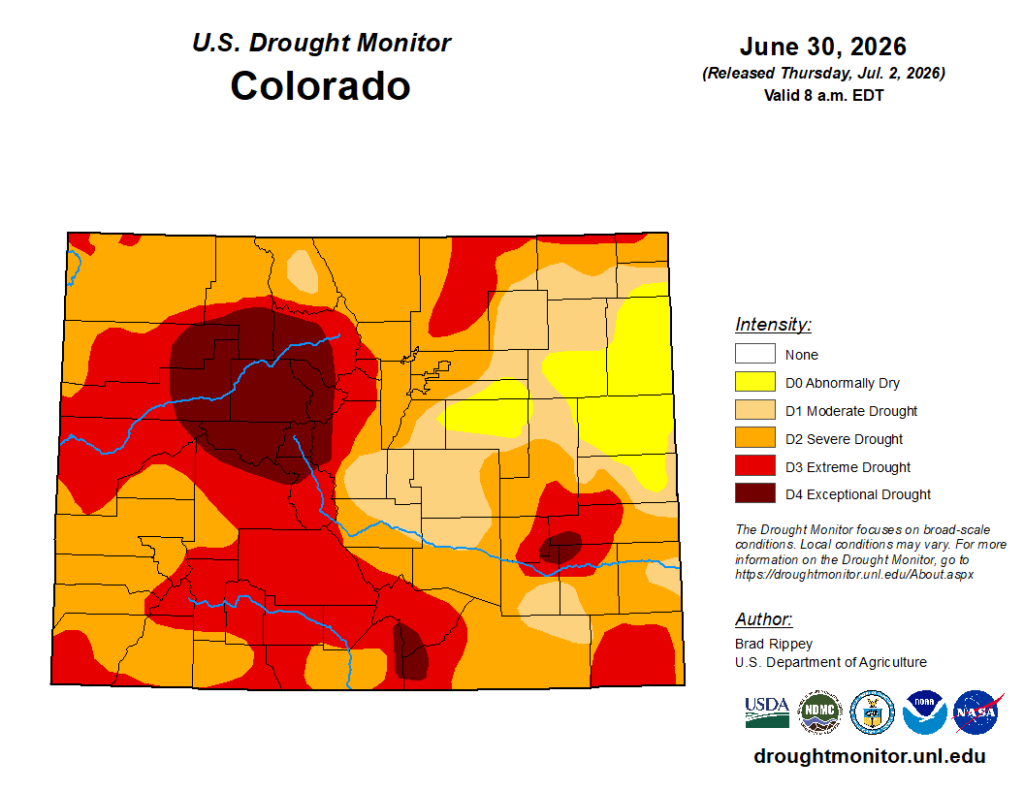
It’s so dry that a quarter inch of rain won’t penetrate the wood and other fuels, Washa said.
Jim Pitts, the U.S. Forest Service agency administrator for the fire, was clear in explaining the conditions to residents on Monday night, saying they should not look back to other recent fires in the Wet Mountains to understand the Aspen Acres.
“This fire is a monster,” Pitts said, adding that the focus must be on protecting homes. “The forest we will deal with when the time comes.”
Residents should look north to the East Troublesome and Cameron Peak fires that burned in 2020 to understand the Aspen Acres fire, Wheelock said. They are the two largest fires in state history, with Cameron Peak burning 208,913 acres and East Troublesome burning 193,812.