







Coors to Colorado: We were here first
The rugged outdoors, the high country mystique, the crisp Rocky Mountain water — all imagery and language used to describe Coors beer over the years and to appeal to travelers coming west to Colorado.
As Colorado celebrates its 150th birthday, Coors celebrates a birthday three years older than the state itself — an older sibling that has watched Colorado’s economy, image and political landscape shift and grow over the years and made a lasting impact.
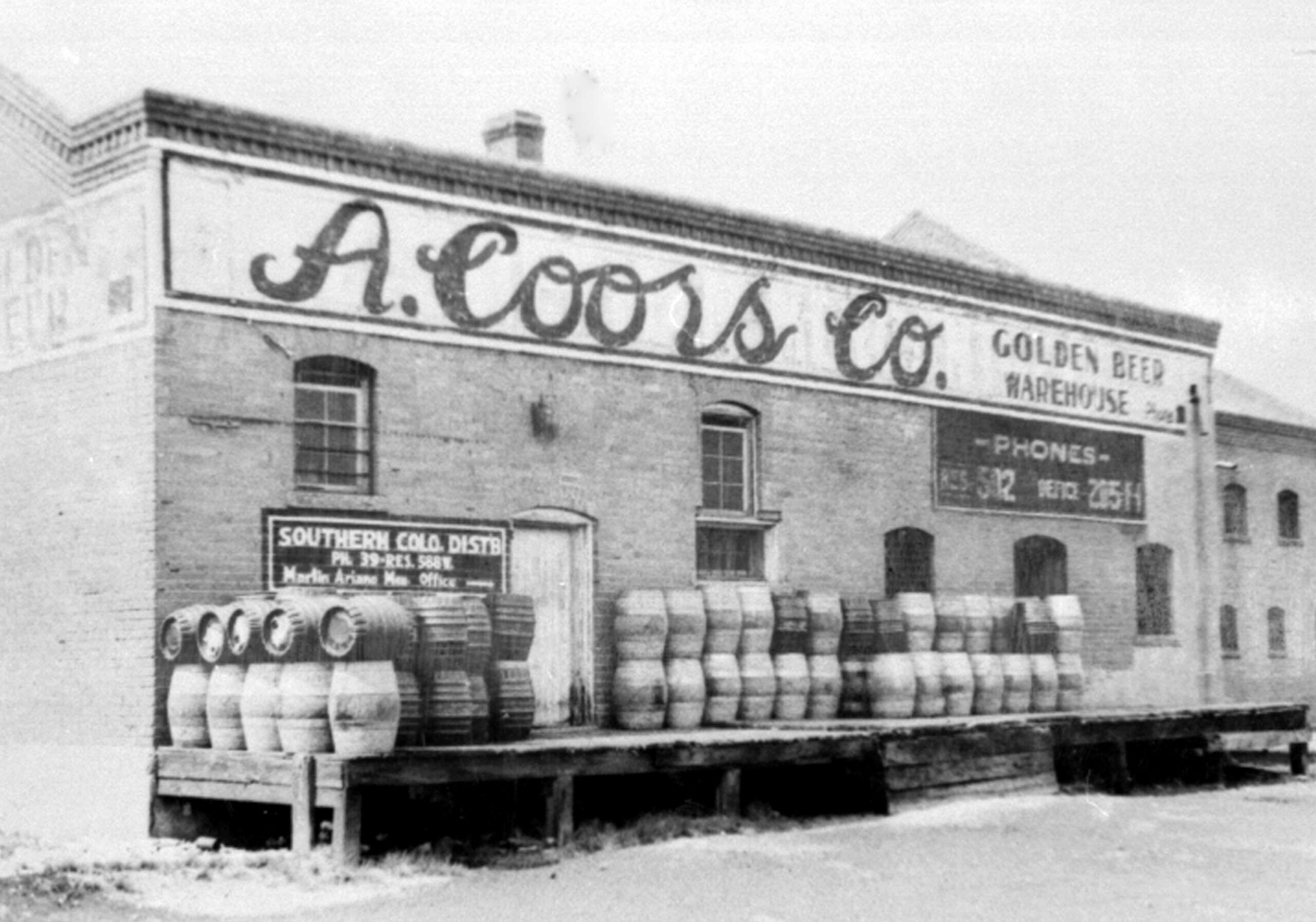
Coors sits on the banks of Clear Creek in Golden, where it has stood as a symbol of Colorado’s brewery culture and walked arm-in-arm with the state since 1873.
History Colorado’s Sam Bock, the managing editor of The Colorado Magazine and author of the book “Brewed at Altitude: A Beer Lover’s History of Colorado,” describes the history of Coors and Colorado as a coming-of-age story, in which the state and the company transformed themselves and each other for more than a century.
Coors, whether people agree with its politics or not, has played an undeniable role in Colorado’s cultural and economic history. Today, visitors and residents attend Colorado Rockies games at Coors Field, the Golden brewery is the only one that brews the popular Coors Banquet and the company still leans into the state’s Rocky Mountain appeal for its marketing.
Coors comes to Colorado
Adolph Coors arrived in Golden in 1873, bringing with him a dream to start a brewery in a place with crisp mountain water and little competition from other large breweries.
“Adolph believed good beer starts with good water, and the Rocky Mountains offered a great starting point for his new brewery,” Coors archivist Heidi Harris said.
Golden, now home to more than 20,000 people and bleeding into a large and growing metro area, was a small farming and mining community at the time.
The Denver area had a handful of other breweries, but the influx of German immigrants in the 1870s, including Coors, introduced lager beers, which were a “total revelation to most Americans,” Bock said.
“You can imagine it’s a hot, dusty summer day in Denver in the 1970s and you’re offered a big, thick Guinness or a delicious, crisp Pilsner,” Bock said. “I think I’m choosing the Pilsner every time.”
Around the same time, the first locomotives arrived in Denver. Coors, a good businessperson, took advantage of the explosive growth of the area, Bock said and his brewery thrived.
Prohibition-era Colorado
Shortly after he started brewing, Coors started a malt house to malt the barley needed for his beer.
When Prohibition hit in the early 1900s, Coors was one of four breweries statewide that stayed afloat due to its ability to make malted milk, Bock said.
The other three — Trinidad’s P.H. Schneider, Denver’s Tivoli and Pueblo’s Walter Brewing Company — shuttered through the mid-1900s, leaving Coors without competition.
As Prohibition ended, Americans reached for lighter, more drinkable beers and Coors created the Banquet, notoriously consumed today at sports games, in backyard barbecues and by a variety of people, beer lovers or not.
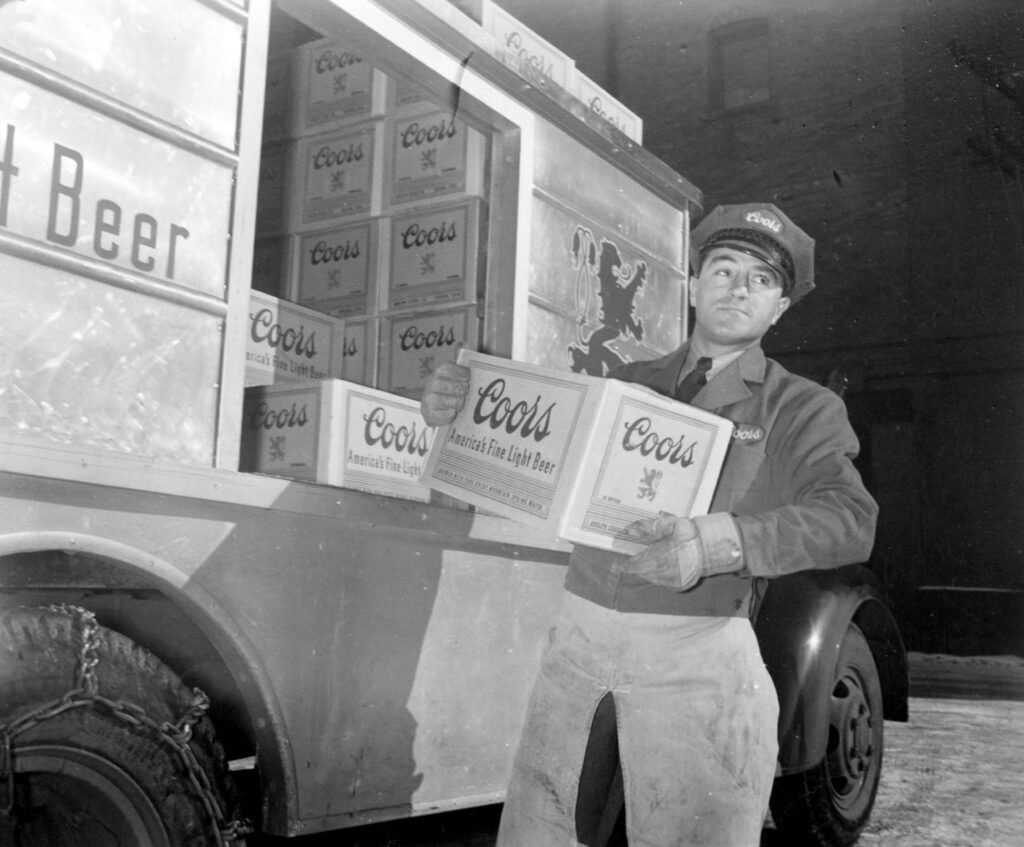
The Golden Coors Brewery is the only brewery that brews Coors Banquet today, Bock said.
Marketing success
Pre-Prohibition, Coors had not done much marketing for the company, relying largely on demand.
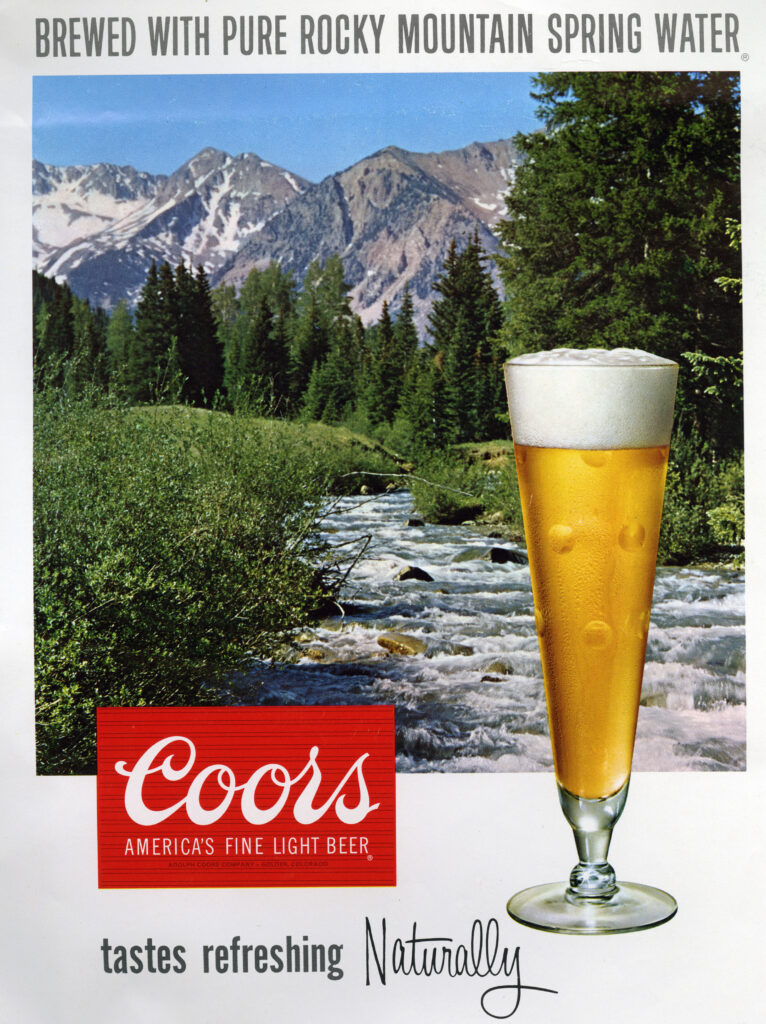
When the company leaned more into marketing, it relied on the “snowy, high-country” reputation of the state, Bock said in a Colorado Magazine article.
Coors found success in connecting Colorado’s brand to its own, focusing campaigns on the quality of the mountain water and the mystique of the West.
“Nobody has done more to make Colorado’s brand what it is today than Coors and John Denver,” Bock said. “John Denver was topping charts in 1973 just as Coors was becoming big.”
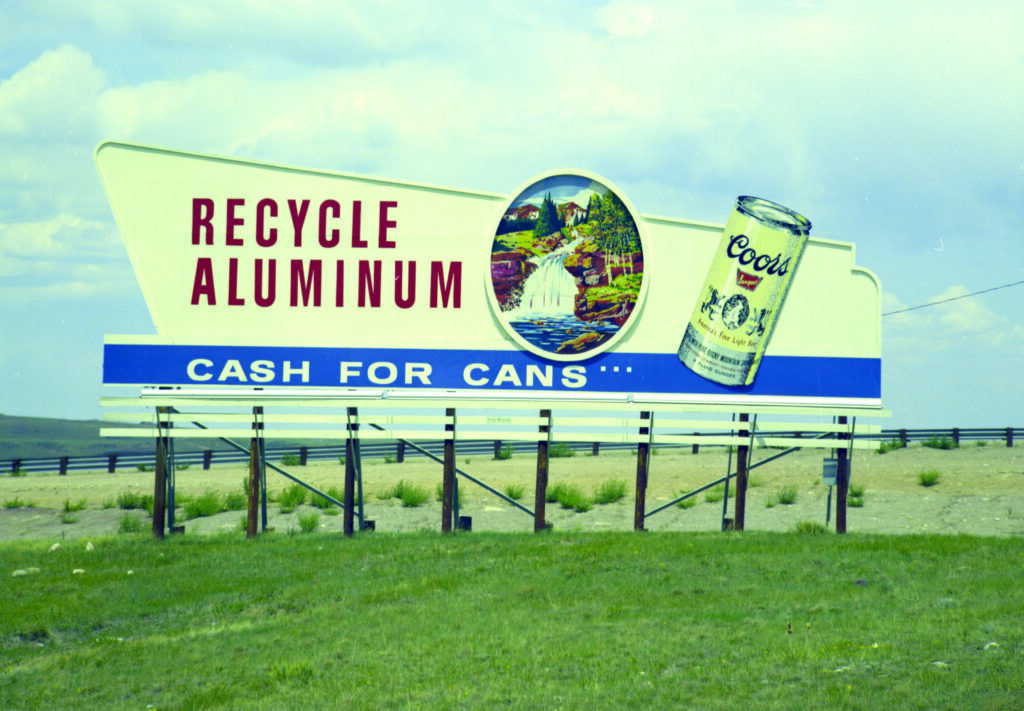
In the 1970s, a marketing campaign with the slogan “Taste the High Country” highlighted different parts of the state. Tourism and population growth in Colorado skyrocketed, Harris said.
Advertising for the beer drew from Colorado’s scenery, portraying celebrities drinking Coors in the mountains, Coloradans pulling a beer out of a mountain lake and hikers drinking in the backcountry.
“By portraying Coors as a uniquely Colorado product, memorable advertisements added to the mystique by reinforcing the notion that the beer was special because of its place of origin,” Bock wrote in his article.
Hollywood helped with marketing Coors to the nation with the popular 1977 film “Smokey and the Bandit.” “The Bandit” (Burt Reynolds) is hired by Big and Little Enos Burdette to illegally transport $80,000 worth of Coors beer — exactly 400 cases — from Texarkana, Texas, to Atlanta, Georgia, in under 28 hours.
Boycotts and scandals
Coors’ history in Colorado isn’t all growth and glory.
In the late 1960s, Coors’ hiring processes came under fire as Colorado’s Chicano Civil Rights Movement called for boycotts “to protest unfair hiring and promotion practices at the brewery,” Bock’s article said.
For the state’s non-white communities, Coors portrayed an American Dream that was not available to everyone, he wrote.
Coors’ workforce was mostly white and male into the 1970s, and protests spread against the company. Beer choice became synonymous with political leaning, Bock wrote.
Coors was also a longtime enemy of unions, Bock wrote and strikes happened regularly through the years as the company resisted labor demands.
The last known labor strike at Coors was in the late 1970s, according to company officials.
Becoming the Beer State
Colorado has more than 400 breweries and is known as “The Beer State,” Bock said.
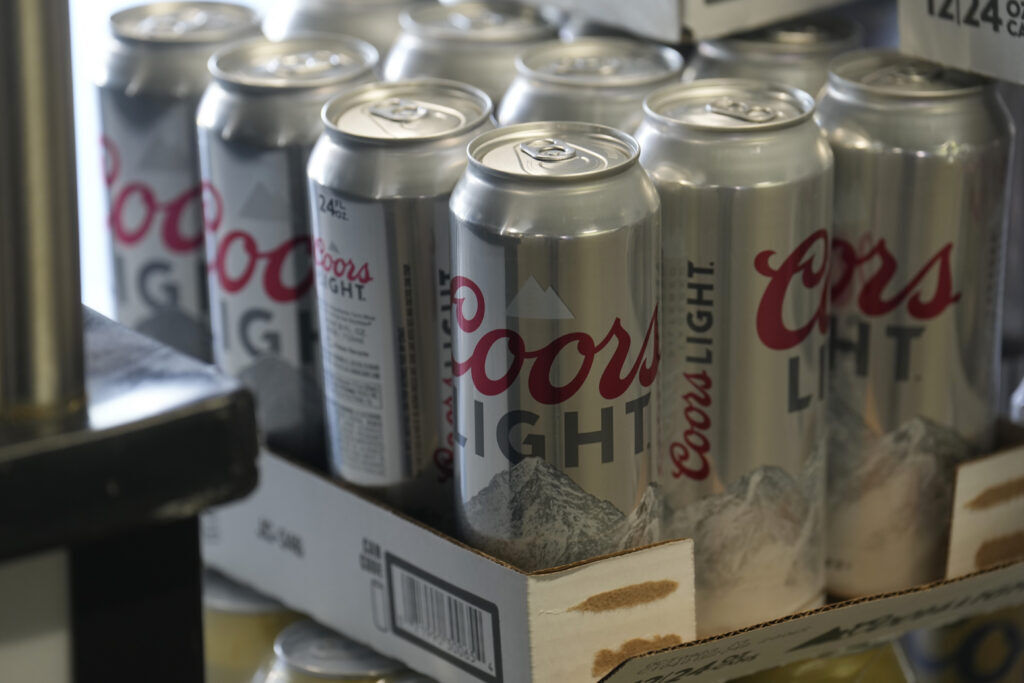
“I think part of that is this Rocky Mountain mystique that Coors and John Denver cooked up,” Bock said, adding that it also attracted a lot of people interested in homebrewing who ended up founding some of the state’s largest breweries.
The market and industry built by Coors allowed those breweries to grow and flourish. Coors also provided old equipment, ingredients and assistance to new small breweries, Harris said.
While Molson and the Adolph Coors Co. merged in 2005, to create Molson Coors Brewing Co., it will always be just “Coors” to Coloradans.
Coors’ long history in Colorado has formed a “strong and synonymous relationship that has provided a lot to each other, economically and culturally,” Harris said.
“That special relationship between Coors and the state of Colorado continues today as the state celebrates 150 years,” she said.