







EDITORIAL: Don’t cut what uplifts Colorado’s schoolkids
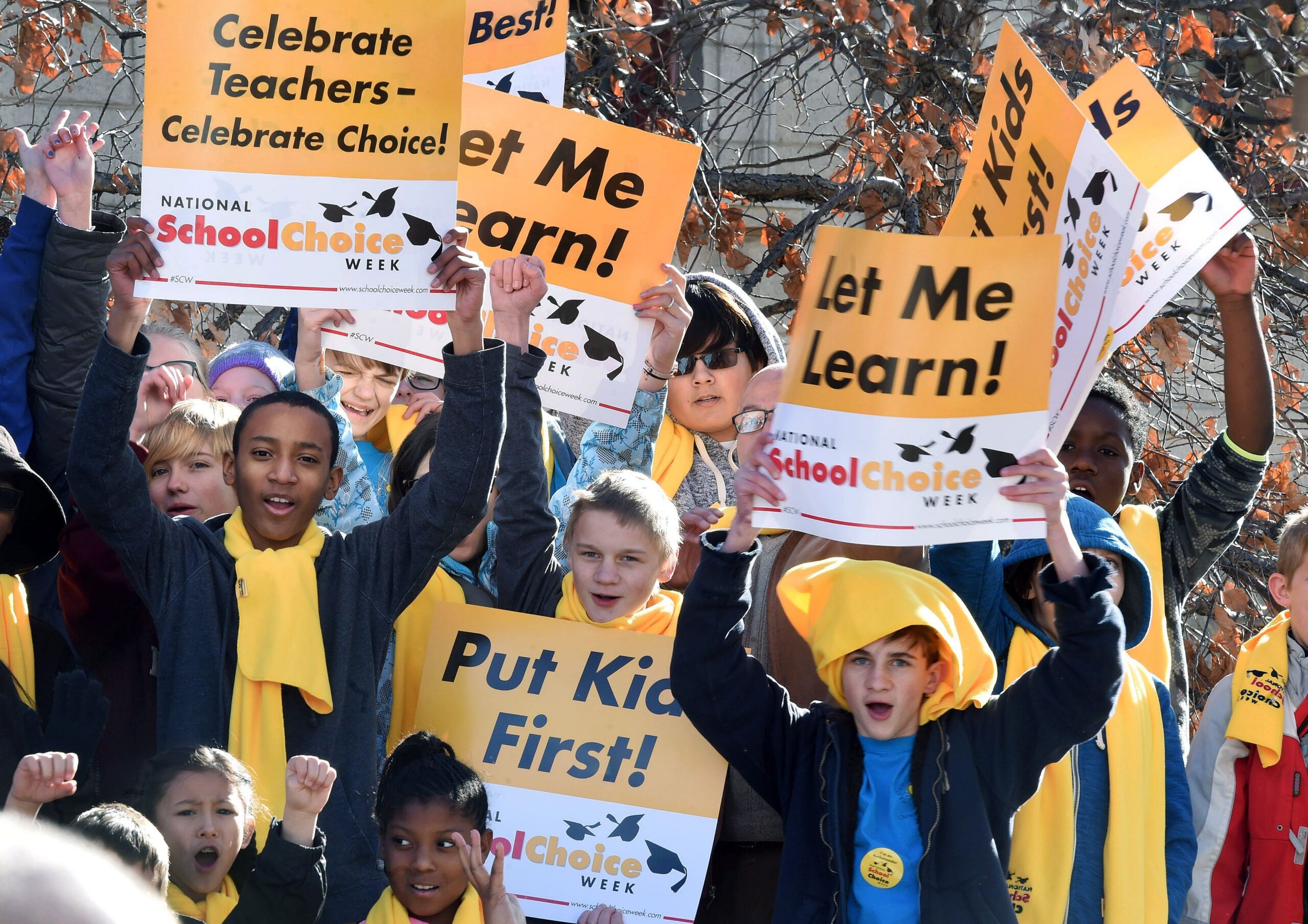
Buried within this year’s massive School Finance Act passed by the legislature are cuts to school enrichment programs designed to meet students’ unique educational needs — particularly at public charter schools and home schools.
As The Gazette reports, lawmakers have decided the programs no longer should fund activities that exceed what a traditional neighborhood public school provides. And school districts, charter schools and boards of cooperative services (known as “BOCES”) now will only be able to operate such programs within their district boundaries.
The changes are forcing multiple programs to shut down or reconsider their futures — hitting Education ReEnvisioned BOCES, the state-authorized cooperative overseeing many of these programs, particularly hard.
Among those retooling: Colorado Springs-based Falcon Aerolab and its aerospace and aviation education programs.
School Finance Act cosponsor Rep. Emily Sirota, D-Denver, said the cuts helped close the legislature’s $1.2 billion budget gap.
“Program runners said they wouldn’t be able to offer their Jiu-Jitsu classes if they lost their funding, so that’s when we started to dig in more about ‘What are these programs, who is receiving them and how are they being paid for?’” she told The Gazette.
The legislature’s fiscal straits are, of course, self-inflicted after years of mismanaging taxpayer dollars — notably, squandering a $3.6 billion surplus — though the budgetary concerns also are real. Lawmakers have had to make tough cuts to assorted programs.
Yet, it’s hard to ignore how the lawmakers behind the cuts routinely side with teachers unions that oppose school-choice alternatives, like the student-enrichment programs.
Meanwhile, these supplemental academic programs aren’t fluff — but in fact are what some kids need to keep them engaged and to excel. The aerospace offerings, for example, have the potential to launch kids onto a career-making trajectory.
Sirota singled out “equity problems” with public dollars that fund more expensive programming for some students than others.
“I think if you asked the average Coloradan if they think the state should be paying for things (with public funds) they typically pay for out of pocket, most of them would say, ‘Absolutely not,’” she said.
But Sirota misses the point. Education funding isn’t about sustaining brick-and-mortar schools or bureaucracies — and it’s certainly not about ensuring they’re all treated equally. Bureaucracies aren’t people, after all — but kids are.
The state should fund students, not systems, with tax dollars following children toward educational opportunities that best fit them.
That might mean Jiu-Jitsu for one student and aeronautics for another. The more options, the better. The point is whether it advances a child’s education.
Sure, some families whose neighborhood schools don’t participate in the programs still must pay out of pocket for martial arts or music lessons. But that just makes the case for expanding such enrichment offerings rather than cutting them.
These programs serve homeschoolers as well as charter schoolers, rural schoolers and urban neighborhood students expressly because traditional schools cannot meet every student’s needs.
The goal of public schools is not — and never should be — to enforce some false parity between K-12 neighborhood schools and alternative programs, or to protect traditional schools from competition.
And the purpose of alternative, enrichment programming for kids isn’t to replicate the neighborhood school. It’s to serve children who, for a broad array of reasons, need something different in their education that neighborhood schools don’t deliver.
If Jiu-Jitsu or aeronautics help meet some students’ unique educational needs, that’s a win for those children — and for public education.