




BASE jumper fires back after denial of medical transport was described as “profound lack of respect”
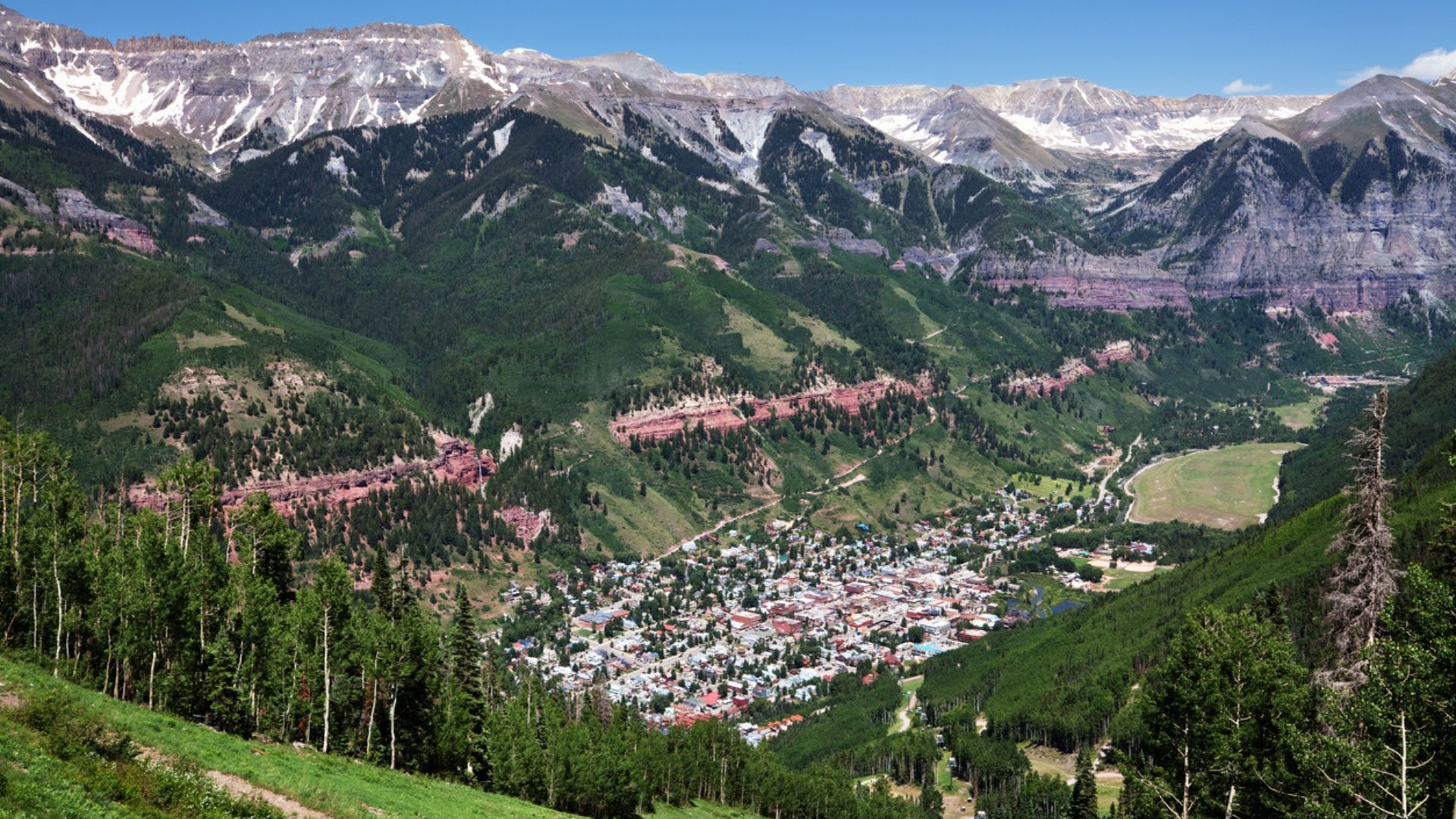
In recent days, a story related to the rescue of a BASE jumper in the Telluride area has gone viral online, with the San Miguel County Sheriff’s Office stating that the rescue subject’s decision to call for help and then deny medical transport from the scene showed a “profound lack of respect for the tremendous effort and resources devoted” to the mission. That initial post has garnered more than 1,400 comments on Facebook, alone, most of which are critical of the rescue subject based on the account provided by the sheriff’s office.
With the rescue taking place on July 6, the rescue subject since appears to have identified himself while providing his account of what happened on his own website.
“This is clearly biased from my perspective,” reads the start of his report, “but [I] have taken a lot of time over the past couple days to review, edit, and omit excessive emotional content.”
Identified as Coleman Sperando and appearing to be out of the Grand Junction area based on his online presence, the BASE jumper provides his account of what happened in a piece that appears to include the Garmin Emergency Response transcript of that day.
Instead of going over the entire story that Sperando provides (you can read that in its entirety here), this article focuses on a few key differences and statements that are made compared to the original account that was published by the sheriff’s office online.
1. According to Sperando, he sat out on a hike to Columbine Lake with his BASE jumping rig. Upon conducting his own analysis of conditions and the terrain, he found a place to conduct a jump and did so.
2. A hard landing in rocky talus left him with an ankle injuries and striking his helmet on a rock, which broke.
3. Amid a swelling ankle which he believed to be broken or sprained, he called for help via his emergency device, with his concern about his ankle noted in initial messages. While his foot was still weight bearing, he says he could only take about a step at a time and was still stuck in a talus field “over seven hundred vertical feet” above the trail. Even after reaching the trail, he reports that it would have been a hike out of about 3.8 miles.
4. His initial call for help to Garmin noted that he “fell hiking” and might have a broken ankle. He also noted that he was unable to hike out, but had no major life threats. In a follow-up message, he clarified that if he was brought crutches, he may be able to hobble out. It’s also worth noting that he didn’t tell dispatch he was BASE jumping in the initial messages, which he claims was an effort to convey a lower urgency of the situation.
5. According to his report, a two-person search and rescue hasty team made first contact, and after discussion, he reports that his ankle was splinted in a way that would allow him to wear a boot for a potential hike out. The hasty team reportedly called incoming responders to request they bring two hiking poles for a potential hike out, as well.
6. A rescue helicopter soon arrived in the area and while transport decisions were being discussed, a man later identified as the sheriff arrived, too. According to Sperando, the sheriff was insistent that helicopter transport was the best option (you can read the full account of that here, with Sperando going into additional detail regarding how he felt the sheriff was overly insistent that helicopter transport was the right option).
7. Sperando claims his key concern with helicopter transport was the additional cost it would add to the rescue, given that basic search and rescue in Colorado is free, with transport typically being where the costs come in.
8. Over the course of several hours, Sperando says his condition improved and reports that he became ambulatory and confident that he could hike out with the assistance of his poles and the help of a friend who was inbound.
9. Sperando and his friend ultimately left the scene on foot, soon running into personnel from the San Juan County Search and Rescue team, who reportedly provided another assessment before joining on the hike to offer assistance if needed.
10. Sperando notes that he did not deny assistance from search and rescue and that first responders with the San Miguel County Search and Rescue team provided aid that was essential in allowing him to hike out. He did, however, refuse aerial transport, which is not unheard of in the world of search and rescue.
11. Sperando thanked the responding search and rescue teams of San Miguel and San Juan counties: “The paramedics on scene did an amazing job. They were patient, provided great care, and helped me feel like I was finally safe after spending hours alone, scared, and in pain.”
In his closing paragraphs, Sperando wrote: “Why am I writing this? The San Miguel County [Sheriff’s Office], and at this point, numerous other news agencies have shared a very one-sided narrative that I know is not truthful. It is incredibly unprofessional, and while I do not expect these statements to change public opinion at this point, I still feel it is important to voice what I know to be the truth of these events. I was in need, I called for help, received help, and I am grateful for it.”
Sperando’s piece ends with a call for a public correction and apology from the sheriff’s office.
As many stories do, it appears this one has at least two sides. Read the initial press release from the San Miguel County Sheriff’s Office here and find the follow-up report from Coleman Sperando here.
STAY INFORMED: Get free Colorado news with our daily newsletter (Click here)
Get OutThere
Signup today for free and be the first to get notified on new updates.
PREV
PREVIOUS
Colorado Springs home to some of 'best drivers' in U.S. says AllState, but another city ranked higher
Contrary to what one might believe after traveling around the Centennial State, AllState says two Colorado cities are actually home to some of the ‘best drivers’ nationwide. In order to create their ranking of which cities had the best drivers, the insurance company analyzed damage claim frequency, expressed as average years between collisions, then looked […]
Estimates of structures burned by Colorado wildfire range from 275 to 780, maybe more
Per a morning report on July 9, the Aspen Acres Fire that burns southwest of Pueblo is reportedly 96,121 acres in size with 14 percent containment, meaning growth of about 90 acres over the past 24 hours. With some residents in the impacted area being able to recently return to their homes, the true extent […]