







EDITORIAL: A needed reassessment for Colorado public transit
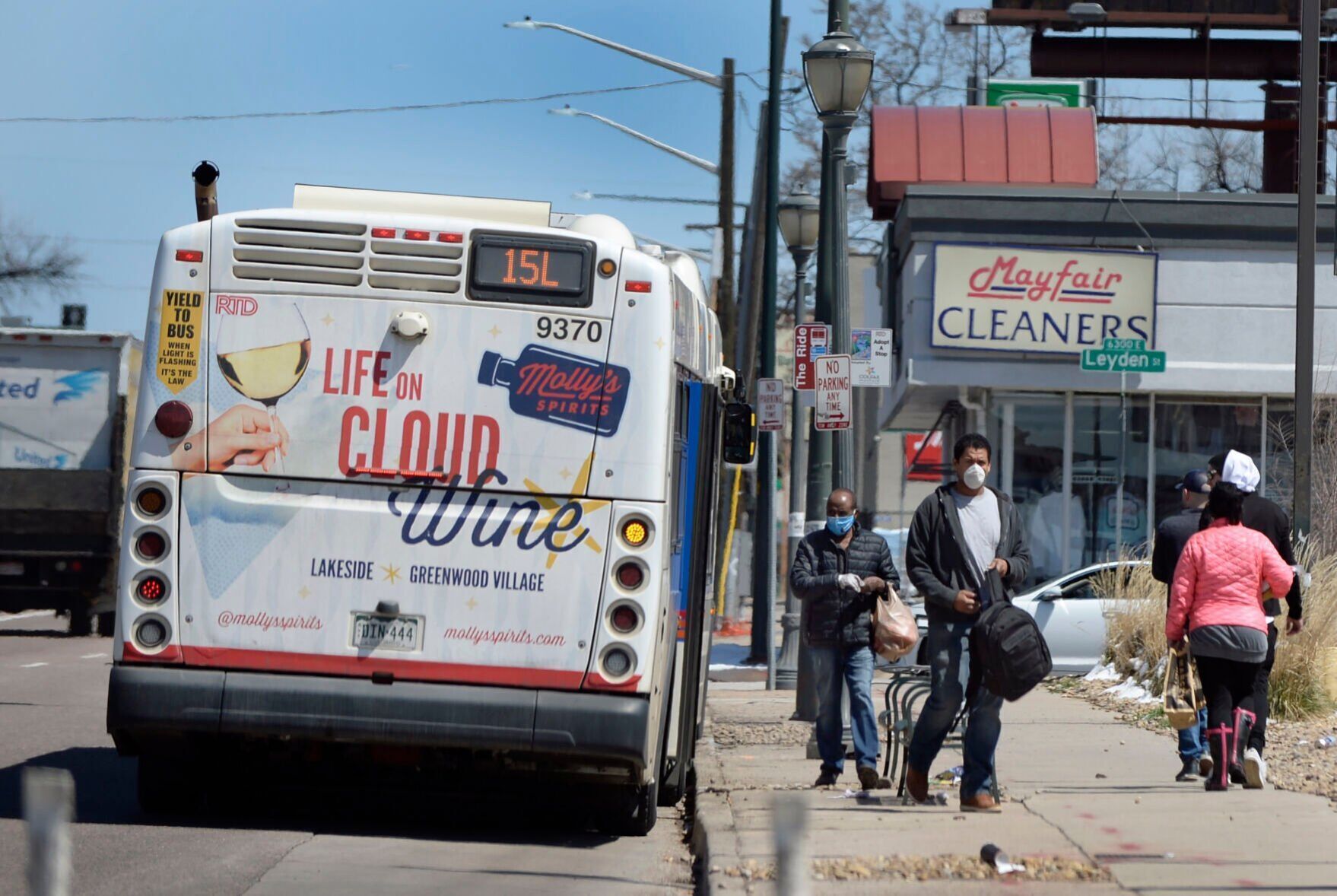
You rarely have to fight for a seat if you ride the Denver metro area’s Regional Transportation District (RTD). On plenty of routes you might have a bus all to yourself — or even an entire light-rail train.
The same goes for Mountain Metropolitan Transit in the state’s No. 2 metro area, Colorado Springs. On some routes, its buses often enough seem to be ferrying ghosts around the sprawling Springs area.
It’s true of many public transit systems, of course — an impolite truth that makes even the most ardent advocates of mass transit fall silent.
The problem isn’t that public transit can’t work. It’s that, for all of the public funding sunk into it annually, it won’t work — so long as it tries to serve everybody and meet every need.
As long as transit systems reach to far-flung suburbs where residents overwhelmingly opted, long ago, for the autonomy and flexibility of their personal vehicles; as long as transit tries to shuttle commuters to downtown high-rises that office workers have abandoned; so long as transit planners configure routes around “transit-oriented housing” in pursuit of an “environmentally sustainable” utopia — public transit will fail.
It will remain a wildly overpriced money pit and an underutilized boondoggle.
What’s needed is to fundamentally refocus, serving those who will use public transit — and spending far less on the many who won’t.
The Denver area’s beleaguered RTD is at long last taking a first step in the right direction.
As reported by The Gazette, the district is in the early stages of what could be a sweeping reassessment of its approach to transit. The goal is to address a fundamental question: whether to maximize ridership or coverage.
In other words, should it concentrate on those who actually ride buses and trains — or on the many who never will? The Gazette reports the analysis aims to reevaluate the RTD’s network and assumes a 20% service reduction.
“Pretty much everything is on the table,” an RTD planner said. “The point here is to start basically from a blank map.”
Good.
Granted, it’s only a baby step for RTD — and one that might well prove fruitless for the behemoth. Its $1.5 billion budget for 2026 relies overwhelmingly on sales-tax revenue — fares pay for only 14% of operations — offering a textbook case of a hidebound, bloated bureaucracy with such entrenched, systemic flaws it has no real chance of reinventing itself.
Legislation recently signed by Gov. Jared Polis reconfiguring RTD’s elected board and making other changes to the agency won’t help and could make things worse in other ways.
Yet, RTD is facing a $215 million deficit and might have no choice but to proceed with deep cuts and the big changes that would result. Such changes under duress could be the most far reaching.
Meanwhile, RTD’s reassessment and changes that might result could, and should, inspire other Front Range transit systems to follow suit.
If only RTD’s reexamination could serve to stop the planned Front Range Passenger Rail project in its tracks. It’s another transit boondoggle that never will alleviate traffic along I-25.
Unlike RTD, which conceivably could downsize into a usable system that serves high-need riders in key areas of the metro area’s inner-urban core, the rail project will be little more than a tax-funded novelty. Any honest reassessment only could lead to one outcome: pulling the plug.