







Rate reductions force Jefferson Center to close key recovery program as Colorado reimbursement rates change
A second Front Range community mental health center is eliminating services due to new reimbursement rates set by the Colorado Department of Health Care Policy and Financing (HCPF) that will go into effect on Oct. 1.
The Jefferson Center for Mental Health announced Tuesday it was closing its adult residential recovery program, which annually serves about 150 people with substance abuse disorders as well as people with both substance abuse and mental health disorders.
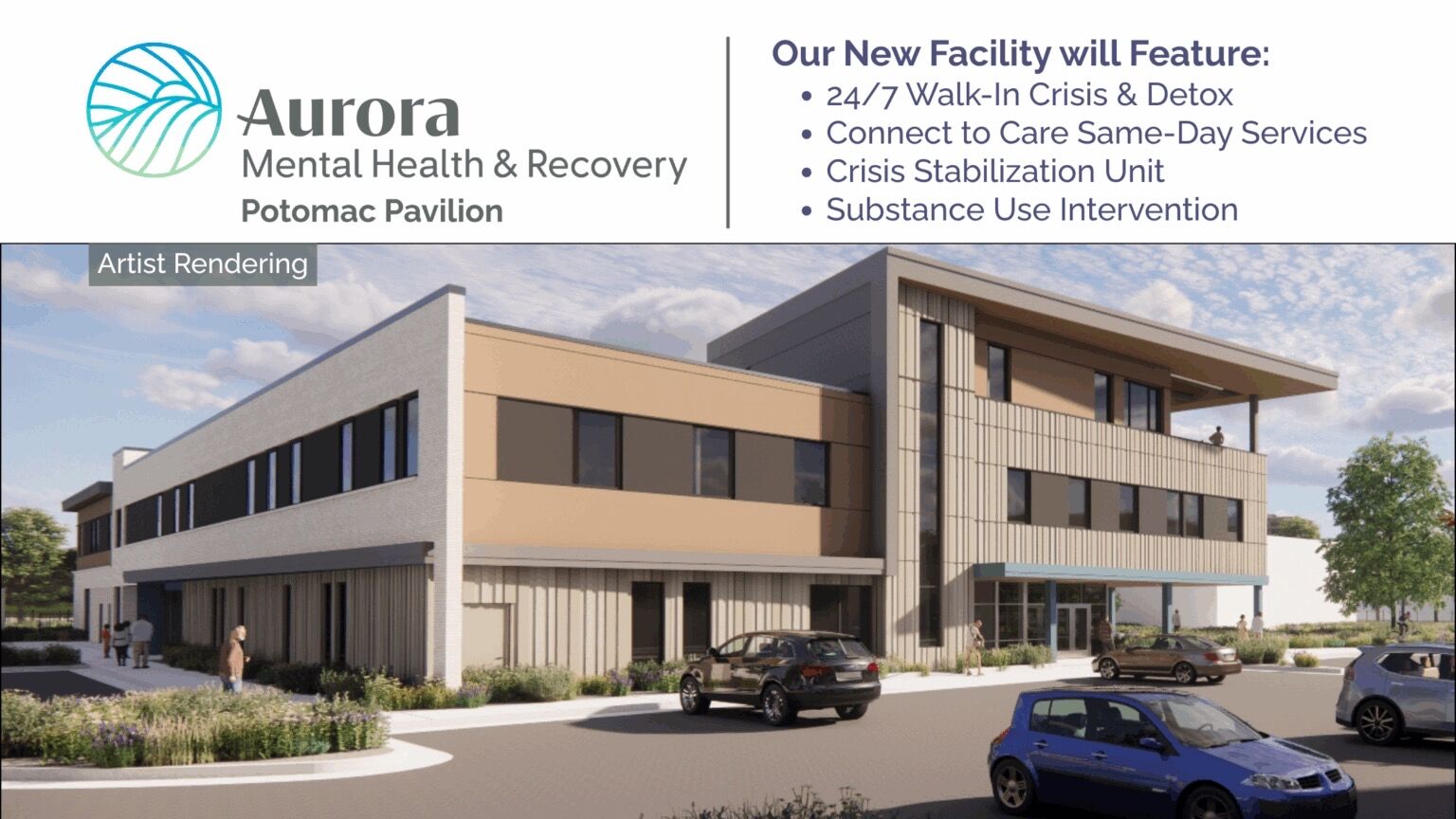
The Jefferson Center’s decision follows one made by Aurora Mental Health in May that resulted in the loss of more than 100 jobs, although most were administrative and the closure of several behavioral programs.
Jefferson’s announcement said about 50 staff members in the adult residential program will lose their jobs. Those being laid off will be compensated and provided with resources and mental health support.
Sarah Alquist, Jefferson’s president and CEO, said in a statement this week, “Jefferson Center has taken this painful but necessary step as a last resort. Over the last year, knowing the state’s budget constraints and the likelihood of reduced rates, we have implemented numerous cost-saving measures, including vendor negotiations, real-estate consolidating, hiring pauses and cross-training staff to support multiple teams.”
Alquist also noted that Jefferson Center has worked closely with the state Department of Health Care Policy and Financing and the payers that administer behavioral health benefits.
“They have been helpful and understanding partners with us; unfortunately, the combination of our own cost reductions and the state’s best efforts were not sufficient to eliminate the need for this program closure,” she explained.
She added, “Jefferson Center is not alone in its financial challenges, as the state struggles to align its vision for safety net behavioral health and its ability to finance the structure it has created.”
But a state financing official pointed to changes in the state’s payment model, known as the prospective payment system (PPS), that require them to cover a shorter list of services more directly tied to behavioral health care. Inpatient care is not on the list.
Those services, eight in all, are limited by statute, according to Cristen Bates, HCPF’s deputy Medicaid director.
Previously, the comprehensive safety-net providers, formerly the community mental health centers, could bill for services that were not directly related to behavioral health care, according to Bates.
HCPF chose its own state-determined model rather than a federal payment model. Bates said the two models are similar, and some community safety net providers would do better under the state model; others would fare better with the federal model.
The PPS model was put in place two years ago, but the rate reduction portion won’t take effect until October. It’s based on the actual cost of care, Bates explained, but with the changes to what’s allowable under the PPS model.
“It used to be, anyone could put anything in their cost report that was behavioral health care,” she said. It’s now focused just on the eight statutorily dictated services: emergency and crisis behavioral health services; mental health and substance use outpatient services; behavioral health high-intensity outpatient services; care management; outreach, education and engagement services; mental health and substance use recovery supports; outpatient competency restoration; and screening, assessment and diagnosis, including risk assessment, crisis planning and monitoring to key health indicators.
Additionally, state law says HCPF “shall establish an appropriate cost accounting methodology annually with the behavioral health administration in the Department of Human Services in order to support sustainable access” to the eight identified behavioral health services.
Notably, those eight services are limited to outpatient care and do not include inpatient substance abuse recovery, the program the Jefferson Center is eliminating.
Bates said the PPS model does not allow money paid for outpatient services to be used for inpatient care, although the Behavioral Health Administration covers the costs separately for room and board, which is a nonclinical cost of care.
And those services are expensive — Bates estimated the per-person cost at $2,800 per day, at a time when the cost of behavioral health services has doubled in the last five years. It’s not sustainable, she said.
“There are going to be examples when the need does not meet the service availability,” and that will require providers to make these business decisions, she said.
One of the issues for Jefferson, according to Bates, is volume: there just isn’t enough demand to justify the costs.
Bates said the challenge is to ensure people have timely access to care. The PPS model provides sustainable, reliable funding, but she acknowledged that major changes in how it’s provided will have an impact.
The state is still covering 100% of the PPS based on the actual cost of care, she said.
Clients already enrolled in the Jefferson Center program will be able to complete their 30-day stints, according to Alquist.
She told Colorado Politics this week that the program is losing about $2 million in Medicaid payments from the rate change. Medicaid pays for behavioral health services for about 65% of those served by the center, she explained.
For the entire organization, the changes in the PPS model will cost the center about $8 million in 2026-27, she said.
In the meantime, they’re restructuring to safeguard the rest of the center’s programs. “The way we’ve handled the rate reduction is through program closure and restructuring, instead of closing additional programs,” she added.
The center will still be able to offer the services mandated by the state; as with Aurora, Jefferson must provide services to anyone who seeks them, regardless of ability to pay.
Frank Cornelia of the Colorado Behavioral Healthcare Council said the behavioral healthcare model has undergone years of reform under the Polis administration, which redefined how the system is organized and what providers are required to do.
However, Cornelia said, the impact of the PPS model isn’t aligning with what the legislature asked for or with how reforms reorganized the system.
One area they’re looking at is how the rates are constructed, to ensure they support what’s required of providers under the statute.
In an issue brief prepared for the interim legislative committee studying Medicaid, the council noted that Medicaid is the primary source of funding for these services, which makes “stable and predictable financing critical to maintaining access to care.”
The behavioral council asked the Medicaid committee to consider five key principles as they continue to look for ways to reduce state costs of the government-funding program: predictable financing, transparent policy development, sustainable payment methodologies, meaningful stakeholder engagement and accountability for quality and outcome.
That includes a hope for a better process when HCPF changes rates.
The council said the committee ought to consider how much advance notice should accompany significant payment reforms, as well as an implementation timeline that “best supports successful transition to new payment models.”