







Declining Denver rents lure lower-income renters away from subsidized projects
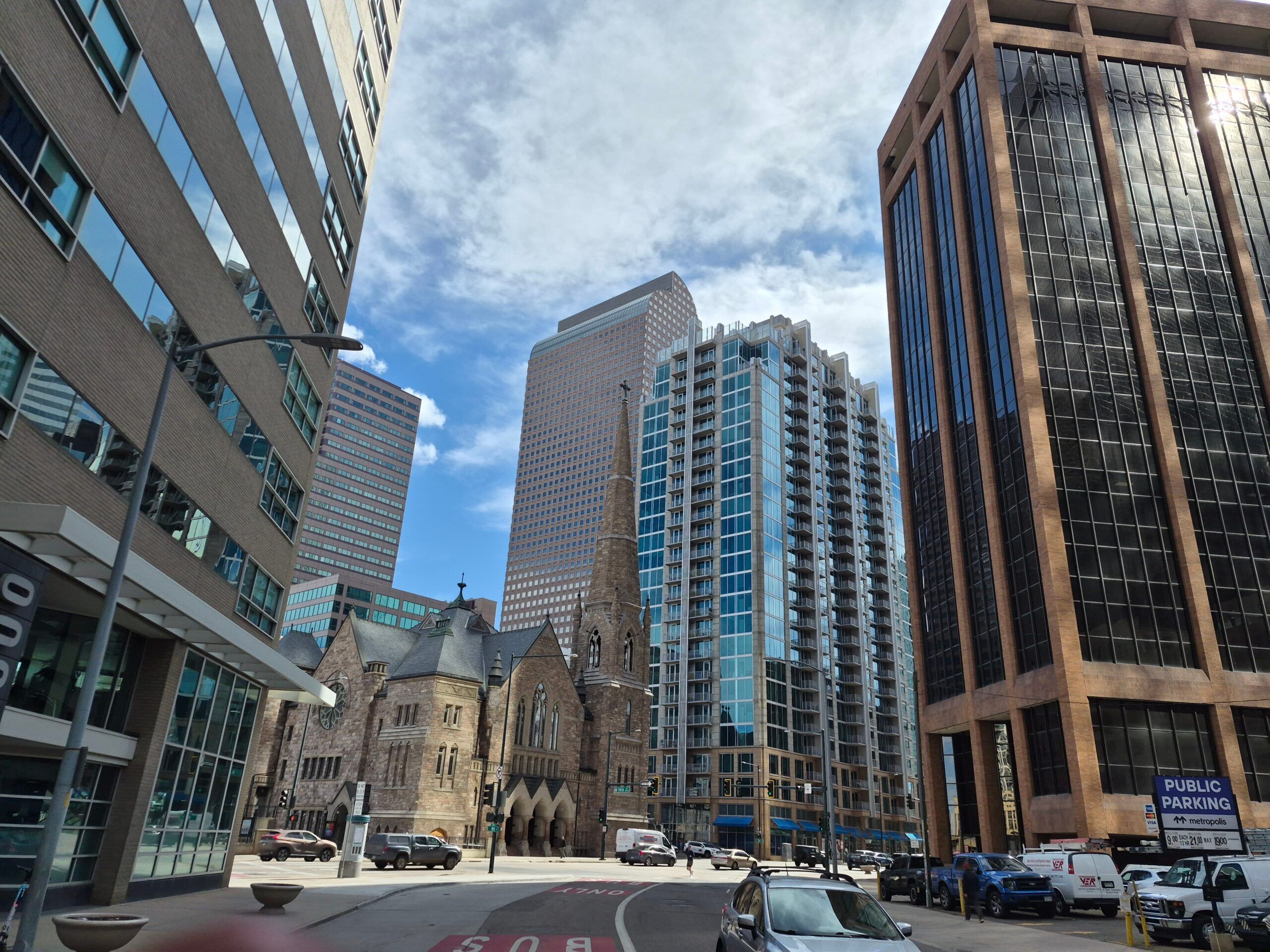
Although the high cost of housing is still in the headlines, Denver renters are seeing a brighter picture now as developers and managers cut rents and offer free-month subsidies to move a glut of units built during 2024 and 2025.
That’s great news for those renting — but it is creating a perplexing market for city and state agencies that offer subsidies to boost construction of affordable projects.
Opting for market-rate units
That’s according to analyst Scott Rathbun, owner of Denver-based Apartment Appraisers & Consultants, Inc., which issues the monthly “Apartment Insights” report used by multifamily developers and managers to plan their operations.
According to new data released last week, renters of subsidized affordable units are, in some cases, opting to move to conventional, non-subsidized units as they take advantage of market-driven rent decreases.
“We’re seeing people move out of subsidized affordable housing and move into market-rate units,” Rathbun told The Denver Gazette.
Along with the advantage of getting what may be nicer finishes and amenities, those renters find a second advantage of avoiding subsidized affordable units: “They don’t have to go through all the paperwork each year, which is a lot more onerous than you might imagine,” Rathbun added.
Colorado housing prices continue to soar above the U.S. median price of around $340,000. The median Denver area home stands at around $644,000 and a Boulder home at around $784,000, according to multi-listing service data.
Rathbun notes that collectively, Front Range cities are among the 25% most expensive places to live in the country now.
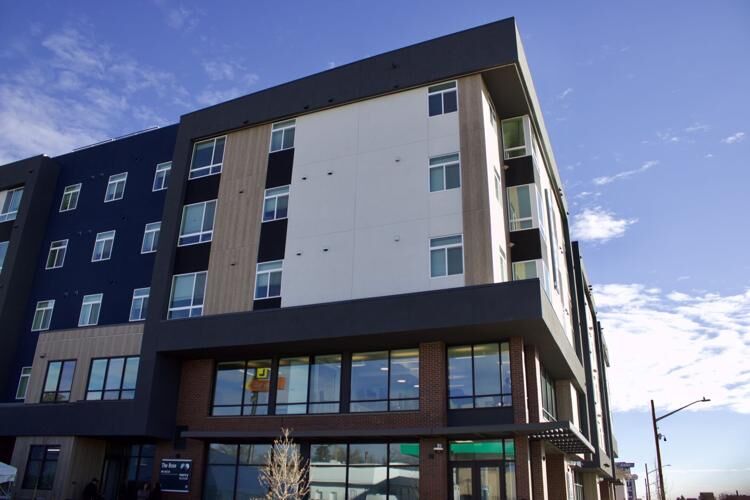
Over the past 20 years, Denver has risen from ranking 13% more expensive than the national median to 56% more expensive, with Colorado Springs ($481,000) taking over the spot that Denver had held before.
Pandemic spurred rising rents
As the COVID pandemic settled in during 2021 and 2022, Denver was experiencing rapid in-migration and rents grew at extraordinary rates — climbing 20% in a single 12-month period.
Meanwhile, soaring housing prices and rents drove an apartment building boom. Builders went from delivering around 10,000 to 12,000 new apartments a year to an unprecedented 23,000 units in 2024.
Rents then began decreasing, and this year they have fallen 8% over 2025 rents to a level comparable to rates five years back.
But damage from the 2024 surge in apartment construction had been done.
“That left 12,000 vacant units, brand new,” Rathbun said. “Because we had overbuilt the market, you had all of these empty units. Vacancies spiked, and apartment owners and managers started lowering their rents and offering huge concessions.”
The vacancy rate topped off last year at around 7.6%. At its height, Rathbun said, there were just over 35,000 vacant units in the seven-county Denver area. With newly completed units included, the vacancy rate had surpassed 12%.
“We hadn’t seen anything like this,” he added. “We’re seeing managers offer 10 or 12 weeks rent free.”
28,000 vacant units
Current vacancies, according to the new report, are now stabilizing, falling to just over 28,000 units — with some 7,000 units having been absorbed during the last quarter. Stabilized vacancies, not counting newly completed units, now stand at 6.3%, down from 7.5% two quarters back.
But the breakout of product types between older apartments and the newest ones, where the incentives are best, is further bumping the vacancy rate for older units.
“Rents for brand-new apartments are in parity with much older units,” Rathbun said.
In what the trade calls the “ladder effect,” people living in units built during the 1990s and 2000s are being lured to newer products created over the past decade. In turn, renters from 1970s-1980s units are moving up to 1990s and 2000s units.
Meanwhile, the trend is affecting renters earning below the median income level for the area, who are finding market-rate apartments to be attractively priced in comparison with units supported with subsidies that are specifically designed or marketed as affordable.
Rents fall
Rathbun says those affordable units practically never show vacancies above a 2%-or-3% level — what the trade refers to as “frictional vacancy” levels, reflecting a minimal amount of time required to refill a newly vacant unit.
Now rent growth is down almost 10% year over year, with rent levels continuing to drop.
“From an operator’s perspective it’s a bad thing, and for renters a good thing,” Rathbun said.
Rathbun emphasized that rents are not falling over a precipice.
“We’re not heading for foreclosures, but at some point we could have a foreclosure issue,” he said. He also noted that the rising vacancy rate among affordable projects is more prominent at the higher end of the affordable pricing, designed for 60% or 80% AMI, than for the lowest-priced units.
But he added that state and local agencies working to offer subsidies to developers and renters seeking affordable housing will need to consider the numbers as they enter their next rounds of allocations for proposed projects.
A spokesman at the Colorado Housing Authority told The Denver Gazette that Rathbun’s take on vacancies among 60%-to-80% AMI units aligns with what CHFA is seeing now. He added that CHFA’s resources are designed for flexibility and to bridge gaps that are not being met by the market.
“Our analysis takes into consideration market studies including penetration rates in areas where new developments are being proposed, as well as an evaluation of both vacancy rates and the applicant’s proposed rents to ensure they are competitive and below market for comparable properties in the designated market area,” the spokesman wrote.
He noted that most of the affordable rental housing in CHFA’s portfolio is deeply affordable, with properties supported by housing tax credits serving residents with an average income of just 26% AMI.
In-migration will return
Some builders of affordable units in Denver have noted that leasing on new projects has been slow, particularly as nearby market-rate units compete for the same dollar. But developers say that despite a challenging market, they see Denver as a promising place to be and expect that in-migration will increase in coming years.
“We love Denver,” said Casey Klein, vice president of development at Texas-based Embrey, offering the Bel Aire Apartments project in Lakewood, currently advertising up to six weeks of free rent.
It’s challenging like all markets, but we believe in Denver,” Klein said. “Denver has too many amenities not to be moving there.”
–