







$529M ICE contract will nearly double Colorado’s immigrant detention capacity
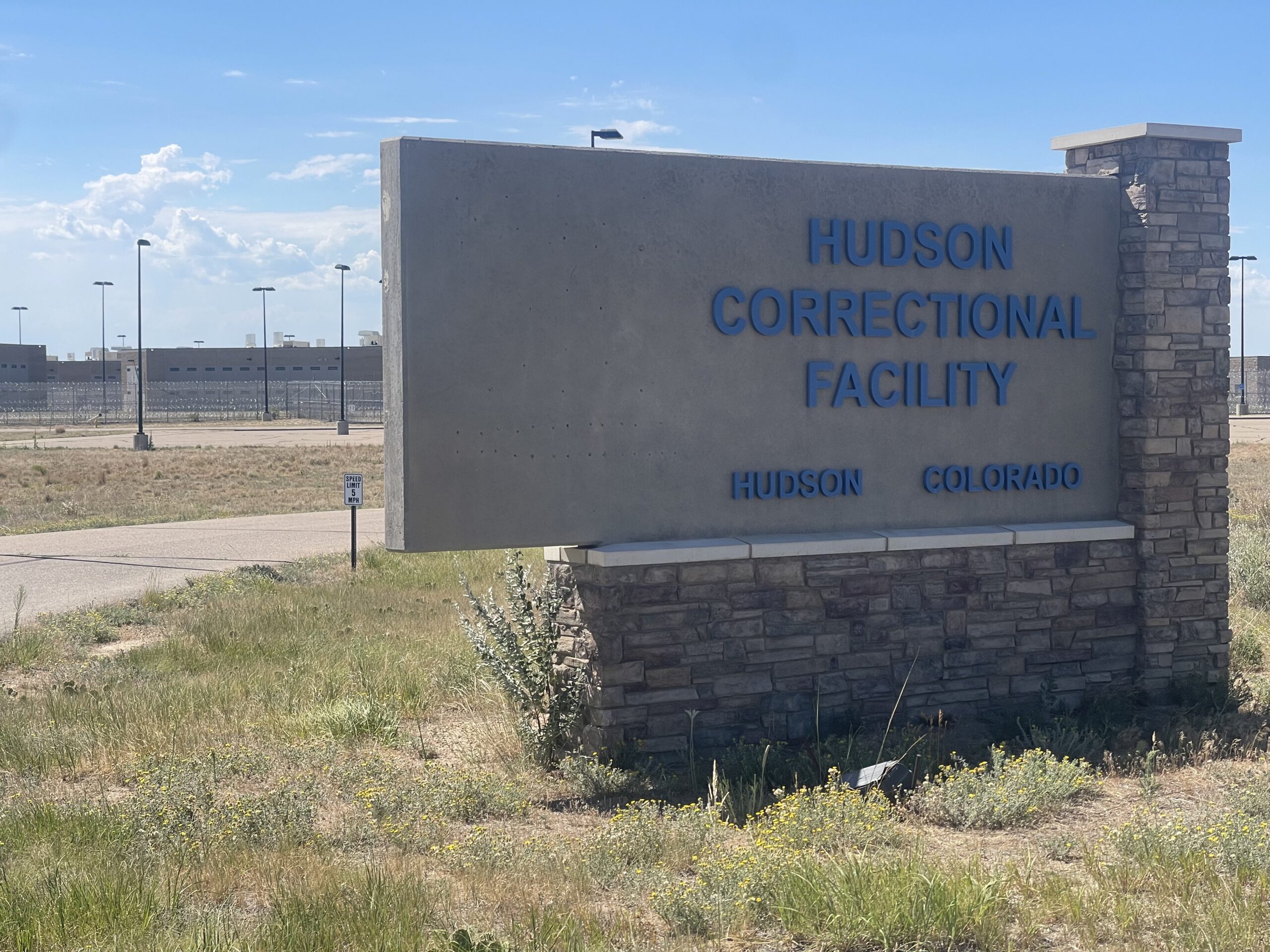
The federal government has signed a five-year contract with private prison company GEO Group that will effectively double Colorado’s immigration detention capacity to about 2,700 beds.
Signed July 9, the contract comes a year after the Trump administration told Colorado’s congressional delegation it planned to reopen the shuttered Hudson Correctional Facility as an immigration detention center.
The deal is worth up to $528.6 million, federal contracting records show.
Located about 30 miles northeast of Denver in Weld County, the Hudson Correctional Facility is a medium-security prison that closed a decade ago.
The prison is operated by the GEO Group, while the Highlands REIT Inc. — a real estate investment firm — owns it.
“We expect that our company-leased Big Horn Facility in Colorado will play an important role in helping meet the need for increased federal immigration processing center bedspace,” George C. Zoley, GEO’s CEO and founder, said in a statement.
Geo has had a 40-year public-private partnership with U.S. Immigration and Customs Enforcement (ICE).
The prison was built in 2009 and held inmates from Alaska until 2014, when it was closed. It has space for about 1,188 inmates, which is about 60% of the town’s total population.
GEO said in its proposal to ICE that the facility has four housing units that can separately accommodate different detainee populations, including men and women.
The facility, GEO has said, could, “depending on urgency” and the specifics, begin accepting detainees “in a matter of months.” GEO also reported that the facility has been “very well maintained.”
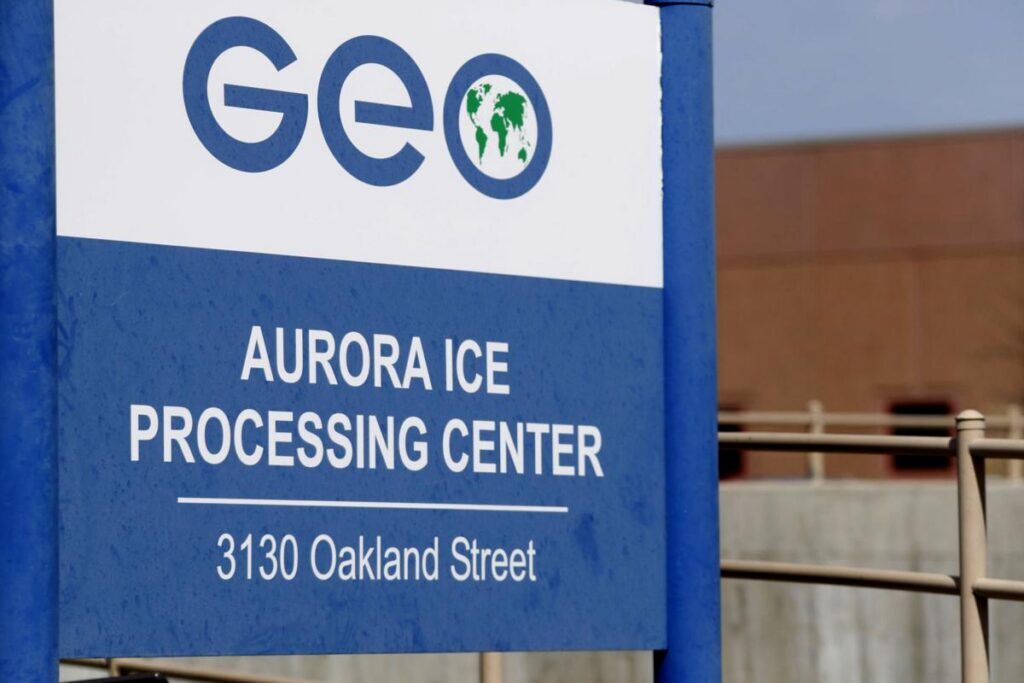
The Geo Group also runs the Aurora Contract Detention Facility, which has a capacity of 1,532 detainees. The Hudson detention center will boost the capacity in Colorado to a total of 2,720 beds.
Hudson, located along the Front Range, is named for a town company, Hudson City Land and Improvement Co.
When asked for comment, Hudson Town Manager Bryce Lange directed The Denver Gazette to a two-page community information update on the detention facility released Monday.
“Town leadership recognizes that residents have strong and deeply personal views about immigration detention facilities,” the update said, noting the federal government — and not the town — is authorizing the contract.
Officials also communicated to residents that the town does not know “several important details,” including the operational timeline, the number of detainees and facility staffing or demand projections.
Mayor Joe Hammock and all but one member of the town council declined to answer an emailed request for comment by The Denver Gazette.
Town Councilmember Zachary Reyes said he does not anticipate any public safety concerns and added that the town is prepared to provide water and wastewater to the facility.
“I would greatly appreciate the operators of the facility to have transparency with the residents of Hudson as well as (a hands-off) approach when it comes to federal law enforcement with the residents of Hudson,” Reyes said.
ICE officials did not respond to a request for comment.
In a previous statement to The Denver Gazette, ICE officials had said the need for additional bed space is driving expansion decisions.
“U. S. Immigration and Customs Enforcement’s enhanced enforcement operations and routine daily operations have resulted in a significant number of arrests of criminal aliens that require greater detention capacity,” an ICE spokesperson had said in a statement.
ICE, the spokesperson added last year, “is exploring all options to meet its current and future detention requirements.”
The ACLU of Colorado criticized the move to use the Hudson facility, calling it “a profound betrayal of Colorado’s values.”
“ICE’s covert opening of the Hudson facility is another disgraceful and shameful example of the Trump administration’s anti-immigrant fanaticism,” Olivia Mendoza, ACLU of Colorado executive director, said in a statement.
“ICE has resisted oversight and accountability for decades. Instead of reining in the agency, both Congress and the Trump administration have poured unprecedented amounts of money into fulfilling the campaign’s mass detention and deportation agenda.”
On the campaign trail, then-candidate Donald Trump had promised a crackdown on illegal immigration, a major issue for American voters during the 2024 presidential race.
The GEO Group has been the target of criticism from several organizations.
Earlier this year, a coalition of advocacy groups alleged detainees at GEO’s Aurora facility faced inadequate medical care, poor living conditions and insufficient food. The U.S. Department of Homeland Security has called the allegations “false.”
In Washington state, officials sued the company after alleging it repeatedly refused to allow health inspectors into its Tacoma detention center despite a state law requiring access.
In February, the U.S. Supreme Court rejected GEO’s bid to immediately appeal a Colorado lawsuit alleging detainees at its Aurora facility were forced to perform janitorial work and other jobs for little or no pay. The lawsuit is still pending.
And this year, the Colorado General Assembly passed legislation, which Gov. Jared Polis signed, to broaden the state’s power to conduct health and safety inspections at federal immigration detention centers. It was the latest in a string of “sanctuary” policies approved by the state legislature in recent years.
Last year, the ACLU of Colorado also sued ICE to obtain records of the government’s plans for expanding its detention capacity in the state.
ICE documents obtained by the ACLU in a Freedom of Information Act (FOIA) request show federal officials had considered at least six potential sites to expand ICE’s footprint in Colorado.
Federal officials had considered the Cheyenne Mountain Center and the Colorado Springs Migrant Detention Facility — both in Colorado Springs — as potential immigration detention sites.
According to agency documents, the GEO Group operates 18 facilities across the country that are under contract to provide services for ICE. With Hudson, which will be called the Big Horn Facility, those facilities will have a capacity of nearly 23,000.
Headquartered in Boca Raton, Florida, the GEO Group operates private prisons and mental health facilities in seven U.S. states, Australia, South Africa and the United Kingdom.
Denver Gazette reporter Kyla Pearce and The Associated Press contributed to this report.