







Colorado joins multistate antitrust lawsuit to block Paramount-Warner Bros. merger
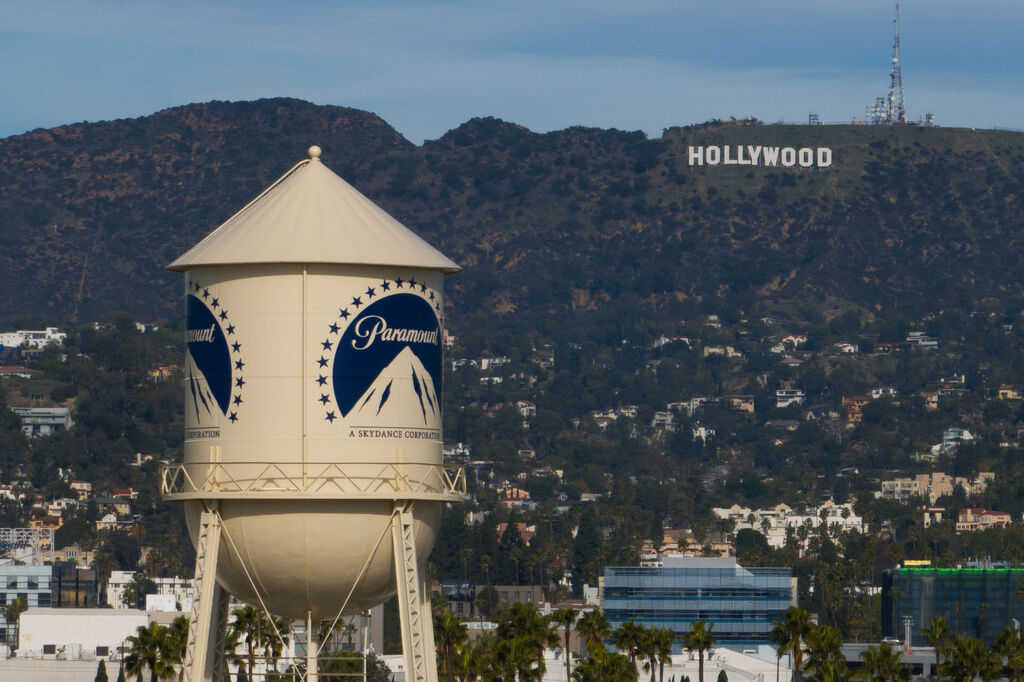
California Attorney General Rob Bonta filed a multistate antitrust lawsuit on Monday — with Colorado joining — to block the proposed merger between Paramount Skydance and Warner Bros. Discovery.
The Colorado Attorney General’s Office said it joined the suit because the $110 billion acquisition would eliminate competition between the companies and cause “substantial harm” to movie theaters, basic cable distributors and audiences nationwide.
Attorney General Phil Weiser said increased consolidation in film production and cable networks threatens consumers and the marketplace of ideas. He noted that as Colorado prepares to host the Sundance Film Festival next year, preserving competition is essential to ensuring theaters can show a wide range of high‑quality films. He also pointed to the state’s challenge of the Nexstar/Tegna merger as part of Colorado’s broader effort to maintain competition so cable and satellite providers can offer strong basic‑service packages.
The civil action comes one month after the Department of Justice approved the merger. The federal government concluded the merger will increase competition in Hollywood and ultimately lead to benefits for American consumers and workers. The 12-state coalition, however, contends that the opposite is true.
The $110 billion blockbuster merger, according to the 38-page lawsuit, “would extinguish competition between Paramount and Warner Bros. and inflict substantial harm on movie theatres, basic cable distributors, and, ultimately, audiences nationwide.”
The state attorneys general, all of whom are Democrats, went on to cite statistics showing that the combined Paramount-Warner Bros. entity will control 27% of the entertainment market if the merger closes and that the defendants will release more than 30% of films that make at least $100 million in movie theaters nationwide. The combined company will also control over one-quarter of the market for licensing basic cable television channels.
Bonta argued that the merged corporation’s increased control over media and entertainment would be bad for business because the multibillion-dollar transaction is anticompetitive in nature.
“This merger, in short, would create a media behemoth,” the lawsuit simply states.
The plaintiffs seek a court order permanently prohibiting Paramount from acquiring Warner Bros. on the grounds of an alleged violation of Section 7 of the Clayton Act. The federal antitrust law bans mergers and acquisitions when they may be found to substantially lessen competition in a particular industry or create a monopoly.
In a June 12 press release, the DOJ Antitrust Division said the “transaction is not likely to result in harm to competition or American consumers” following its eight-month investigation of the deal. The investigation initially focused on both bids submitted by Paramount and Netflix, but Netflix ultimately dropped out of the bidding war months before the DOJ investigation concluded.
California led Arizona, Colorado, Connecticut, Massachusetts, Minnesota, Nevada, New Jersey, New Mexico, New York, Oregon, and Washington in filing the lawsuit in the Northern District of California.
The court filing came a few days after Oregon withdrew its own motion to delay the proposed Paramount-Warner Bros. deal. The move signaled that Bonta’s lawsuit would be filed soon.
Also late last week, Rep. Darrell Issa, R-CA, warned Bonta against pursuing the antitrust lawsuit because film and television productions have fled the state to escape its “anticompetitive business environment, burdensome regulatory rules, and excessive taxes, fees and costs.”
Paramount condemned the widely expected lawsuit in a lengthy statement, with a spokesperson saying the legal action “reflects a fundamentally flawed application of the antitrust laws and is wrong on both the facts and the law.”
“We will vigorously defend the transaction and demonstrate that this challenge is inconsistent with sound competition policy and the competitive realities of the media marketplace,” the spokesperson wrote. “Delaying this transaction will only harm entertainment workers who have already suffered over recent years as technology has disrupted their livelihood and cost California tens of thousands of entertainment jobs.”
Paramount has received regulatory approval from the U.S. government and multiple foreign countries, although the merger has not yet been cleared in the European Union or the United Kingdom.
Democrats have consistently criticized Paramount for acquiring Warner Bros. because of what the merger would mean for CNN’s future, given Paramount’s overhaul of CBS News last year. Paramount CEO David Ellison is tied to President Donald Trump, who reportedly wanted Ellison to buy Warner Bros. to ultimately gain control of CNN. The cable news channel is owned by Warner Bros. Discovery.
One day before Bonta filed the lawsuit, a Semafor report claimed Paramount executives were considering moving their business out of California if the litigation proceeded. The company has not commented publicly on the possible relocation. Speaking at a press conference near the Hollywood sign, Bonta called the reported move a “last-ditch effort to blackmail my office.”
Thelma Grimes contributed to this story.