







Colorado kids’ health, education challenges persist, report shows

Despite having one of the country’s highest median incomes, Colorado families are struggling to afford essentials like food, housing, health care and child care.
That’s according to the Colorado Children’s Campaign, which released its annual Kids Count report recently. It provides an overview of how the state’s infants, children and teens are faring compared to previous years.
The report is broken down into four categories: economic security, health, K-12 education and early childhood.
“The data remind us of what is at stake and who is relying on us to pay attention,” Heather Tritten, president and CEO of Colorado Children’s Campaign, said in the report. “This is a moment when data matter. In difficult times, clear, reliable information helps us understand where children are thriving and where they are being left behind.”
Nearly 30% of Colorado families with children struggle financially
Nearly 30% of Colorado households with children and nearly 70% of single mothers experience financial hardship, according to the report.
Colorado’s child poverty rate, which is equal to $31,200 annual income for a family of four, has decreased from about 15% in 2014 to 11% in 2024. However, in certain parts of the state — like the San Luis Valley — more than one-third of children still live in poverty and nearly 75% of families with children experience financial hardship.
The report cited a study by Appalachian State University and Washington University in St. Louis that found three Colorado tax credits — the Family Affordability Tax Credit, Colorado Child Tax Credit and Colorado Earned Income Tax Credit — can reduce child poverty by 37%.
The most impactful, the Family Affordability Tax Credit or FATC, was shown to reduce child poverty rates by about 20%. The tax credit was established through legislation in 2024 and provides up to $3,200 in tax credits per child under six and up to $2,400 for children aged six to 16, depending on income. About 44% of Colorado families with children were eligible for the FATC in 2024.
The average Colorado family of four with one infant and one preschooler needs about $94,500 per year to meet basic needs, according to the report. However, costs are highly dependent on location, with families in Summit County needing more than $131,000 and families in Baca County needing just under $66,000 a year.
Many Colorado families also rely on federal assistance programs to get by, such as the Supplemental Nutrition Assistance Program (SNAP), Medicaid and the Child Health Plan Plus (CHP+). More than 616,000 Colorado children were either on Medicaid or CHP+ in 2024 and the programs covered 42% of births in the state that year. The number of children on SNAP has also increased by about 20,000 in two years, with nearly 355,000 Colorado kids receiving benefits in 2024.
Vaccination rates, insurance coverage rates trend downward for Colorado kids
About one-third of Colorado two-year-olds have not received the seven vaccinations recommended by the American Academy of Pediatrics for their age group, according to the report. Colorado ranks 30th in the nation for two-year-old vaccination rates and 37th for three-year-old vaccination rates.
The report found that kindergartener vaccination rates in Colorado have fallen below the 95% threshold required to prevent measles outbreaks, leading to cases in eight counties and six hospitalizations.
Nearly one in seven Colorado children face food insecurity, which the report attributes to rising food costs and the end of pandemic-era relief policies, such as enhanced SNAP benefits.
Healthy School Meals for All, a statewide initiative that provides free breakfast and lunch to public school students, served nearly 650,000 meals each day during the 2024-2025 school year.
The program — funded by an income tax hike on Coloradans earning at least $300,000 — has faced cost overruns to the tune of tens of millions of dollars. In response, the legislature asked voters to allow the state to keep and spend all of the revenue the state collects for the meals program and also raise the tax obligations of taxpayers that hit a certain income threshold.
According to Census data, the number of Colorado children without insurance has increased from 4% to 6% from 2023 to 2024, which is on par with the national average. The uninsured rate of Colorado children experiencing poverty more than doubled in a year, from 5% to one in 10.
The report attributed that increase in part to the end of pandemic-era policies that left some eligible children temporarily without insurance. Those policies were meant to be a temporary response to the pandemic, though some policymakers have sought to extend them even after the emergency declarations were lifted.
The report noted that Cover All Coloradans, a program that provides state-funded insurance coverage to children and pregnant women without legal immigration status, covers about 27,000 people in the state, 20,000 of them children, with enrollees in almost every county.
That program had been costing far more than lawmakers expected, with expenses nearly tripling in just a year and threatening to further squeeze Colorado’s budget.
The program, initially estimated in 2022 by nonpartisan fiscal analysts to cost about $27 million in general funds in the 2025-26 budget, instead cost nearly $90 million in 2025-26.
Youth mental health outcomes seem to be improving, with the number of Colorado high school students reporting feeling sadness and hopelessness decreasing by 14 percentage points from 2021 to 2023. The state’s teen suicide rate has also decreased significantly since 2020, which the report partially attributed to increased availability of mental health services. In 2025, only 8% of parents said their child needed mental health services but didn’t get them, down from 16% two years prior.
Cost, availability remain barriers to childcare
Colorado is home to nearly 39,000 children under six, but there are only about 164,000 spots at licensed childcare centers around the state and the average annual cost for a childcare center is $38,500.

This means that at least half Colorado families would need to spend a third or more of their annual income to send two kids to a childcare facility, according to the report. While the state provides financial assistance to low-income families through the Colorado Child Care Assistance Program, more than 9,000 families are currently on a waitlist or in an enrollment freeze.
The state is having an extremely difficult time retaining childcare and early childhood education professionals, many of whom say they want to stay in the field but are unable to due to low pay. The average childcare professional in Colorado makes $39,560 a year, nearly half the state’s average annual wage. According to a study by the Colorado Department of Early Childhood and the University of Denver, nearly 20% of child care and early childhood education professionals left the field in Fiscal Year 2023-2024.
About 43,400 four-year-olds are enrolled in the state’s universal preschool program, which provides 15 hours a week of free preschool to four-year-olds and some three-year-olds. About 55% of four-year-olds enrolled in universal preschool are either low income or experiencing poverty, and one in four are dual language learners, according to the Colorado Department of Early Childhood.
Colorado ranks third in the nation for preschool access, in part due to the universal preschool program, which serves about 68% of all four-year-olds in the state.
Nearly 90% of Colorado high schoolers graduate, but most K-12 students are below grade level in English and math
Almost 900,000 students are enrolled in Colorado’s 1,900 public schools, though the state has seen a steady decline in enrollment since the pandemic, with about 30,000 fewer students enrolling in public schools from the 2019-2020 school year to the 2020-2021 school year.
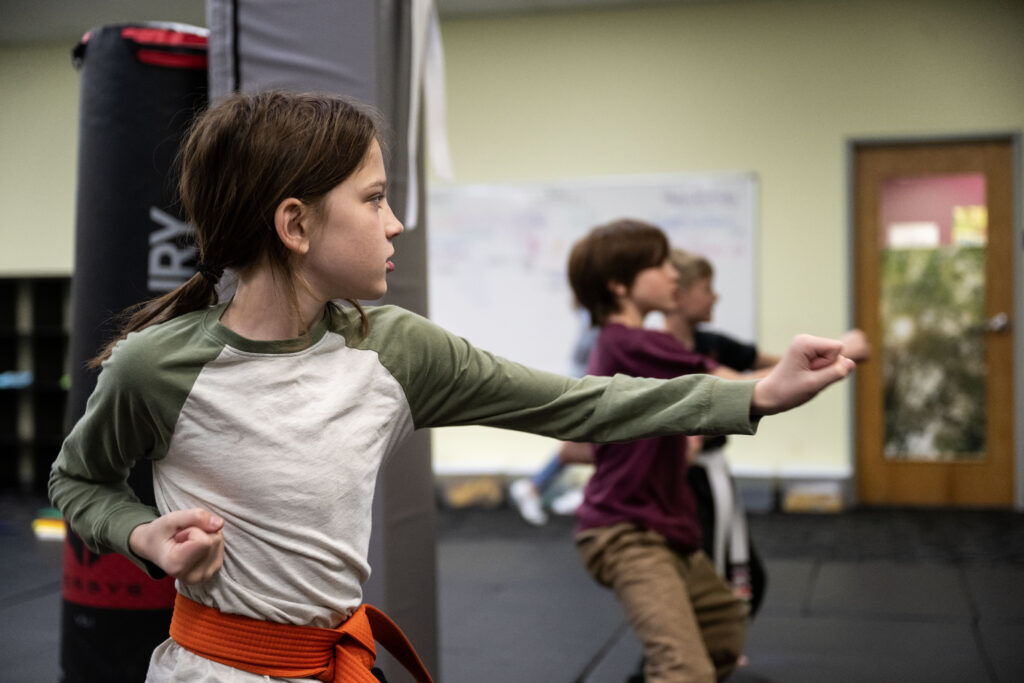
The report found that Colorado students are missing more school than before the pandemic, with nearly 30% of K-12 students labeled chronically absent, meaning they missed 10% or more school days. Rates of chronic absenteeism are particularly high in Huerfano, Archuleta, Montezuma and Denver counties.
More than half Colorado elementary and middle school students are falling behind in both English and mathematics, and 67% of the state’s high school juniors are not meeting academic expectations on the math portion of the SAT.
Colorado’s 54,767 public schoolteachers make an average of just under $75,000 annually, the 20th highest in the country. However, teacher turnover in the state remains high, with 16% of teachers leaving the field between the fall of 2024 and the fall of 2025.
Meanwhile, nearly 40% of high schoolers are not reading or writing at grade level.
On a more positive note, the percentage of high schoolers in Colorado who graduate on time has increased by nearly 10 percentage points since 2014, with many counties seeing graduation rates as high as 98%. Only 23% of those students go on to earn a postsecondary credit within four years.