







From ‘Pikes Peak or Bust’ to Crocs: How Colorado has reinvented itself for 150 years
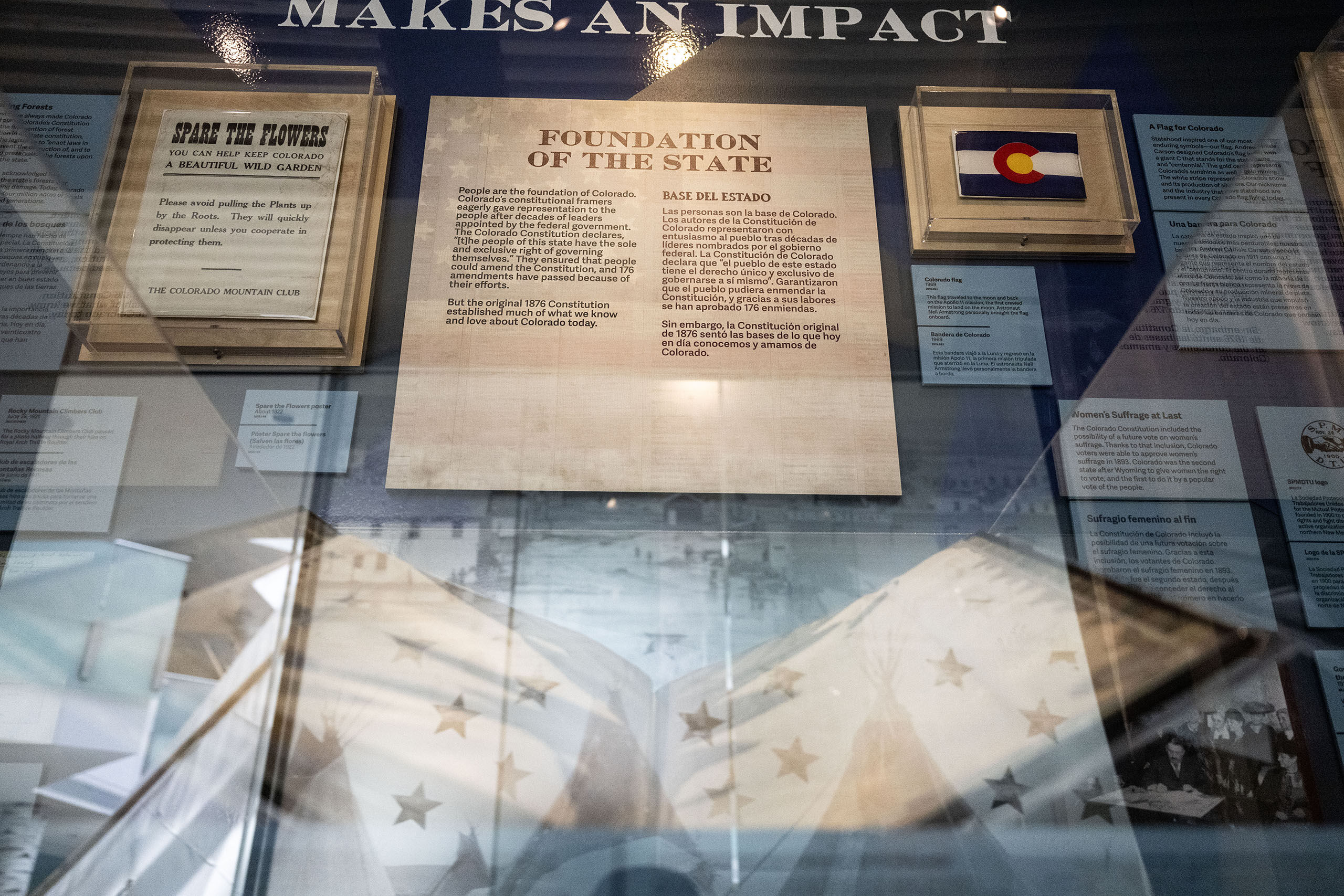
After three and a half years in Colorado, I knew the state had mountains and sunshine.
What I didn’t know was how often Colorado has reinvented itself.

Or why Colorado is the way it is.
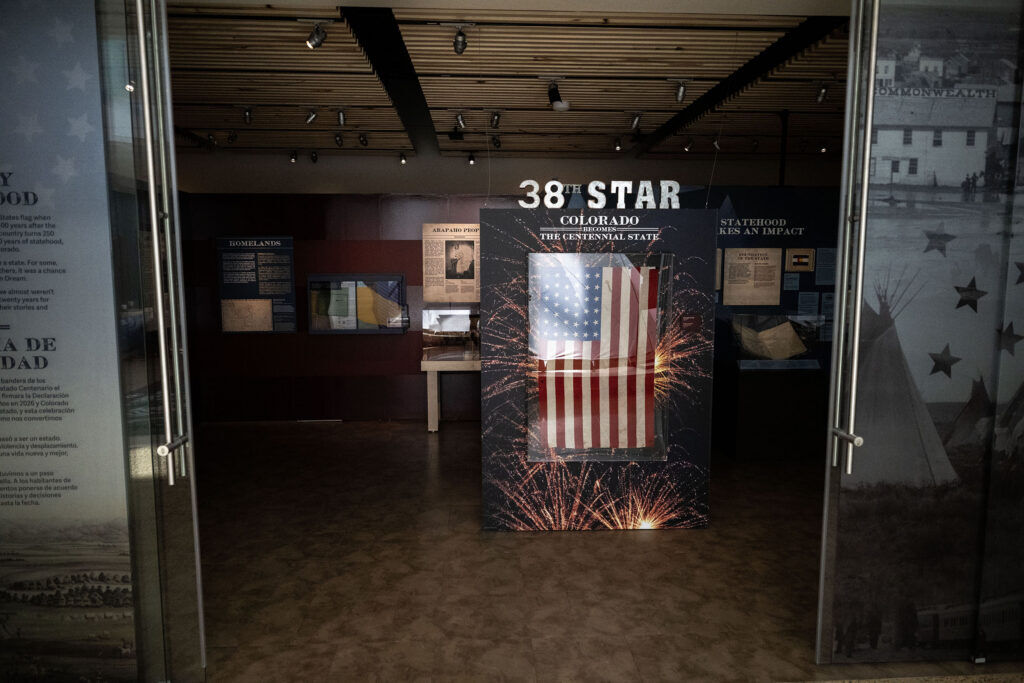
After a 90-minute tour with Katherine Mercier — a historian who developed the “38th Star” exhibition at the History Colorado Center — I began to understand the why.
Colorado celebrates its 150th anniversary as a state on Aug. 1.
I’ve always thought of Colorado as a blue state. But that wasn’t the case in the years before statehood.
Politicians viewed Colorado through a very different lens — as a place more likely to send Republicans to Congress and the White House. This political reality shaped Colorado’s long and winding road to statehood.
On Aug. 1, 1876, President Ulysses S. Grant signed the proclamation officially making Colorado the 38th state in the United States after four failed attempts over roughly 17 years.
Goldminers resisted the first attempt in 1859, worried that statehood would increase taxes. Instead, they favored becoming a territory funded by Congress. Hispanos opposed the second attempt five years later in 1864 over fears their interests were unrepresented.
The next year, in 1865, Colorado voters approved a state constitution limiting voting rights to White men on the third attempt. A petition of 137 Black Coloradans protested the restriction, leading President Andrew Johnson, a War Democrat, to veto the bill authorizing statehood.
The fourth attempt failed in 1866, too. In his veto, Johnson cited Colorado’s small population. Historians have long debated the role politics played in the decision.
What’s so fascinating to me as a relatively new Coloradan was how often The Centennial State seemed destined — depending on the decade — to be something else.
The fur trade was one of the first major economic drivers that brought large numbers of people into what would become Colorado.
(Stephen Swofford, Denver Gazette)
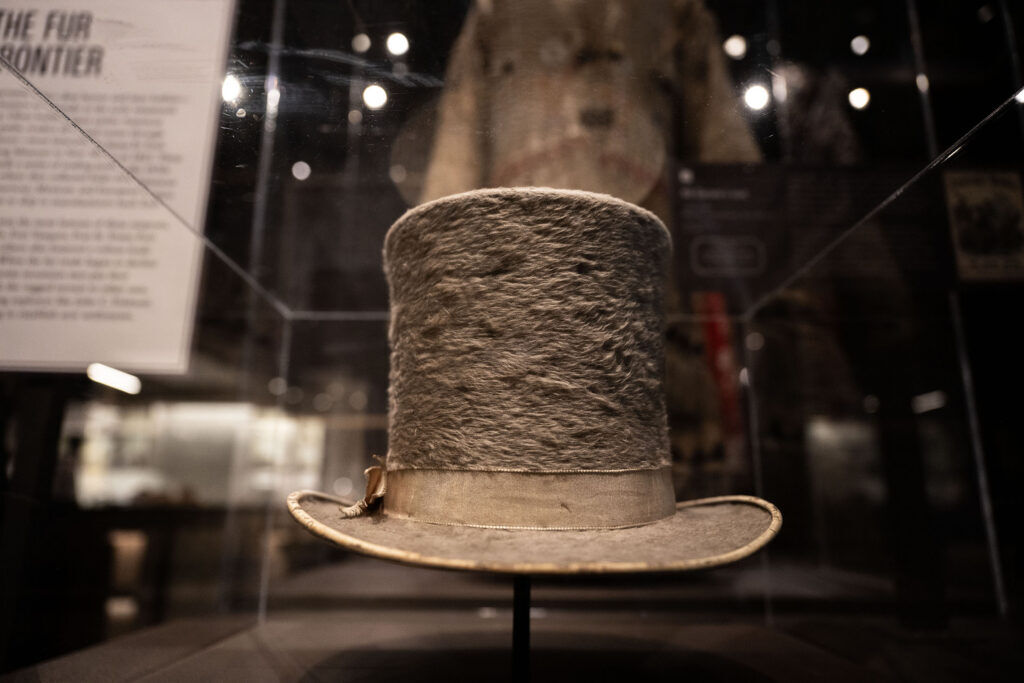
Long before Colorado was a ski destination, it was chasing beaver pelts. One exhibit includes a fashionable beaver top hat from the 1820s and 1830s, the kind worn by President Abraham Lincoln.
One display case contains Spanish coins circulated through the region long before Colorado existed. The coins serve as a reminder that this land was connected to trade networks stretching deep into what is now New Mexico and beyond before gold seekers arrived in the 1850s.
That connection became clearer when Mercier showed me a map of the territories Colorado once belonged to: Kansas, Nebraska, Utah and New Mexico.
It also helped explain something I had noticed since moving here: Colorado’s enduring ties to New Mexico. The relationship isn’t incidental. For a time, they were literally part of the same place.
The map of Colorado also challenged something I thought I knew.
Perfectly rectangular on paper, Colorado is one of only three states defined entirely by latitude and longitude lines. Mercier was quick to point out the reason was aesthetic, resulting in surveying errors she said that left the state’s border with “697 sides.”
Colorado may look square. It isn’t.
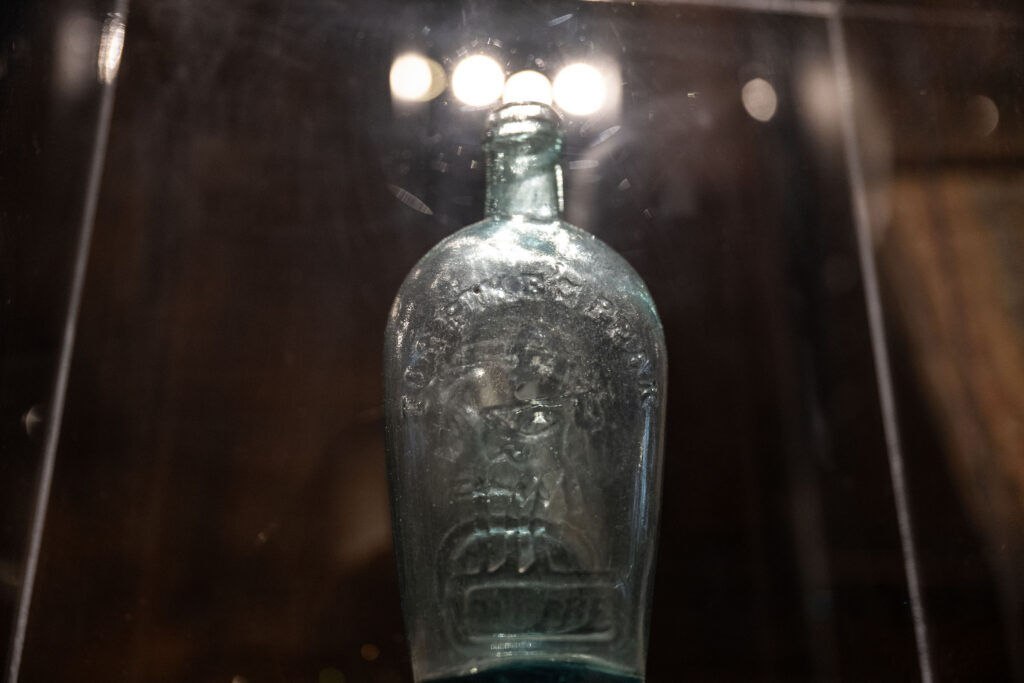
(Stephen Swofford, Denver Gazette)
Before Colorado was Colorado, it was known simply as “Pikes Peak.” Thousands of gold prospectors in the 1850s headed west — their wagons emblazoned with “Pikes Peak or Bust” — even though many never got anywhere near the mountain itself.
Not every item tells a story of progress.
One artifact that stopped me in my tracks: a document signed by Lincoln authorizing the Fort Wise Treaty. The treaty dramatically reduced the Cheyenne and Arapaho lands in 1861, weeks before Colorado became a territory.
Mercier explained to me that the agreement was secured with promises of food and goods, as settlers pushed westward.
Standing there, I found myself wrestling with an uncomfortable truth I’ve repeatedly encountered while reporting: history rarely neatly casts figures into heroes and villains. Lincoln preserved the Union and helped end slavery. His signature also appears on a document that helped dispossess Indigenous people of their land.
Nearby hangs Spotted Tail’s Friendly Band flag, a white banner with black lettering intended to signal that a tribe was friendly to the United States and ward off attacks.
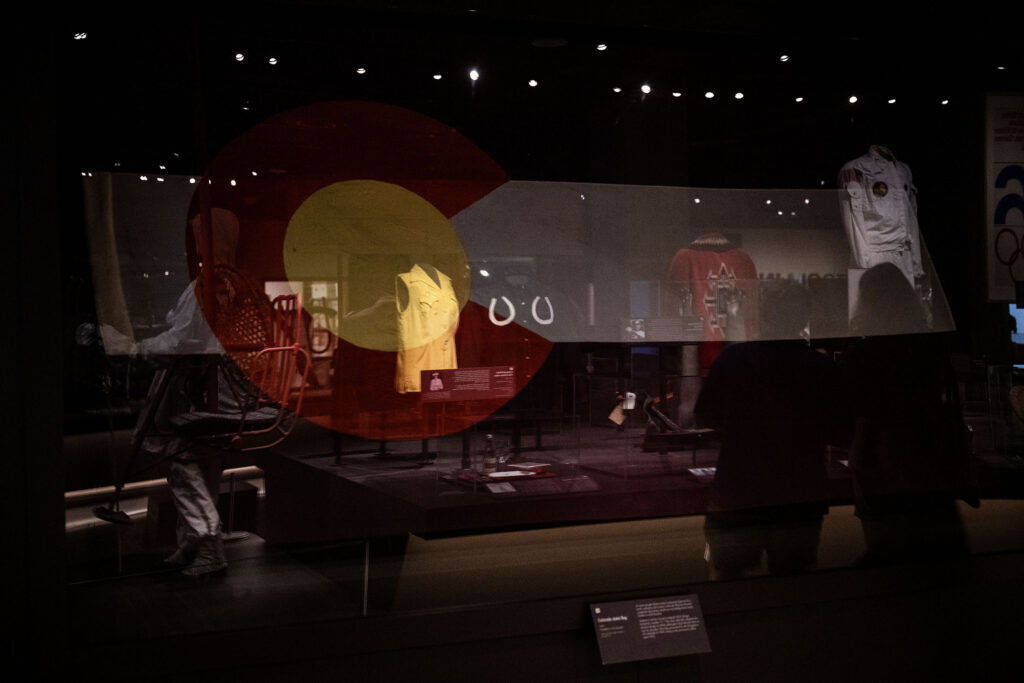
But the flags didn’t always work.
It serves as a reminder of the tensions and violence that sometimes followed, including the Sand Creek Massacre of 1864, which killed more than 200 Cheyenne and Arapaho people, many of them women and children.
It was one of several moments during my tour that reminded me no person — and no state — is only one thing.
Moving through the exhibits, I was struck by the thought that some of Colorado’s history feels accidental.
Take how Denver got its name.
Early settlers named the town after James W. Denver, the governor of the Kansas Territory, hoping to curry favor with a powerful politician. There was just one problem: the governor had already resigned.
The political gamble failed. But the name survived.
The next transformation arrived on steel rails.
When Coloradans were first debating statehood in the late 1850s, the state wasn’t yet fully connected by rail. The first tracks weren’t laid until 1867.
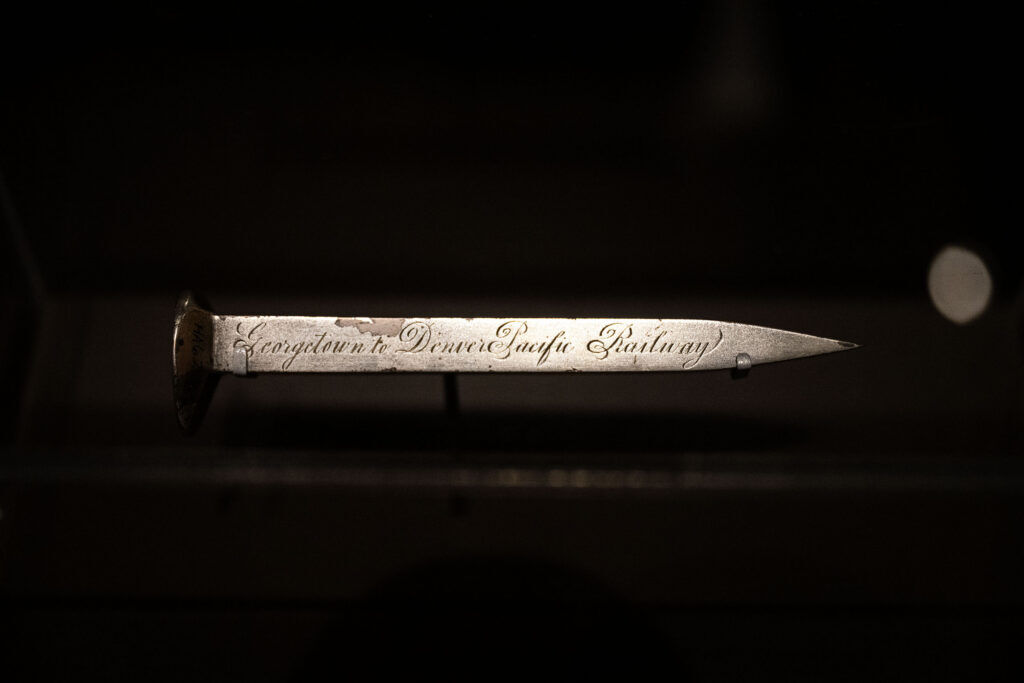
I listened, mesmerized, to Mercier, as she shared a story about the silver railroad spike engraved in a beautiful script commemorating the completion of Denver’s first railroad. The ceremony took place on June 26, 1870 — in Georgetown, a mining town.
That’s the clean history version. Now for the part that made me chuckle.
The miners who were to deliver the spike to the president of Denver Pacific got drunk the night before the ceremony, slept in and skipped it. And then they pawned the spike.
One relic that lingered with me was an 1884 ballot box from El Paso County. Staring at it, I found myself thinking about who could — and could not — cast a ballot in Colorado’s early years.
Less than a decade before Colorado became a state, voters approved a proposed constitution that restricted voting to White men. Less than two decades later in 1893, Colorado became the first state to grant women the right to vote through a popular referendum.
This ground-breaking moment happened 27 years before the 19th Amendment was ratified in 1920, guaranteeing women’s suffrage.
The shift felt remarkable.
This was yet another reminder that Colorado’s history is full of contradictions. The same state that limited voting to White men in an early proposed constitution would later become a national leader in expanding voting rights to women.
Colorado reinvented itself again after World War II.
One display holds artifacts from the 10th Mountain Division soldiers, who trained at Camp Hale before fighting in Europe. Many returned and helped build Colorado’s ski industry.
Nearby sits a chair from Aspen Lift No. 1.
One of the most striking objects in the exhibit is the long rubber glove used to handle plutonium at Rocky Flats, an artifact from Colorado’s role in the Cold War. Stretching far beyond the wrist, workers used these gray gloves to reach through a sealed “glove box” to handle radioactive materials.
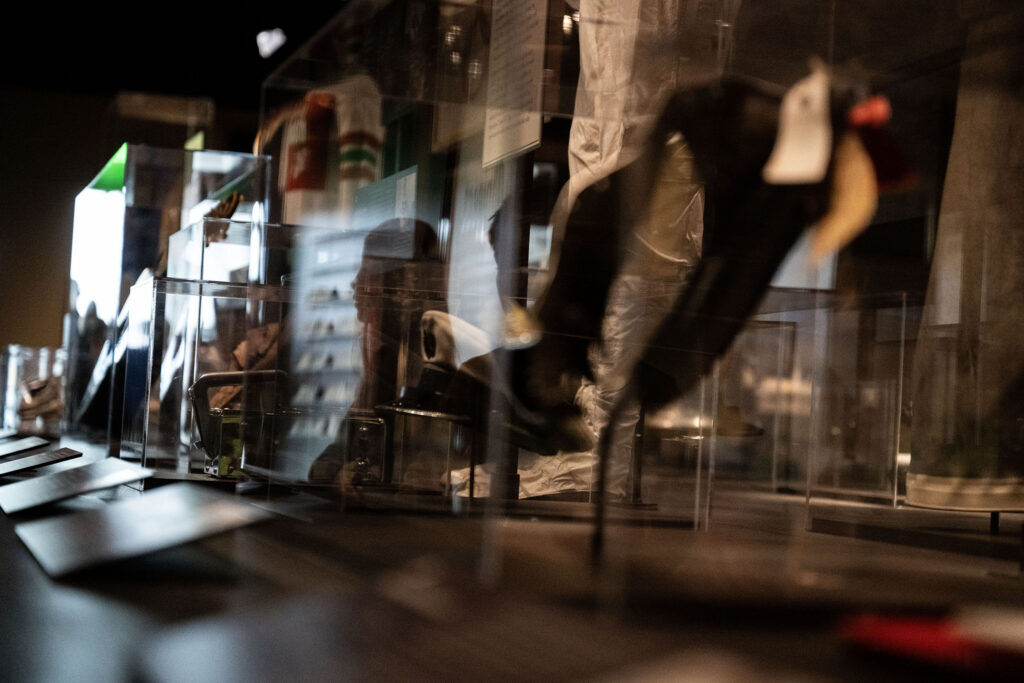
Colorado didn’t stop changing when the war ended.
The state’s next chapter would be written in music, technology and entrepreneurship. The distance between a plutonium glove and a pair of Crocs is shorter than you’d think.
Just a couple of steps away is John Denver’s Yamaha guitar from 1986 and a pair of Crocs. John Denver, I understood. I had to ask Mercier about the Crocs. Turns out the foam clogs were created in Boulder, launching the “Ugly Can Be Beautiful” campaign and a multibillion-dollar company.
But the oldest object on display sits thousands of years away from ski lifts, plutonium gloves and John Denver’s guitar.
A Folsom spear point — originally embedded in a bison skeleton — discovered near Fort Collins, dates back roughly 11,000 to 12,000 years.
“Proof that Coloradans have called Colorado home for over 13,000 years,” Mercier told me.
After an hour and a half of beaver hats, railroad spikes, ski lifts, plutonium gloves and Crocs, the spear point puts the state’s 150th anniversary in perspective.
Colorado may be turning 150, but the story of the people who have called this place home is much older.