







Affordability, childcare will be focus of Denver mayor’s city address
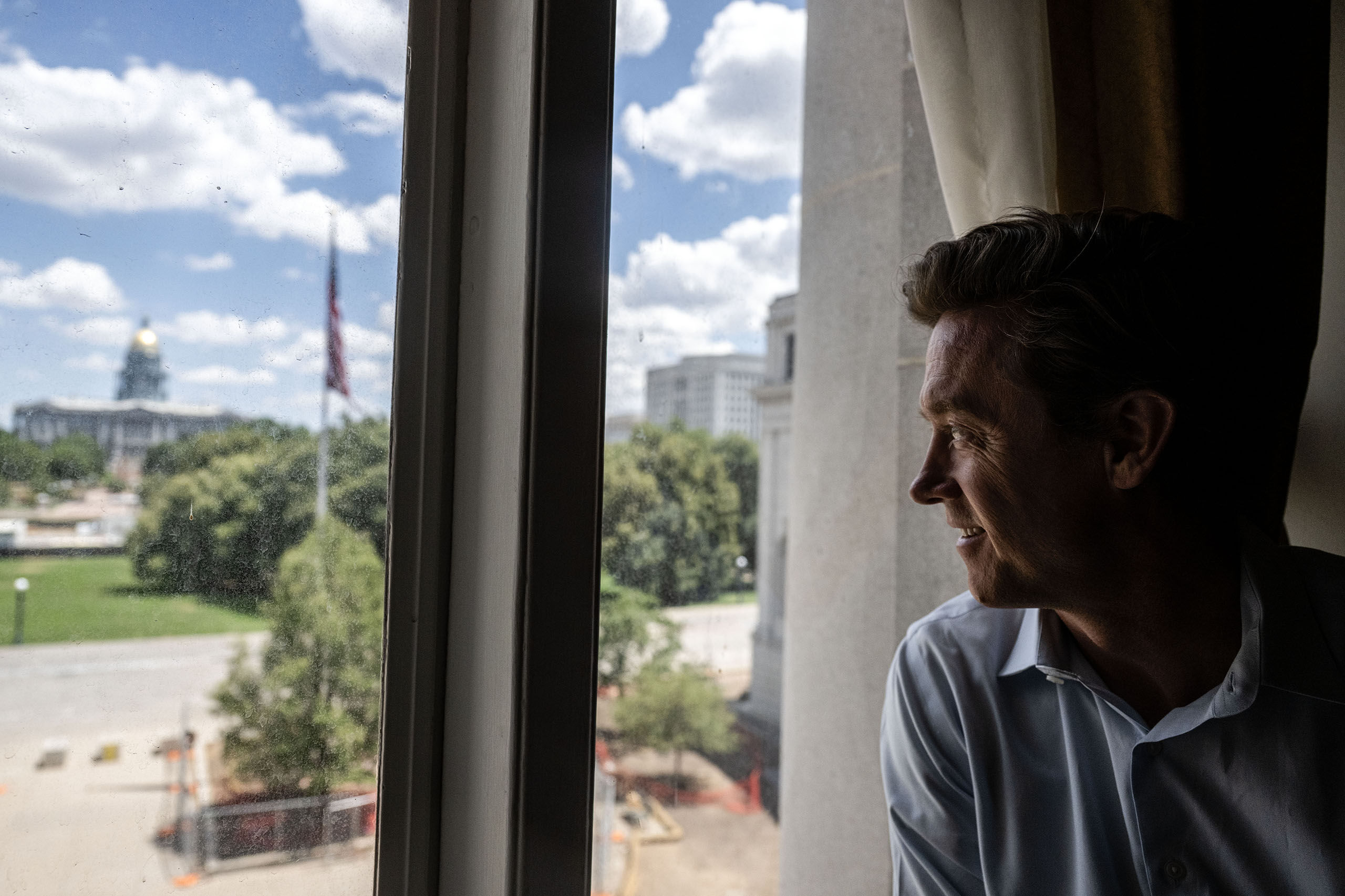
Denver Mayor Mike Johnston will deliver his third State of the City address on Tuesday, when he is expected to outline major initiatives on utility costs, childcare and other affordability challenges.
The mayor, who confirmed he is seeking reelection, told The Denver Gazette in an exclusive interview Friday that, in the last year of his current term, he will focus on the high cost of childcare and utilities, along with the usual contributors that make Denver less affordable, such as rent.
“I think the most important thing is to focus on the biggest cost drivers families in Denver are facing,” Johnston said. “And the biggest one, by far, is the cost of housing.”
But there are other factors to consider, Johnston said, pointing to childcare and the cost of utilities.
“So, we’re working on a future deal with Xcel that will help try to manage those costs long-term,” he said.
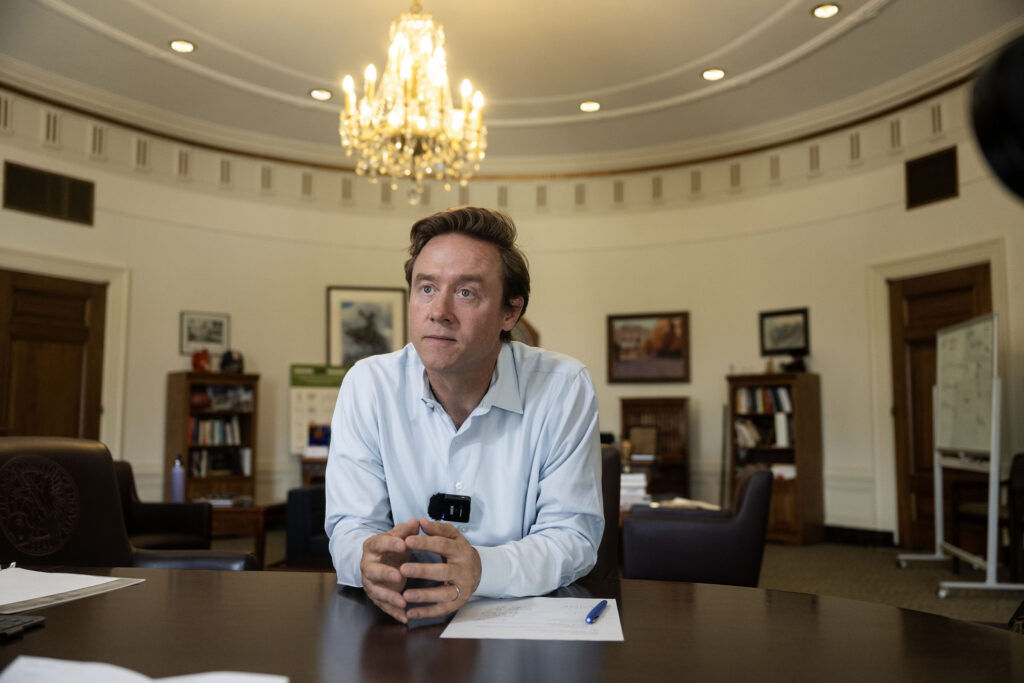
Johnston’s affordability agenda will include ways to manage the costs of parking and transit, the mayor said.
He said childcare, notably, remains a major financial burden for working Denver residents.
In his 2025 State of the City address, Johnston described childcare as a crucial element to making Denver a better place for families. He made a broad promise to make it available to working families.
In his 2026 announcement of citywide goals, that became more of a formalized planning “framework.”
“We will focus on what we want to do, which is build a system that makes childcare accessible and affordable and easy to find,” Johnston said. “We’ve done a good job in the city with the Denver Preschool Program, which serves 3- and 4-year-olds. It’s a one-stop shop, where everyone can find access to care, and you pay different amounts based on how much you make.”
The goals do not include specific funding commitments or tuition reductions. Denver bridged a $200 million deficit last year by adopting a hiring freeze and implementing layoffs and furlough days. Its budget will be flat in the next fiscal year, the mayor’s office said.
While Johnston said he believes the city has “good templates” for 3- and 4-year-olds, he said there needs to be more emphasis on infants and toddlers.
When it comes to Denver’s homeless strategy, the mayor told The Denver Gazette that he has no regrets about the nearly $200 million the city has spent on a variety of initiatives to house immigrants, clear encampments and establish shelters for those living on the streets.
“I think if you said, ‘Would we make the investment to deliver the largest reduction in street homelessness of anything in American history? Yes, we would do that,” Johnston said. ‘That’s what we signed up to do. That’s what we got elected to do. That’s the results we’re delivering. And I would focus on that now. What we are doing is spending less per person now than we spent before.”
Overall homelessness in Denver went down by 12.5% this year, the first year-to-year reduction in nine years, according to an annual count. Street homelessness is also at a nine-year low, decreasing by 64% since 2023, when Johnston took office.
As for Denver’s plans for a downtown comeback, the mayor said he remains confident.
“Oh, we do believe it can make a comeback and I think the data supports that,” Johnston said. “We’ve seen huge and historic drops in crime in downtown; we’ve seen obviously major drops in homelessness, but we’ve also seen more retail and commercial activity.”
He said close to 61 new businesses have opened over the last year.
But the empty office real estate market remains one of downtown’s major vulnerabilities, experts note.
Downtown Denver’s office vacancy rose to nearly 39% in the first quarter of 2026, according to commercial real estate firm CBRE.
The office market has shown signs of stabilization, though demand is still dry, CBRE’s report said. On the supply side, there hasn’t been a single new office building under construction in downtown since the opening of 1900 Lawrence during the first half of 2024.
This means there’s no new supply in the pipeline, as several heavily vacant office buildings have secured funding from the Denver Downtown Development Authority to be converted into apartments.
“Right now, this is what you see when you hit a trough,” Johnston said. “That’s a chance for people to invest and to grow, and we think we had a lot of folks that bought when the prices were low and I think that’s going to be great for them.”
Big questions remain around the city’s real estate strategy, notably in the recent troubles surrounding the Denver Post building.
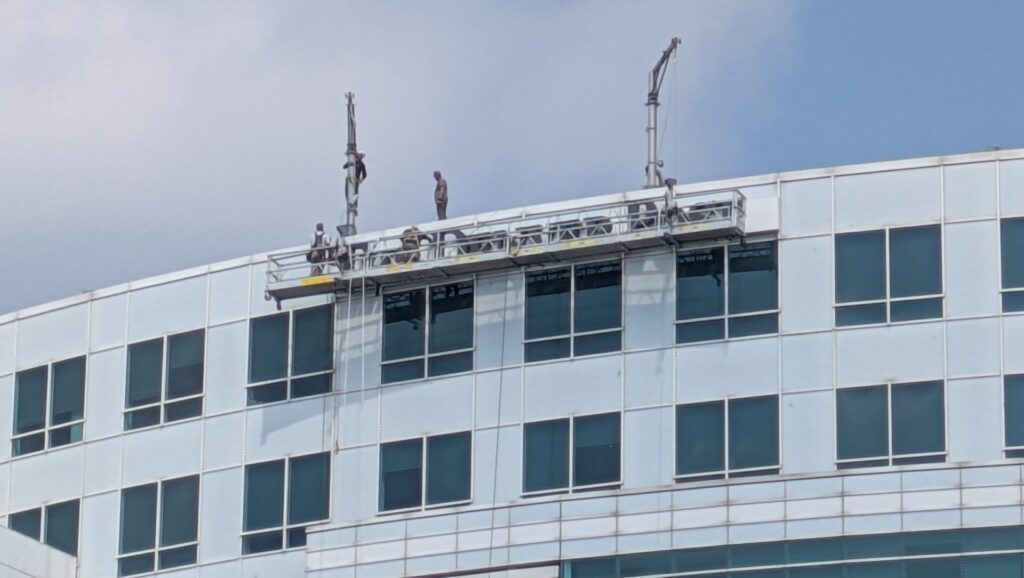
The City and County of Denver bought the Denver Post building from investors in 2024. On June 11, the city and Post owner DP Media Network LLC announced a $13.5 million settlement for back rent payments and for removal of the sign.
The Johnston administration aims to fill empty office spaces downtown, including the Denver Post building, targeting 3 million square feet this year alone.
The mayor said that by protecting long-term “anchor points” to downtown, such as the Denver Pavilions, the city retains some control over what happens downtown.
“We don’t want to see that (Denver Pavilions) go broke, go under or get turned into a bunch of 7-Elevens because an out-of-state investor doesn’t care about the 16th Street experience,” Johnston said. “So, that’s why we’ve invested in the Denver Post building. We needed office space downtown. We think there is a real opportunity to lease that to other partners.”
Johnston said there are already “a number of very exciting businesses interested in that spot.”
Johnston said the city’s strategy is to get more people living downtown with residential units and to “create really great spaces people want to go to that are anchors across the 16th Street area, and then make sure we can shore up some of those places that are on the brink by making sure we determine what goes there and what stays there.”
Johnston said four areas come to mind that demonstrate the city’s strategy is working.

“Union Station is working well right now and active and thriving,” he told The Denver Gazette. “Larimer Square is working well, and the biggest one is Skyline Park … and then Glenarm Plaza, also right in front of the Pavilions.”
“Those are places that are coming back, and the foot traffic supports it,” Johnston added. “We’re at 99% of the foot traffic that we were at pre-COVID. I think that’s a real sign that folks are returning. Not enough yet, but it’s great progress.”
Johnston will deliver his 2026 State of the City address at 6 p.m. Tuesday at the National Western Center. The event is free, but registration is required. It will also be livestreamed via Denver8 and online. Denver8 is also available on Comcast cable channel 8/880 in Denver.
Denver Gazette reporter Mark Samuelson contributed to this story.