







GUEST COLUMN: Opioid settlement funds — first do no harm
It is not an exaggeration to say that the opioid crisis, now fueled predominantly by the trafficking in illicit fentanyl, is possibly the gravest issue facing America today. Since it started, more than 600,000 lives have been lost. Colliding at the intersection of crime and public health, Anne Miligram, U.S. Drug Enforcement Administrator under Joe Biden, even declared that fentanyl was “the single deadliest drug threat our nation has ever encountered.”
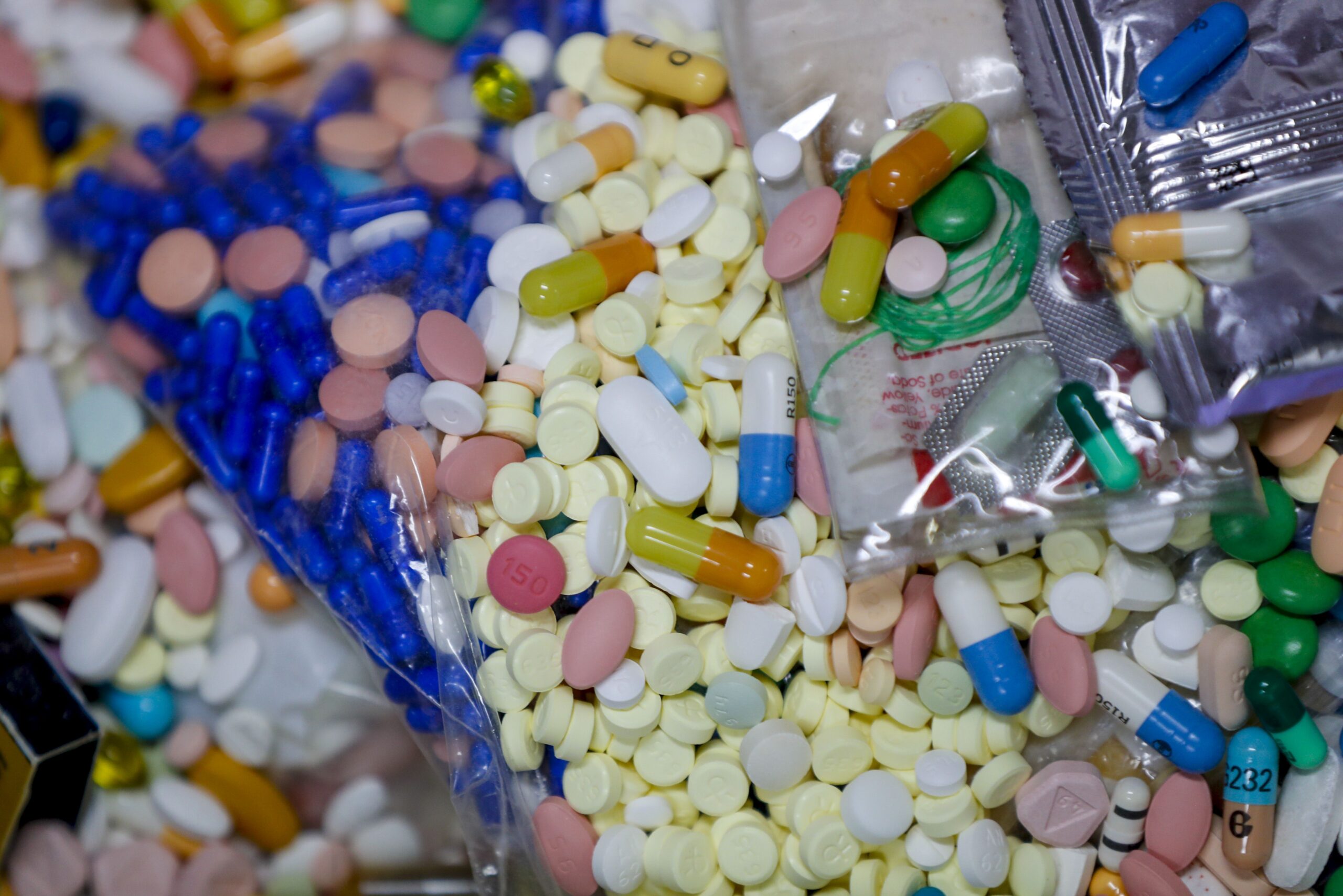
Fentanyl is 50 times more potent than heroin, and it is flooding our streets. In 2023 alone, the U.S. Customs and Border Patrol seized 27,600 lbs. of fentanyl, more than the previous two years combined. California law enforcement authorities, meanwhile, seized around 62,000 lbs. that same year, enough to kill every man, woman and child in the world nearly twice over, according to officials. And that is only what was caught. Law enforcement is only able to intercept a fraction of what is actually being illegally imported.
The impact of fentanyl addiction goes beyond just the devastating physical and mental toll it takes on the individual; it tears apart families, devastates communities, and ravages the very fabric of our society. That’s why it is not only crucial that sufficient resources be allocated to fight this scourge, but that those resources are used properly.
States and local jurisdictions are receiving billions of dollars in settlement funds stemming from lawsuits against companies involved in the manufacturing, distribution and dispensing of opioid prescriptions; the question is how that money will now be spent. While several states have put procedures in place to ensure those funds are appropriately targeted to addressing the opioid crisis, others appear to have fallen for the temptation to use those funds as a sort of magical new revenue source to plug budget holes and finance all manner of pet projects which may have (at best) a tenuous relationship to combating opioid addiction. If we are to make headway in stemming what has morphed into a mass criminal problem, we need to ensure that guardrails are put in place to guarantee those funds are being allocated as intended.
Even in situations where the money is technically going to opioid-related programs, it is imperative that we ensure it is spent wisely; that is, on those programs which will actually treat addiction, prevent opioid abuse, and help law enforcement effectively fight illicit opioid trafficking. What it should not be spent on is misguided efforts that enable users and exacerbate the problem.
The euphemistically labeled policy of “harm reduction”, for instance, is an accommodationist approach to drug use which, rather than doing the hard work of trying to find solutions to the problem, takes the easy way out. Needle exchanges and “managed use” are examples of this delusional and dangerous approach. It is society simply shrugging its shoulders and accepting defeat. It treats drug use as a way of life to be managed rather than confronted and treated. This approach is damaging enough when we are talking about drugs like marijuana; when we are dealing with fentanyl – or emerging new threats such as fentanyl mixed with xylazine (a potent horse tranquilizer) – this approach is deadly.
We can see the effects of this ideological approach on the streets of progressively run cities around the country, including my home city of Denver: gestating tent cities of homeless fentanyl victims whose addiction is being fed by those who are supposed to help; the harrowing zombielike figures hunched over on street corners; the crime which is endemic in these stricken communities; and the hopelessness and defeat where once thriving communities were once built. It is unfortunately not surprising that Denver has become home to the nation’s emptiest downtown.
Thankfully, however, we are starting to see some of those cities pull back from their embrace of these damaging policies, as the negative impacts pile up. San Francisco, for example, has recently begun to reverse some of its harm reduction practices, in favor of cleaning up the streets and getting victims of addiction the help they need.
The money from the opioid settlements offers local communities a financial lifeline to help them address the public health problem of opioid addiction, and the conjoined criminal problem of fentanyl trafficking and distribution – provided it is used properly. But good intentions and broad promises are not enough. Settlement dollars need to be tracked, verified and audited so taxpayers and impacted families can see whether the money is actually being used for its intended purpose.
That is why a recent model policy that would extend a familiar “single audit” framework to opioid settlement fund recipients is worth serious consideration. By requiring larger recipients of settlement funds to undergo independent audits while allowing smaller recipients to meet more modest reporting obligations, we can ensure that settlement dollars can be tracked after they are awarded without creating another layer of bureaucracy.
State legislatures need to take the lead in enacting these requirements to make sure opioid settlement funds are being allocated properly – not to bail out profligate local governments, or to fund counterproductive experiments that exacerbate the problem under the guise of “social justice”. A good yardstick for measuring that may be an application of the medical profession’s Hippocratic Oath: “First Do No Harm.”
Chief Jeffrey A. Martinez is a thirty-one-year law enforcement veteran and Chief of the Sheridan, Colorado Police Department. Chief Martinez previously served as the Commander of the Denver Homeland Security Bureau with the Denver Police Department.