







Colorado allows big polluters to buy credits as it mandates local engagement
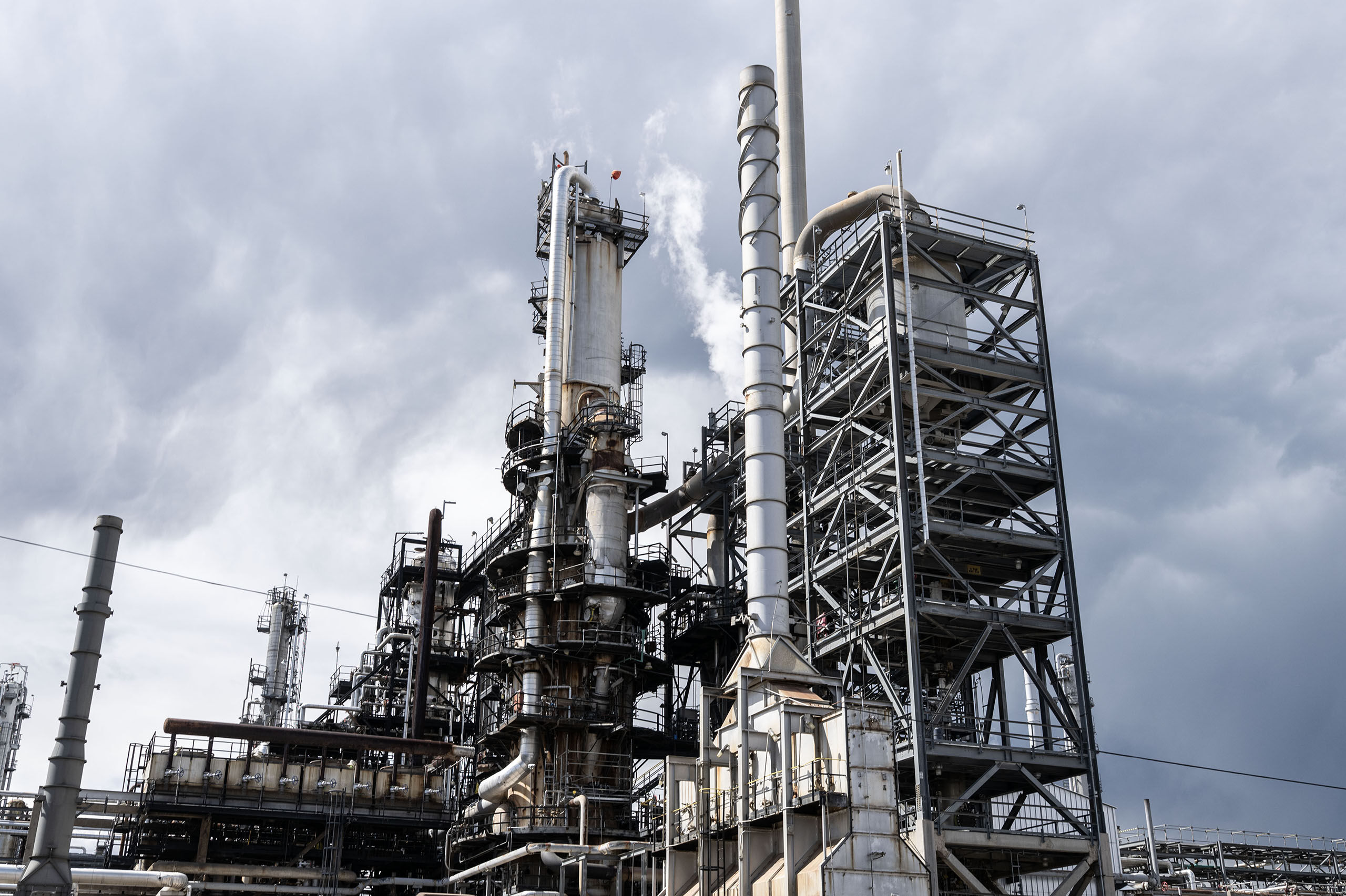
Colorado air quality regulators on Friday decided to require major industrial plants to hold in-person meetings with nearby communities and to cut certain pollutants on site.
The same rules allow those plants to meet most of their greenhouse gas targets by buying credits instead of reducing emissions at the facilities.
The Colorado Air Quality Control Commission adopted the changes to Regulation 27. The rule covers the state’s largest manufacturing plants under a program that requires them to lower greenhouse gas emissions.
State health department officials said the updates mainly clarify existing rules, make reporting more consistent, and increase transparency in the credit-trading market. Starting in 2027, the department will release more details about credit sales.
The Health and Justice Coalition, which includes GreenLatinos and Physicians for Social Responsibility Colorado, said the final package included two changes the groups had sought.
Beginning in 2027, any plant whose emissions plan affects a nearby disadvantaged community must hold at least one in-person community meeting.
The rules also require that cuts in other harmful pollutants — including those required when a plant misses its yearly greenhouse gas target — must be made at the plant itself, not through bought credits.
“We’re glad to see real, enforceable commitments to onsite co-pollutant reductions and in-person engagement, wins our communities pushed hard for,” said Patricia Garcia-Nelson, Colorado Fossil Fuels Just Transition Advocate for GreenLatinos and co-representative of the Health and Justice Coalition. “But Suncor is still positioned to buy its way past a compliance obligation that 14 of Colorado’s 17 GEMM 2 facilities are meeting through actual onsite reductions.”
According to the coalition, Suncor Energy’s Commerce City refinery is projected to cut only 3 percent of its emissions on site by 2030. The remaining roughly 102,000 metric tons would be covered mostly by purchased credits. The group said it is the only one of the 17 plants using credits at that scale.
The coalition also noted that the commission kept a requirement for outside review of the emission cuts used to create credits, but rejected calls for public reporting of long-term credit deals and for a stronger system to fix over-issued credits.
“These pollutants are not an abstraction. They mean asthma attacks, ER visits, and lost school and workdays,” said Lauren Swain, program director at Physicians for Social Responsibility Colorado and co-representative of the Health and Justice Coalition. “Suncor still has a path to pay its way around the pollution it is responsible for.”
The rules apply to manufacturing plants that release 25,000 metric tons or more of greenhouse gases each year. The overall goal is a 20 percent cut from 2015 levels by 2030 across those plants.
In a separate action the same week, the commission cleaned up rules on fine particle pollution known as PM10. Colorado has met the federal standard for more than 20 years. The changes remove outdated language and simplify the regulations. Plant operations and monitoring stay the same.