




Visiting Durango: Hot springs, mountain views, and no shortage of trails at this outdoor recreation hub
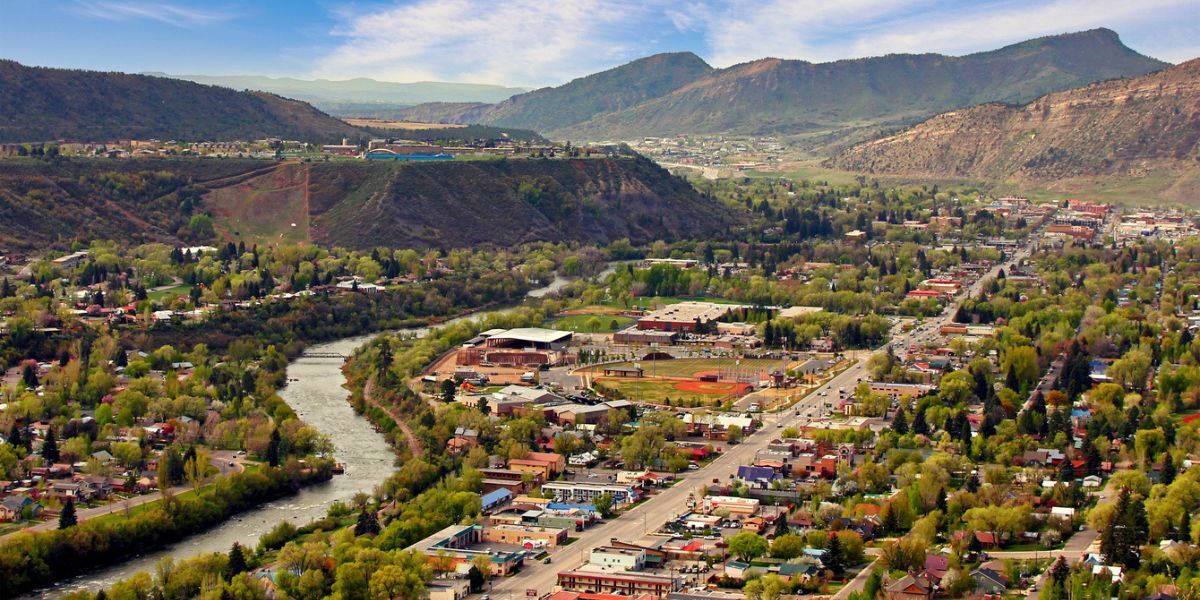
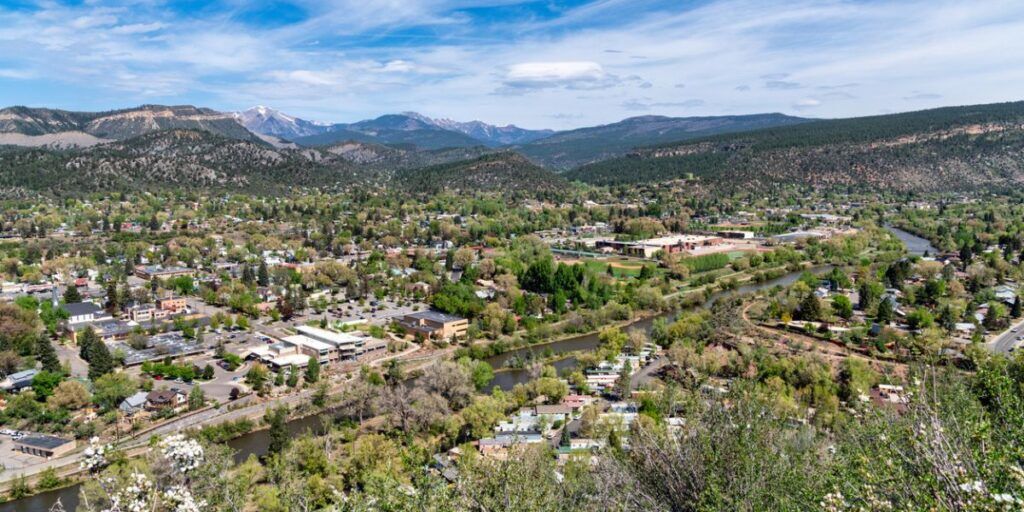
Durango was founded during the development of the San Juan mining district, but has now become a hub for tourism, outdoor recreation and much more.
History:
Durango was formed to serve the San Juan mining district, according to the City of Durango. The Denver and Rio Grande Railroad Company formed the town along the banks of the Animas River in September 1880 for the mining district. Gold fever had struck in 1872, and Durango offered a more tolerable climate and good supply of coal and water for operating smelters.
The railroad company bought the land that is now downtown Durango using various names to hide what it was doing so the land could be purchased for less money.
Although hundreds of gold miners had camped in the area in 1860, Durango’s population really grew after its founding in 1880. And by the turn of the century, the town had become a vacation destination. The creation of the San Juan National Forest in 1905 and Mesa Verde National Park in 1906 drew visitors to the area. Durango’s population reached 4,686 by 1910.
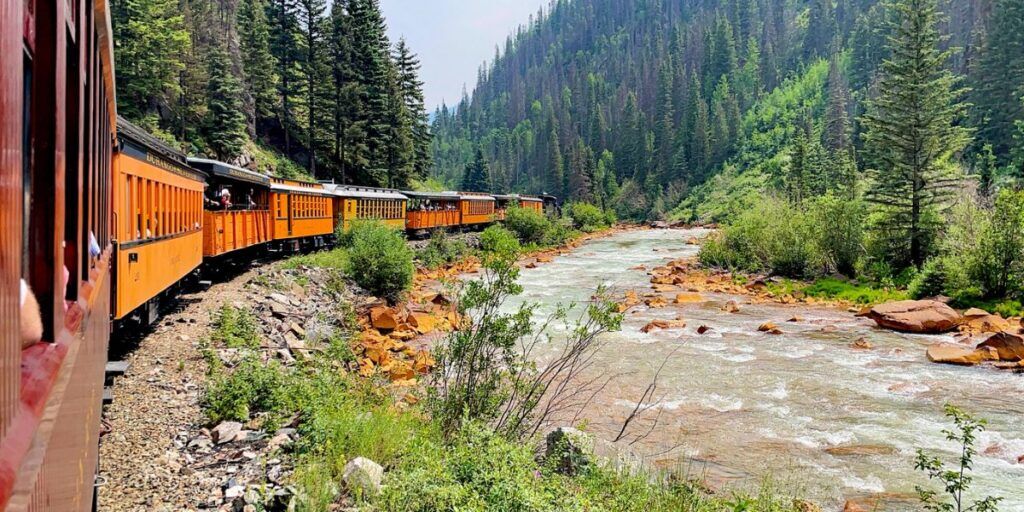
Tourism is a big part of Durango’s economy today, with the Durango & Silverton Narrow Gauge Railroad still running through the mountainsides along the Animas River Valley and the other opportunities to explore the stunning area.

Outdoor recreation:
Mountain biking — Durango is home to miles of great mountain biking trails including the Horse Gulch Trail System and the Overend Mountain Park Trail System.
Whitewater — the Animas River runs through Durango, which offers great whitewater kayaking, stand-up paddleboarding and rafting.
The Colorado Trail — consists of 567 miles of trail between Denver and Durango.
Purgatory Resort — this ski resort in the San Juan Mountains features more than 1,600 skiable acres.
Durango Hot Springs Resort and Spa: Offering more than 30 natural mineral water experiences with varying temperatures, a lot of money has been put into making this one of the best hot spring destinations in the state in recent years. With no shortage of soaking amid good views, you won’t be disappointed.
Durango & Silverton Narrow Gauge Railroad — as a National Historic Landmark, this train is dedicated to preserving authentic history and takes visitors on a journey through the San Juan National Forest.
Culture:
Mesa Verde National Park — this national park features well-preserved Ancestral Puebloan cliff dwellings, including the huge Cliff Palace.
Strater Hotel — this hotel mixes history with modern luxury, with Victorian walnut furnishings and the famous Diamond Belle Saloon.
Horsefly History & Ghost Tours — provides a variety of ghost tours and history walking tours.
Dining:
Steamworks Brewing Company — this warehouselike space serves drinks and bar-style comfort food.
Eolus Bar & Dining — serves New American fare, cocktails, sushi and more.
El Moro Spirits & Tavern — located in a former early 1900s saloon with steampunk décor and serves New American food.
Lodging:
The General Palmer Hotel — this historic hotel is located in the heart of downtown Durango.
DoubleTree by Hilton Durango — located on the Animas River and within walking distance of downtown and the Durango Silverton Narrow Gauge Railroad.
Rochester Hotel — also located in the heart of downtown this historic hotel blends “rich history with contemporary elegance.”
Getting there:
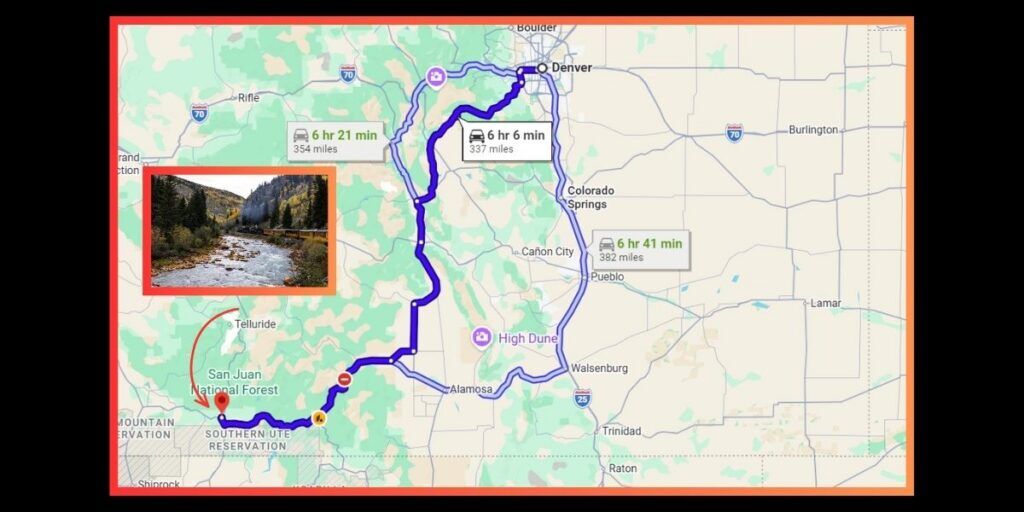
According to Google Maps, it takes between six and six and a half hours to drive from Denver to Durango.
STAY INFORMED: Get free Colorado news with our daily newsletter (Click here)
Get OutThere
Signup today for free and be the first to get notified on new updates.
PREV
PREVIOUS

Sinkhole opens up in Colorado mountain town, closing portion of main street
A sinkhole opened up in downtown Carbondale on the morning of July 21 and it’s likely to impact the mountain town’s main street for a few days. According to the Town of Carbondale, West Main Street has been closed west of Hendrick Drive, with a reopening possible this upcoming Friday. A detour is currently in […]
Presumed human remains found in area of scenic Skyline Drive in Colorado
According to a report from KRDO, Fremont County’s Skyline Drive was temporarily closed on the night of July 19 when hikers discovered what appeared to be human remains in the area. Few details have been released related to the situation. It does appear, however, that the route that’s often driven as a scenic drive has […]