







Colorado justices to hear embryonic donation dispute
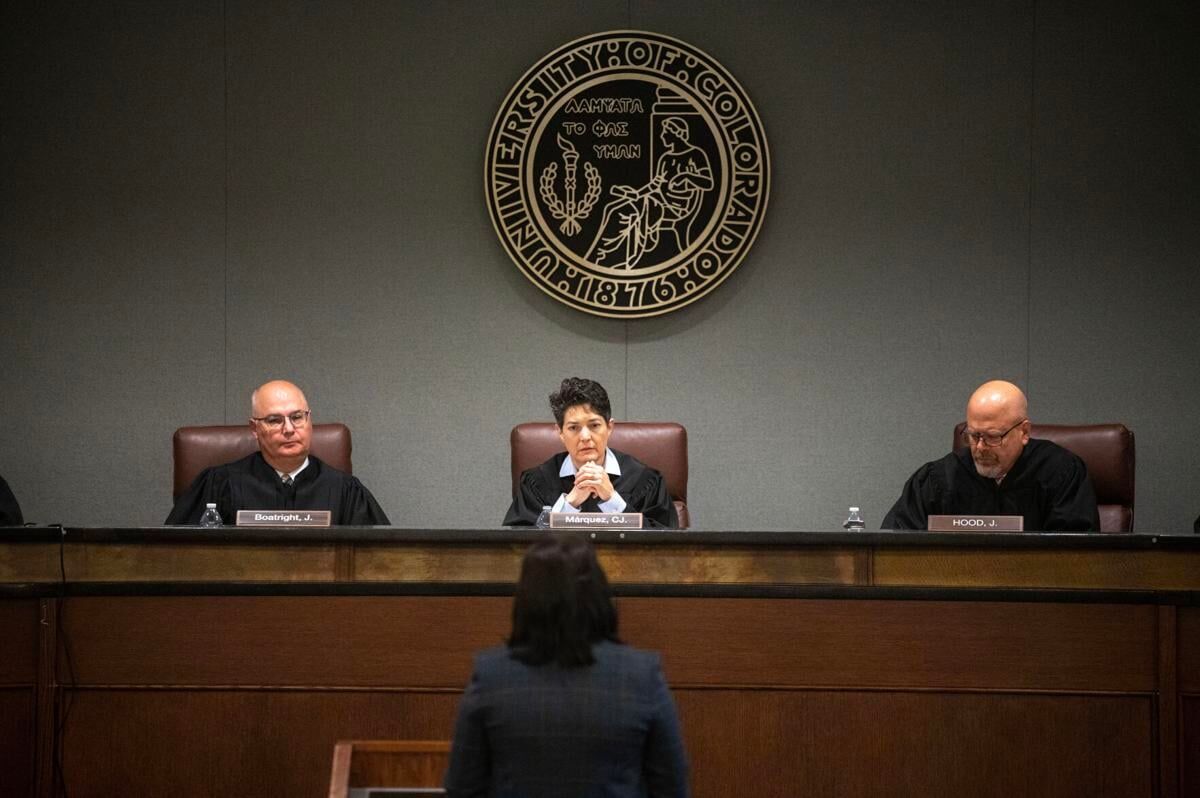
The Colorado Supreme Court announced on Monday that it will decide whether lower court judges properly applied its framework for adjudicating disputes over the fate of pre-embryos, in which one person wants to use them to become a parent and the other wishes to donate them.
At least three of the court’s seven members must agree to hear an appeal.
The justices also intervened in an apparent criminal prosecution out of El Paso County. The court’s clerk told Colorado Politics that the case is “non-public,” and the underlying documentation could not be shared. The Supreme Court’s website described that it would review whether a trial judge correctly denied “the petitioner’s motion to dismiss for lack of jurisdiction on the ground that two years had passed since he was found incompetent but restorable.”
In the appeal out of Denver about the fate of pre-embryos, Rachael Elken and Tyler Bain had decided to use in vitro fertilization to combine their genetic material and have children. However, their relationship ended before Elken could use the pre-embryos to become pregnant.
According to the agreement Elken and Bain had signed, terminating the relationship would result in the embryos being used or donated to another couple. Elken preferred to use them to have children, while Bain wanted a donation.
In 2018, the Supreme Court laid out a framework for resolving disputes over embryos between couples. In the case In the Marriage of Rooks, divided 4-3, with the majority directing judges to balance various considerations, including the original reasons for pursuing IVF, the intended use of the embryos by the person wanting to keep them, and the hardship to the person who wants to avoid being a parent.
After a trial, District Court Judge Mark T. Bailey ruled that Bain could donate the pre-embryos to another couple. He acknowledged Elken’s desire to become a parent was “entitled to significant weight,” but concluded that Bain’s own interest in “procreative autonomy” outweighed Elken’s opposing wishes. Specifically, Bain would “suffer extreme emotional hardship if he were forced to become a parent and then co-parent the child with (Elken),” said Bailey.
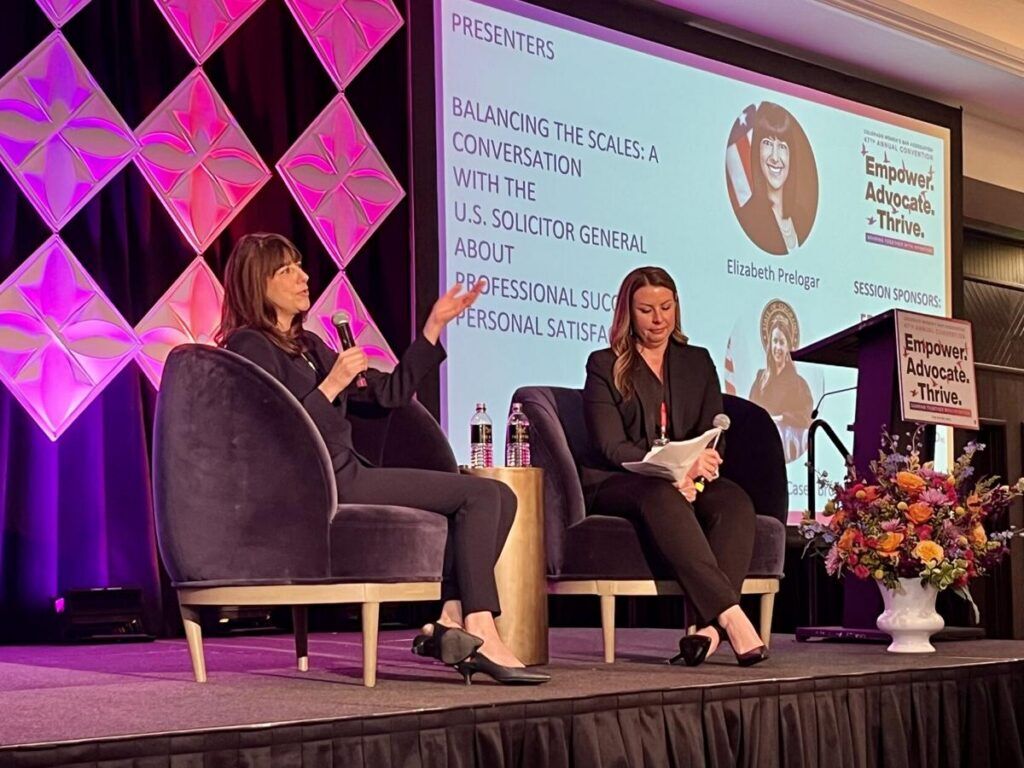
A three-judge Court of Appeals panel agreed that Bailey had appropriately balanced the couple’s competing interests. Judge Jaclyn Casey Brown noted that, under either outcome, Bain would still be providing pre-embryos containing his genetic material for the purpose of creating a child.
But “Bain’s hardship stems not from his inability to avoid genetic parenthood generally but from his inability to avoid genetic parenthood with Elken,” she wrote. “We do not read Rooks as prohibiting a court from considering the extent to which a party may seek to avoid becoming a genetic parent on terms they find objectionable.”
The panel also declined to adopt Elken’s view that a person seeking to use the pre-embryos to become pregnant will “ordinarily” prevail under the Supreme Court’s opinion.
Elken then appealed to the Supreme Court, arguing that her case appeared to be the first in the country in which an appeals court had used a balancing test to uphold embryonic donation over another party’s desire to use the pre-embryos.
“This is wrong. A party’s interest in procreation is fundamental and weightier than an interest in donation,” her lawyers wrote. “Elken wants to become a mother, yet these pre-embryos are being taken from her so that a stranger can use them to have children.”
The Supreme Court will decide whether the Court of Appeals correctly balanced Elken’s and Bain’s interests.
The case is Elken v. Bain.