







Colorado produce not tied to nationwide cyclospora outbreak, agriculture officials say
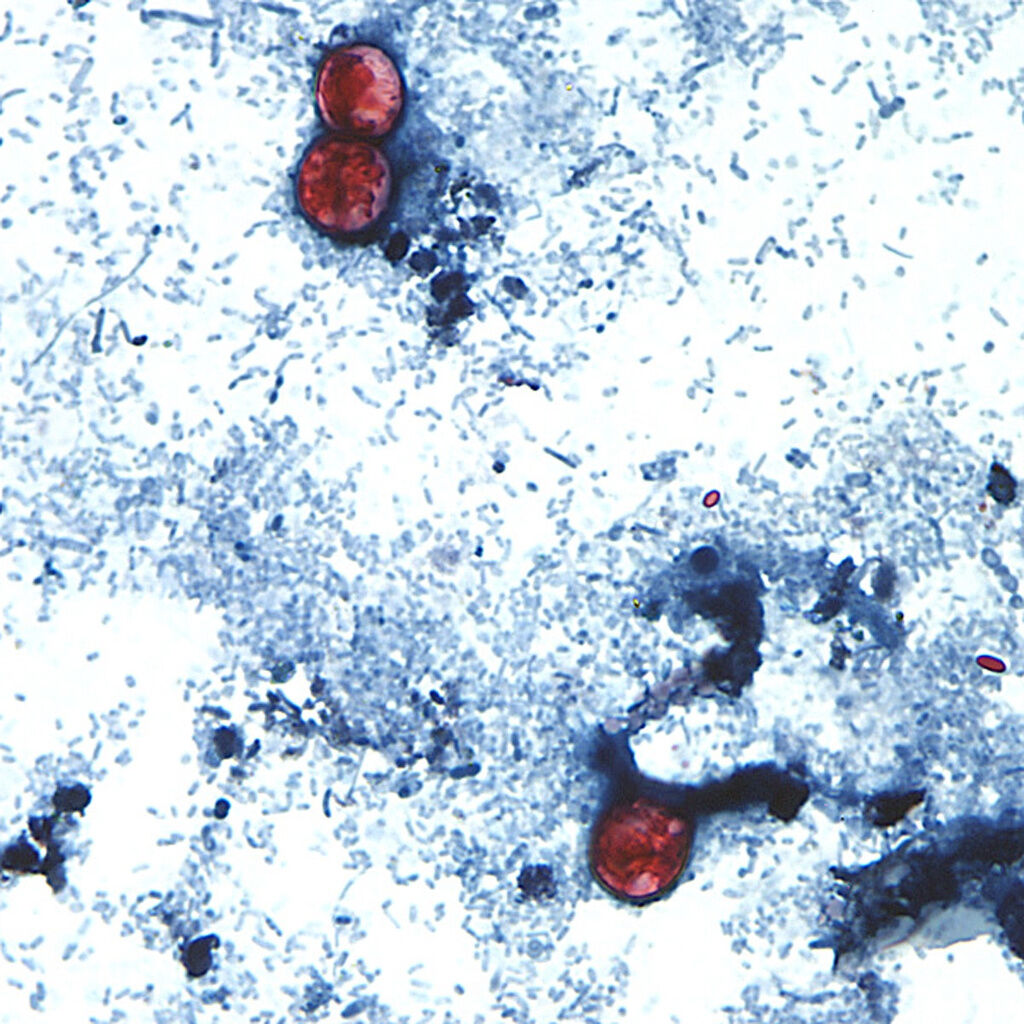
There is no indication that the recent outbreak of cyclospora, a fecal parasite that has contaminated food and water across nearly every state, can be linked to produce grown in Colorado, according to the state’s Department of Agriculture.
“Colorado growers and produce processors should continue normal operations and fresh produce that has not been implicated in the outbreak should continue to be grown, harvested, processed and sold,” said Duane Sinning, the department’s produce safety manager. “Consumers can continue purchasing Colorado-grown fruits and vegetables with confidence, knowing they have not been implicated in the outbreak.”
Just under 200 cases of cyclospora have been documented in Colorado since January, according to the Department of Public Health and Environment. Nationwide, there have been about 11,500 reported cases of the illness, with zero deaths.
The outbreak has been linked to iceberg lettuce supplied to Taco Bell restaurants by Taylor Farms, a California-based produce company whose products are available nationwide.
Taylor Farms has a warehouse in Colorado Springs that is still operating. In 2024, Food and Drug Administration inspectors found dozens of violations at the Taylor Farms facility in Colorado Springs that supplied McDonald’s with slivered onions linked to an E. coli outbreak.
The FDA found the tainted slivered onions from Taylor Farms led to one death and more than 100 infections for people who ate the McDonald’s Quarter Pounder.
A Colorado Springs mother and her 10-year-old child sued McDonald’s and Taylor Farms after each of them ate a Double Quarter Pounder hamburger and were exposed to E. coli.
According to the Centers for Disease Control and Prevention, the best way to prevent cyclospora is to wash your hands with soap and water before handling raw fruits and vegetables. All produce should be thoroughly washed, even if it is labeled as pre-washed, and cut, peeled, or cooked produce should be refrigerated as soon as possible.
Cyclospora causes cyclosporiasis, an intestinal parasite associated with frequent diarrhea, stomach cramps, bloating, and nausea, which can lead to dehydration and fatigue. Symptoms can develop within two to 14 days after consuming affected products. If you have symptoms lasting more than three days, you are advised to contact a health care provider.
Nicole Brambilla contributed to this story.