







Denver residents, others face increase in water bill
Denver water users face a bigger bill in 2023.
An Oct. 12 decision by Denver’s Board of Water Commissioners means the average Denver single-family residential water customer will pay $591 – up $35.51 per year or $2.96 per month.
Suburban customers living outside of the city will see an average increase of $47.26 annually, or $3.94 per month, and will pay an estimated $788 per year. Those customers are served by 29 different water districts that buy water from Denver and use Denver-maintained infrastructure.


Denver Water Garden in a Box landscape transformation project. Denver Water users’ rates are going up in 2023.
The third category of customers served by Denver Water includes suburban water districts that build and maintain their own water system infrastructure, but which also buy water from Denver. They will see the portion of their bill go up $13.01 for an average annual bill of $608 – an increase of $1.08 per month. These “read and bill” customers will also see charges for system maintenance and expansion added by their individual water districts.
Denver Water’s fixed monthly charges will go up $0.70 per month for a total of $17.90 for the 95% of city and suburban residents with a ¾ inch water meter. Users with larger meters and commercial accounts will also pay more. This fixed rate charge provides about 20% of Denver Water’s revenues.
Tiered rates for residential customers means they pay the lowest rates for essential indoor household use, such as cooking and cleaning. The rate for each customer is determined by the average winter monthly water use as listed on bills dated January through March each year. This can range from 0 to 5,000 gallons.
Water use during the growing season typically goes up with outdoor water use, which is charged a higher price on a per-1,000-gallon basis for “efficient water use outside for an average-sized yard, garden,” according to a news release.


Denver Water CSU Spur Campus Hydro Building at the National Western Center grounds in Denver.
The second tier range is 5,000 to 15,000 gallons.
More is charged in a third-tier rate.
“The third tier is water usage above the customer’s second tier, and it’s priced at the highest level to send a price signal that the usage may be excessive and to encourage conservation efforts,” Cathy Proctor, a spokesperson for Denver Water, said in a statement. “Customers can control their usage, and their bill, through the type of landscape they maintain and efficient watering practices. We have lots of information on using water efficiently indoors and outside at denverwater.org/BestPractices.”
Denver Water is investing $2.3 billion over the next 10 years to maintain, repair and upgrade its system to “make it more resilient and flexible in the future,” according to Denver Water.


Denver Water Gross Reservoir expansion project. Users’ bills are going up in 2023 to help pay for it.
Projects underway include a $531-million project to increase the capacity of Gross Reservoir above Boulder. Plans include raising the height of the dam 131 feet from its current 340 feet above the stream bed. This will increase its capacity from 42,000 acre-feet to 119,000 acre-feet. When completed, the dam will be 471 feet above the stream bed and contain about 1.5 million cubic yards of concrete, officials said.
This will make the reservoir Denver Water’s second largest, just behind Dillon Reservoir.
Denver’s water system gathers runoff from more than 4,000 square miles of land, much of it on the Western Slope. The average of 285,000 acre-feet, or more than 94 billion gallons of water collected each year, is stored in 12 major reservoirs and is transported under the Continental Divide through a network of tunnels. Denver began building its system in the early 1900s, starting with Cheesman Reservoir on the South Platte River near Deckers.
When it was completed in 1905, Cheesman Dam was the world’s tallest at 221 feet above the stream bed.

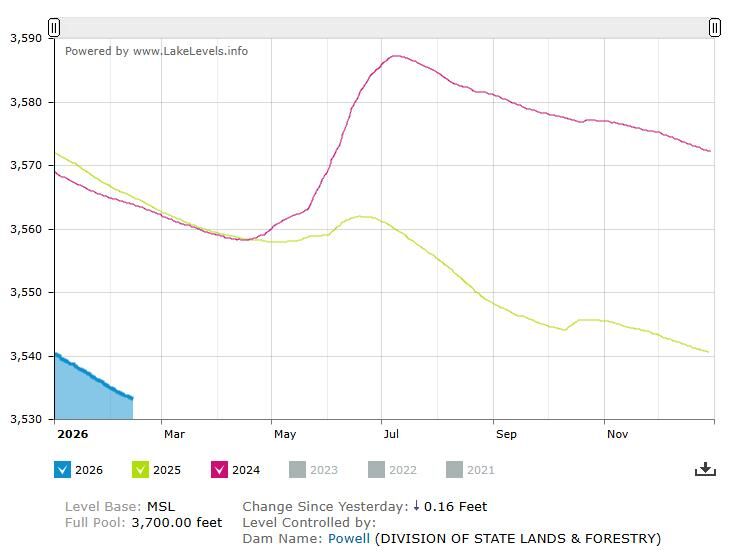
With the deadline missed, Bureau of Reclamation plans to move forward on Colorado River operations
Marianne Goodland
marianne-goodland@denvergazette.com
Updated 14 hours ago
Feb. 14 was no Valentine for the seven states of the Colorado River, which failed to come up with an agreement by that deadline on how to manage the river beginning Oct. 1. The Department of the Interior and the...

Marianne Goodland
Reporter
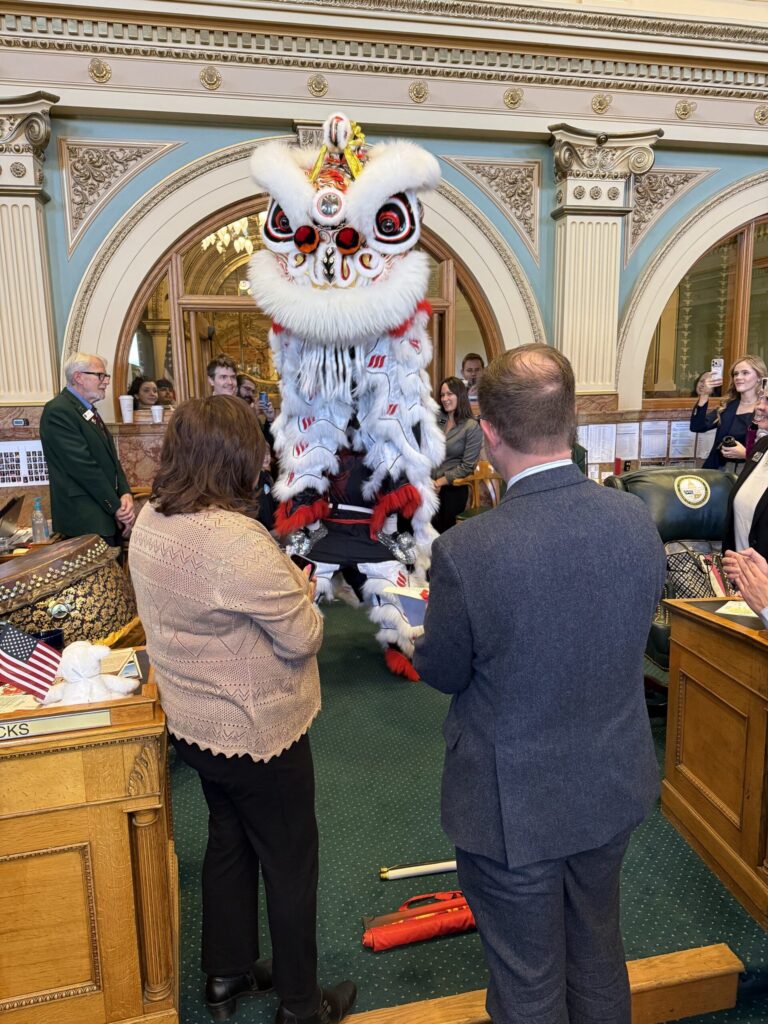
A day in the life of the Capitol: Capitol M | Week of Feb. 14, 2026
Marianne Goodland
marianne-goodland@denvergazette.com
Updated 2 days ago
The lighter side of the Capitol, usually. If you were walking around the Capitol on Feb. 12, there was plenty to see and to be amused (or delighted) by. Let’s start with the high school kids from Greeley’s District 6....
Marianne Goodland
Reporter
Denver City Council to consider $24M Motorola contract for emergency services
Deborah Grigsby
deborah.smith@denvergazette.com
Updated 1 day ago
It may be a short work week, but the Denver City Council will still have a robust agenda on Tuesday after Presidents’ Day. For those following Council Bill 26-0125, the Safety and Transparency in Public Authority Act, which proposes to...

Deborah Grigsby
Reporter

Here’s what to know about the Homeland Security shutdown starting this weekend
Deborah Grigsby
deborah.smith@denvergazette.com
Updated 1 day ago
Another shutdown for parts of the federal government is expected this weekend, following an impasse over funding for the U.S. Department of Homeland Security amid a push by Democrats for changes in immigration enforcement. Funding for the federal agency is set to...
Deborah Grigsby
Reporter

Colorado legislators, friends and family pay tribute to late Sen. Faith Winter
Marianne Goodland
marianne-goodland@denvergazette.com
Updated 1 day ago
Colorado legislators on Friday, joined by current and former lawmakers, memorialized the late Sen. Faith Winter, noting her contributions to public policy in transportation, family and medical leave, and climate legislation. Winter died in an auto accident on Nov. 26...
Marianne Goodland
Reporter

No deal: Basin states remain deadlocked as Colorado River negotiations collapse again
Marianne Goodland
marianne-goodland@denvergazette.com
Updated 1 day ago
With a Feb. 14 deadline looming, the seven states in the Colorado River Basin have not reached an agreement on how to manage the river after the 2026 operating guidelines expire later this year, and John Entsminger, Nevada’s chief negotiator,...
Marianne Goodland
Reporter

Denver taps Jonathan Norloff as new county assessor
Deborah Grigsby
deborah.smith@denvergazette.com
Updated 1 day ago
Denver named Jonathan Norloff as its new county assessor, according to a statement Thursday by the Department of Finance. Norloff, who has been with the Assessor’s Office since 2012, has served as deputy county assessor since 2024. He replaces former...
Deborah Grigsby
Reporter

Colorado policymakers scramble with prisons on track to exceed capacity
Marianne Goodland
marianne-goodland@denvergazette.com
Updated 1 day ago
Colorado’s prison system is on track to exceed capacity within the next year, driven by a sharp slowdown in parole releases, staffing shortages and an aging inmate population — all as lawmakers grapple with an $800 million general fund shortfall...
Marianne Goodland
Reporter

Arvada City Council delays vote on public comment changes
Sage Kelley
sage.kelley@denvergazette.com
Updated 2 days ago
For those looking to share public comments with the Arvada City Council, time may be running out. On Feb. 3, the council unanimously voted to postpone a vote on the timing of public comments during regular meetings until April 21...

Sage Kelley
Reporter

Paul Pazen, a former police chief, launches bid for Denver City Council
Deborah Grigsby
deborah.smith@denvergazette.com
Updated 3 days ago
Former Denver Police Chief Paul Pazen announced his bid for the District 2 City Council seat to be vacated by Kevin Flynn in 2027. Flynn is term-limited. Pazen, who began his law enforcement career in 1995 with the Denver Police...
Deborah Grigsby
Reporter
PREV
PREVIOUS

Denver City Council honors Indigenous People's Day with proclamation
At every meeting since October 2020, the City Council has acknowledged the original owners of the land Denver now occupies. The Ute, Cheyenne, and Arapaho Peoples lived and died here long before there was a Mile High City and on Monday, Denver City Council President Jamie Torres emphasized that fact by reading a proclamation marking the city’s […]

Thousands of Coloradans didn’t get $750 refund checks. Here’s what to do if you’re one of them.
Gov. Jared Polis signed legislation in May to send $750 refund checks to Colorado taxpayers by September — but for thousands of people, those checks never came. Around 3.1 million Colorado residents who filed 2021 state taxes by June 30 were eligible to get $750 for individual tax filers and $1,500 for joint filers from the […]