








In major step, Space Force takes over all military satellite communications

PONS ABASCAL, CHARLES W GS-11 USSF AFSPC SMC
The Space Force has taken over all of the Department of Defense’s military satellite communication functions, a major step in building the new service.
The Navy and the Army have transferred major satellite communication operations to the Space Force in an effort to consolidate training, operations, acquisition and other activities, according to a news release. The transfer marks the first time all military satellite communication functions have been consolidated under a single military service.
The Army’s transfers were expected to include $78 million in operations, maintenance and 500 positions, the release said. As part of the consolidation, the Army transferred the Wideband Global SATCOM and Defense Satellite Communications System to the Space Force in August. The Wideband Global SATCOM system is considered the “backbone of the U.S. military’s global satellite communications,” according to the Space Force.
The Colorado Springs area did not see a net gain in jobs although some people did transfer from Fort Carson to Schriever Space Force Base, said Col. David Pheasant, commander of Delta 8. His delta focuses on satellite communications as well as position, navigation and timing, and represents about 10% of the Space Force.
As part of the overall consolidation, Pheasant said he expects those trained in space operations will be able to spend their entire career working on space missions.
“They can build on that knowledge and be able to share it with others,” he said.
Previously, a soldier in the Army might spend just a few years working as a satellite operator before moving on to a new job, he said.
The transfer of all new Space Force members as part of the consolidation is still underway and is expected to last through December, he said. However, those people are already working for the Space Force, even though they may still officially be members of other military branches.
As part of growing Space Force capabilities, Pheasant said he expects the service to grow its partnerships with other countries.
For example, the service could put payloads on some of Denmark’s satellites, he said.
Expanding capability in space is important because the military is seeing demand for satellite connectivity in the field proliferate, just as demand for data connections has risen in homes. Any resident likely has five devices or more in their home requiring a connection. Similarly one military vehicle in the field likely has five different pieces of equipment that need satellite connectivity.


Army combat veteran on theater as therapy for trauma
John Moore
john.moore@denvergazette.com
Updated 2 weeks ago
2025 DENVER GAZETTE TRUE WEST AWARDS: DAY 21 Retired Staff Sergeant, actor and Springs Ensemble Theatre president found out the long way that his father had his back all along As an actor, director and president of Springs Ensemble Theatre,...

John Moore
Reporter

Army pitches plan to use big guns on Piñon Canyon
Mary Shinn
mary-shinn@denvergazette.com
Updated 2 weeks ago
Artillery and rockets could start booming across the prairie in southeast Colorado if the Army is allowed to move forward with plans to start training with larger munitions at the Piñon Canyon Maneuver Site northeast of Trinidad. Soldiers, Air Force...
Mary Shinn
Reporter

Space Force sees budget, manpower boost as it marks year six
Mary Shinn
mary-shinn@denvergazette.com
Updated 5 days ago
Congress set aside some gifts for the Space Force in a recently passed defense bill as the military branch marks its sixth birthday. With more than 50% of the Space Force’s guardians working in Colorado, it is an economic driver...
Mary Shinn
Reporter

Senate passes sweeping defense bill, pushes for boat strike video
The Associated Press
the-associated-press@denvergazette.com
Updated 2 weeks ago
The Senate gave final passage to an annual military policy bill Wednesday that will authorize $901 billion in defense programs while pressuring Defense Secretary Pete Hegseth to provide lawmakers with video of strikes on alleged drug boats in international water near Venezuela. The...

The Associated Press
Reporter
Trump says the US has seized an oil tanker off the coast of Venezuela
Aamer Madhani
aamer.madhani@associatedpress.com
Updated 3 weeks ago
WASHINGTON (AP) — President Donald Trump said Wednesday that the United States has seized an oil tanker off the coast of Venezuela amid mounting tensions with the government of Venezuelan President Nicolás Maduro. It’s the Trump administration’s latest push to...

Aamer Madhani
Reporter

Nonprofit ActivateWork focused on free tech training looks to serve military community
Mary Shinn
mary-shinn@denvergazette.com
Updated 4 weeks ago
Amid a changing tech industry, ActivateWork, a Denver-based nonprofit, wants to help more members of the military community find jobs through free training. The nonprofit was founded about 10 years ago and works to prepare members of underserved communities for...
Mary Shinn
Reporter
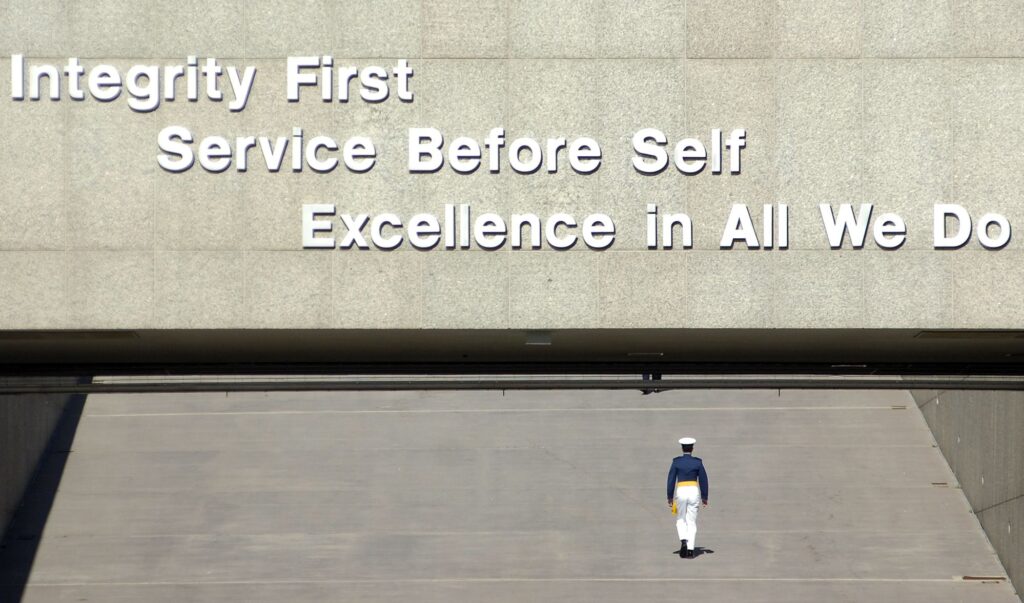
Air Force Academy tightens rules on conferences, public appearances for faculty
Mary Shinn
mary-shinn@denvergazette.com
Updated 1 month ago
After the Department of Defense rolled out rules for employees to engage with the public in September, the Air Force Academy adopted a new layer of review for faculty and others who wish to attend conferences. The Air Force Academy...
Mary Shinn
Reporter
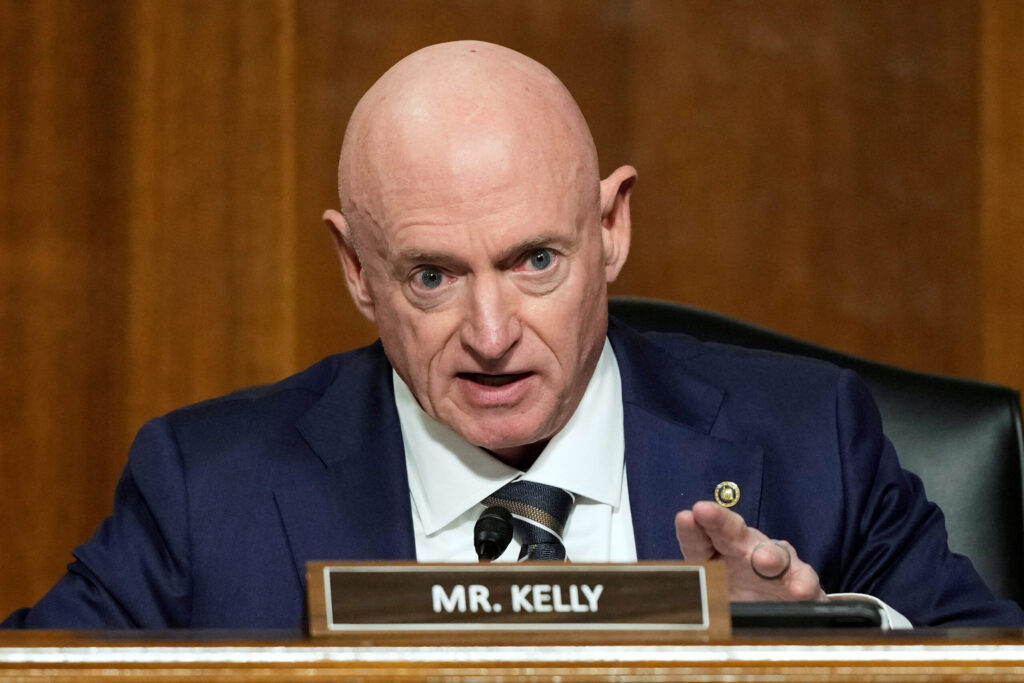
Pentagon says it’s investigating Sen. Mark Kelly over video urging troops to defy ‘illegal orders’
Konstantin Toropin
konstantin.toropin@associatedpress.com
Updated 1 month ago
WASHINGTON (AP) — The Pentagon announced Monday it is investigating Democratic Sen. Mark Kelly of Arizona over possible breaches of military law after the former Navy pilot joined a handful of other lawmakers in a video that called for troops...

Konstantin Toropin
Reporter

9 things you probably didn’t know about the American Revolution | Vince Bzdek
Vince Bzdek
vince-bzdek@denvergazette.com
Updated 1 month ago
By Vince Bzdek What is most striking about Ken Burns’ extraordinary new PBS documentary on the American Revolution is how alike we are right now to those folks in 1776. Take away the tricorn hats and ruffled shirts and they...

Vince Bzdek
Reporter
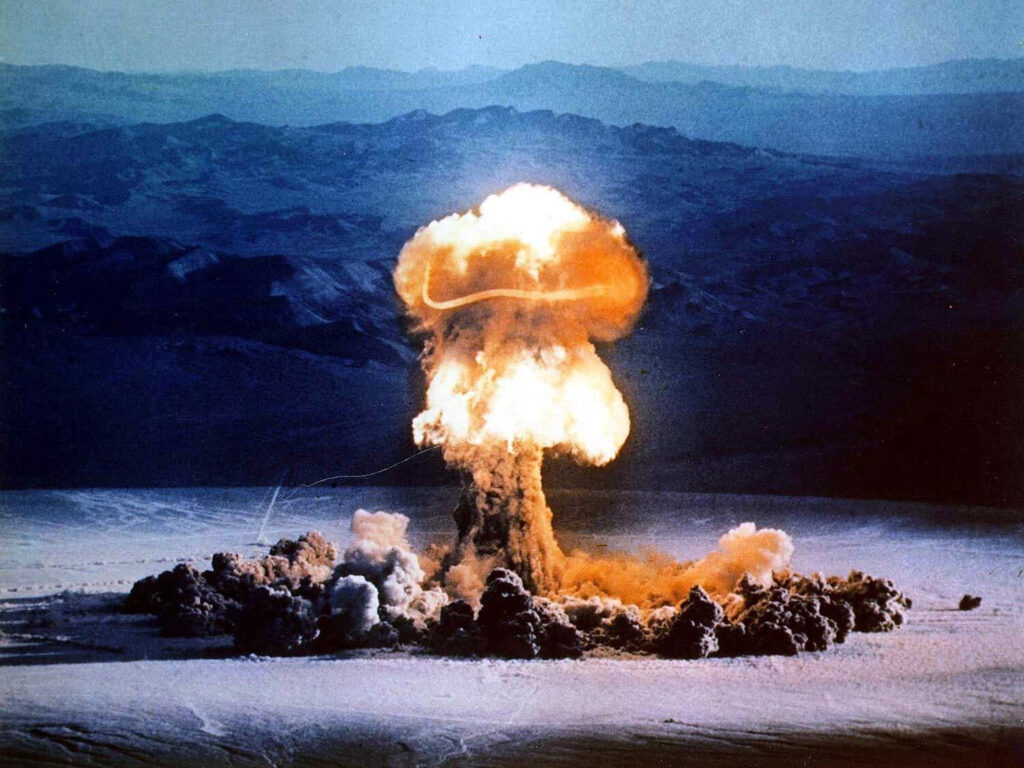
Should America resume nuclear tests?
Jim Carrier
jim-carrier@gazette.com
Updated 1 month ago
America’s last nuclear detonation was nothing special. Smaller than the bomb that killed 73,000 people in Nagasaki, it exploded 1,397 feet below the Nevada desert. It shook the ground, created a shallow concavity in the sand, and killed no one...

Jim Carrier
Reporter
PREV
PREVIOUS
Pikes Peak Regional Airshow: 'It’s a lot of fun flying,' says Lightning II Demo team commander
Slicing through the sky in a fighter jet designed to establish air superiority and wipe out enemy threats requires a level of training and commitment impossible to fathom for those who’ve never done it. The pilots who go on to fly such planes beyond sonic-boom beelines, through air arabesques and gut-flipping feats that push the […]
The nuclear nightmare rears its head again | Vince Bzdek
What happens if Vladimir Putin, feeling more and more like a cornered rat in Ukraine, actually uses a tactical nuclear weapon against Ukrainian troops? Is this a “red line” crossed that would demand a direct American response? Vince Bzdek What if the radiation from such a weapon drifts over into a NATO country that the […]