







Aurora stands up to Polis’ power grab | Michael A. Hancock

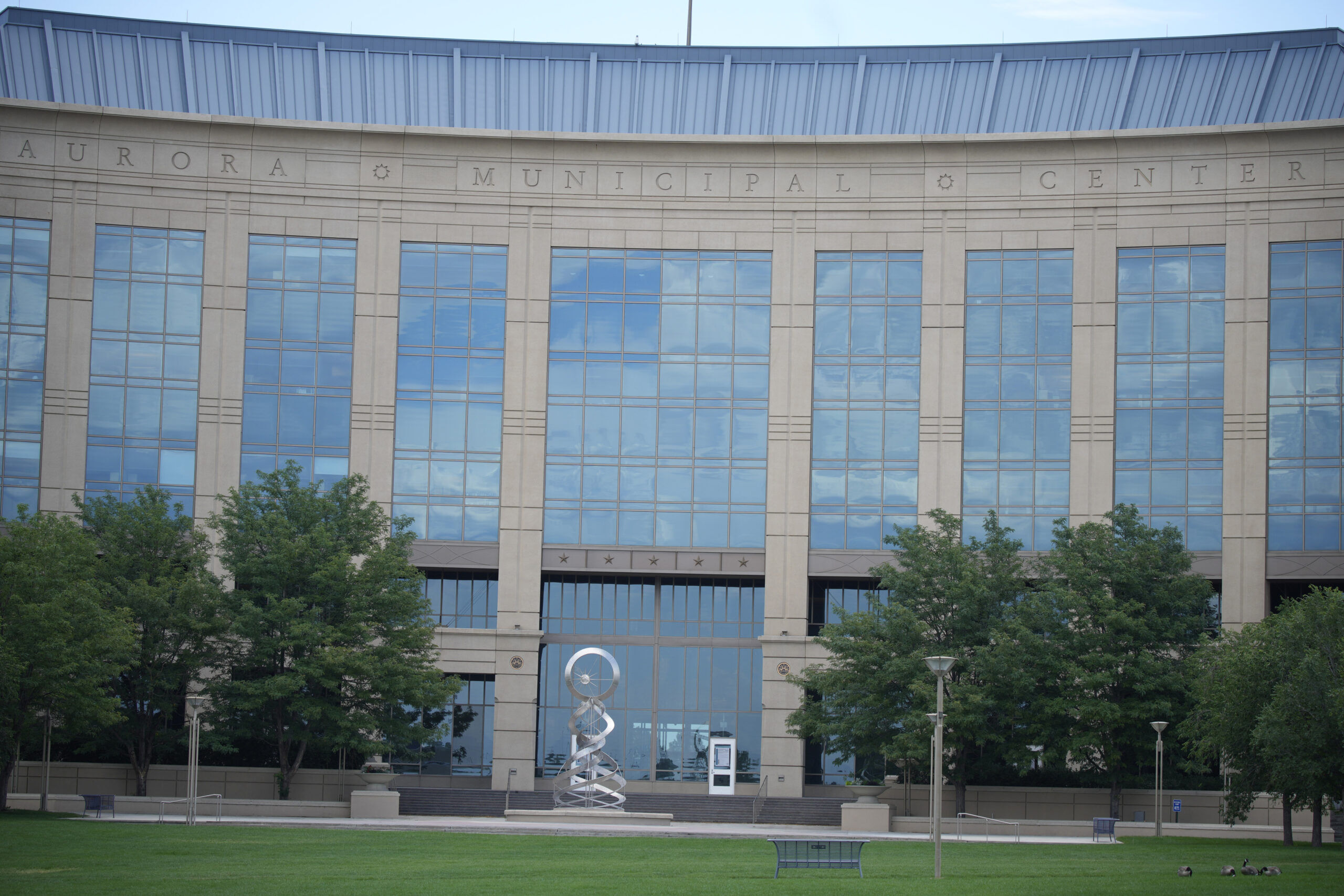
Aurora has experienced rapid growth in recent decades. With new neighborhoods, transit corridors and shifting demographics come tough land-use choices: where to build housing, protect open space, manage traffic, and preserve neighborhood character. We understand our communities better than distant state bureaucrats ever could. That’s what home rule is meant to guarantee. But today, Gov. Jared Polis and the Colorado legislature are challenging that guarantee – not with persuasion, but with edicts and threats of financial punishment.
Aurora can’t stand silent.
Colorado’s Constitution enshrines home rule in Article XX, Section 6, which grants municipalities the right to govern “matters of local concern,” including planning, zoning, and land use. That means Aurora’s City Council, staff experts, and residents – not the State Capitol – should decide how our city grows. Local decision-making isn’t just symbolic; it’s practical. Aurora’s land, infrastructure, transit access, utilities, and neighborhoods all interlock uniquely. One-size mandates from the Capitol can’t account for those nuances.
In 2024, the state passed sweeping land-use laws – HB 24-1304, eliminating parking minimums in many zones, and HB 24-1313, mandating higher densities near transit corridors. These laws rewire local zoning authority, enshrining uniform rules that undercut Aurora’s ability to tailor decisions for its neighborhoods.
Then, on Aug. 13, Polis signed an executive order threatening to withhold $280 million in grant funding from municipalities that don’t comply with these new mandates. By forcing local governments to choose between their constitutional challenge and vital state grants, the state is using financial leverage as a means of coercion.
If Aurora loses this fight, several dangerous precedents are set:
o Democracy is diminished. Residents lose meaningful input if state mandates hijack land-use rules. Neighborhood voices, local planning committees, and city council deliberations are replaced by bureaucratic directives.
o Policy mistakes become inevitable. Aurora’s growth patterns, infrastructure constraints, and transit nodes differ from Denver’s or those in Colorado Springs. A uniform mandate ignores all of that.
o Fiscal harm follows. These grant programs often support affordable housing, parks, infrastructure, and transportation. If Aurora is deemed “non-compliant,” we lose that funding – and residents bear the burden.
o A slippery slope looms. If the state can coerce local governments over land use, why not over policing, public health, or schools? Local authority becomes nominal.
Aurora, along with Greenwood Village, Arvada, Glendale, Lafayette and Westminster, has already filed suit in Denver District Court. The complaint for declaratory and injunctive relief contends these laws and the governor’s executive order violate Colorado’s Constitution and improperly preempt home-rule control.
Importantly, the complaint already seeks injunctive relief. Should the state attempt to deny any of the six plaintiffs their grant funding under the EO, the cities will immediately file for a preliminary injunction to halt enforcement until the constitutional issues are resolved. It’s not aggressive – it’s essential. You shouldn’t lose your grants simply for defending your rights.
Supporters of these mandates argue that home rule stands in the way of a timely, consistent response to Colorado’s housing crisis – that the state needs uniform rules to solve it. But that “consistency” is precisely what helped create the crisis. When one-size-fits-all regulations and state-imposed standards replace local flexibility, communities lose the ability to innovate, adjust and respond to their own market realities.
The housing challenges in Aurora differ from those in Boulder, Durango, and Aspen. By standardizing every city’s zoning map, the state makes it harder – not easier – to build housing that fits infrastructure, transit access, and local demand. Rigid consistency stifles the competition of ideas that drives affordability.
Uniformity may look efficient on paper, but in practice it produces paralysis, higher costs, and unintended consequences. What the housing market needs is diversity of approach – not bureaucratic conformity. True consistency should come from respecting the Constitution: consistent protection of local authority, not consistent overreach.
o Speak up. Write your state senator or representative, submit letters to editors, testify in hearings, and demand transparency about compliance status.
o Support municipal coalitions. When other home-rule cities join voices, the line against overreach strengthens.
o Watch for the injunction. If state funds are withheld, demand swift judicial action.
o Press the narrative. This isn’t about “housing rules” – it’s about constitutional self-governance.
In Aurora, we don’t just inherit neighborhoods – we envision their future. That vision should rest with our neighbors, our planners, and our city council – not distant lawmakers who can’t feel our traffic, know our soils, or foresee the impact of their edicts on local lives.
Gov. Polis and the legislature may believe they can override home rule through new laws and threats, but they underestimate one thing: the Constitution still stands. Aurora won’t accept stripped authority. We will defend it – legally, publicly, and relentlessly – because this is more than zoning. This is democracy.
Michael A. Hancock is a retired high-tech business executive and a Coloradan since 1973. Originally from Texas, he is a musician, composer, software engineer and U.S. Air Force veteran whose wide-ranging interests – from science and religion to politics, the arts and philosophy – shape his perspective on culture, innovation and what it means to be a Coloradan.

Victims of the drug trade
David Olesky
dolesky@gmail.com
Updated 4 days ago
Two months ago, I crossed two milestones. It was 25 years since graduating the Drug Enforcement Administration (DEA) Academy. It was also the same day I turned 50. When I applied to DEA, I was still living in my New...

David Olesky
Reporter

The First Amendment protects the Second | Jon Caldara
Jon Caldara
jon-caldara@denvergazette.com
Updated 3 days ago
It’s not an attack on the Second Amendment, but the First Amendment. I know this is going to sound crazy but, there was a time when liberals, not conservatives, were the champions of free speech. Today? Now in Colorado it...

Jon Caldara
Reporter

Shedding tears over NREL’s demise | Pius Kamau
Pius Kamau
pius-kamau@denvergazette.com
Updated 3 days ago
Donald Trump’s attempts to unwind progress in environmental matters hasn’t met much resistance from scientific-minded Republicans. The former National Renewable Energy Laboratory, NREL, is now NLR – National Laboratory of the Rockies. Trump excised the RE bit claiming that climate change...

Pius Kamau
Reporter

The freest man in Colorado history | Vince Bzdek
Vince Bzdek
vince-bzdek@denvergazette.com
Updated 20 hours ago
Every Coloradan should know the story of Buffalo Soldier John Taylor, who fought harder and longer than perhaps any man in our history to be truly free. Taylor’s story stands out above all others in a thought-provoking exhibit about Buffalo...

Vince Bzdek
Reporter
What Gallup polls teach us about presidents | Cronin and Loevy
Tom Cronin Bob Loevy
tom-cronin-bob-loevy@gazette.com
Updated 1 day ago
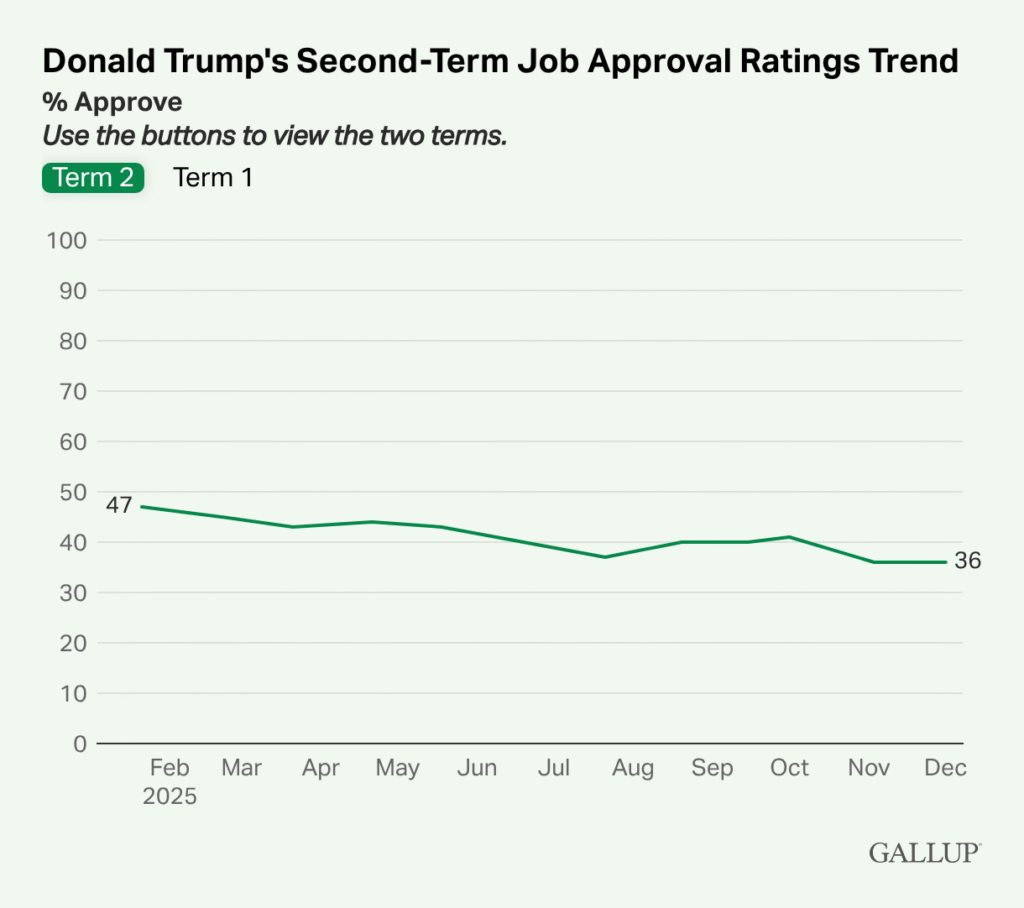
The Gallup organization, founded by George Gallup, announced on Feb. 11 they will no longer conduct their well-known polls that rate whether Americans approve or disapprove of the way presidents are handling their job. Gallup began these polls in the...

Tom Cronin Bob Loevy
Reporter

Keep Colorado out of national partisan power grab | Jimmy Sengenberger
Jimmy Sengenberger
jimmy-sengenberger@denvergazette.com
Updated 3 days ago
It’s billed as establishing “a level playing field” by “fighting back against Trump’s election-rigging.” But a campaign to get voters to throw out Colorado’s independent redistricting system would do exactly the opposite. The new political committee, Coloradans for a Level...

Jimmy Sengenberger
Reporter

GUEST COLUMN: Aurora City Council should stand with city’s youth
Alison Reidmohr
aReidmohr@gmail.com
Updated 2 days ago
I had just bought a home in Aurora three years ago when I found out I was going to become a mom. I quickly found out that the public perception of Aurora was that it was an unsuitable place to...

Alison Reidmohr
Reporter

GUEST COLUMN: Colorado’s once-in-a-generation opportunity — if we don’t regulate it away
Mark Witkiewicz
markwit@gmail.com
Updated 3 days ago
Colorado is at an inflection point. As lawmakers debate how to regulate data centers, which are the backbone infrastructure powering everything from cloud computing to artificial intelligence, we face a simple but consequential question: will Colorado help shape the next...

Mark Witkiewicz
Reporter
When improvement isn’t enough | Michael A. Hancock
Michael Hancock
michael-hancock@gazette.com
Updated 5 days ago
At a recent Aurora Public Safety Committee meeting, Police Chief Todd Chamberlain did something that has become surprisingly rare in civic life: he presented operational reform backed by measurable results. For the past 18 months, the Aurora Police Department has...
Michael Hancock
Reporter
Protecting Colorado’s kids — when lawmakers won’t | Jimmy Sengenberger
Jimmy Sengenberger
jimmy-sengenberger@denvergazette.com
Updated 5 days ago
At a time when state lawmakers are pushing a radical bill to decriminalize prostitution with no regulation or restrictions, concerned Colorado parents are stepping in where our legislators fear to tread: protecting Colorado’s kids. A grassroots coalition led by the...
Jimmy Sengenberger
Reporter
PREV
PREVIOUS
Jeffco teachers' union failed to vet its 'Cleanup Crew' | Jimmy Sengenberger
In August, the Jefferson County Education Association endorsed Peter Gibbins, Tina Moeinian and Michael Yocum for Jeffco’s school board in this fall’s election, proudly branding them the “Cleanup Crew.” It was a curious label. All but one member of the current board are already union-backed. Cleaning up whose mess, exactly? It turns out they have […]

EDITORIAL: Swift justice displeases a Colorado federal judge
The Trump administration ordered payroll cuts to the bloated federal bureaucracy, and Colorado sued. The administration tried to rein in a runaway budget by paring funding for public broadcasters — which Congress ultimately carried out — and Colorado sued again. And just this week, a prominent, left-leaning Colorado federal judge lashed out at President Trump’s […]