








Cameroon to Colorado: Denver chocolatiers deliver ethical, farm-to-table chocolate
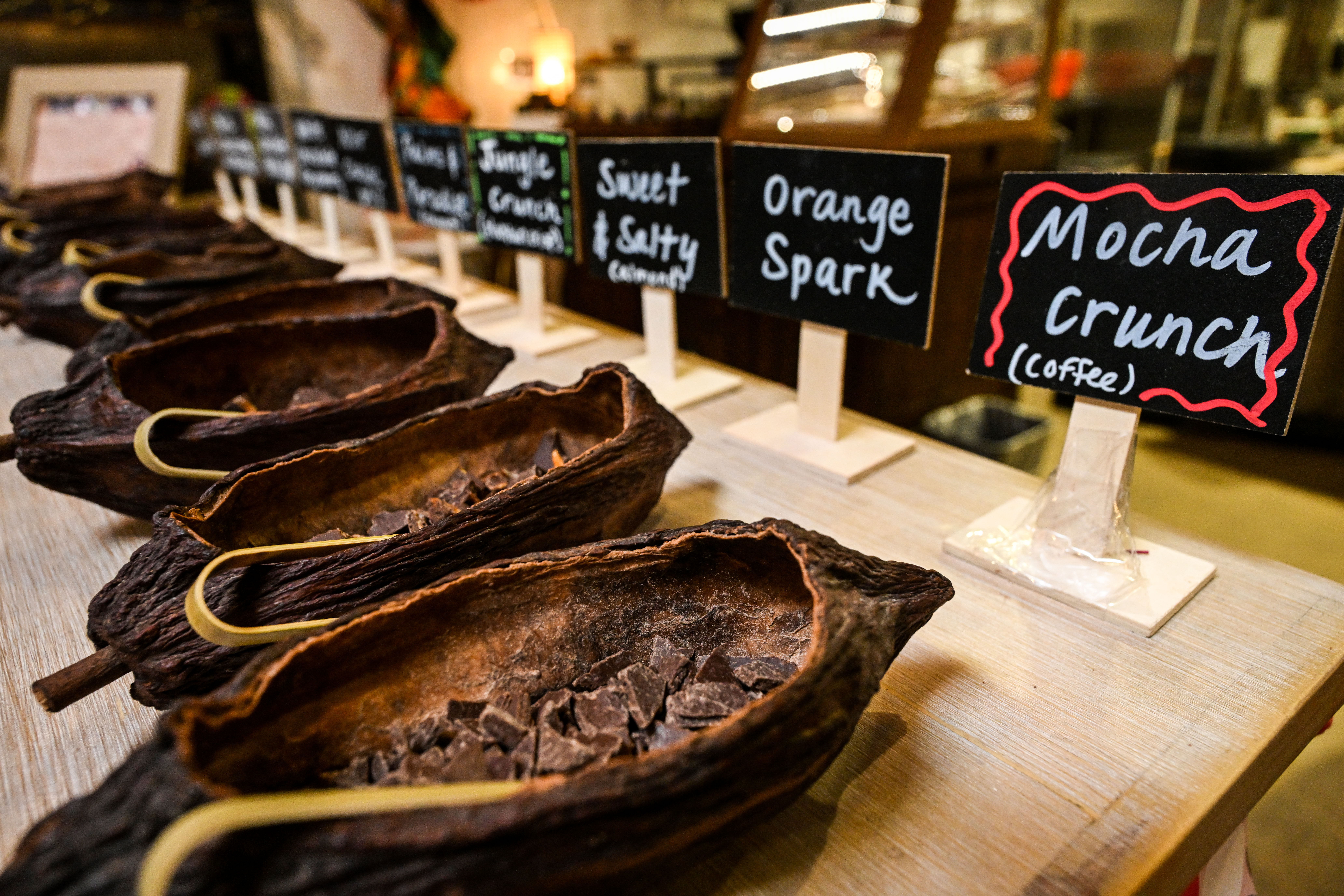
DENVER • The sweet fragrance of chocolate lingers within the walls of a small shop in Edgewater Public Market. Burlap sacks of cacao nibs rest under mixing machines, which hum low as they stir rich cocoa.
Bibamba Chocolate is the byproduct of one couple’s bold mission.
A decade ago, Patrick and Mara Tcheunou founded the farm-to-table operation, and the husband and wife oversee every detail, from harvesting the cacao to crafting the treats.
It began in 2014 when the couple bought a 56-acre farm in Cameroon, where Patrick grew up. The impetus for the move was an NPR story on the industry’s unethical labor practices and unsustainable farming standards — major issues that ultimately could lead to a chocolate shortage.

“Being one of my favorite foods, we were shocked by it,” Patrick said. “And we started talking about it and doing a little bit more research. We realized there was a good correlation between the process, the practice and the quality of the chocolate.
“So we felt like we could actually showcase that by doing the right thing from the beginning to the end.”
A year after buying the farm, they planted cacao and plantain — the foundation of Bibamba Chocolate. The first harvest from the trees would not appear for another five years. So the couple waited.
Patrick, a chemical engineer, and Mara, a psychotherapist, never imagined they would become chocolatiers. They had originally planned to be an ethical supplier of cacao to other chocolate-making companies. But in March 2020, when the first harvest arrived — and a global pandemic with it — that plan changed.
“Everything was shutting down, all the businesses; everyone we made contact with was done,” Mara said.
So the couple decided to take a leap. They’d come too far not to.
“We figured, ‘We can’t just sit on this. We’ve invested over five years of time and money. Let’s make our own and get it going,'” Mara said.

The process of making chocolate is complex. When cacao is ready to be harvested, employees on the farm pick pods from the trees and set them aside to ferment for a week. After that, the beans are dried in the sun for about 10 days and roasted in Cameroon before being shipped to the U.S.
When the nibs arrive, they are loaded into conching machines and ground for upward of seven days — along with other ingredients — to make the chocolate. The chocolate is then cooled on sheets, where items such as plantain chips are added, before being broken into bark by hand.
After receiving the early shipments of cacao nibs and perfecting their recipe, Bibamba’s first chocolate debuted at a Denver farmers market: Jungle Crunch, a dark chocolate bark made with mixed-in plantain chips, an ode to Cameroon.
“It was very intentional,” Patrick said of the farming method. “Plantain was supposed to provide shade to the cacao baby trees. Then the cacao trees grow. As they grow and we start harvesting the plantains, the remaining plantains will decompose and become nutrients for the cacao trees in the soil. So we liked the idea as a great way to combine both foods.”
Customers visiting Bibamba today will find about a dozen bark flavors to sample, including milk and white chocolates. The store also sells a flavorful chocolate spread.
Beyond great chocolate, though, remains the mission to provide ethical working conditions to employees, especially those in Cameroon where cacao farms often take advantage of workers. According to the U.S. Bureau of International Labor Affairs, an estimated 1.6 million children are forced to work on cacao farms in Côte d’Ivoire and Ghana — two countries responsible for nearly 60% of the world’s production each year.
“By far, most of the chocolate that people are eating here in the world is connected to some form of child labor and slavery,” Patrick said.
At their farm, Patrick and Mara pay employees above living wages and provide food and water to workers, especially important because of the remote location. Child labor is never used, and the business also covers employees’ health care.
“This is what it takes, being intentional about it,” Patrick said. “There are a lot more people today that care about understanding where their food comes from and getting quality products instead of just quantity.”


Denver Design District is a hub for home decor, but new businesses joining look a bit different
Bernadette Berdychowski
bernadette.berdychowski@denvergazette.com
Updated 9 hours ago
Since the 1980s, the area north of where Interstate 25 and South Broadway meet has been a hotspot for home furniture and decor showrooms where interior designers go to sort through fabric swatches and cabinet finishes. But over the last...

Bernadette Berdychowski
Reporter

Denver’s Denargo Market welcomes beer garden in late 2026
Bernadette Berdychowski
bernadette.berdychowski@denvergazette.com
Updated 4 hours ago
A new beer garden is coming to a major development project within Denver’s River North Arts District next year, according to a press release. Hopscotch Beer Garden will open late winter in 2026 as a central gathering place for Denargo...
Bernadette Berdychowski
Reporter

The fizzy journey of Champagne
Deborah Grigsby
deborah.smith@denvergazette.com
Updated 1 day ago
Did you know that the tradition of spraying athletes with Champagne actually got its start on a racing track in France? It’s true. In 1967, after American driver Dan Gurney stepped to the winner’s podium after completing the grueling 24-hour...

Deborah Grigsby
Reporter
‘Our downtown, our way’: Aurora residents, business owners share hopes, fears for new Colfax authority
Kyla Pearce
kyla-pearce@denvergazette.com
Updated 3 days ago
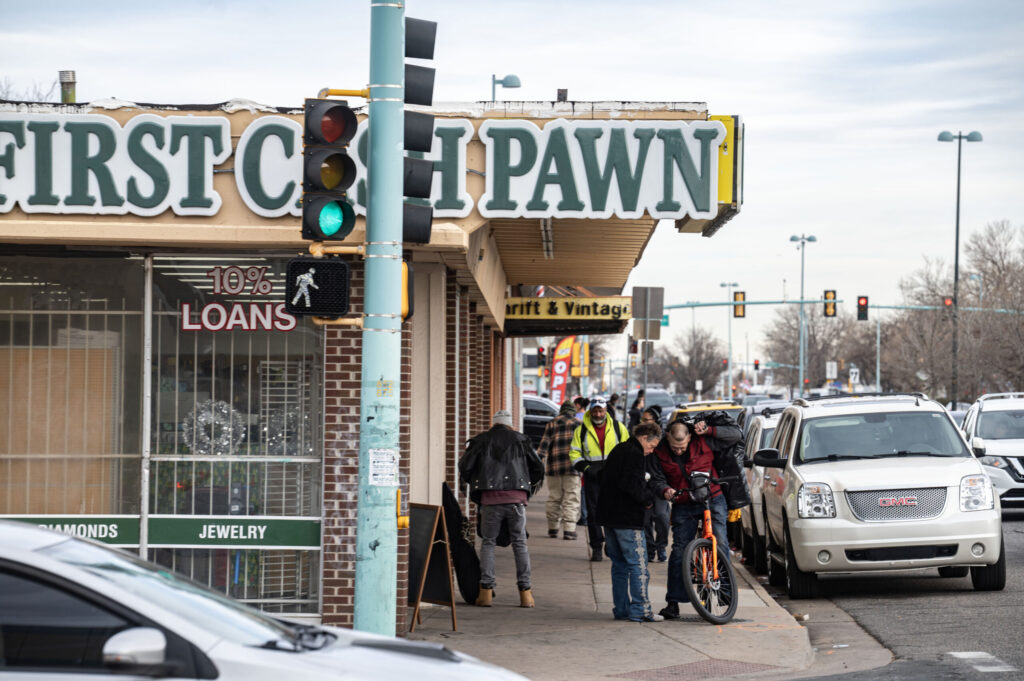
When Heather Adams and her partner bought their Colfax Avenue location for Vanishing West Ciders, the area immediately felt right, she said. “As we started to walk through the neighborhood, we started loving and feeling opportunities here,” she said about...

Kyla Pearce
Reporter

Pig and Tiger Taiwanese restaurant in Denver balances Asian family recipes with European comfort
Jonathan Ingraham
jonathan.ingraham@denvergazette.com
Updated 3 weeks ago
Chefs Darren Chang and Travis Masar are the Pig and the Tiger at Pig and Tiger, a new Taiwanese Night Market restaurant in Denver’s Five Points neighborhood. The two friends recognized that their love of Asian cuisine complemented each other’s...

Jonathan Ingraham
Reporter

Warm up with cocoa, champurrado, and atole recommended by Denver foodies
Emily Bejarano
emily-bejarano@gazette.com
Updated 3 weeks ago
Not a coffee drinker? Sip your way to happiness with these hot cups of chocolatey, corny goodness On a snowy day in Denver, nothing hits the spot quite like a warm cup of cocoa – that is, if you’re not...

Emily Bejarano
Reporter

From holiday pop-up bars to Krampus, these activities around Denver will get you feeling festive
Emily Bejarano
emily-bejarano@gazette.com
Updated 1 month ago
Spice up your schedule this December and choose your own adventure with this ultimate list of cheerful events The city of Denver is full of events each holiday season, and it can be challenging to choose events that align with...
Emily Bejarano
Reporter

Chongqing chicken gets a touch of fire in this recipe
Gretchen McKay, Pittsburgh Post-Gazette
gretchen-mckay@gazette.com
Updated 12 hours ago
Do you love hot and spicy food? Long for a dish that sets your mouth on fire? Me, too. That’s why, whenever I decide to try my hand at making Chinese food, I always reach for recipes that hang their...

Colorado’s Collaboration Fest set to bring hundreds of breweries together
Sage Kelley
sage-kelley@denvergazette.com
Updated 1 month ago
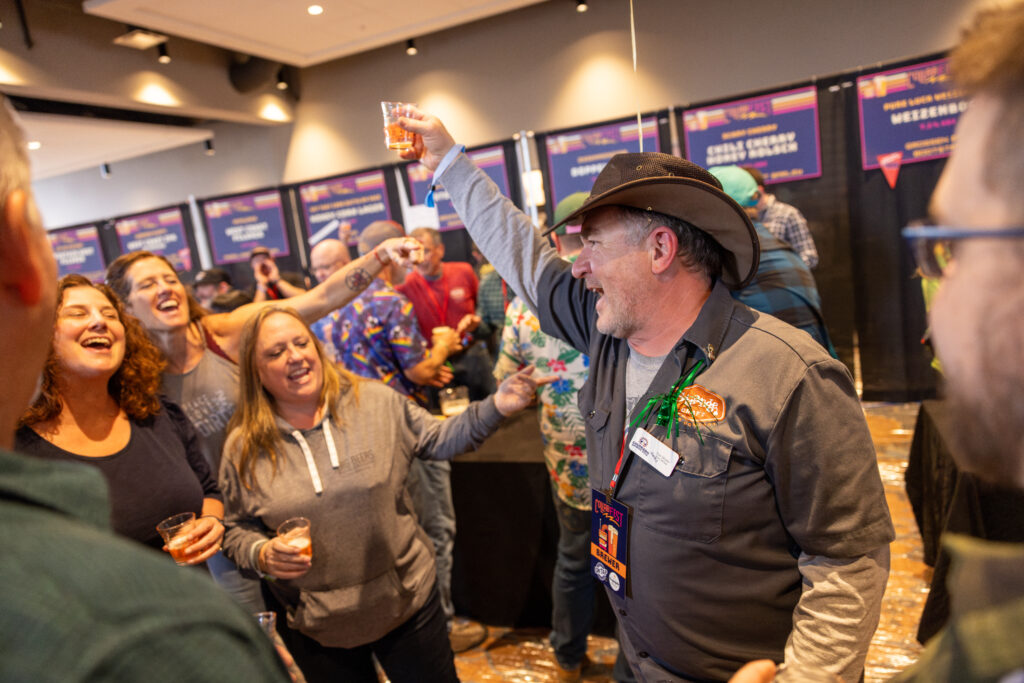
Mastermind breweries will once again unite to create eclectic concoctions when the Colorado Collaboration Fest returns next spring. The Collaboration Fest, presented by On Tap Credit Union and the Colorado Brewers Guild, will bring nearly 200 different craft breweries to...

Sage Kelley
Reporter
Colorado’s Collaboration Fest set to bring hundreds of breweries together
Sage Kelley
sage-kelley@denvergazette.com
Updated 1 month ago
Mastermind breweries will once again unite to create eclectic concoctions when the Colorado Collaboration Fest returns next spring. The Collaboration Fest, presented by On Tap Credit Union and the Colorado Brewers Guild, will bring nearly 200 different craft breweries to...
Sage Kelley
Reporter
PREV
PREVIOUS

Savvy Senior: Here are the best online will makers
Dear Savvy Senior, Can you recommend some good online resources for writing a simple will? I’m 70 and divorced and want to get my affairs organized, but I hate paying a high-priced attorney fee if I can do it myself. — Don’t Have Much Dear Don’t, Having a last will and testament is an important […]

Denver's John Carroll Lynch makes Broadway debut Thursday
I’ve always thought of John Carroll Lynch as a stage actor ever since I saw him play Judas in a Denver youth production of “Godspell.” Two years later, I was handing him the bowl of water and scream-singing, “Pilate, crucify him!” in “Jesus Christ Superstar.” Soon, he was performing with the Colorado Shakespeare Festival and […]