





Coal-fired generator at Pueblo’s Comanche Power Plant gets a one-year extension on life

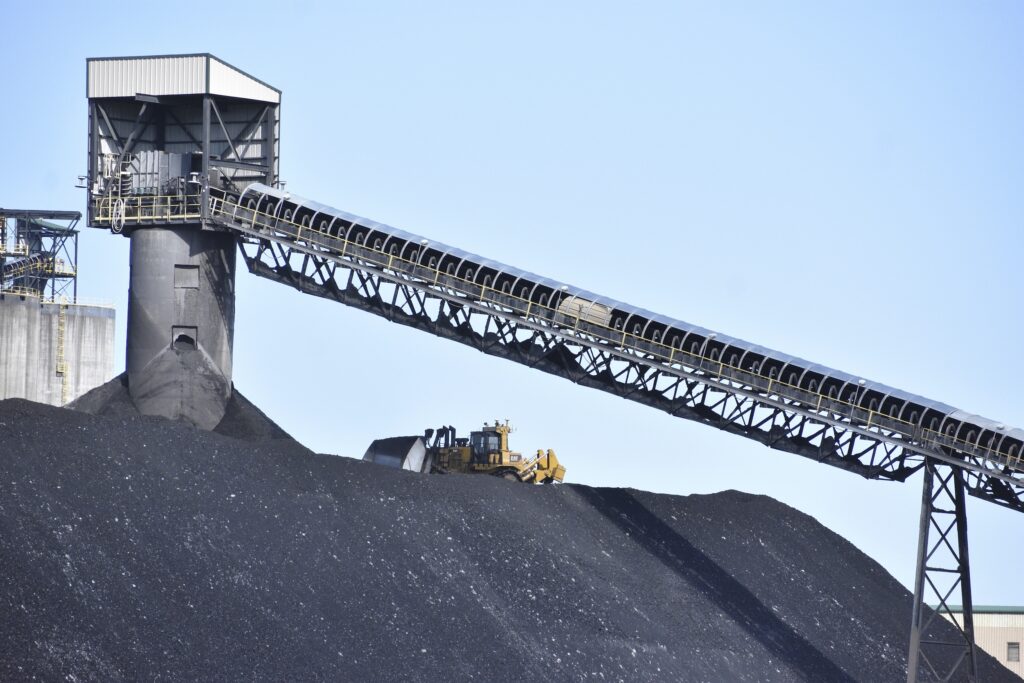
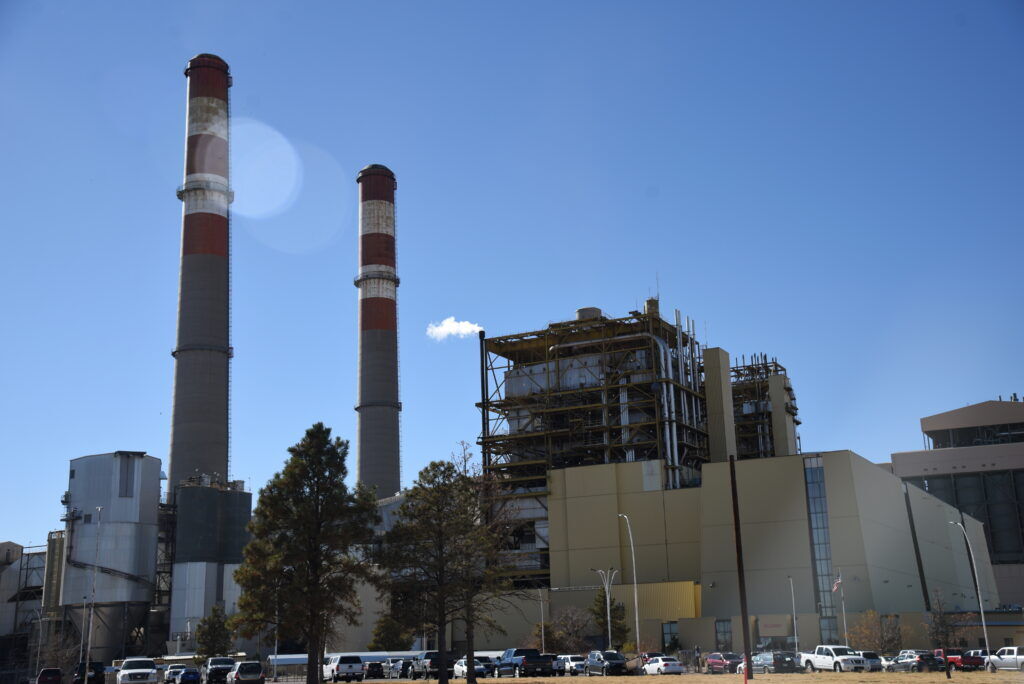
The Comanche Power Plant in Pueblo will continue to operate a coal-powered electrical generating unit that was slated for retirement this month for one more year.
The move comes after Xcel Energy, the state’s largest utility company, petitioned in November to keep one generator operating after an outage at the coal-fired power plant. Gov. Jared Polis backed the petition.
On Wednesday, the Public Utilities Commission approved a variance submitted by the utility. This allows Comanche 2, which was slated to be retired on Dec. 31, to continue operating as Xcel fixes the Comanche 3.
“The Commission found that the outage at Comanche 3 was the sole justification for the extension of Comanche 2,” a fact sheet released by the commission said. “The cause of the (Comanche 3) outage, the steps necessary to repair it and the costs are unknown at this time.”
The petition, originally submitted in November, was initially met with concern from groups like Western Resource Advocates. The group “fights climate change to sustain the environment, economy, and people of the West,” its “about” page says online.
Keeping Comanche in operation may cost Colorado’s ratepayers about $35.4 million annually, according to a report by Grid Strategies, a power sector consulting firm. As winter rolls in, natural gas prices will rise, making it more expensive for Xcel to purchase energy.
“Due to an unexpected breakdown of one of Colorado’s coal plant units, the administration is working to keep energy production stable and protect consumers from winter energy cost spikes by keeping another unit in operation for one year beyond its anticipated closure date,” a statement from the Governor’s Office said. The state obtained roughly 43% of its energy from renewable sources in 2024 and is “well on its way to achieving 100% clean energy.”
Nationally, coal may make a comeback thanks to pushes from President Donald Trump. On Jan. 20, the president declared an energy emergency, saying generation capacity is “far too inadequate to meet our Nation’s needs.”
In an April executive order, President Trump doubled down on his commitment to coal.
“We must increase domestic energy production, including coal. Coal is abundant and cost effective, and can be used in any weather condition,” the order said. “Our nation’s beautiful clean coal resources will be critical to meeting the rise in electricity demand due to the resurgence of domestic manufacturing and the construction of artificial intelligence data processing centers.”
But coal is not the only piece of the puzzle.
Energy Secretary Chris Wright, a Colorado native, said he wants to “unleash American energy at home and abroad.” Wright said America should focus on ensuring a wide array of cheap, abundant and sustainable energy sources that include geothermal, nuclear, oil and gas, according to past coverage by the Gazette.
Nationally, and despite the president’s push, coal power plants are closing. Much of this is associated to the high costs of operation. In fact, a coal plant costs just under twice as much as a nuclear plant to run on average, according to the Energy Information Administration (EIA).
Coal cost $41.32 per megawatt-hour in 2024, according to the EIA. By comparison, nuclear energy costs about $23.08 per megawatt-hour, while “gas turbine and small scale” power sources, which include solar and wind, cost about $23 per megawatt hour.
Most of Colorado’s energy generation comes from natural gas-fired power plants. As of August, the state produced more than 2,100 thousand megawatt-hours from natural gas, 1,838 thousand megawatt hours from non-hydroelectric renewable energy, 1,295 thousand megawatt-hours were provided by coal fired plants while 153 thousand megawatt-hours came from hydroelectric sources, according to the EIA.
As part of the commission’s approval of the variance, it expects Xcel Energy to create a report providing an update on the status of Comanche Unit 3. This will happen on or before March 1, according to the commission.
After that, it expects Xcel to “file an application for any additional variances or resource approvals” on or before June 1, 2026, building on the earlier report. This report will also include an Xcel analysis of ways it can “ensure affordable and reliable electricity” for Coloradans.
Wednesday’s announcement was received positively by WRA.
“WRA is pleased the Commissioners adopted common sense guardrails in granting the petition, including robust monthly accounting, operational restrictions for Comanche 2 & 3 that will maintain the status quo from an emissions perspective,” said the group’s Clean Energy Director Erin Overturf.
Comanche 2 generates 335 megawatts of electricity. Comanche 3, a much newer unit, provides more than double that amount, generating about 750 megawatts of power.


Giftwrapping tips from two Denver experts
Dennis Huspeni
dennis.huspeni@gazette.com
Updated 2 hours ago
Whatever the season or occasion, these gift-wrapping tips from two Denver experts help make the task easier and more enjoyable. Easter Illingworth from The Artisan Center in Cherry Creek North recommended the following tips: • For an easy options, use...

Dennis Huspeni
Reporter

Inside TRU Thrift’s Giving Room: How Boulder donations reach neighbors in need
Tricia Stortz
digital@denvergazette.com
Updated 2 days ago
In the back of TRU Community Care’s Thrift Shop in Boulder, past racks of winter coats and holiday decor, there’s a doorway most shoppers never notice. Step through it, and you enter the Giving Room, a bustling, volunteer-run operation where...

Tricia Stortz
Reporter

Wrap it up: The art of gift wrapping
Colleen Smith
colleen-smith@gazette.com
Updated 2 hours ago
At two of Denver’s longstanding blue-ribbon stature shops, experts extoll the virtues of presenting a well-wrapped present With the winter holidays, gift giving heats up. Whether giving a gift card or something significantly more difficult to wrap, the presentation of...

Colleen Smith
Reporter

Full ‘swing’: Daughter steps into mom’s iconic Mrs. Fezziwig role
John Moore
john.moore@denvergazette.com
Updated 1 hour ago
2025 DENVER GAZETTE TRUE WEST AWARDS: DAY 6 Talk about mirror images! Denver Center replacement actor Olivia Wilson steps into ‘A Christmas Carol’ role mom Leslie O’Carroll made iconic It was only the first act of the third preview performance...

John Moore
Reporter
Flags lowered, colors raised: Colorado leaders and friends celebrate Sen. Faith Winter’s life
Marianne Goodland
marianne-goodland@denvergazette.com
Updated 14 hours ago
It was the colors that stood out as hundreds braved the cold on Friday to celebrate the life of Sen. Faith Winter, who died in a two-car crash on Nov. 26. Flags at the state Capitol flew at half-staff at...

Marianne Goodland
Reporter

PHOTOS: Celebration of Life for Senator Faith Winters
Stephen Swofford
stephen-swofford@denvergazette.com
Updated 16 hours ago

Stephen Swofford
Reporter

Adams County awards $17M in open space grants from sales tax
Kyla Pearce
kyla-pearce@denvergazette.com
Updated 16 hours ago
The Adams County Board of Commissioners awarded more than $17 million in open space grants for 22 projects Tuesday, using the Open Space Sales Tax funds approved by voters. Funding for this cycle of projects comes from the first half...

Kyla Pearce
Reporter

Brick by brick: Denver museum exhibit features larger than life Lego sculptures
Tom Hellauer
tom.hellauer@denvergazette.com
Updated 16 hours ago
To see the Denver Museum of Nature & Science’s newest big animals on display, visitors don’t need to roam their expansive Wildlife Halls. Rather, artist Sean Kenney has dozens of animal sculptures up for viewing — all made entirely of...

Tom Hellauer
Reporter

Denver to consider $27 million body camera contract, DPD overtime
Deborah Grigsby
deborah.smith@denvergazette.com
Updated 18 hours ago
The Denver City Council will meet Monday afternoon to consider a handful of resolutions postponed from Dec. 1 and two resolutions involving the Denver Police Department. First up is a resolution from the Department of Public Safety seeking approval of...

Deborah Grigsby
Reporter

Looking past holidays, Denver area real estate agents feel a chilly spring
Mark Samuelson
mark-samuelson@denvergazette.com
Updated 17 hours ago
A new report about area home sales is adding weight to evidence that home prices have crested and are finally dropping around Denver, three years after mortgage rates soared and buyers turned sour on the market. Real estate agents are...

Mark Samuelson
Reporter
PREV
PREVIOUS

Trump calls Jared Polis a 'sleazebag' for keeping 'elderly woman' Tina Peters in jail, governor responds
President Donald Trump took to Truth Social on Wednesday to lambast Colorado Gov. Jared Polis over the case involving former Mesa County Clerk Tina Peters, who was sentenced to nine years in prison in 2024 for charges of giving unauthorized individuals access to the county’s election systems. Trump called Polis a “sleazebag” for denying the […]

High flying, adored: Cleo Parker Robinson is dancing on air at 77
2025 DENVER GAZETTE TRUE WEST AWARDS: DAY 5 Denver dance trailblazer’s historic year included first solo dance performance in four decades Cleo Parker Robinson is a trailblazer – and the fire that fuels her was smoking hot throughout her historic 77th rotation around the sun. Just today, the Association of Performing Arts Professionals announced that Parker […]