








Vince Bzdek: Coloradans are fed up with the high price of cars
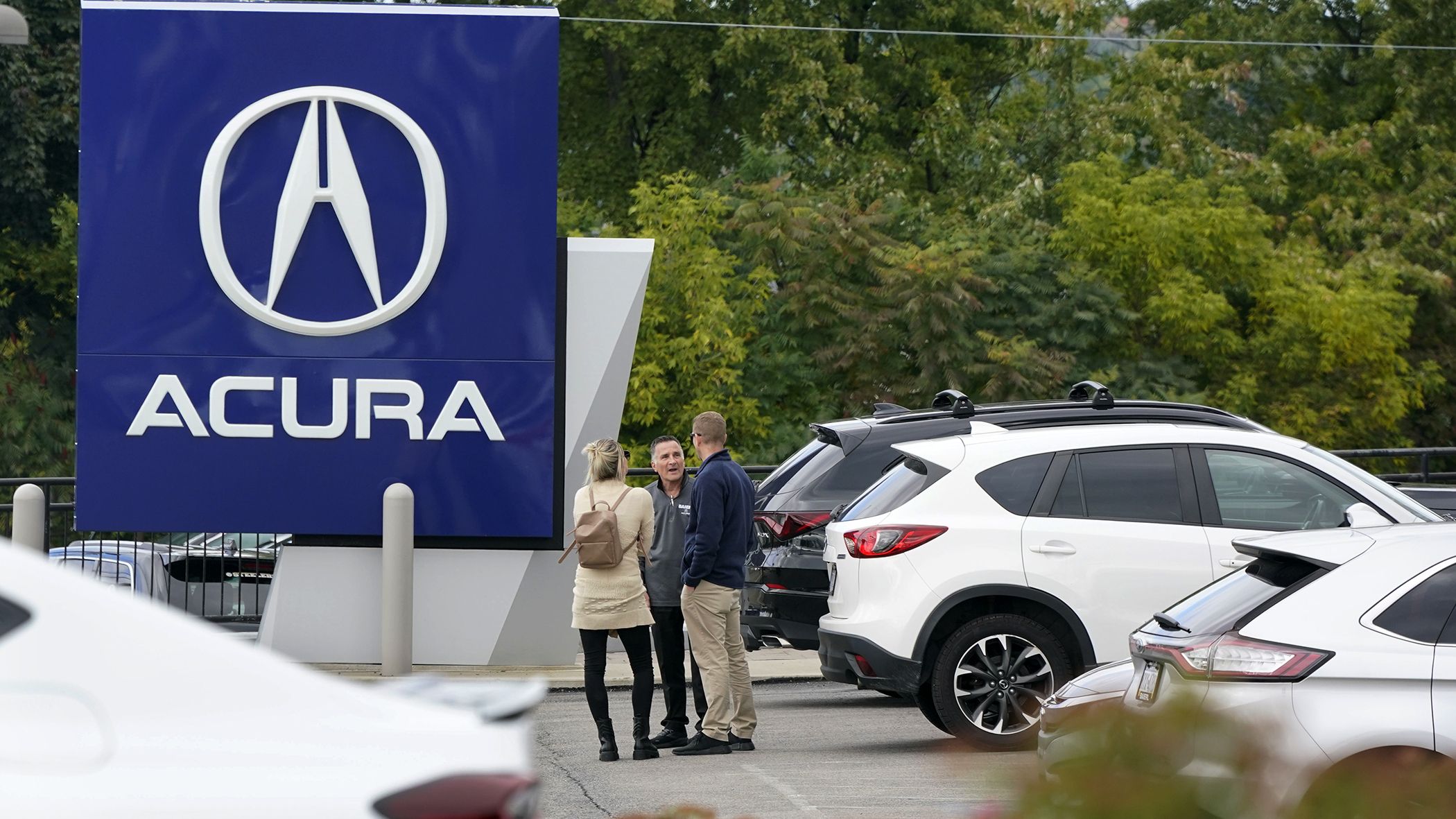
Car buyers in Colorado – and America – are fed up. Cars are too damn expensive.
The average price of a new car broke the $50,000 barrier last fall, according to Kelley Blue Book stats.
The Wall Street Journal recently noted that the price of cars and trucks in the United States has increased 33% since 2020.
The average monthly payment for a new car reached $772 in late 2025, according to Edmunds, the car-buying website.
Experian data shows that a third of all buyers this fall took out loans that stretched out 72 months, rather than the typical four or five-year loan. Some loans now even reach 100 months, or more than eight years, the Journal reports.
And the cost to own is even worse in Colorado. AAA recently found the average yearly cost to own and operate a new vehicle in Colorado is $11,451, or $894 monthly, which was 7% higher than the national average.
At the same time, insurance costs are up roughly 60% since 2020, according to Edmunds.
Over the past few years, “we’ve seen the quickest rate of acceleration ever when it comes to pricing,” Ivan Drury, the director of insights at Edmunds, told Atlantic reporter Patrick George.
In the U.S. right now, no American carmaker is producing models under $30,000.
President Trump has taken notice. The White House recently directed federal regulators to open the door to Japanese automakers who want to sell smaller and more affordable “micro-cars” in the United States that don’t currently meet government safety standards.
Trump has also lowered fuel-efficiency standards for the car industry in an effort, he said, to make vehicles more affordable.
Senate Republicans have also called industry executives to testify in front of Congress about why cars have gotten so expensive.
Americans are reacting by buying fewer new vehicles: MSN just reported that America is now sitting on about 3 million unsold vehicles spread across roughly 12,000 dealer lots.
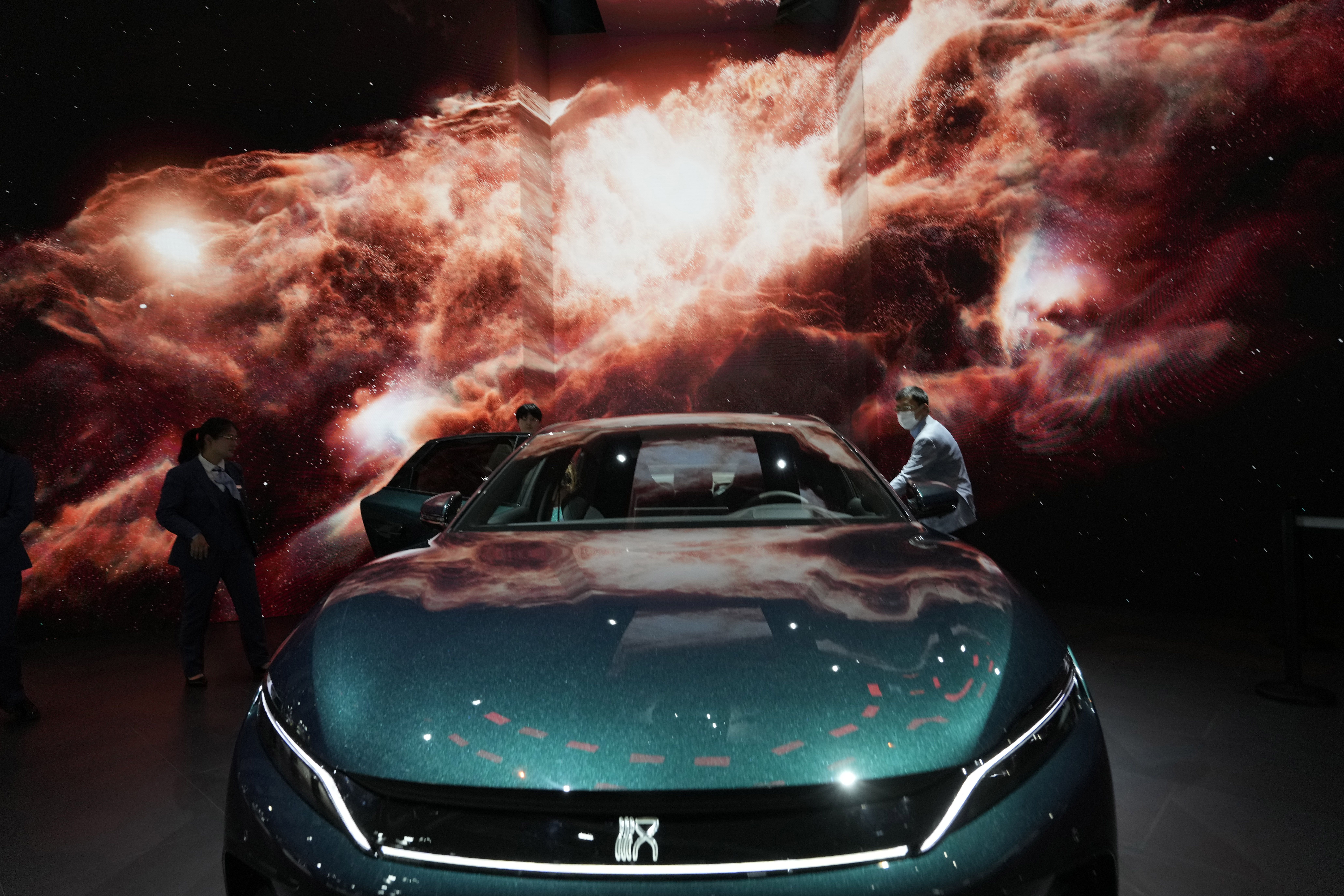
Where, I ask, is the modern Henry Ford building the uber-affordable Model T of electric cars?
Apparently, he is in China, and his name is Wang Chuanfu.
Chuanfu, founder of BYD Company (Build Your Dream), is producing a car called the Seagull that sells for $8,000.
Tariffs are keeping it out of the United States for now, but can you imagine the frenzy if Americans could buy new cars for $8,000?
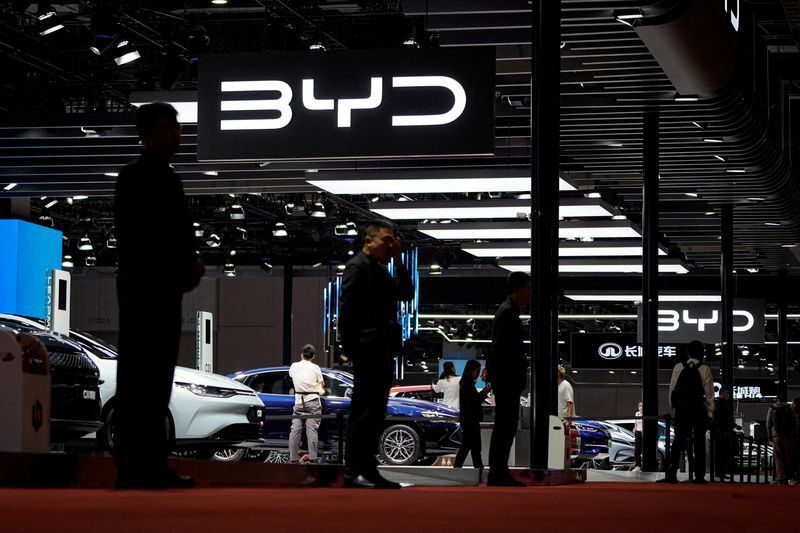
Just last week, Tesla, once the top seller of electric cars worldwide, was supplanted by BYD worldwide. Tesla’s sales dropped 9% for 2025, after the U.S. stopped all its tax credits for electric cars.
Meanwhile, BYD increased its sales 28% last year, selling a total of 2.26 million electric cars all around the world.
How has BYD become the leading car manufacturer in the world?
The company started out as a battery manufacturer in 1995. Then Chuanfu, a chemist, bought a failing car company and combined his batteries with their cars. He then built the Electric Vehicle Research Institute, and doubled down on R&D.
While other companies saw EVs as a niche, Chuanfu saw them as the future. Chuanfu believed focusing wholly on EVs was the key to leapfrogging legacy brands whose factories were all built for the combustion era. He also stressed relentless innovation, creating the revolutionary Blade Battery and the first plug-in hybrid car. The Blade’s long, flat blade cells fit more energy into the same volume of space, which makes for lighter, more efficient, simpler cars.
He also believes, just like Henry Ford did, in vertical integration, where his factories make almost every part of their cars themselves. BYD has built a whole EV ecosystem of its own, from batteries to electric motors, power electronics, and many of its own chips and components. It owns its own lithium mines and processes its own raw materials. The strategy cut supplier markups and insulated BYD from supply chain shocks. New models can go from drawing board to showroom in under two years.
Since China is the world’s largest car market — 8 million EVs have been sold in China compared to 1.8 million in the U.S. — BYD can spread its R&D and factory costs across huge volumes of cars made in gigantic factories running at full capacity.
And of course China has cheaper labor than Europe and the United States, as well as fewer safety and emissions regulations.
Then in 2008, BYD got some help from American investor Warren Buffett. Buffett’s firm Berkshire Hathaway invested approximately $230 million for a 10% stake in BYD. By March 2025, BYD’s stock had surged more than 4,500%, generating billions in profits for Berkshire.
With strong investments like that and huge subsidies from the Chinese government, BYD has conquered markets in Europe and Latin America as well as Asia. From 2020 to 2023, BYD went from selling 427,000 vehicles to 3 million. BYD has now produced 10 million vehicles overall.
But they never forgot their roots. Their Henry Ford-like commitment to keeping prices low and undercutting competitors has been the ultimate secret of their success, if you ask me. They’ve always focused on practicality rather than Muskian luxury.
In 2023, they released the Seagull, the smallest and cheapest factory EV in existence. Just seven months after the Seagull’s release, BYD had sold 200,000 of them.
And unlike the current climate in the U.S., China believes the EV story isn’t on a downswing. Rather, it’s just getting started, and China plans to dominate.
Battery costs are dropping dramatically, which should favor BYD over brands that produce both gas and electric. Battery prices account for 30% of a car’s cost now. Goldman’s has forecast that will drop to 15%-20% of the car’s cost by 2030-2040.
Some analysts think it’s just a matter of time before Seagulls are flocking into the U.S. Then BYD will not just be competition for Tesla, it will be competition for everyone.
Wouldn’t it be great if some American firm figured out how to produce an $8,000 car before those Seagulls take over our towns like a bad Hitchcock movie?
Can it be done here? Let’s remember that the Model T cost around $260 in 1925, which would be about $4,400 in today’s dollars.
It’s time for greedy American carmakers to stop focusing on the highest profit margins possible and once again build, in Ford’s word’s “a motorcar for the great multitude.”


Telluride celebrates end to ski patrol strike
RACHAEL WRIGHT Special to The Gazette
rachael-wright-special-to-the-gazette@denvergazette.com
Updated 8 hours ago
By Rachael Wright Special to the Gazette “We all were able to take a moment to breathe and to celebrate,” said Telluride Town Manager Zoe Dohnal. “As a community it was the most necessary first step forward.” On Jan....

EPA rejects Colorado’s plan to tie coal plant shutdowns to cleaner skies
Scott Weiser
scott-weiser@denvergazette.com
Updated 23 hours ago
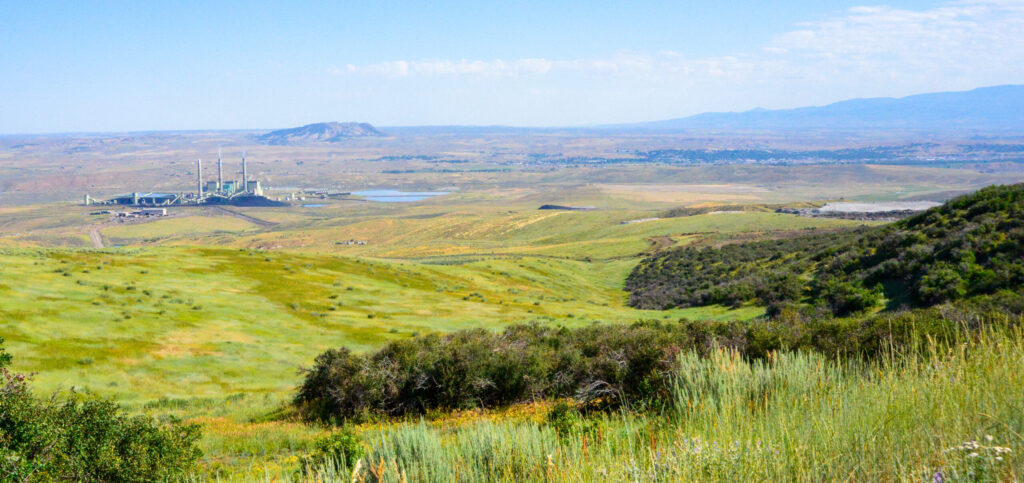
Federal air quality regulators on Friday rejected Colorado’s latest haze-reduction plan, saying the state wrongly tried to force coal-fired power plants to close early as part of efforts to clear up views in national parks and wilderness areas. The U.S....

Scott Weiser
Reporter

After sale, what’s next for Denver Pavilions?
Bernadette Berdychowski
bernadette.berdychowski@denvergazette.com
Updated 23 hours ago
The Denver Pavilions and the parking lots attached to it are at last under the same ownership, opening up the possibility for redevelopment of the downtown shopping center. In late December, the Denver Downtown Development Authority closed on the mall...

Bernadette Berdychowski
Reporter
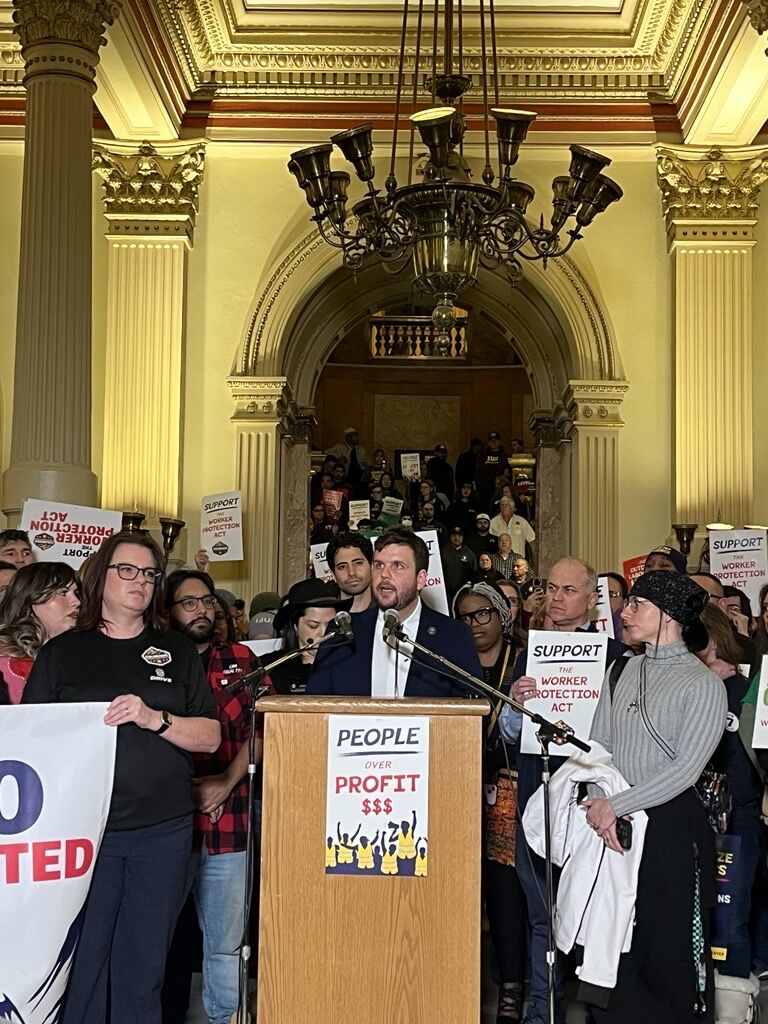
Gov. Jared Polis ‘frustrated, surprised’ at efforts to revive vetoed union bill
Marissa Ventrelli
marissa-ventrelli@denvergazette.com
Updated 2 days ago
Gov. Jared Polis was surprised that Democratic lawmakers and labor groups are seeking to revive a union-backed legislation less than a year after he vetoed the bill due to concerns about its impact on businesses and mandatory dues. Elected officials...

Marissa Ventrelli
Reporter
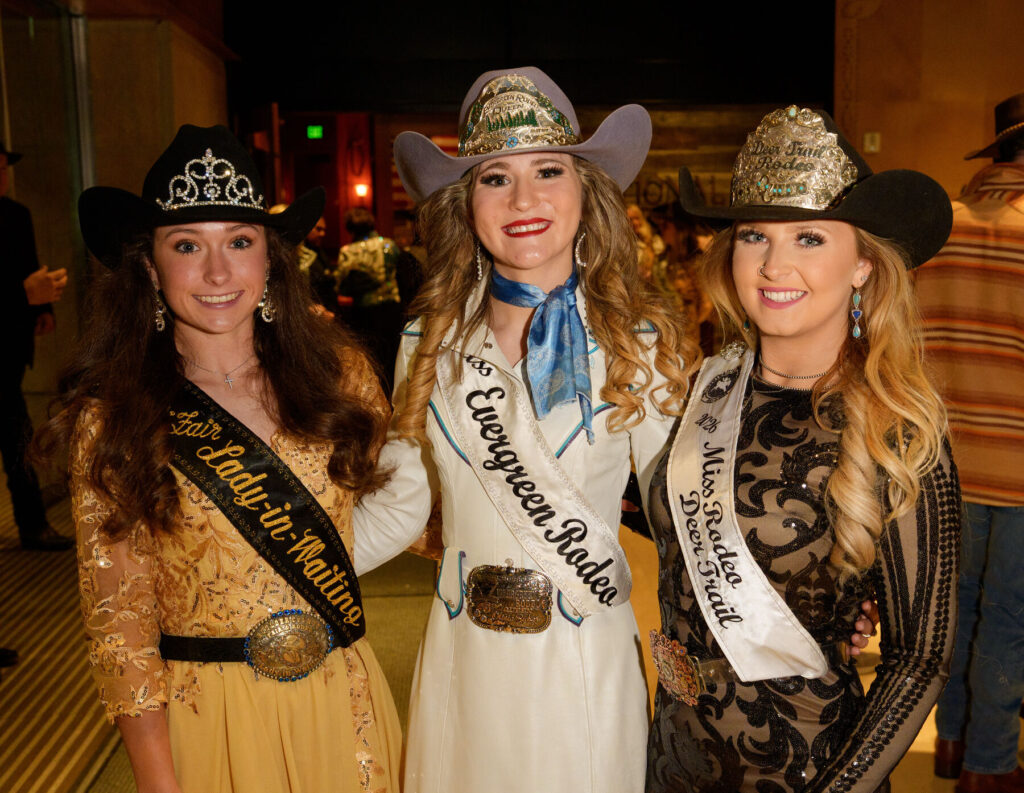
Red Carpet Reception proves new home’s a winner for Coors Western Art Exhibit & Sale | NONPROFIT REGISTER
Joanne Davidson Special to Colorado Politics
joanne-davidson-special-to-colorado-politics@denvergazette.com
Updated 2 days ago
NATIONAL WESTERN STOCK SHOW News: It wasn’t just the art that people were talking about at Thursday night’s Red Carpet Reception for the 34th Coors Western Art Exhibit & Sale. A good number of the 1,000-plus guests were on their first visit to the show’s spacious new location on the...

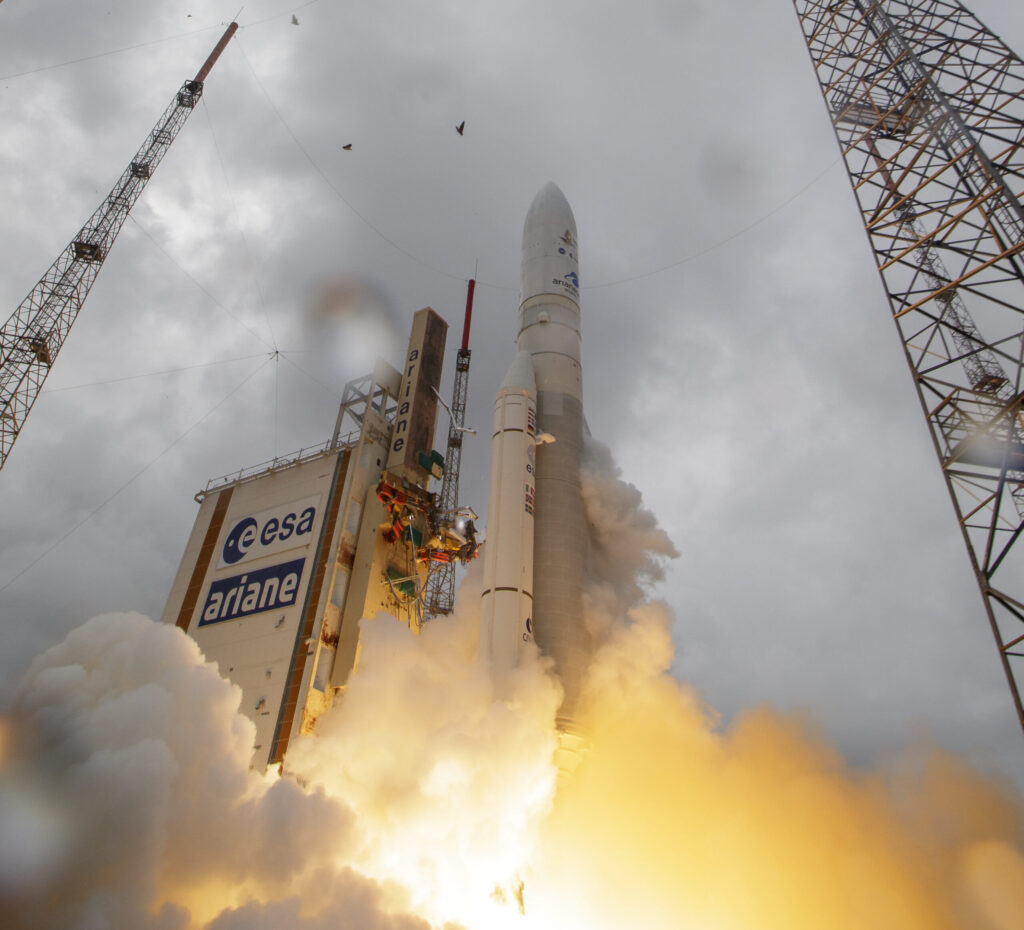
NASA taps Colorado companies to lead development on telescope searching for life on other planet
Alexander Edwards
alexander-edwards@denvergazette.com
Updated 23 hours ago
NASA has selected two Colorado companies to help develop a future NASA space telescope that will look for signs of life on other planets. The flagship project, called the Habitable Worlds Observatory, will be the first space telescope purpose built...

Alexander Edwards
Reporter

Ski patrollers end strike against Telluride
RACHAEL WRIGHT Special to The Gazette
rachael-wright-special-to-the-gazette@denvergazette.com
Updated 23 hours ago
After 13 days, the longest ski patrol strike in U.S. history has come to an end. On Dec. 27, the 72-member Telluride Professional Ski Patrol Association voted to go on strike after approaching Telluride Ski Resort (Telski) owner Chuck Horning...

Xcel seeks back-to-back rate hikes totaling $546 million
Scott Weiser
scott-weiser@denvergazette.com
Updated 23 hours ago
Colorado’s largest utility filed for major increases in both electric and natural gas rates within weeks of each other, a move that could add roughly $17 a month to the average household bill serving both services. Xcel Energy submitted a...
Scott Weiser
Reporter
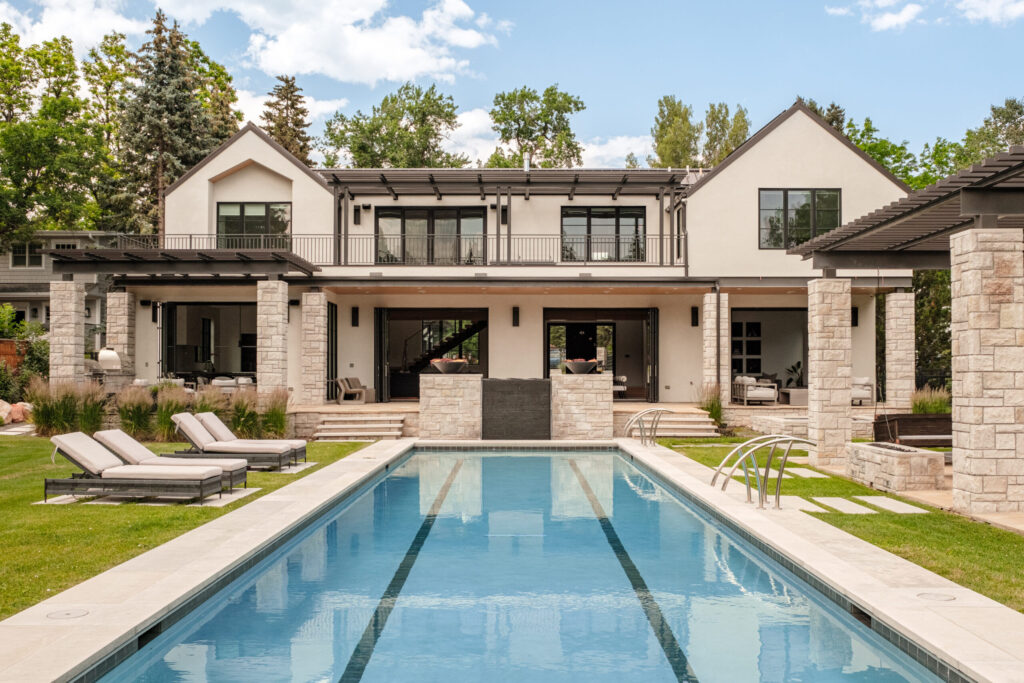
Inside the ‘Boulder Bubble,’ a custom home is $17.25 million
Mark Samuelson
mark-samuelson@denvergazette.com
Updated 4 days ago
You’d expect a newer custom home in the Denver area, one with 9,000-plus feet of living space on a larger city site, with a pool and good mountain views, to have a lofty price, right? Maybe in the high-seven figures?...

Mark Samuelson
Reporter
Alaska Airlines sets out expansion, placing its largest Boeing order yet
Reuters
reuters@denvergazette.com
Updated 4 days ago
WASHINGTON – Alaska Airlines said Wednesday it will purchase 110 new Boeing aircraft — the largest single order in the carrier’s history — as part of an aggressive expansion and fleet modernization plan. The deal includes 105 737 MAX 10...

Reuters
Reporter
PREV
PREVIOUS

Good's friends in the Springs take issue with how she's portrayed
The shooting death of 37-year-old Renee Nichole Good by a federal Immigration and Customs Enforcement officer in Minneapolis on Wednesday has sparked nationwide protests, vitriol and outrage, from all sides. From those who maintain the mother of three, who grew up and graduated from Coronado High School in Colorado Springs, stumbled into the violent crosshairs […]

Frozen funds, vetoes and lawsuits: Why Colorado says it’s in Trump’s crosshairs
Colorado Democrats have accused President Donald Trump of deliberately targeting their state, arguing his administration is using federal powers to punish it for its policies and resistance. But whether Colorado is being singled out — and why — depends largely on who is asked. Since returning to office, Trump has openly criticized Democratic-led states, at […]