







Mark Kiszla: Rockies owner Dick Monfort urges MLB to adopt salary cap to combat Dodgers’ runaway spending
GOODYEAR, Ariz. – With baseball ruled by economic insanity, the Colorado Rockies are doomed to failure, condemned to finishing so far out of first place they can’t see it.
So what is Dick Monfort, the most reviled franchise owner in the history of Colorado sports, gonna do to change a damn thing for our lovable losers?
“Something’s got to happen. The competitive imbalance in baseball has gotten to the point of ludicrosity now. It’s an unregulated industry,” Monfort told The Denver Gazette.
“The only way to fix baseball is to do a salary cap and a floor. With a cap, comes a floor. For a lot of teams, the question is: How do they get to the floor? And that includes us, probably. But on some sort of revenue-split deal, I would be all-in.”
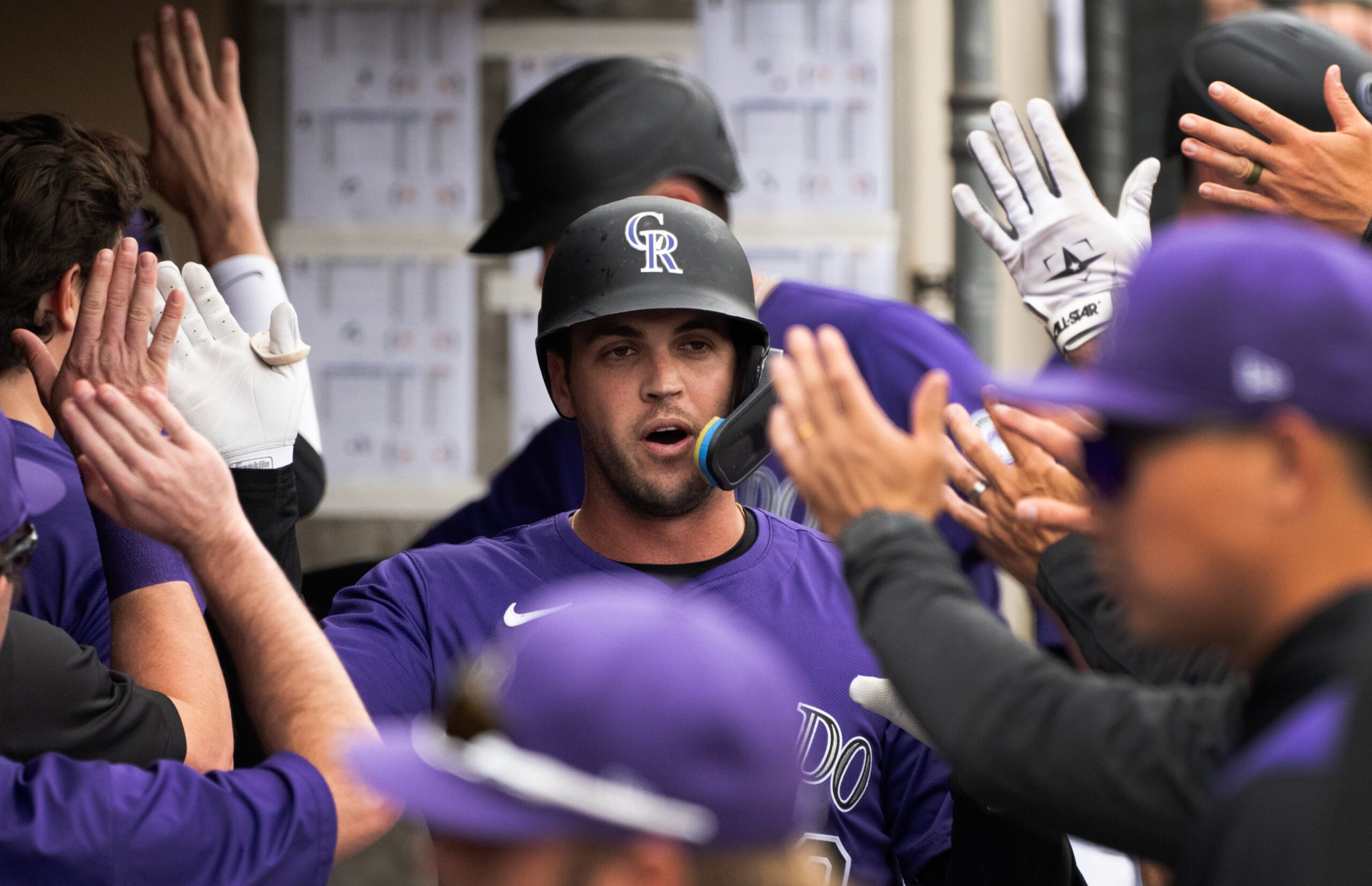
On a sun-splashed afternoon at a Cactus League game, I joined Monfort in a front-row next to the Rockies dugout and watched him leap for joy when promising 23-year-old slugger Zac Veen crushed a home run 441 feet over the right field fence against the Cincinnati Reds.
But on the verge of his 71st birthday, Monfort also told me he’s not certain how much longer he wants to serve as the chief executive officer of a team that has lost 100 games two seasons in a row.
Rather than making a defiant prediction how the Rockies would exceed doomsayers lowly expectations, as he has been known to do, Monfort expressed somber concern for baseball’s future.
He’s troubled by a sport where agent Scott Boras often wields more power than commissioner Rob Manfred. He advocated for adoption of a version of the NBA’s Larry Bird rule, so the Pittsburgh Pirates don’t have to dread the day when superstar pitcher Paul Skenes walks for a rich contract tendered by a team blessed with a lucrative media market.
With baseball at a dangerous crossroads and the looming possibility of a nasty labor dispute when the collective bargaining agreement with players expires after the 2026 season, why is Monfort so upset?
He believes the majors are no longer divided into the National and American leagues, but caste-like tiers. Monfort’s view: There are five teams that have nearly unlimited resources at the top, five championship wannabe franchises and 20 have-nots, which includes the Rockies.
“The Dodgers are the greatest poster children we could’ve had for how something has to change,” said Monfort, who watched his division rivals in Los Angeles win a championship in 2024, then add two-time Cy Young winner Blake Snell and prized Japanese prospect Roki Sasaki.
“Sports are supposed to have some sort of fairness, right? There’s got to be some purity.”
For nearly 20 years, I have badgered the Monfort brothers and shouted at the clouds for Dick and Charlie to get out of the sport.
But I would be remiss if I didn’t also admit: With the Dodgers hoarding talent with a payroll that hovers near $400 million and a commissioner that has allowed television wealth to become regionalized, with a vast wasteland between New York and Los Angeles, the chronic problem of losing baseball we suffer in Colorado is far bigger than the Monforts.
“Like one of my fellow owners said: The problem is ourselves,” Monfort told me. “You’ve got 30 owners and they’re all diverse. This system works for the big markets. But it’s gotten to the point where the big markets can’t make any money, because they’re shelling it all out in payroll.
Monfort, who fondly calls the Rockies his “baby,” is sick and tired of his team being used and abused as the mighty Dodgers’ purple-haired stepchild. He still dreams of beating them over the long haul of a 162-game regular season, but has been beaten down by harsh reality.
“I just wish it wasn’t so damn hard,” Monfort told me, before reminiscing about the best of times during the nearly three decades he has been involved in ownership of the franchise.
“In the old days, you could get your young kids on the team and watch them grow up. Like in ‘07. Call it luck or skill, but we got (shortstop) Troy Tulowitzki and the right player mix of young and old pitchers. It would be nice to do it again.”
While the fond memory of Rocktober might never fade, it now feels like ancient history.
The Rockies have finished out of first place in the National League West during the last five full major league seasons by an average of 38 games.
That’s worse than hopeless and more than a trend. It’s an annual death march for LoDo’s boys of summer.
As we marveled at the MVP potential of 23-year-old Cincinnati shortstop Elly De La Cruz and I couldn’t help but wonder how long before the Yankees or Dodgers would try to lure him away from a humble burg along the Ohio River, we were briefly joined in the box seats by Bob Castellini, the 83-year-old managing general partner of the Reds.
Castellini wanted me to know two things: No. 1, the competitive imbalance in baseball had become horrendous. And No. 2, Monfort is a respected champion of have-not teams like the Rockies and Reds.
So I asked Monfort if any of us would live long enough to see a new economic order that would give all 30 major league teams a legit shot at winning the World Series.
“Well, how long do you plan on living?” Monfort joked, then added: “If you can live 20 years, I hope so.”
Whether Monfort has the energy and will to lead the fight when the CBA expires in 2026, however, remains to be seen.
Offended in the past when I suggested he should sell the Rockies to a mega-billionaire owner with deeper pockets and a fatter wallet, Monfort was calm and reflective when asked this time why he puts himself through the torture of trying to win a championship, knowing the playing field is titled in favor of the Dodgers.
“Every season, especially the last two frustrating seasons, you say: I’m going to get out of this (business). Then the season is over, and you find very little happiness when not at the ballpark or watching a game. I mean, I love sports, I’ve always loved sports,” Monfort said.
“So I don’t know why I do it. My wife asks me all the time why I do it. A lot of people ask.”
Monfort emphasized he wants to hang in, if for no other reason than to do right by longtime, loyal Rockies employees. Retirement doesn’t sound especially appealing to a man like himself who thrives on work.
So I pressed him, trying to ascertain if he might actually ever get serious about stepping aside as CEO or soften his long, adamant opposition to selling the team.
“Catch me again in July,” Monfort said.