







Colorado Supreme Court to review child custody decision
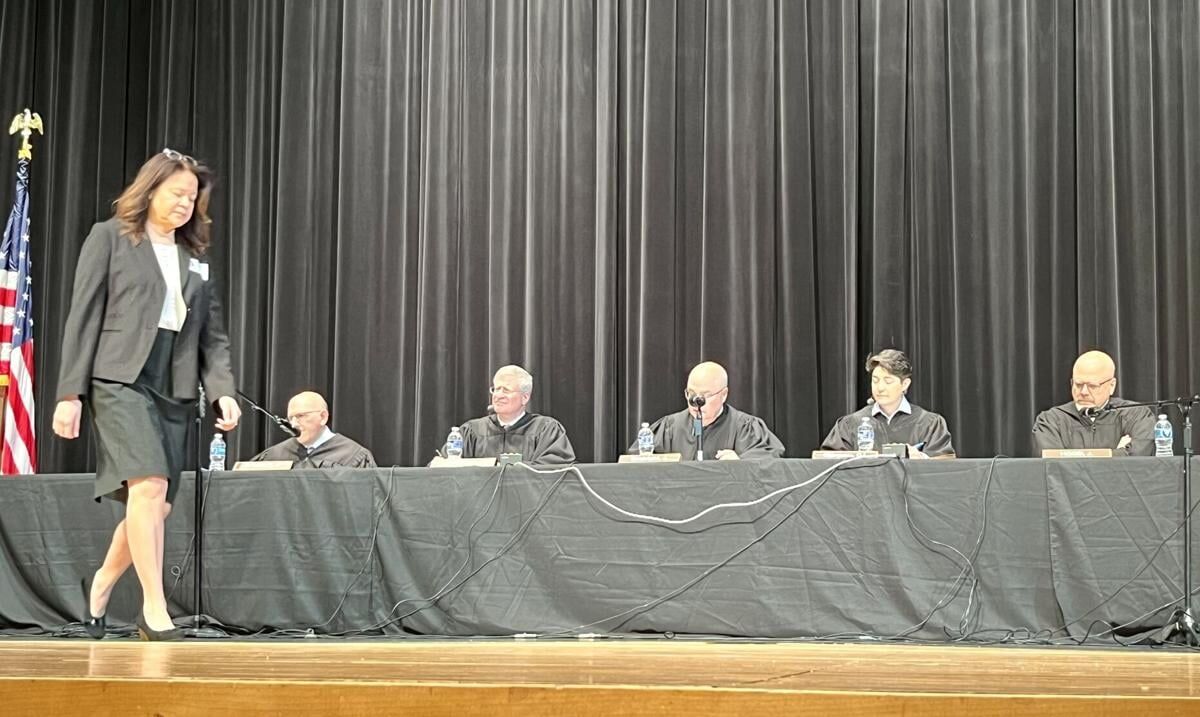
The Colorado Supreme Court announced on Monday that it will review whether the state’s second-highest court described the correct framework for deciding whether to terminate a parent’s legal rights over a child.
At least three of the court’s seven members must agree to hear a case on appeal. Currently, there is one vacancy that will be filled later this month.
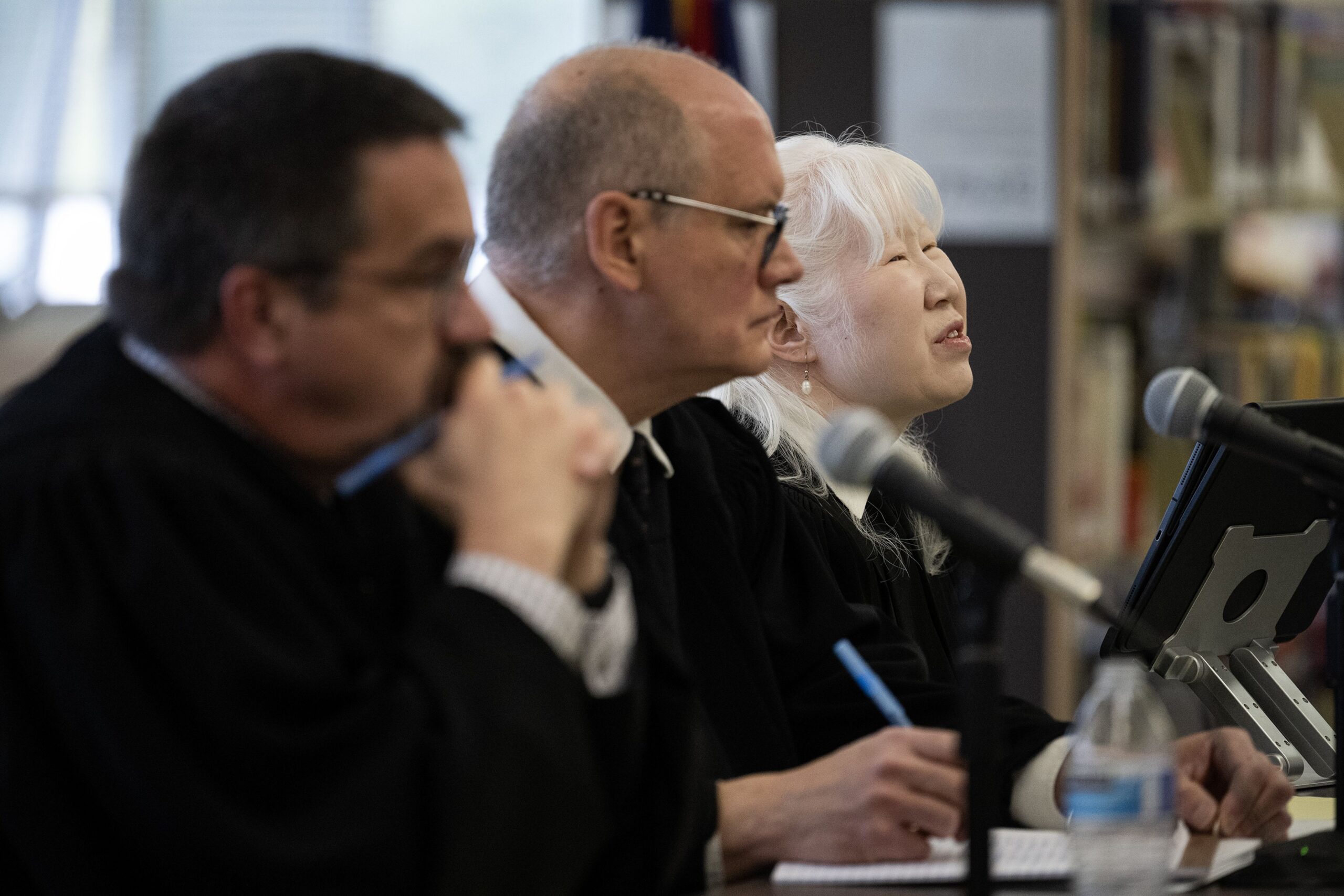
The justices also signaled they may intervene in an ongoing murder prosecution in La Plata County in a case that questions whether trial judges have the discretion to keep defendants in juvenile detention if they turn 18 while awaiting trial.
AVAILABILITY OF CUSTODY
Mesa County sought to terminate the parental rights of a mother, identified as A.S. At the time, her child resided with the maternal grandparents, and the child’s grandmother was reluctant to accept permanent custody because dealing with A.S. was “difficult.”
The county argued that terminating A.S.’s rights was proper because custody was not currently available as a less-drastic alternative. However, a trial judge denied the motion to terminate, finding a custody arrangement was a less drastic alternative to severing A.S.’s parental rights.
Mesa County and the child’s legal representative appealed, arguing the absence of a willing custodian at that moment should have led to termination, rather than an open-ended custody question.
A three-judge Court of Appeals panel concluded that there does not need to be a specific custodian identified for a judge to find that giving custody to a non-parent is a superior option to outright termination.
“Indeed, when a court concludes that termination is in a child’s best interests because that child’s needs are best met by the permanency that only termination and adoption can provide,” wrote Judge Sueanna P. Johnson, “the child does not need to be in a potentially adoptive home, nor do we require that a specific adoptive placement be identified or known to the court at the time of termination.”
The Supreme Court will examine whether the appellate panel’s understanding of the case law was correct.
The case is People in the Interest of H.L.B.
JUVENILE IN CUSTODY
Prosecutors have accused Issac James Lawrence of killing a younger boy and attempting to kill his mother in 2024. Lawrence is being tried as an adult but was initially held in the Division of Youth Services while he awaited trial.
When he turned 18, authorities transferred Lawrence to jail. The defense objected, arguing trial judges have the discretion to keep defendants like Lawrence in pretrial youth custody.
At a November hearing, Chief Judge Kim S. Shropshire acknowledged she previously declined to transfer a juvenile defendant, who was serving a sentence, to the county jail once they turned 18. However, she believed she was obligated to allow Lawrence’s transfer, absent “a different opinion from a higher court.”
The public defender’s office turned to the Supreme Court, arguing there is no automatic transfer for a juvenile defendant who is “developmentally close to childhood and is already embedded in (Division of Youth Services) programming.” The office also pointed to Shropshire’s differential treatment of Lawrence, who was in custody pretrial, and the other juvenile defendant, who was serving a sentence.
“The youth with a more recent (criminal) history that resulted in a commitment sentence remains in DYS; a youth with no such history is pulled out and put in an adult jail, with every risk and harm that comes therewith. Timing becomes destiny,” wrote Lawrence’s attorneys.
They asked that, if the Supreme Court finds state law to require a transfer for defendants like Lawrence, the justices declare the law unconstitutional.
The Supreme Court has ordered a response to Lawrence’s petition.
The case is People v. Lawrence.