







Colorado’s federal judges slash motions backlog to lowest in years
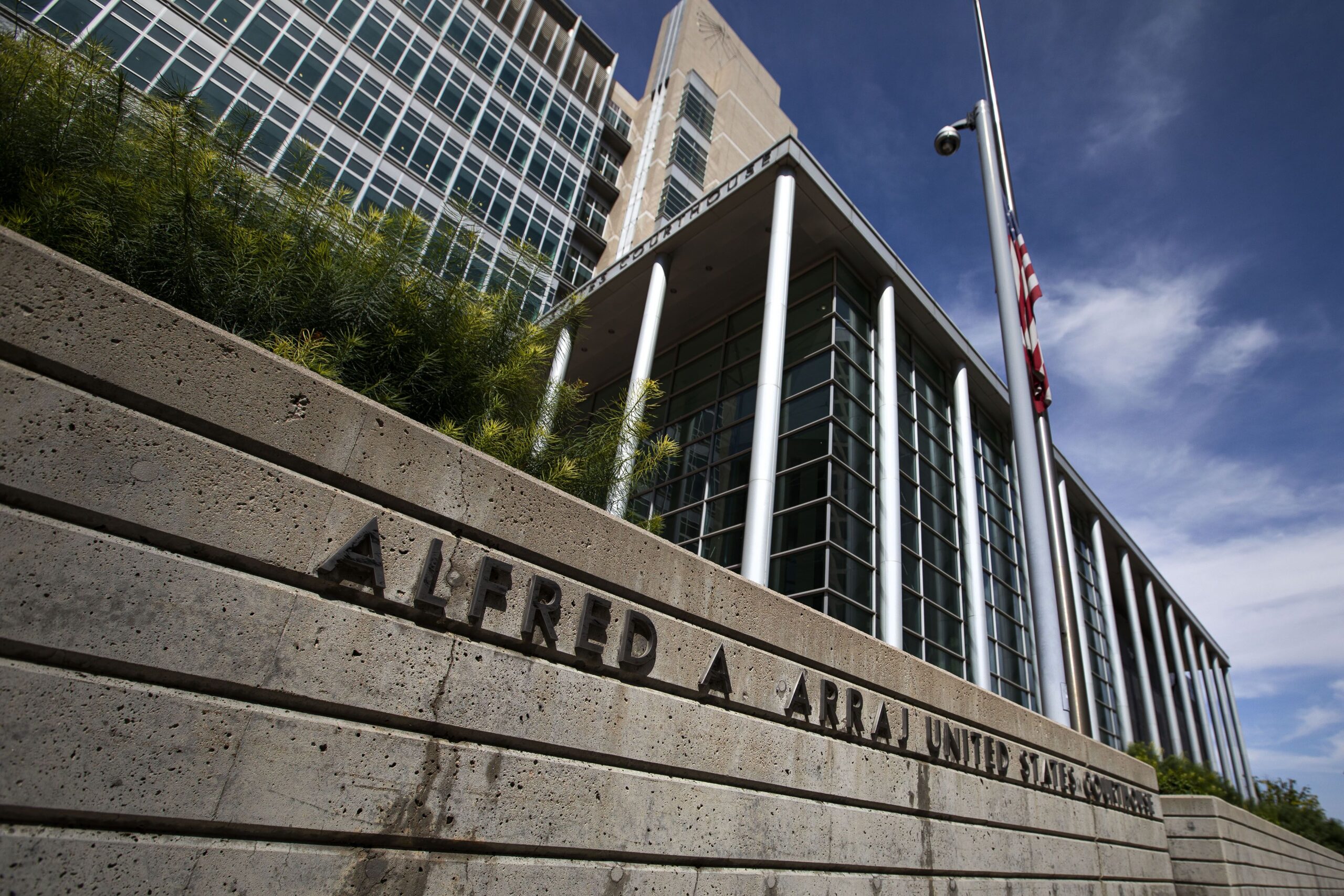
Colorado’s federal trial judges collectively had 37 motions in civil cases that had been sitting on their dockets for at least six months without a ruling, as of Sept. 30.
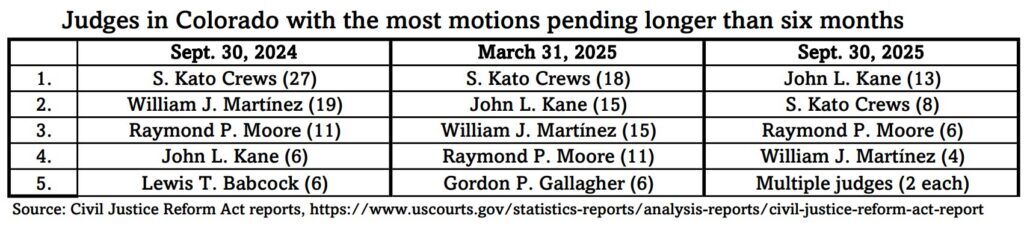
That is the smallest backlog the state’s U.S. District Court has experienced since September 2017, before many of the current judges were even on the bench. The reduction in the pool of pending motions occurred at the same time the court’s civil caseload ballooned to over 4,000 filings in 2025, with a significant increase in challenges to immigration detention.
The court’s clerk did not respond to questions from Colorado Politics about whether or how the district court modified its processes to handle the wave of cases while simultaneously lowering its motions backlog.
The Civil Justice Reform Act of 1990 requires public reporting of motions awaiting action in civil matters assigned to each district judge and magistrate judge. The goal was to enhance accountability and move backlogged cases forward, as civil lawsuits, unlike criminal cases, are not subject to the constitutional guarantee of a speedy trial.
Twice a year, on March 31 and Sept. 30, a report is generated of all motions pending for six months or longer. Under the reporting protocols, a motion becomes “pending” 30 days after its filing. Judges also have the opportunity to give a reason for the delay, such as “complexity of case,” “extensive discovery involved” or “voluminous” materials.
The motions on the six-month list range from dismissal and summary judgment requests, which can potentially end a case without a trial, to evidentiary and procedural matters.
According to the September 2025 data released last week, the motions backlog in Colorado is a vast improvement from two years earlier, when 272 motions appeared on the six-month lists for Colorado’s judges.
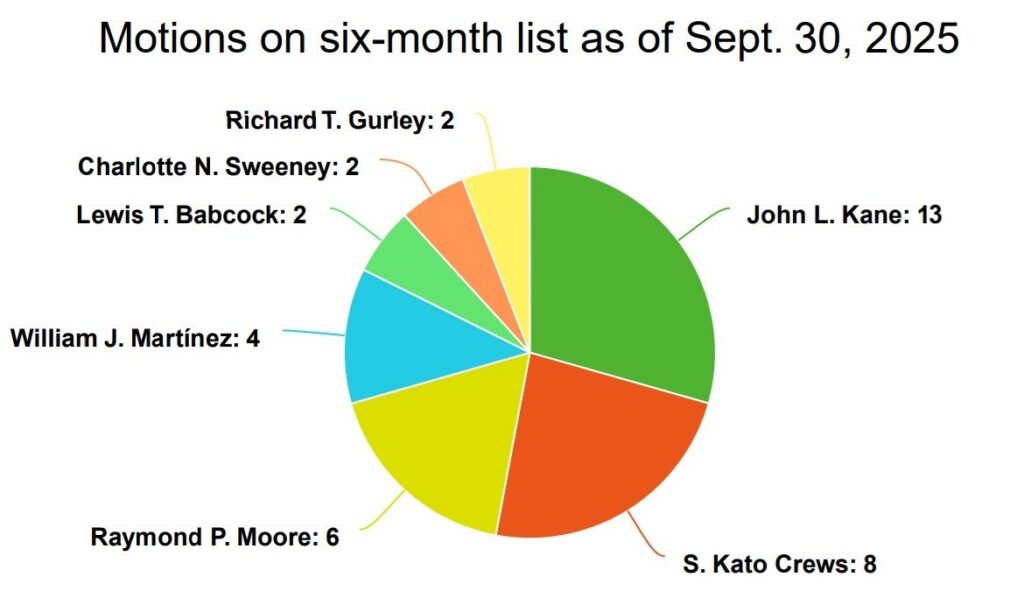
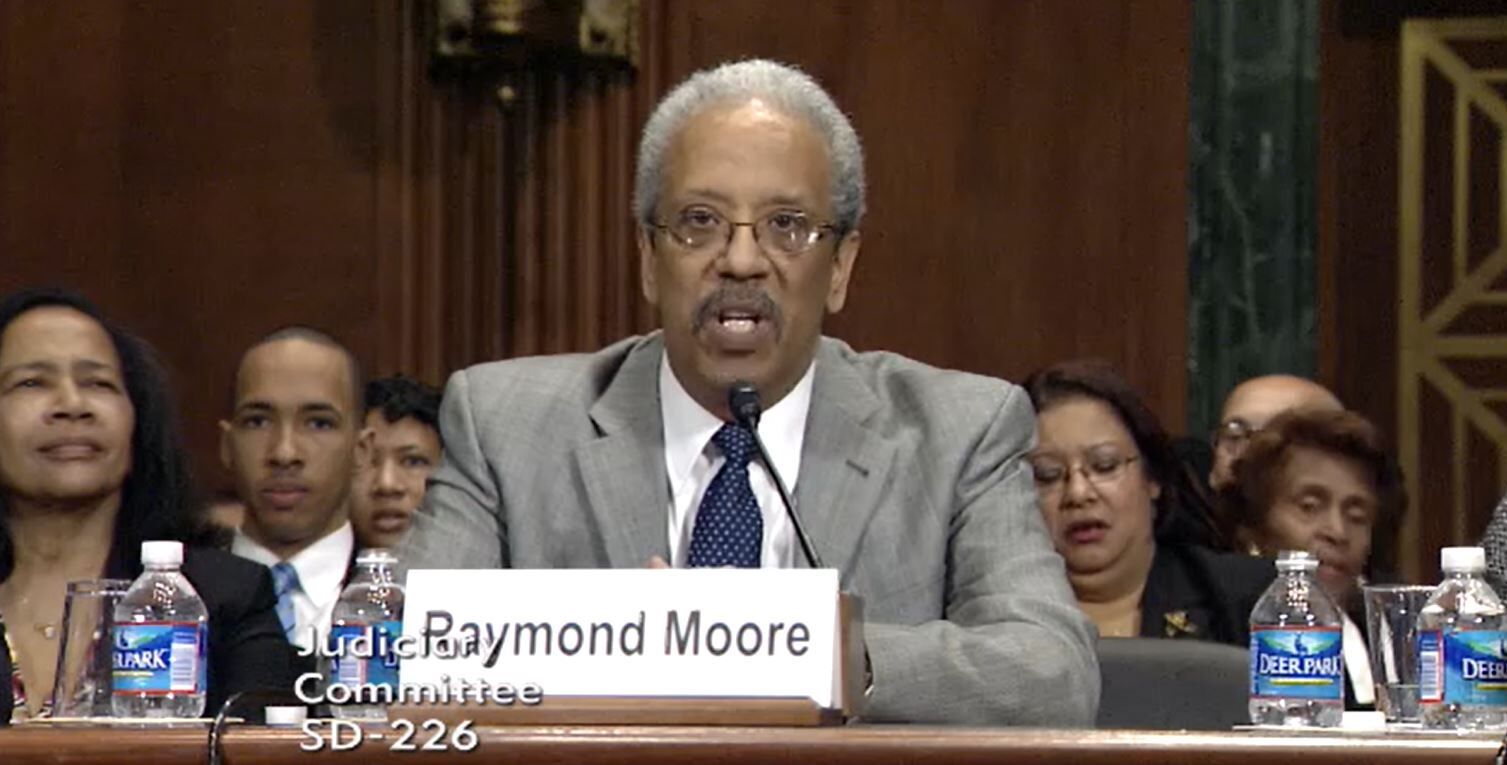
The largest delays in deciding motions are attributable to a handful of judges, with semi-retired Senior Judge John L. Kane having 13 motions on his list, Judge S. Kato Crews reporting eight, Senior Judge Raymond P. Moore reporting six and Senior Judge William J. Martínez reporting four.
However, the raw number of undecided motions does not account for relevant circumstances underlying the extreme delays in a handful of cases.
For example, as of Sept. 30, Judge Charlotte N. Sweeney had two motions pending in a lawsuit against state and local policies governing the names that children may use at school. Although both motions were 115 days beyond the six-month deadline, the case is currently tied up in the federal appeals court, which has not yet ruled on Sweeney’s earlier decision to deny a preliminary injunction.
In an excessive force lawsuit assigned to Moore, a pair of motions has sat undecided since the summer of 2024. However, the case has continued to move, with the litigants repeatedly asking to modify various deadlines as they reviewed evidence. As recently as last month, the plaintiff moved to compel additional records related to his claims.
Several motions on the latest six-month list were also decided after the reporting window. Two motions were filed on the same day in October 2023 in a patent dispute assigned to Martínez. He did not issue decisions until November 2025, after which the parties quickly announced they had settled.
In a high-profile case involving the University of Colorado’s COVID-19 vaccine mandate, the parties asked Moore to pause the proceedings after the U.S. Court of Appeals for the 10th Circuit delivered a favorable ruling to the plaintiffs in May 2024. At the time, a motion to dismiss was pending on the docket, but the litigants indicated they were negotiating a settlement. Although the motion appeared on Moore’s latest report as overdue by nearly a year, the litigants reached their settlement at the end of 2025 and eliminated the need for an order.
Other cases, however, are still waiting for judges to make critical decisions.
Kane has four cases in which the litigants are awaiting rulings on motions filed in August 2024 or earlier. In one insurance dispute, Kane recently referred a handful of severely delayed motions to a magistrate judge, who has scheduled a hearing for later this month to consider the issues.
In a constitutional rights case brought by a plaintiff who Denver detectives allegedly coerced into confessing to a high-profile murder when he was a teenager, there are five undecided motions for summary judgment. Although Kane’s official six-month list only has two of those motions listed, he told Colorado Politics after the March 2025 reporting period that the actual number was higher.
The rulings were “in draft form,” he said over the summer. There is still no decision.
Crews, with eight motions on his list, decided the majority of them after the reporting period ended. But a handful of constitutional rights cases are awaiting rulings for motions that date to mid-2024.
In one case, alleging excessive force, unlawful arrest and First Amendment violations against Fort Collins and individual police officers, the plaintiffs’ attorney told Colorado Politics a decision on the summary judgment motion is “crucial” to determining whether a trial will take place.