







For Valentine’s Day, a love letter to Colorado’s great outdoors
Dearest Colorado,
It is Valentine’s Day, a day to profess my love for thee. But where to begin?
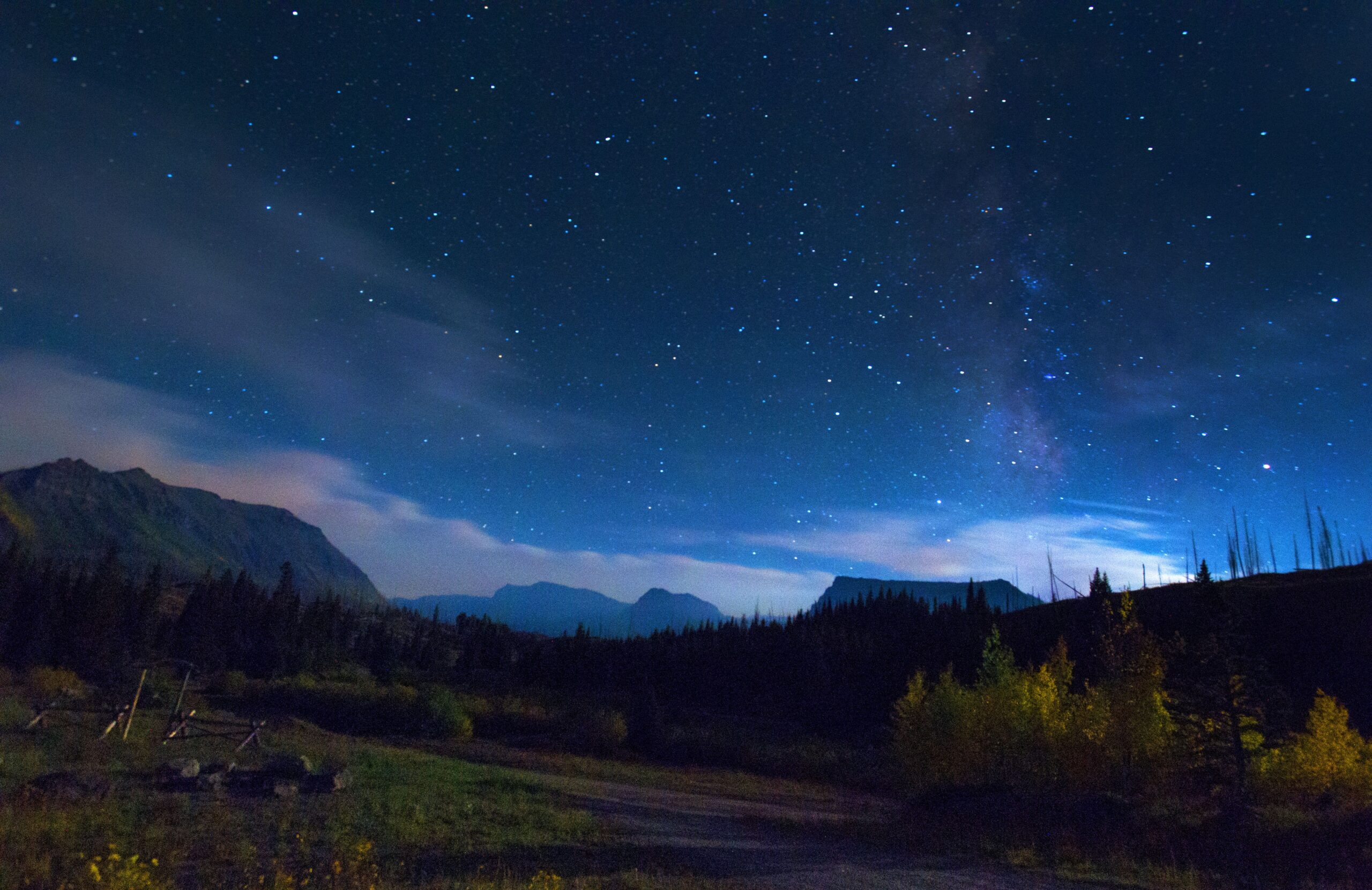
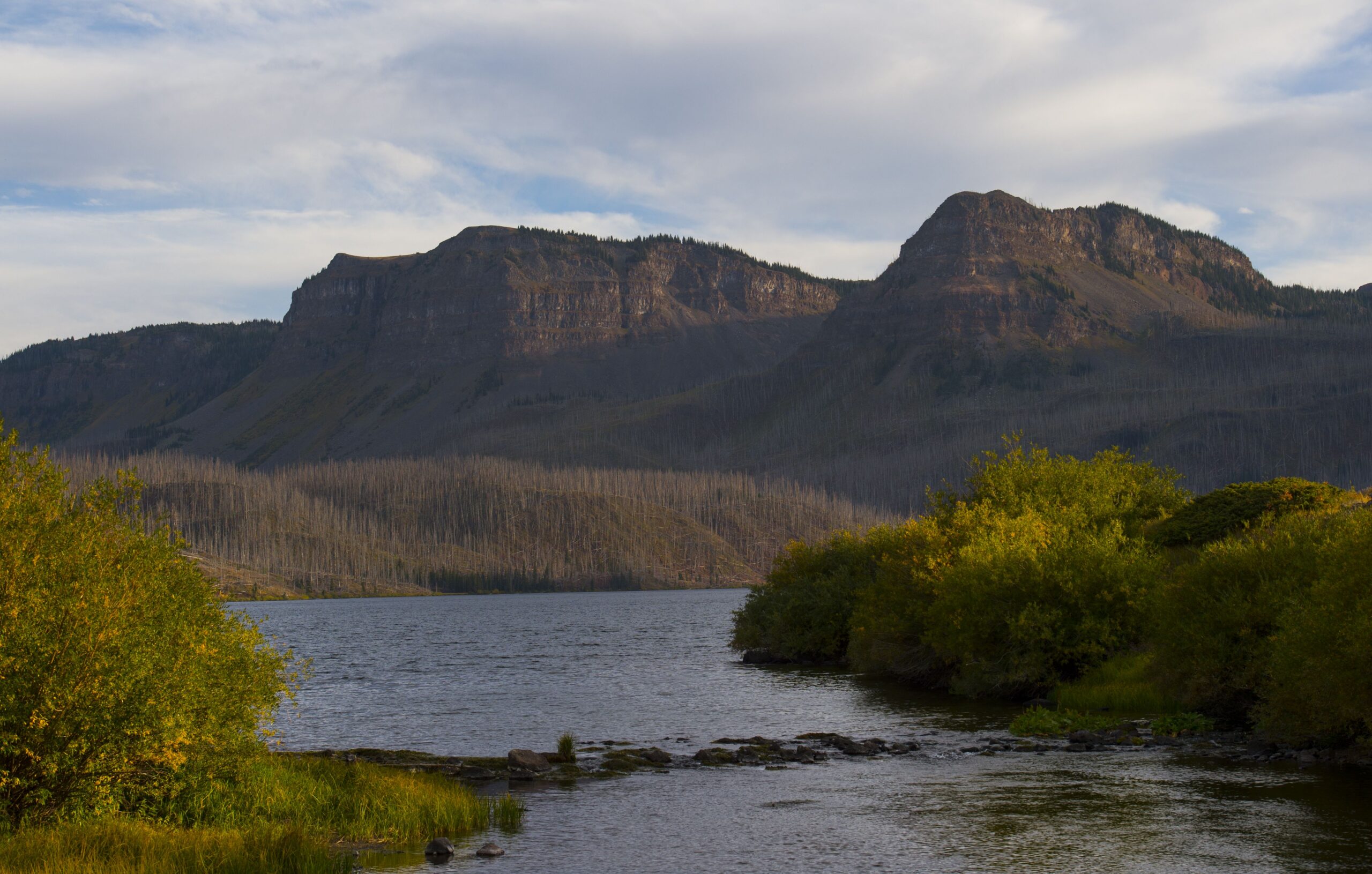
Where our love story begins, of course, almost 10 years ago. I was wandering in a way that some of your earliest settlers had wandered across the country. Except they came by wagon, and I in an old Toyota Camry. The clunky car was not suited for winding, rugged Dunckley Pass in your northwestern Flat Tops. My destination was Trappers Lake. I was terribly lost. But you were forgiving, allowing me passage before nightfall.
I fell in love with your stars that night near the shores and site of a more important visit long ago. In 1919, the Forest Service’s Arthur Carhart visited Trappers Lake, where he was inspired to write words more romantic than I can conjure here: “There are portions of natural scenic beauty which are God-made … which of a right should be the property of all people.”
It is only fitting, dear Colorado, that you inspired the Wilderness Act, which preserved vast swaths of the nation’s beauty where “man himself is a visitor who does not remain.” But how tempting it is to just remain in your embrace!
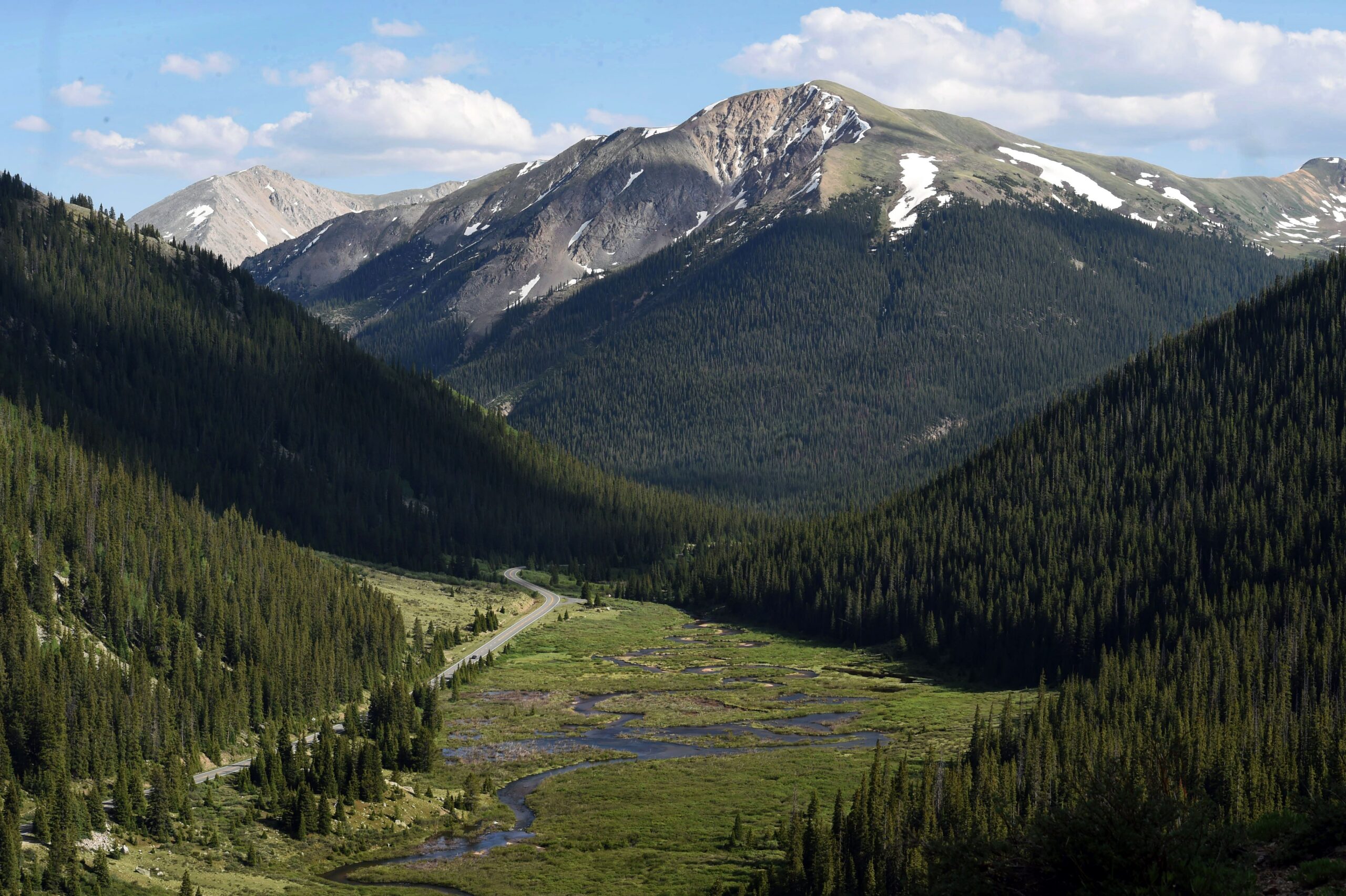
In your largest wilderness area, the Weminuche ー almost the size of Rhode Island! ー and in Maroon Bells-Snowmass Wilderness, another dreamscape of stream-fed forests, wildflower-laden meadows and that scene of twin peaks looming over the lake and aspen-coated slopes. Not long after Trappers Lake, I drove to that scene in my ill-equipped car. And I thank you again, Colorado, for your grace along Independence Pass, over the Continental Divide.
Some years later, closer to my home on the Front Range, I visited another historic Carhart site. This was around Pueblo Mountain Park, near Beulah. Around the same time of the Wilderness Act-inspiring memo, Carhart also designed campgrounds as we know them now, starting here with Squirrel Creek Campground. There you went again, Colorado, sparking a nationwide love of the outdoors.
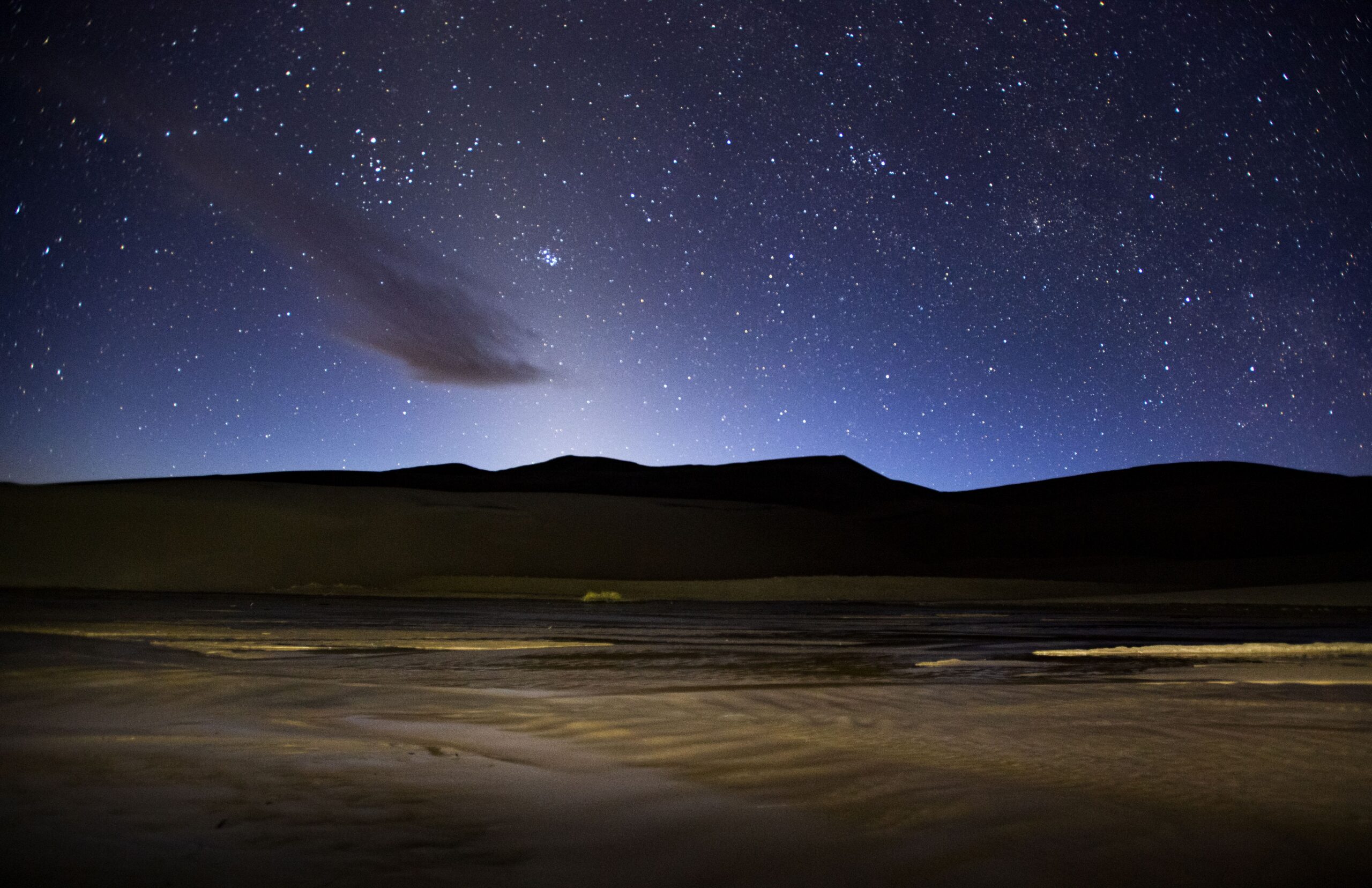
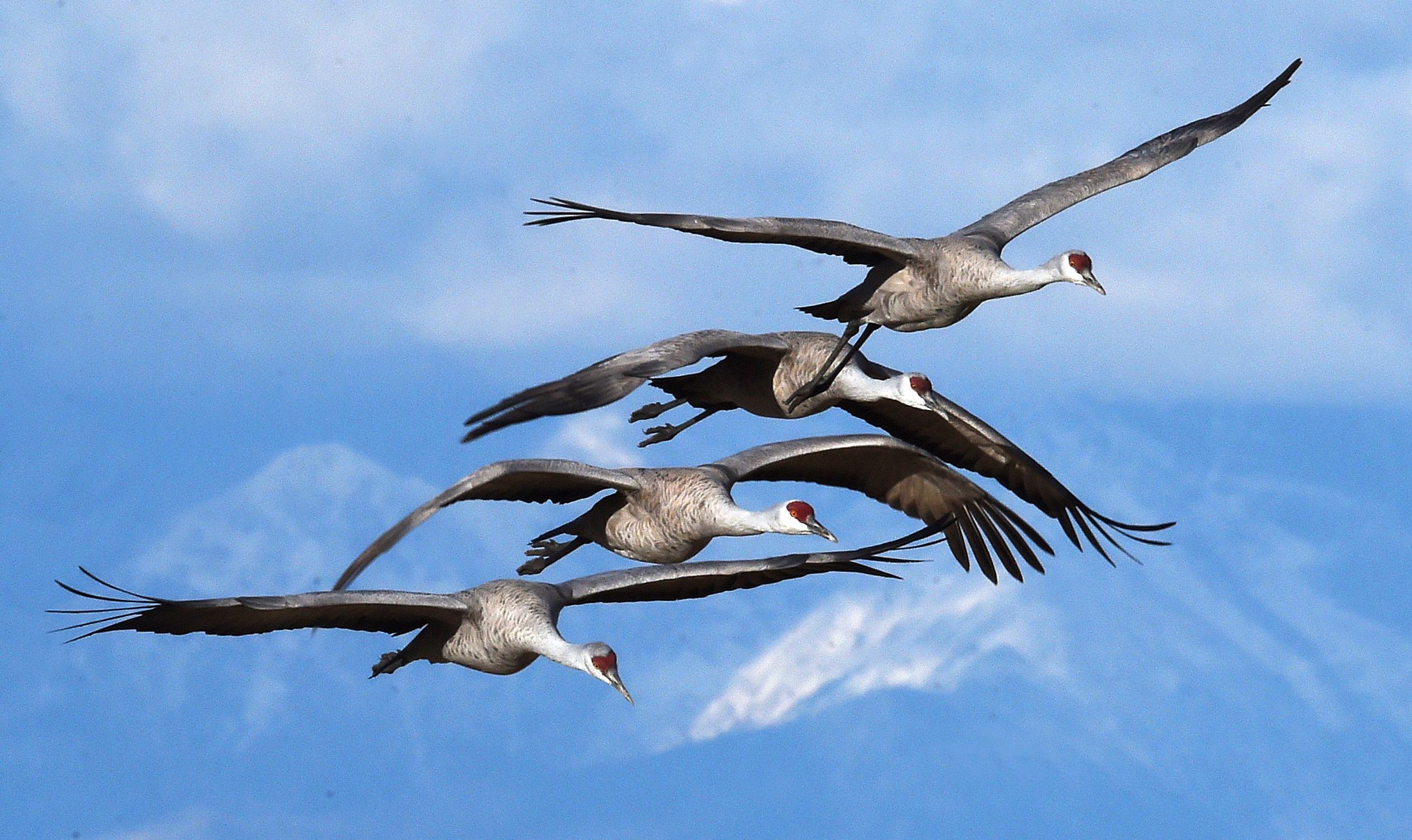
And now I’m thinking of other nights under your stars. How could I ever forget your diamond-studded canvas over the Great Sand Dunes? And how ever did you spawn such a creation, North America’s tallest dunes set against those jagged Sangre de Cristos? I’ve come to adore the surrounding San Luis Valley, this riverland steeped in history and mystery. And the cranes! How grateful I am for the flight and song of those regal, ancient migrators.
I am most grateful for Pikes Peak, greeting me every morning when I wake. I am grateful for the colorful mosaic you painted around my home, Colorado Springs. Again, I must borrow words, these of the poet Helen Hunt Jackson, who in the 1870s remarked on this place “laying due east of the Great Mountains and west of the sun.” She wrote of “a symphony of yellow and red” ー Austin’s Bluffs and Palmer Park in one direction, Garden of the Gods and Red Rock Canyon in the other ー and of the “deep blue wall” of the Palmer Divide and the plains “which have all the beauty of the sea.”
Your plains! I could go on about them as much as your peaks, the 14,000-foot likes that are bunched here more than any other state.
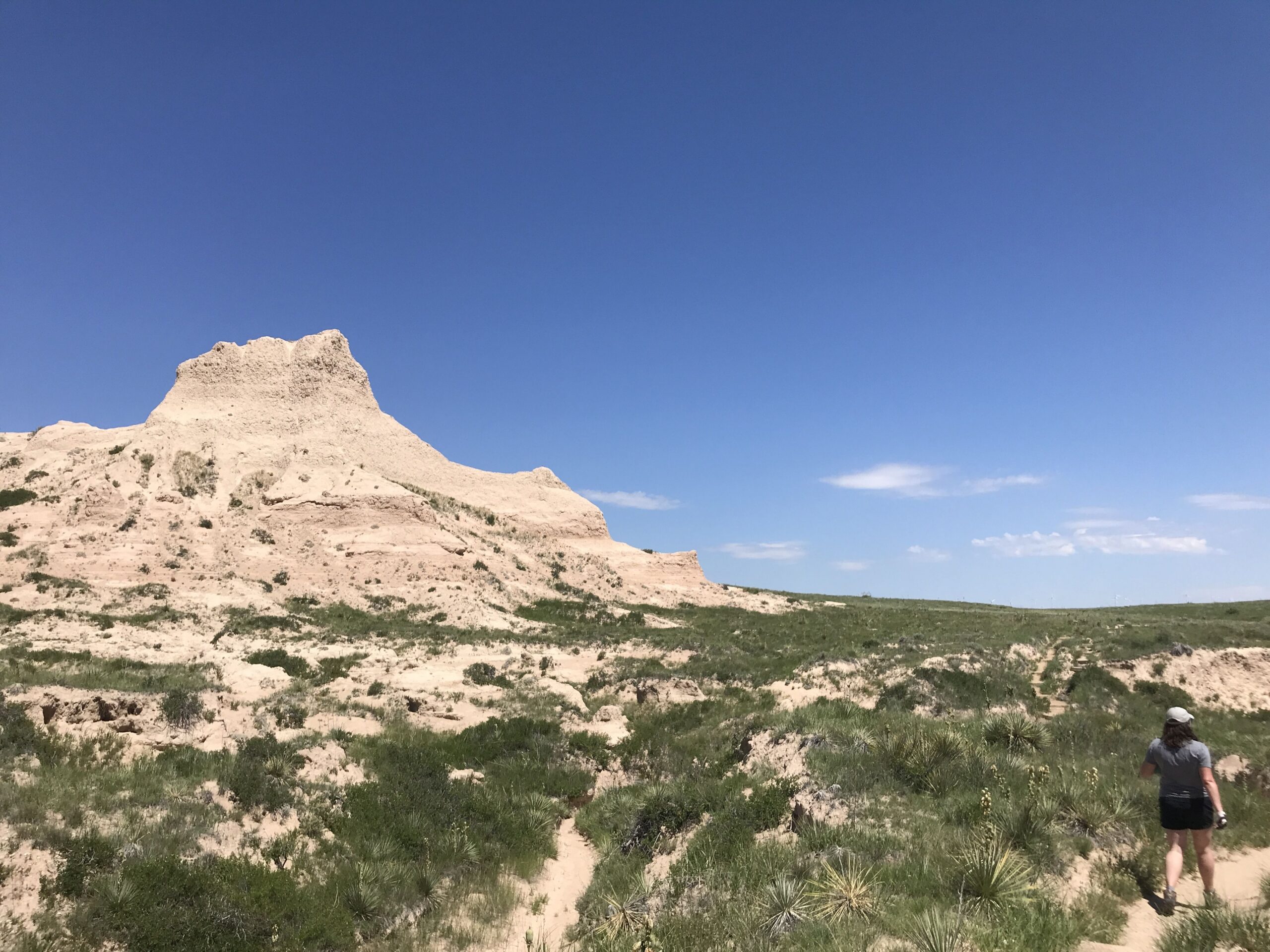
On the southeast plains, you wove canyonlands that stir the imagination, marked by petroglyphs left by natives and tracks left by dinosaurs. Northeast, I once ventured to your Pawnee Buttes. And I understood why John Fielder ー the photographer who envied you most ー called it one of his favorite places among every square mile of you he said he traveled.
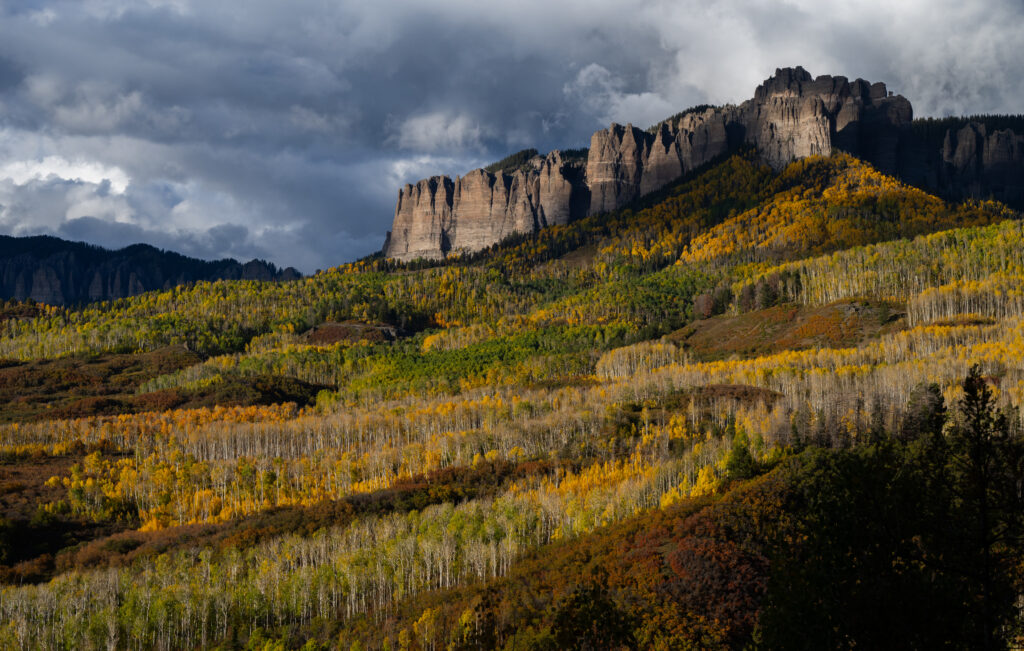
I have more traveling to do ー so much more I long to know about you, Colorado. Only recently did I get to know Mesa Verde and the story of ancestral people who call those cliffs home. It was autumn in your San Juan Mountains, the season and region dear to me. My spirit soars when your leaves shine.
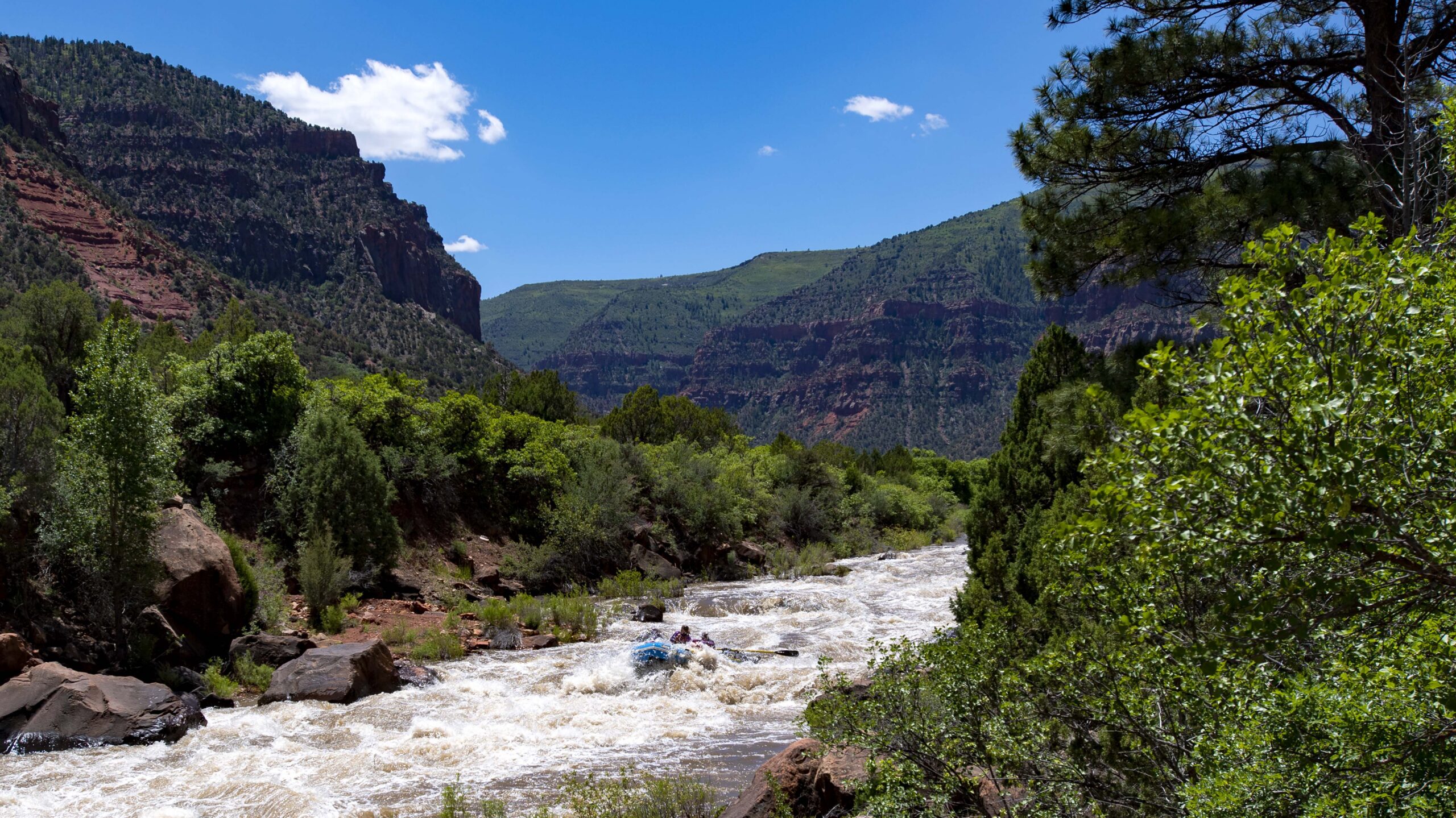
And later your snow falls like powder, glistening. And later your rivers swell, or at least I hope. I’m recalling that glorious trip down the Dolores, which is rarely raftable in your southwest desert canyons. You provided then, as you endlessly do, Colorado.
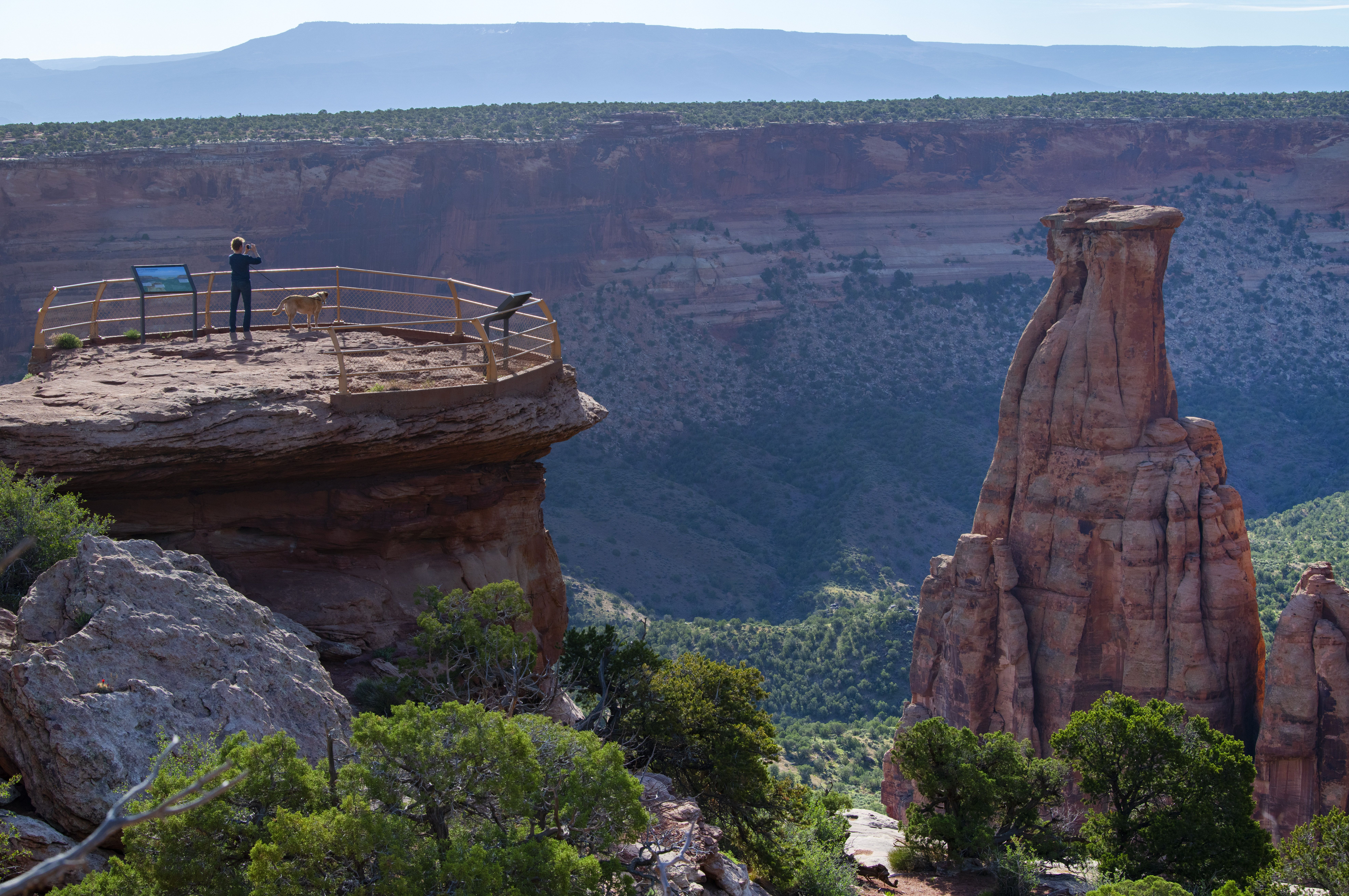
You were named by Spanish explorers ー “colored red,” they deemed you, for your geology that matches my blushing. So of course it is called Colorado National Monument, this realm of red rock cathedrals and spires. An early champion of the national monument, John Otto, knew the place as “the heart of the world.” Surely it is another place in my heart.
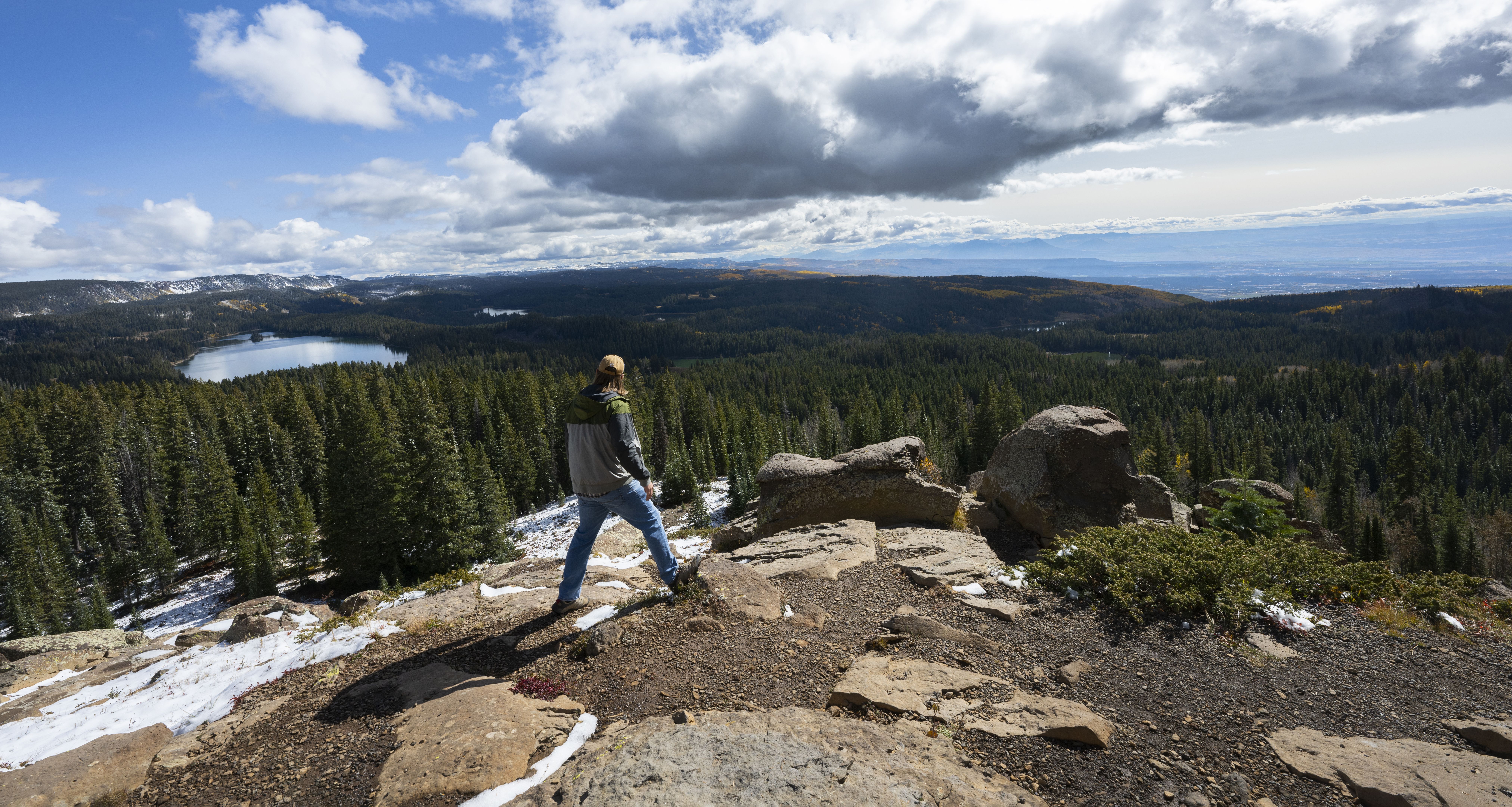
As is the Grand Mesa, elsewhere on your Western Slope. Here, Colorado, is your flat top mountain of a scale unmatched worldwide. I must return to admire more of your lakes there ー hundreds!
Shall I go on about your alpine lakes? About Hanging Lake and that magnificent waterfall in Glenwood Canyon? About more waterfalls and more canyons that run deep, namely Black Canyon of the Gunnison? Your hot springs run even deeper ー in Pagosa, deeper than anywhere else on record.
But my love runs deepest of all, dearest Colorado.


Colorado New Play Summit turns 20 this weekend
John Moore
john.moore@denvergazette.com
Updated 20 hours ago
Arts news: Four developing scripts will be presented for future consideration on the Denver Center Theatre Company’s upcoming seasons Things are rapidly changing in the American theater. But the Denver Center Theatre Company’s place as a major player in new-play...

John Moore
Reporter

Thriller! Denver 12-year-old joins Broadway cast of Michael Jackson musical
John Moore
john.moore@denvergazette.com
Updated 2 days ago
Denver School of the Arts student Blake Channing Taylor, his dad and uncle ‘are going to make this work’ When I met young Blake Channing Taylor (not Tatum!) in August 2024, he was dressed as Snoopy, complete with an attached...
John Moore
Reporter
James Van Der Beek, the ‘Dawson’s Creek’ star, has died at 48
The Associated Press
the-associated-press@denvergazette.com
Updated 2 days ago
NEW YORK — James Van Der Beek, a heartthrob who starred in coming-of-age dramas at the dawn of the new millennium, shooting to fame playing the titular character in “Dawson’s Creek” and in later years mocking his own hunky persona,...

The Associated Press
Reporter
Free day coming up at national parks, first of many scheduled for 2026
Seth Boster
seth-boster@denvergazette.com
Updated 4 days ago
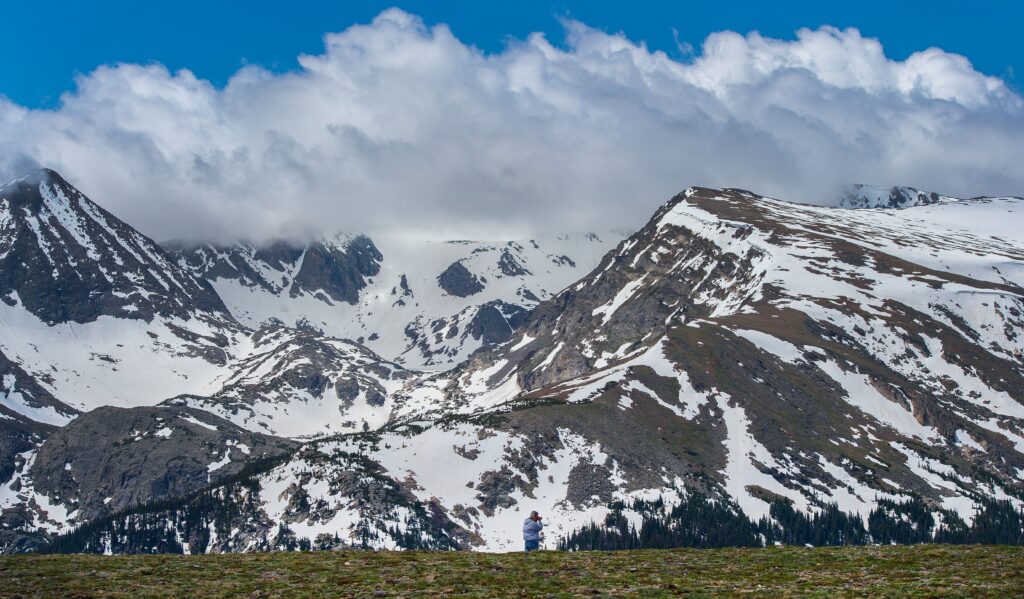
Trying to save money on your next visit to one of Colorado’s greatest natural treasures? Some dates on the 2026 calendar will help you do just that, starting Monday. Presidents Day is the first of the National Park Service’s free...
Seth Boster
Reporter
Colorado landscape plants, trees, need winter watering during warm, dry weather
Scott Weiser
scott-weiser@denvergazette.com
Updated 3 days ago
Dry, sunny, warm and windy winter conditions have left many Colorado landscape plants short of moisture, and Colorado State University Extension specialists recommend supplemental watering to prevent root damage and promote healthier spring growth. Evergreens, newly planted trees and shrubs,...

Scott Weiser
Reporter
Ski trail returns to rim of famed canyon in western Colorado
Seth Boster
seth-boster@denvergazette.com
Updated 3 days ago
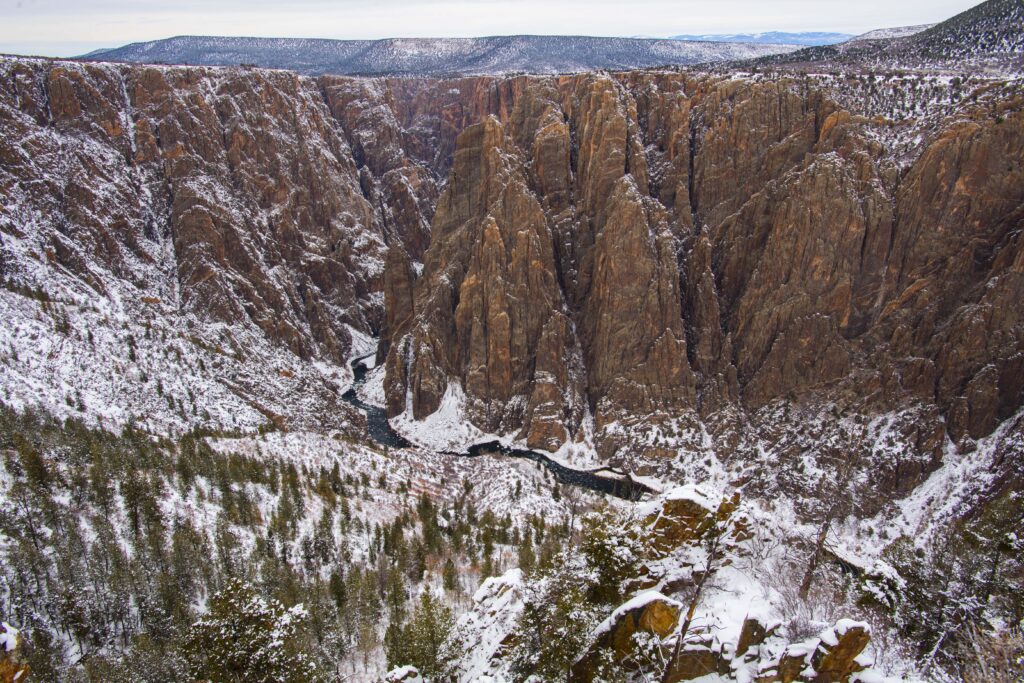
The chance to ski atop one of Colorado’s most picturesque canyons only comes around every so often. Now might be the time. Finally, amid a record dry spell, grooming has started along South Rim Road at Black Canyon of the...
Seth Boster
Reporter
Yes, indeed, Piggly Wiggly grocery stores once had a home in Colorado Springs
Linda Navarro
linda-navarro@denvergazette.com
Updated 1 week ago
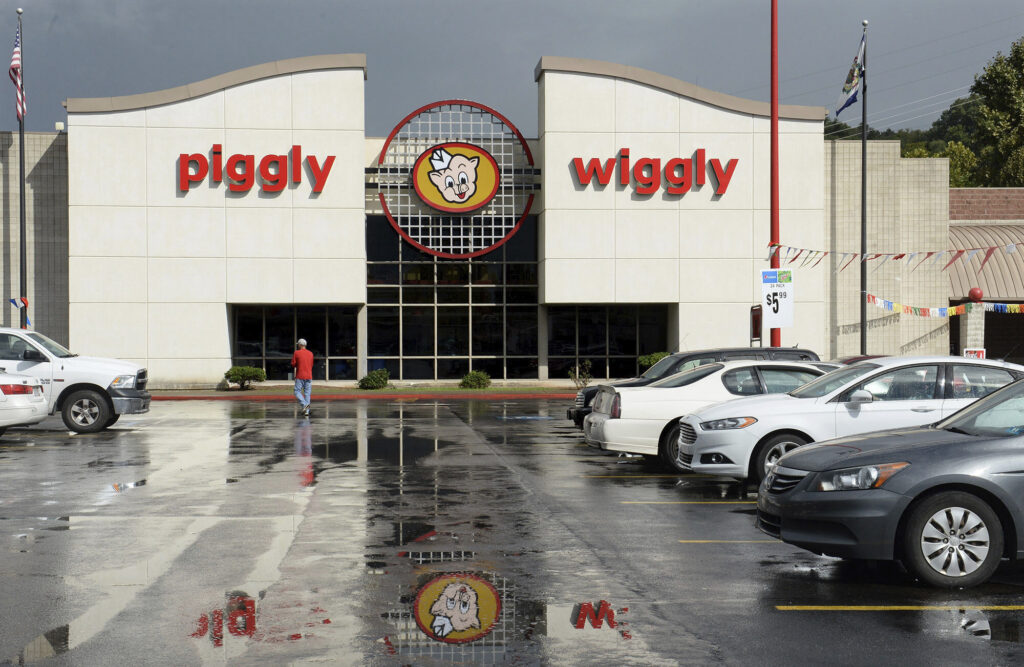
Gazette readers have been wondering about stories passed down by family members about shopping at their neighborhood Piggly Wiggly stores “way back when” in Colorado Springs. True or not? Piggly Wiggly was, and still is, a familiar grocery name in...

Linda Navarro
Reporter
Longtime Colorado Springs entertainer brings new dueling pianos show, other events to historic hotel
Jennifer Mulson
jennifer-mulson@denvergazette.com
Updated 4 days ago
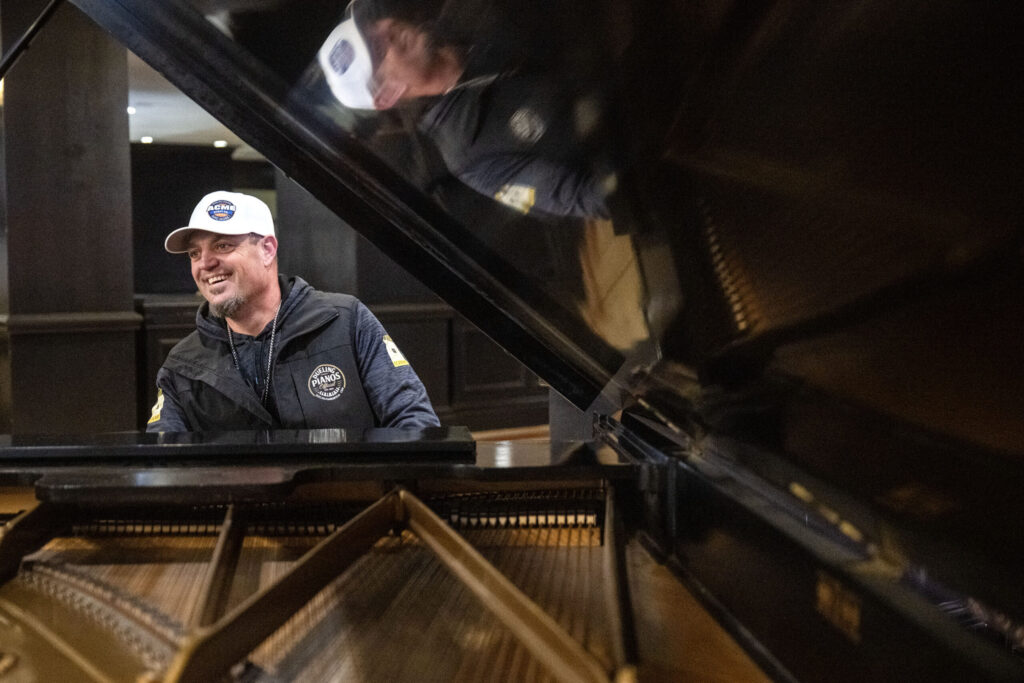
The lobby of The Antlers, A Wyndham Hotel is silent as a library, save for the booming sounds of the charismatic man nestled behind the grand piano. With nary a musical scale to warm up his fingers or vocal exercises...

Jennifer Mulson
Reporter
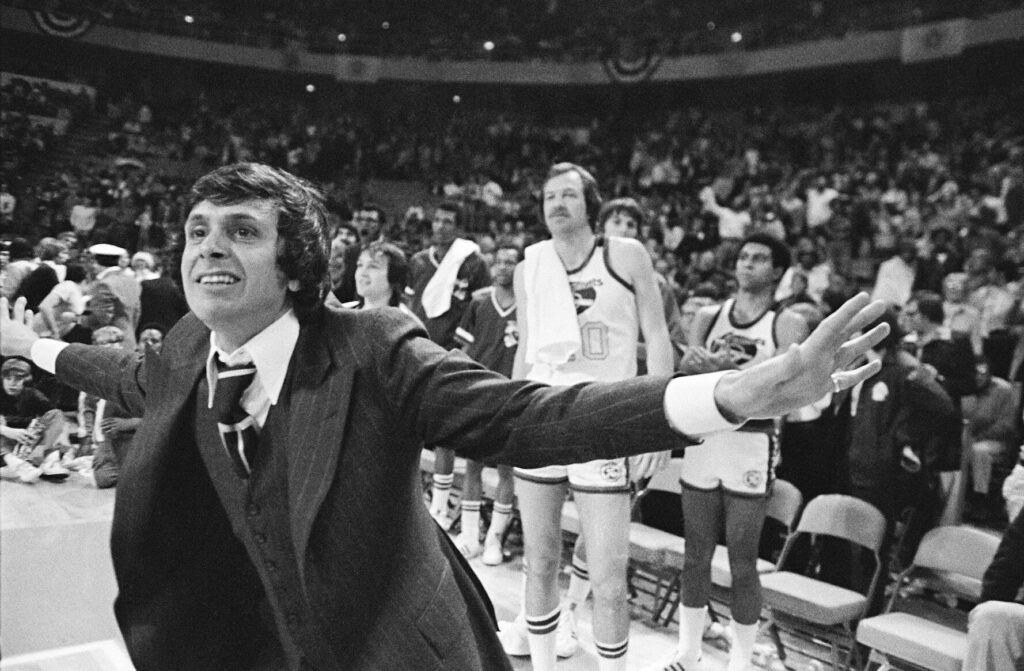
‘Soul Power’: Long live the ABA
John Moore
john.moore@denvergazette.com
Updated 5 days ago
Fifty years later, new documentary series takes nostalgic look at how the rebel American Basketball Association changed the NBA – and the world Three-point ABA trivia question: What do rapper-actor Common and Grammy Award-winning singer India.Arie have in common? Answer: Their...
John Moore
Reporter
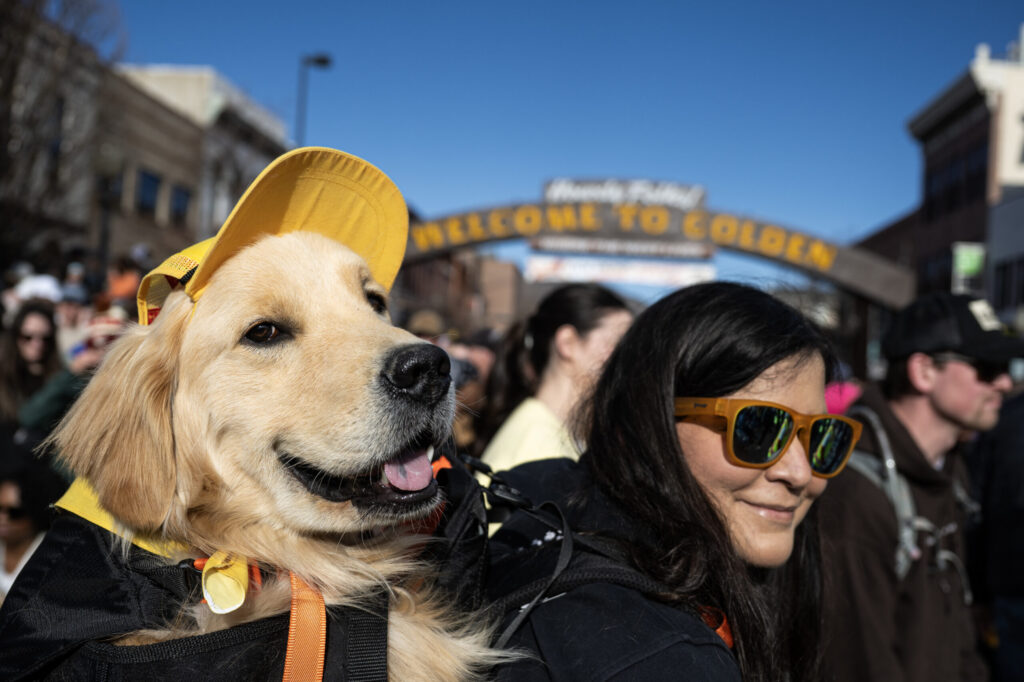
PHOTOS: Goldens in Golden
Stephen Swofford
stephen-swofford@denvergazette.com
Updated 6 days ago

Stephen Swofford
Reporter
PREV
PREVIOUS

Colorado policymakers scramble with prisons on track to exceed capacity
Colorado’s prison system is on track to exceed capacity within the next year, driven by a sharp slowdown in parole releases, staffing shortages and an aging inmate population — all as lawmakers grapple with an $800 million general fund shortfall that limits options for expanding beds or spending in alternative programs. If projections hold, the […]

Denver weather: A chance for rain Friday night
If you’re planning a romantic evening out in Denver with your Valentine on Friday, you might want to pack an umbrella, the weather service advises. The National Weather Service in Boulder said there’s a 60% chance of rain in Denver Friday night, mainly before midnight. The temperature in Denver on Friday is expected to reach […]