







From decrepit to opulent: How 20 years of the Ellie Caulkins Opera House has elevated Denver
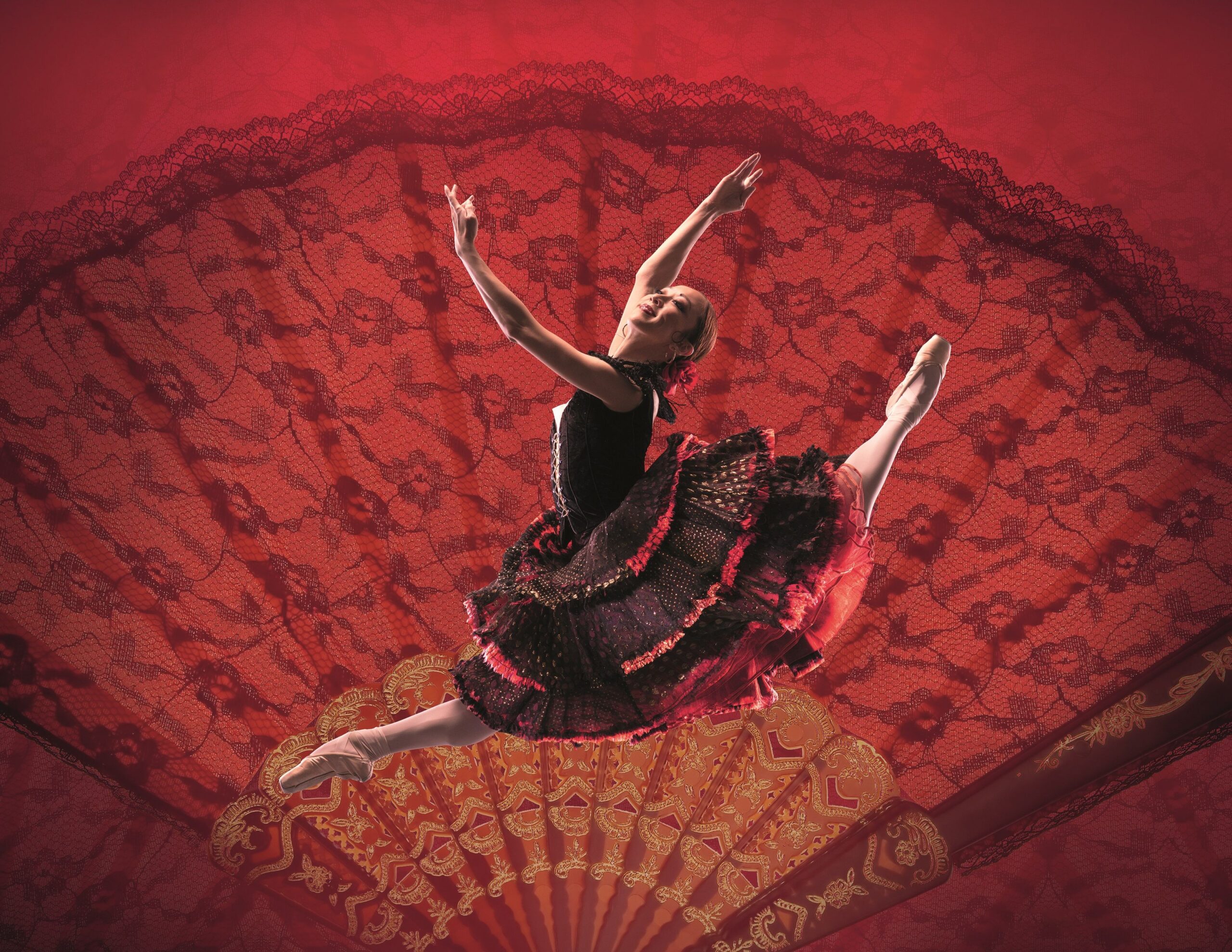
Celebrating two decades since downtown finally got a worthy home for opera, ballet, concerts and more
People forget what life was like before the Ellie Caulkins Opera House. When opera fans had to head down to the basement to find a bathroom.
Talk about bottoming out.
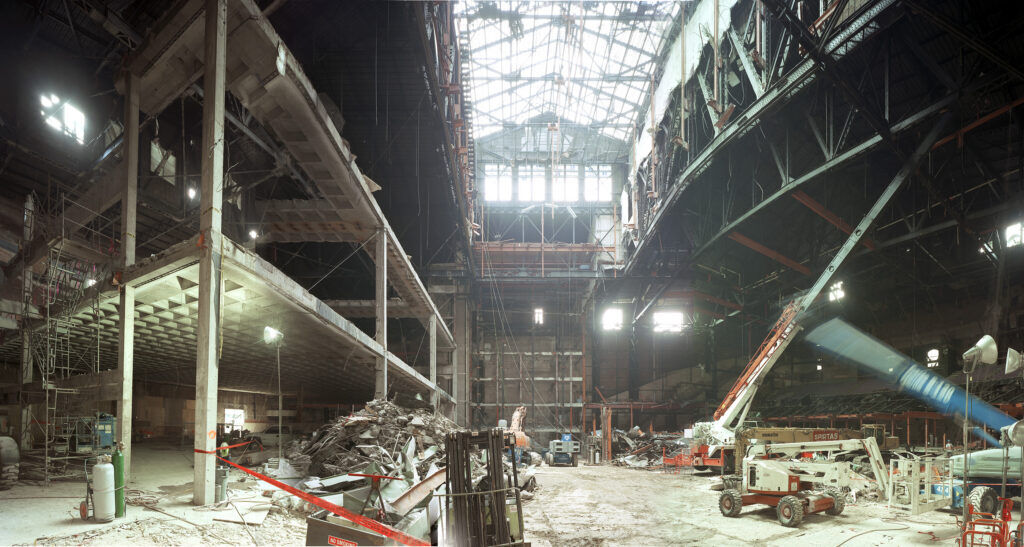
“People don’t remember that there were more seats in the balcony than there were on the main floor,” said Chris Wineman, the principal architect at Semple Brown Design who in 2005 oversaw the $92 million transformation of the gutted Auditorium Theatre into what he calls one of the world’s five greatest opera houses.
“There was such disappointment in people’s eyes when they walked up to this beautiful historic building with all these expectations,” Wineman said. “They would walk in and go, ‘Huh. Really?’
“They couldn’t see the history of the building once they were inside. They couldn’t see windows. They couldn’t see that there was no loading dock. They couldn’t see that there were no amenities for the performers.”
They found out soon enough that downtown Denver did not have a top-caliber venue for dance or classical music back then – and hadn’t for decades.
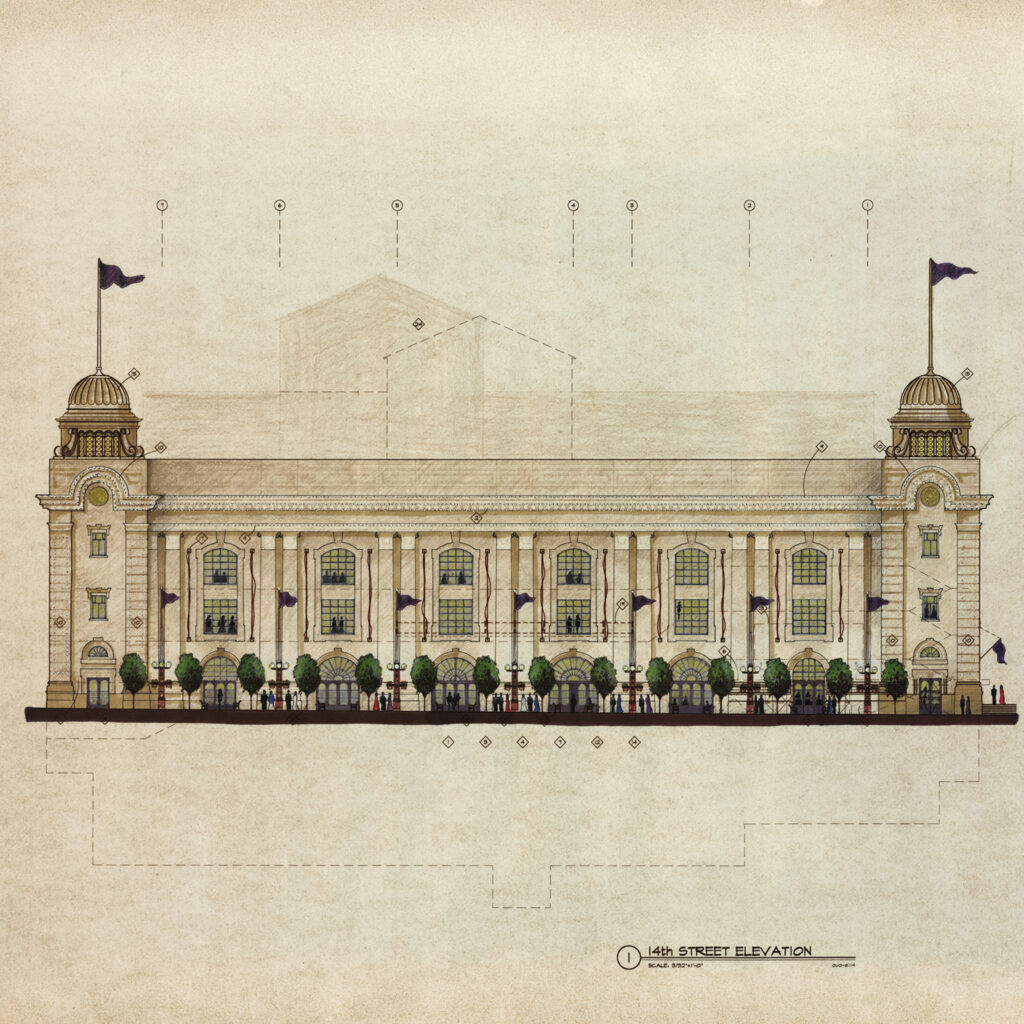
The Denver Municipal Auditorium was built at a cost of $400,000 for the 1908 Democratic National Convention that went down in history as the third presidential nomination of William Jennings Bryan, “The Silver-Tongued Orator of the Platte.” It opened as a 12,500-seat, neoclassical venue at 14th and Champa streets – the second-largest in the U.S. at the time and the gateway to what would eventually become known as the Denver Performing Arts Complex, a stunning collection of 11 performance venues covering 12 acres that city officials say make it the second-largest performing-arts facility in the world.
The building served for decades as a multi-purpose arena, opera house and convention center, hosting all sorts of sporting events and major entertainments. A 6,800-seat basketball arena made up the southwestern half of the building starting in 1953. That’s where pro sports teams like the Denver Rockets (basketball), Comets (volleyball) and Racquets (tennis) played, along with boxing and wrestling events – you name it. That’s essentially what became the 2,800-seat Buell Theatre in 1991.
The other half housed the more culturally sophisticated Auditorium Theatre, which is where Buddy Holly once crooned, and where Led Zeppelin played its first U.S. concert in 1968. That’s now the 2,268-seat Ellie Caulkins Opera House – a publicly financed, city-owned arts center approved by Denver voters in 2002.
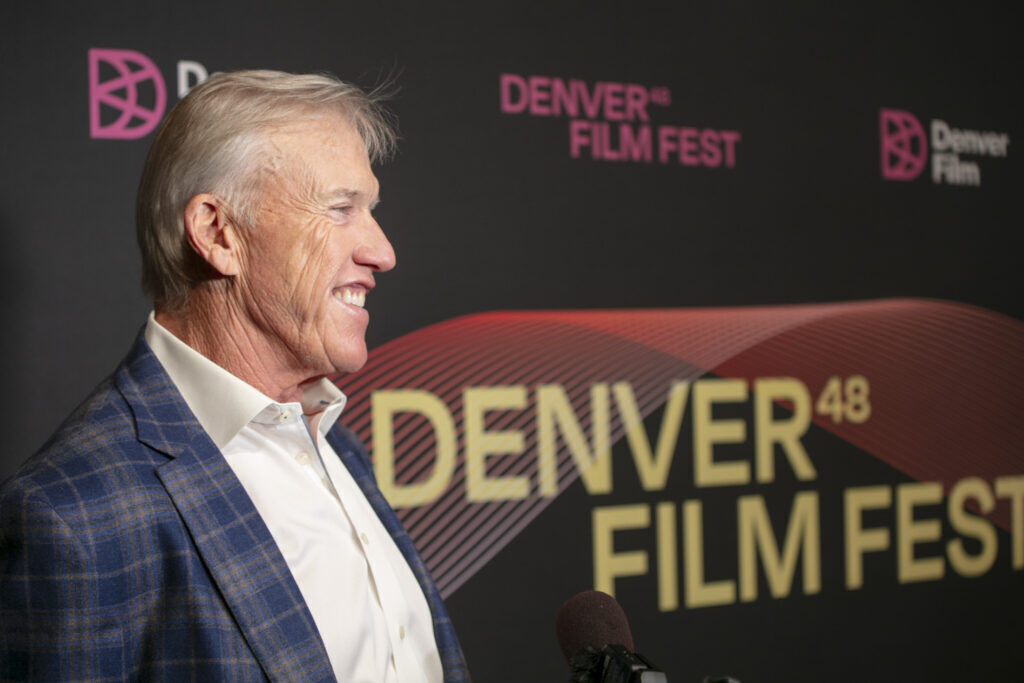
The Ellie, renowned for its superior acoustics, was built to become the primary home for the city’s top ballet and opera companies, but it has hosted a wide variety of iconic performances ranging from indie rock to legendary vocalists. It’s home each year to the Denver Film Festival’s biggest-buzz screenings. The Denver Center celebrates the best in Colorado high-school theater each year with a joyful gathering called the Bobby G Awards.
“The Ellie Caulkins Opera House may be the home to Opera Colorado and the Colorado Ballet, but it’s one of the most versatile venues in Denver,” said Brian Kitts, spokesman for Denver Arts & Venues. “For every ‘La Traviata,’ ‘Madama Butterfly,’ ‘The Nutcracker’ and ‘Dracula,’ there’s been a Tony Bennett, Diana Ross, Erasure or John Mellencamp concert.”
The Ellie quietly turned 20 last September, but its larger 20th anniversary season is being celebrated right now by Opera Colorado with a special Feb. 27 concert featuring Grammy-winning baritone Will Liverman with pianist Elizabeth G. Hill.
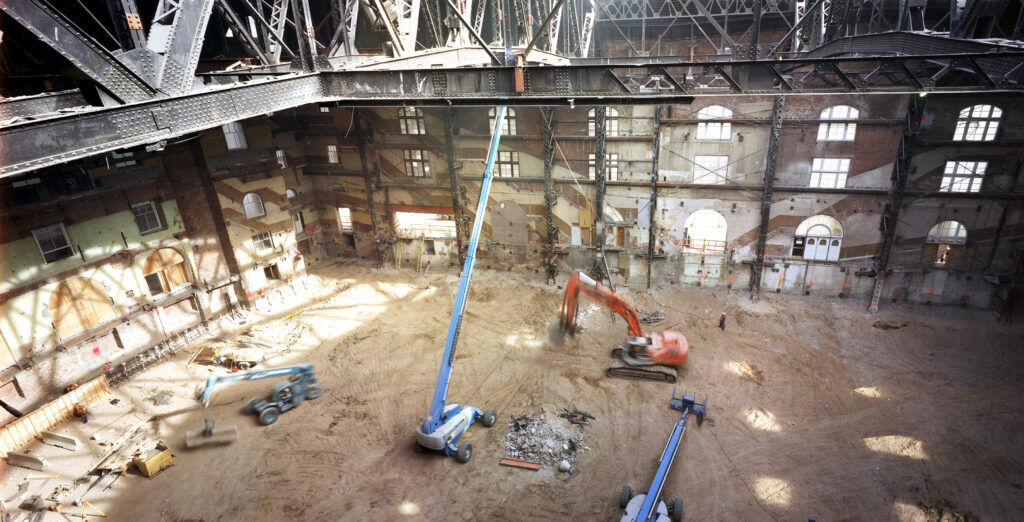
All of which, Wineman says, makes this an opportune moment to reflect on one of Denver’s most ambitious architectural transformations. Building a world-class opera house inside a historic shell, he said, “was like building a ship in a bottle.”
As much as anything, Wineman added, “I’m really pleased that over the years, all of the stuff that we talked about being possible has been not only possible, but accomplished.”
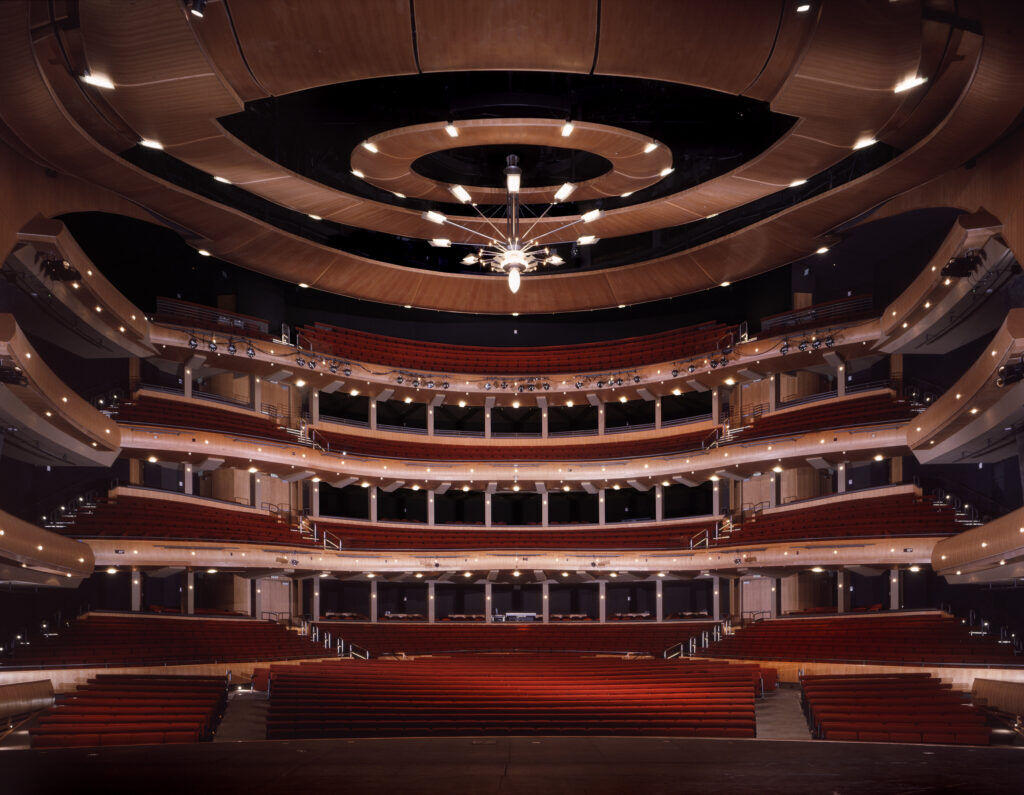
What got accomplished was a wide, curved house inspired by the shape of an ancient stringed musical instrument called a lyre.
What does that mean? The furthest seat sits just 113 feet from the stage, compared to 137 feet in the old configuration – and that there are more seats closer to the stage. Also: Unencumbered sightlines. A $2.8 million installation that allows viewers to follow the opera’s libretto on seat-back screens. And, yes, a loading dock and bathrooms not down in the basement.
Opening night 2005
The Ellie, with its three balconies and 21 boxes, opened with a gala evening for the ages on Sept. 10, 2005. Soprano Renée Fleming, one of the biggest names in opera, headed a star-studded parade of 12 singers including bass-baritone James Morris, a regular at the Metropolitan Opera for more than 25 years; and leading soprano Cynthia Lawrence, a former Coloradan.
Opera Colorado commissioned noted composer Jake Heggie to write a 10-minute vocal work specifically for Fleming and the occasion. Providing text was four-time Tony Award winning playwright Terrence McNally.
How good was the sound? To everyone’s relief: Excellent. The opera house passed its first major test with flying colors.
READ ABOUT THE ELLIE’S NEW ADAPTABLE STAGE FLOOR

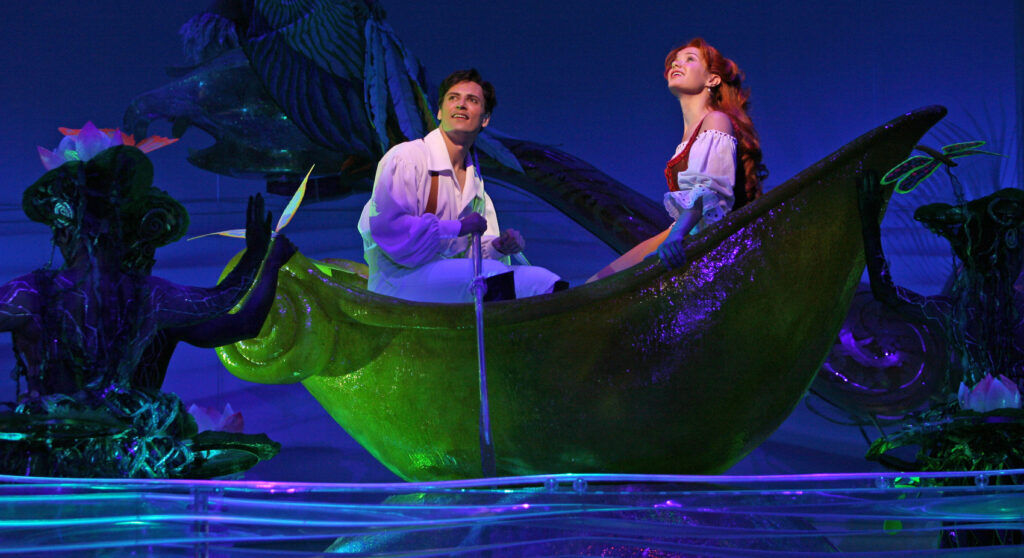
Two years later, Disney’s decision to develop its Broadway-bound juggernaut “The Little Mermaid” here was not only big for the Ellie and Denver’s burgeoning reputation as a national theater city – it was huge for Denver’s cultural economy.
Disney put more than 100 local musicians and theater technicians to work, representing hundreds of thousands of dollars in salaries. For 10 weeks of Denver performances, the music was performed by an 18-person orchestra that included 16 local players. The crew numbered 55 locals -– including stagehands, wardrobe, costume stitchers, hair and makeup. An additional 40 were hired to “load in” and “load out” the set.
And then there was our own Sierra Boggess, the star of the show who has gone on to otherworldly Broadway and global greatness.
When the 2011 “The Book of Mormon” won a shocking nine Tony Awards in 2011, the Broadway smash had already announced that the first national touring production would launch in late 2012 at the Buell Theatre. That was in deference to Colorado creators Trey Parker and Matt Stone.
“‘The Book of Mormon’ has reinvented Broadway,” the Denver Center’s late president Randy Weeks said at the time. “It’s fantastic that the folks in Colorado will have the first opportunity to see the tour.”
But once the show swept the Tony Awards, the pressure to get the show out to large markets – and fast – became intense. So the Denver opening was moved up to Aug. 14, 2012, and the run was shortened to three weeks so that the show could get to L.A. faster.
But the date change created a scheduling conflict with the Buell, so the entire run was shifted next door to the vastly superior but much smaller Ellie Caulkins. That was great news for Stone, Parker, and anyone who managed to get tickets inside the Ellie. But the loss of at least 24,000 potential seats led to a scalping free-for-all, and the kind of opening-night frenzy normally seen at a Broncos playoff game.
“But it was such a great experience watching the show in the Ellie,” Wineman said.
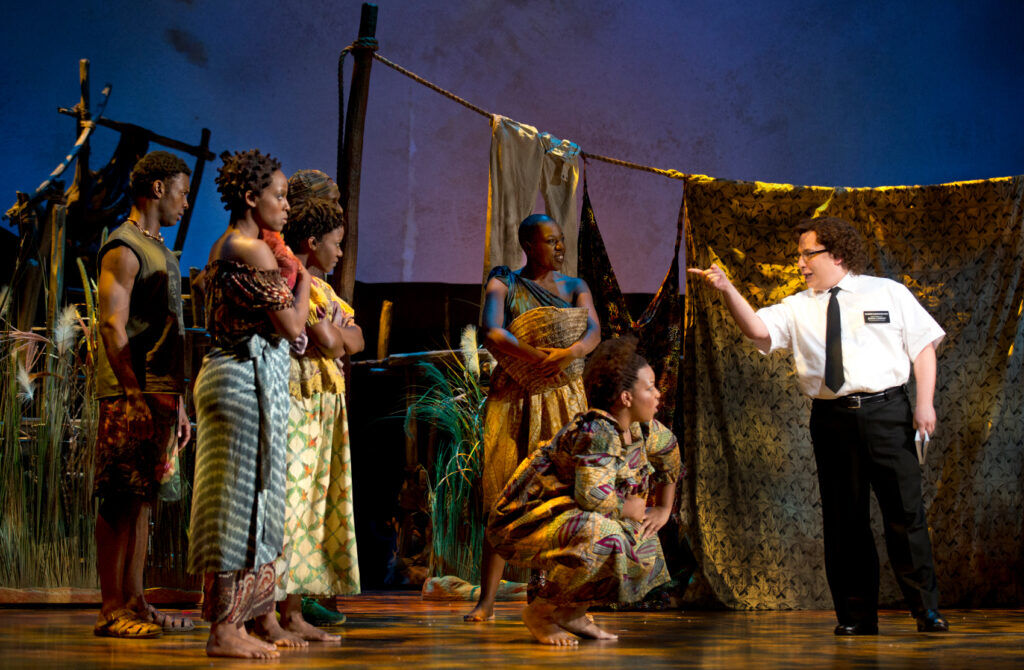
Other significant Broadway productions at the Ellie have included the national tour launch of “August: Osage County” and tour stops from “Fun Home,” “Next to Normal,” “Fiddler on the Roof, “Avenue Q” and Chazz Palminteri’s “A Bronx Tale.”
But what has made the Ellie such a well-rounded cultural gathering place has been a variety of offerings, most specifically musicians who seek it out for its acoustic reputation.
“We were very clear at the beginning to say, ‘Hey, just because we’re calling it an opera house doesn’t mean that’s all it can do,” Wineman said. “And so the fact that the Denver Film Society does their red-carpet screenings there, and that it has been a Broadway house, and that it has hosted totally commercial concerts – all of that has made the arts complex as a whole work better.”
Last Nov. 15 was a full-circle moment for Robert Plant, lead singer and lyricist for Led Zeppelin, which played their first-ever North American concert before a largely unsuspecting crowd who came to see Vanilla Fudge headline at the next-door Auditorium Arena back on Dec. 26, 1968.
Nearly 60 years later, Plant was back (in the Ellie) with his band Saving Grace, which delivered an intimate set that featured original songs, traditional covers and reimagined Led Zeppelin classics like “Ramble On” and “Four Sticks.”
“It’s one of the prettiest venues in Colorado,” said Kitts, “with something for everyone.”
Like, say, Sigur Rós, Dolly Parton, Weird Al Yankovic (twice!), Andre 3000, Kraftwerk, Iggy Pop, Steve Winwood, Norah Jones, Steven Tyler, Father John Misty, Low, Morrissey, Ben Harper, Neko Case and many more.
Wineman says that’s “an illustration of the value of having a venue with a totally different acoustical character than the Buell.”
And what exactly is that acoustical distinction? I asked Wineman to explain it to me in layman’s terms. And, in a nutshell: There are no layman’s terms. But, he tried: The Buell, he said, is designed for amplification (microphones and speakers), while the Ellie is designed for completely unamplified performances. So far, so good.
“So if you design for amplification, like the Buell, you want to design a very dry room with little to no echo or sound reflection, because you don’t want to have to deal with all of this extra sound bouncing around,” he said. “You just want to let the sound system do its thing. That’s why the Buell has all this porous sandstone on the walls.
“Having a very dry room is great for Broadway tours, but it was completely unreasonable for anybody to expect that opera was ever going to sound good in the Buell when it opened in 1991. That was just unrealistic. So we told the city that it wanted to design a reverberant room for the Ellie.” In other words: a space designed with highly reflective surfaces like concrete, tile or glass that cause sound to persist, bounce and echo for an extended duration.
The Ellie’s design incorporates multiple acoustic innovations: Its serrated walls near the stage create angled surfaces that reflect sound toward center orchestra seats. The sophisticated ceiling system balances sound reflection. And strategic wall treatments are fitted with absorptive fabric to prevent excessive echo.
“So the base characteristic of the Ellie is not as reverberant as, say, the Boettcher Concert Hall – but more reverberant than Buell,” Wineman said. “And then they can use curtains up above the ceiling to soak up the sound when they’re using amplification for concerts.”
Who’s the hero?
The man most often credited for the existence of the Denver Center for the Performing Arts is the late Denver Post publisher Donald R. Seawell, who is said to have legendarily stopped at the intersection of 14th and Curtis streets in 1972 and, disgusted by the eyesore the Auditorium Theatre had become, sketched a blueprint of the flour blocks that would soon become the Denver Performing Arts Complex on the back of an envelope. But what Seawell wanted more than anything was to build the four theaters that would comprise the Helen Bonfils Theatre Complex, home to his theater company.
“I don’t think that Don had any great aspirations to find a home for world-class opera and ballet,” Wineman acknowledged.
So I asked him: Who is the hero of the Ellie’s story? Certainly prominent in that discussion is its namesake: Caulkins is Opera Colorado’s lifetime honorary board chairwoman. Her husband, George, and five children surprised her with a $7 million donation to Opera Colorado for the naming privileges.
But while there is no single Seawell-like champion of the Ellie’s story, its unsung hero, Wineman believes, is the late Rodney Smith – the general manager of the Denver Performing Arts Complex until 2006. He was a major force in the opera-house renovation – and was known for serving breakfast to stagehands at 3 in the morning.
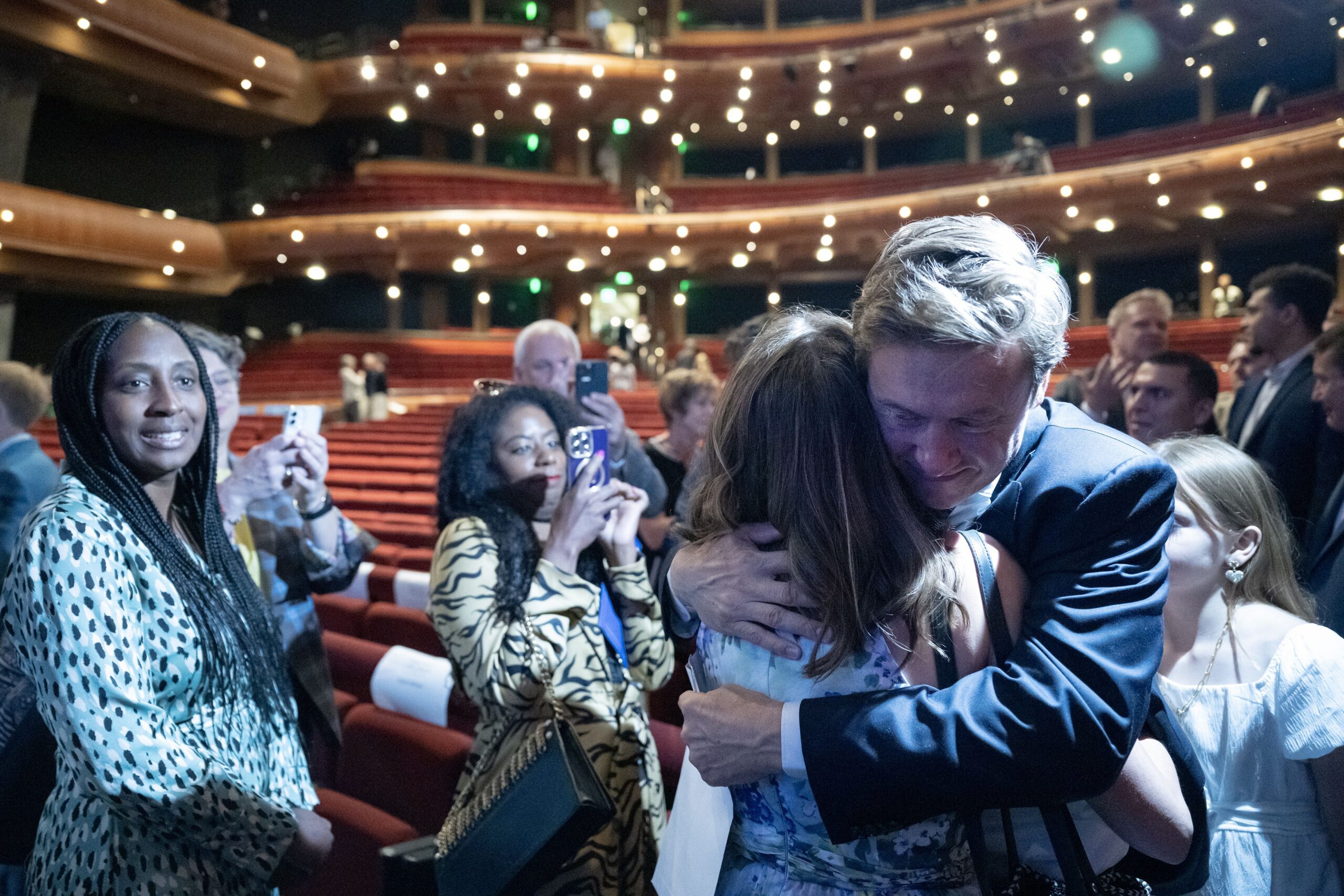
“Once the Buell opened, there was a kind of dawning awareness of who was being left out,” Wineman said. “And Rodney was the guy saying, ‘That’s the opera and the ballet.’”
The city first asked the architects to improve the exterior of the Auditorium building “because now it looked so shabby next to the Buell,” Wineman said. “The windows were all blocked shut, and it just looked like a derelict building.”
Inside was no better: There were no elevators, and building code issues for days.
“Ultimately, the answer was, ‘You can’t dress up this pig,” Wineman said. “It’s just going to suck up a bunch of money, and you’re not going to be left with anything that you’re happy with.’ Voters, strongly encouraged by a mayor (Wellington Webb) who told planners to keep it simple after the notorious airport-baggage fiasco at the new Denver International Airport, approved $75.8 million in public financing for a fixed-format opera house. The other $20 mill came from the State Historical Fund, private donors and other sources.
The $2 million Studio Loft, a 400-capacity, adaptable venue located above the opera house, opened in May 2011. It’s used for smaller performances, rehearsals and private events like weddings.
Archived news reports were reviewed for compiling this column. John Moore is the Denver Gazette’s Senior Arts Journalist. Email him at [email protected].
10 UNFORGETTABLE MOMENTS AT THE ELLIE CAULKINS OPERA HOUSE:
- Sept. 10, 2005: Soprano Renée Fleming headlines the opening gala. See story.
- July 26-Sept. 9, 2007: Disney’s pre-Broadway workshop run of “The Little Mermaid.” See story.
- Oct. 10, 2008: Colorado Ballet performs its first full-length “Swan Lake,” setting the standard for full-length story ballets as a regular part of its season.
- July 28-Aug. 8, 2009: “August: Osage County,” the hottest play in America at the time, launches its first national tour, with the Oscar-winning Estelle Parsons playing the meanest, pill-popping Oklahoma mamma in post-Dust Bowl history.
- Oct. 21, 2010: Colorado Ballet celebrates its 50th anniversary with co-founder Lillian Covillo in attendance. (She would pass away a month later.) The program includes “The Far Away” by Matthew Neenan, “Giselle” and “Swan Lake.”
- April 10, 2012: Death Cab for Cutie kicks off their 22-date intimate theater tour with the San Francisco-based Magik*Magik Orchestra – a string octet that provides orchestral arrangements for the band’s indie-pop setlist ends with an acoustic version of “Steadier Footing” and a powerful “Transatlanticism.”
- Aug. 14-Sept. 2, 2012: The first-ever “The Book of Mormon” national tour. See story.
- Feb. 22, 2013: Colorado Ballet presents its first MasterWorks repertory program at the Ellie with a full orchestra, which has since become an annual tradition. It featured George Balanchine’s “Theme and Variations,” Val Caniparoli “In Pieces” and Glen Tetley’s “The Rite of Spring” (which returns in April).
- Nov. 19, 2016: “A Prairie Home Companion” hosts a live show notable for featuring Phish guitarist Trey Anastasio and sometimes Denver comedian Tig Notaro. It’s part of the show’s inaugural season hosted by mandolinist Chris Thile.
- Nov. 8, 2025: An orange-clad crowd of about 1,500 film and football fans stand and cheer, many wiping away genuine tears, after the world-premiere screening of the new Netflix documentary on the man who needs no first name, “Elway.”
Opera Colorado celebration
- What: Baritone Will Liverman with pianist Elizabeth G. Hill celebrating 20 years of the Ellie Caulkins Opera House
- Presented by: Opera Colorado
- When: Feb. 27
- Where: Ellie Calkins Opera House, Denver Performing Arts Complex
- Info: operacolorado.org